

Clarity’s Legacy and Collapse
Clarity, the UK's oldest social enterprise founded in 1854 to provide employment opportunities for blind people, collapsed five years ago, resulting in over a hundred workers losing their jobs and salaries. Historically, Clarity focused on manufacturing soap and counted patrons such as Queen Victoria and actress Joanna Lumley among its supporters.
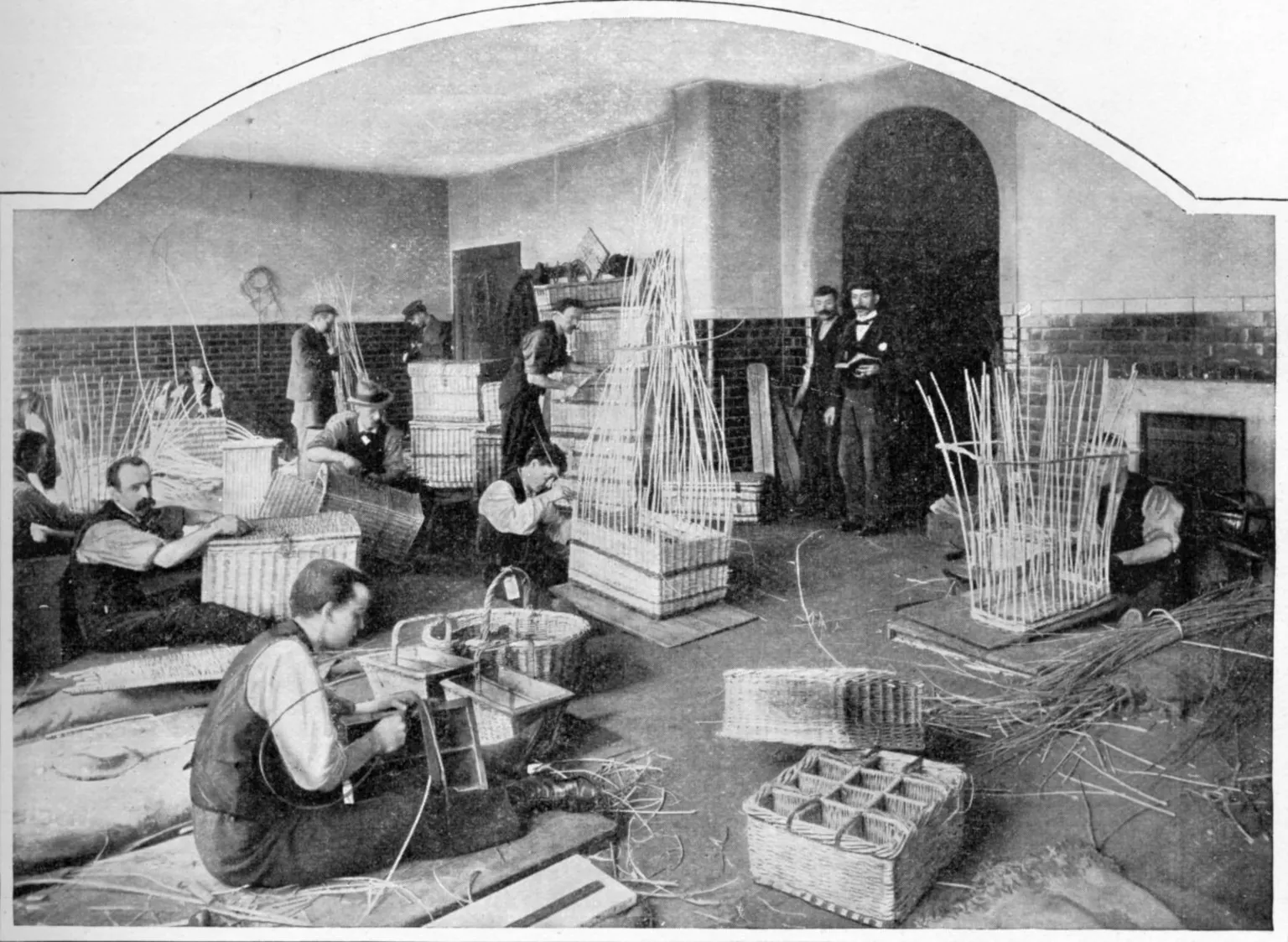
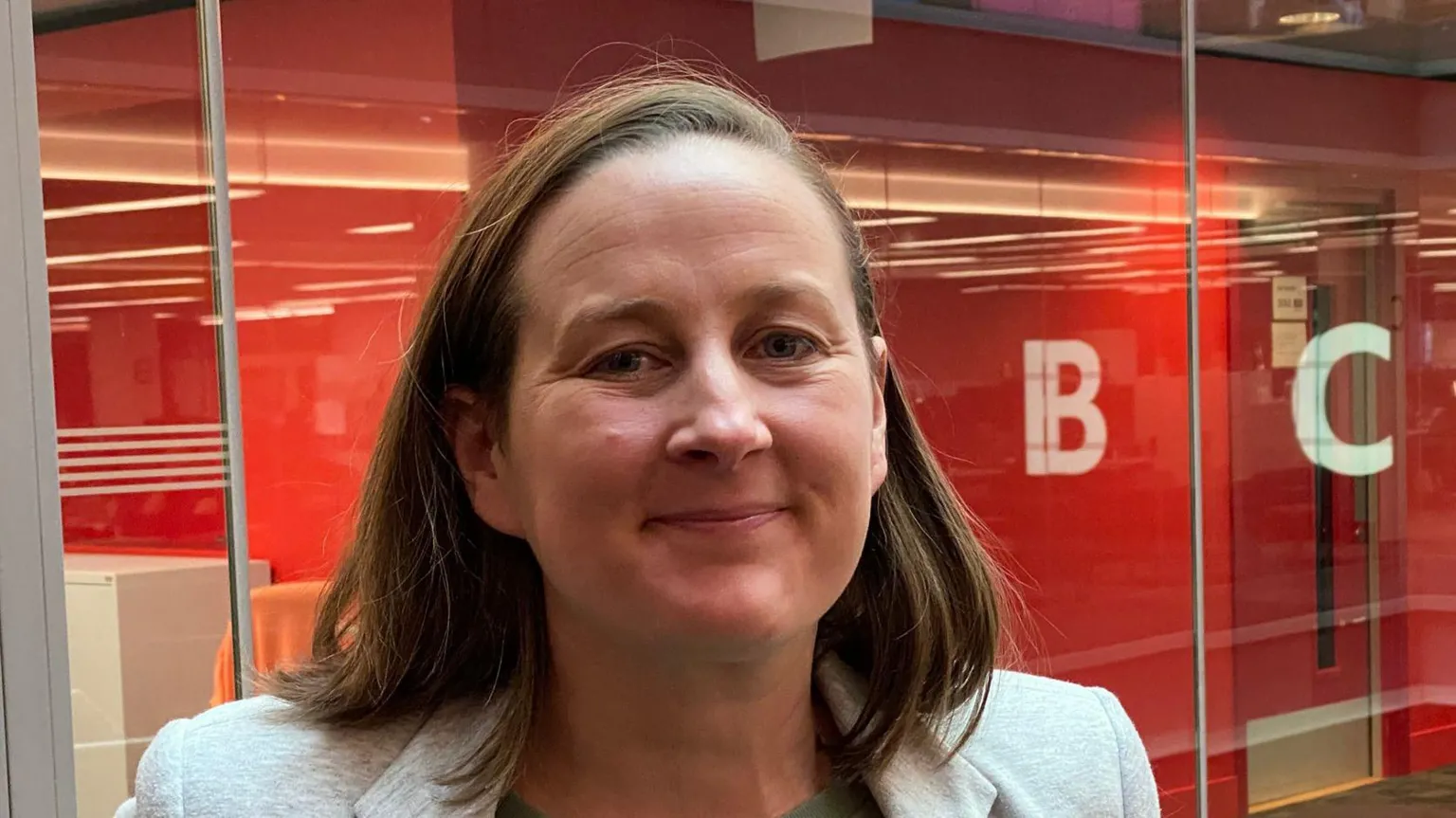
In 2020, a significant shortfall in Clarity’s pension fund led to the business's downfall. Nicholas Marks acquired the company out of administration, pledging to sustain its operations. However, according to Camilla Marcus-Dew, the former head of commercial, Marks showed little interest in preserving or expanding employment opportunities for disabled workers.
"He wasn't interested in growing jobs for disabled people and even protecting the jobs for the disabled people that we had working with us, which was truly heart-breaking to watch unfold,"
Following the acquisition, many workers, predominantly blind or visually impaired, were laid off without receiving owed wages, furlough, or redundancy payments. The factory ultimately closed, and the company ceased operations, leaving debts exceeding £400,000 owed to 84 employees.
Legal Battles and Pension Fraud Allegations
After the BBC reported on Clarity’s situation, Nicholas Marks initiated legal action against Marcus-Dew and another employee, unjustly blaming them for the company’s difficulties. The case was eventually dismissed after an extended legal battle.
Subsequently, the pensions regulator charged Marks with fraudulently appropriating workers' pensions. However, Marks passed away before the case proceeded to court.
Launching Amplify Goods: A New Social Enterprise
Despite these challenges, Marcus-Dew leveraged her experience to establish a new venture, Amplify Goods, which continues Clarity’s social mission with a fresh approach. Operating from a corner of a large warehouse in London managed by the homelessness charity Crisis, Amplify Goods provides paid work experience at the London living wage to homeless individuals, disabled people, and prison leavers.
The company gathers workers weekly to pack soap products, emphasizing social inclusion and employment support.
Empowering Workers Through Meaningful Employment
Pasha Michaelsen, co-founder alongside Marcus-Dew, highlights the importance of restoring confidence for those long out of employment.
"The longer you're out of employment, you start to lose confidence that you do have something to offer even just in being yourself,"
Among the employees is Taylor, who is autistic and has verbal dyspraxia. She works one day per week at Amplify Goods.
"I like to get out of the house so I can get money and buy my own stuff,"
she explains.
"I learn to pack the soap box properly, so that it could be on my CV."

Another worker, Jentital Al, has gained his first-ever job through the organization.
"I like coming here, learning new skills,"
he says. Traveling across London for work has boosted his confidence, enabling him to use the tube independently for the first time.
Product Focus and Sustainable Practices
Amplify Goods primarily sells soap products to businesses for washrooms and corporate gifts, while also offering sales to the public through its website. The products are designed to minimize waste, with soap bars packaged in reused cardboard and liquid soap available in refillable bottles.
Business Model and Social Impact
Unlike Clarity, Amplify Goods operates as a social enterprise rather than a charity. It runs as a business with a social purpose, donating more than half its profits to charitable causes.
"We're not selling things as fast as we can and giving some money away. We're putting people who want work at the centre,"
states Marcus-Dew.
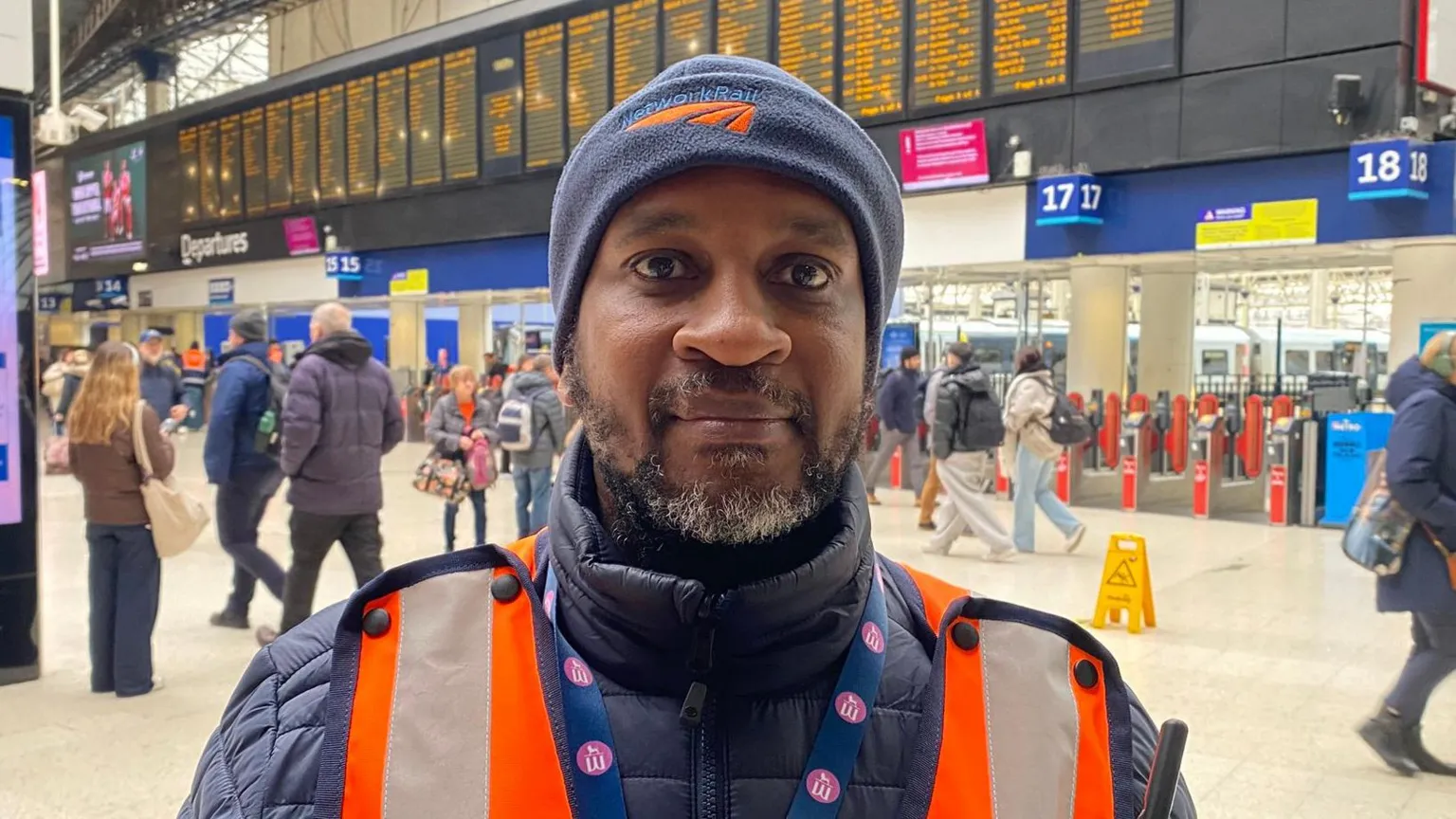
Amplify Goods has already facilitated significant positive outcomes. Yusuf Hussein, who lost his driving licence, job as a taxi driver, and experienced a relationship breakdown, completed a 10-day work experience placement with Amplify Goods. The company connected him with Standing Tall, an organization providing housing and employment preparation.
He now works in customer service for Network Rail at Waterloo Station.
"They did give me assurance like 'OK, it's not the end of the life, we'll help you and you'll get somewhere',"
he says.
In the previous year, Amplify Goods generated over 1,000 hours of work. While still in its early stages, Marcus-Dew is optimistic about the enterprise’s potential to make a substantial impact.
"It was a massive loss for the disability sector when Clarity went under. So, will we ever have businesses again that are of that scale, that are public facing, doing those amazing things? Maybe not, but we're doing it in our own way now at Amplify Goods,"
she remarks.
"I think often people go: 'I don't have influence to create jobs for homeless and disabled people'. I promise you do. I promise you do, through the change of something like soap in a washroom."


