

Replacing a leader is challenging, as Jeremy Corbyn's experience demonstrated, but Labour MPs have several methods to apply pressure, either publicly or privately.
Many Labour MPs believe Keir Starmer will not remain Labour leader long enough to contest the next general election. However, there is no consensus on how his departure might occur, even following a series of poor results in recent elections.
The Labour party's rules make it notoriously difficult to remove a sitting leader: no leader has been formally ousted in the postwar period, although some, such as Tony Blair, resigned under pressure from their own MPs.
A surprise development occurred on Saturday when backbencher Catherine West launched a leadership challenge.
West, the MP for Hornsey and Friern Barnet and a former junior Foreign Office minister who was dismissed in last year's reshuffle, declared that unless a cabinet minister came forward to challenge Starmer by Monday morning, she would do so herself.
If the Labour party wishes to remove Starmer, here are some of the possible methods.
1. The 81 MPs Rule
According to the Labour party rulebook, any candidate seeking to replace a sitting leader must secure written support from 20% of the parliamentary party, currently 81 MPs. A challenger with this level of backing can be nominated for a leadership contest, with the incumbent leader automatically qualifying if they choose to stand again.
There is no indication that West has secured these numbers; she is widely regarded as a stalking horse, a candidate used to test the waters or to mount a challenge on behalf of another party member.
Starmer has indicated he intends to stand again if a contest is forced, meaning any challenger would have to face the prime minister directly. Labour MPs would then vote to determine who should lead the party and potentially become prime minister.
This requirement makes replacing a Labour leader more difficult than replacing a Conservative one. Conservative party rules allow MPs to express no confidence anonymously and do not require rallying around an alternative candidate to trigger a contest.
Allies of Greater Manchester Mayor Andy Burnham, Health Secretary Wes Streeting, and former Deputy Prime Minister Angela Rayner claim their preferred candidates have the necessary support to force a vote.
However, MPs who express support privately may be reluctant to publicly endorse a challenge.
2. Public Pressure
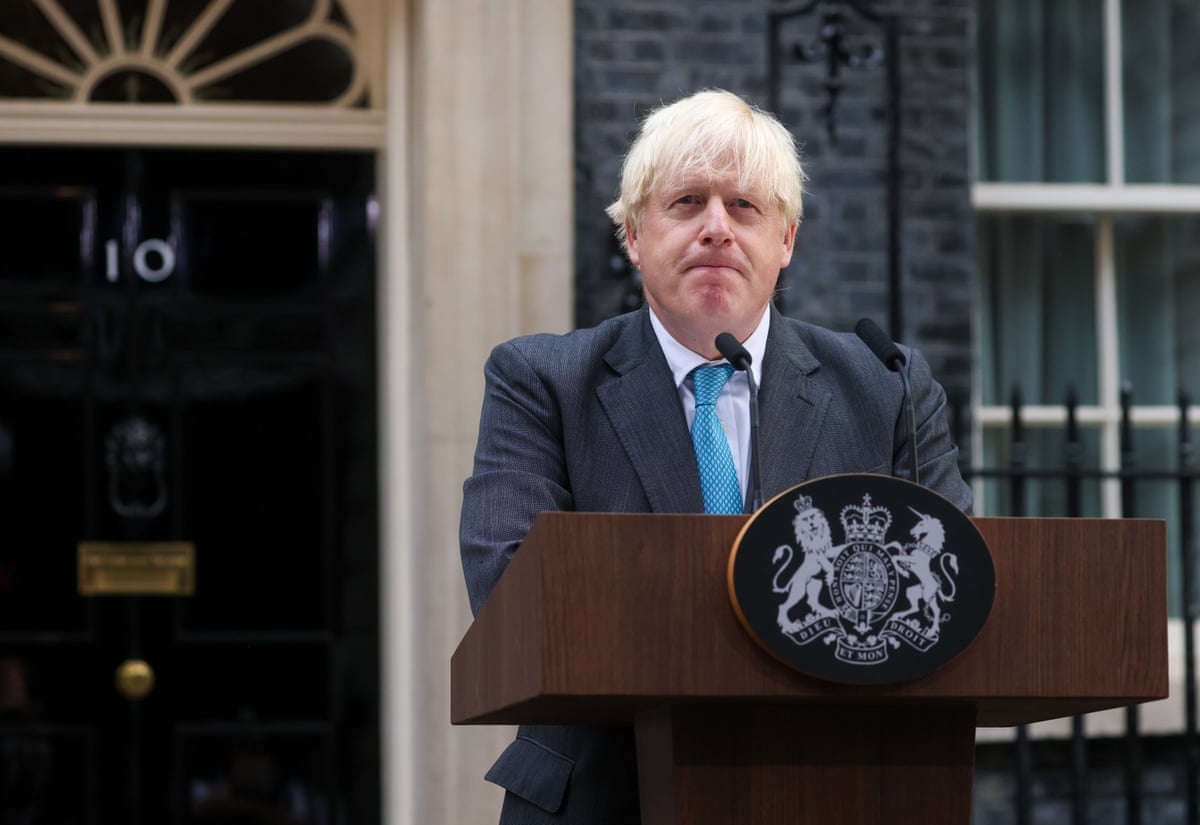
Labour figures can exert public pressure to persuade a leader to resign. The most direct method is for ministers to resign en masse, as occurred with Boris Johnson in 2022, when widespread resignations made governing untenable.
When Anas Sarwar, leader of the Scottish Labour party, called for Starmer's resignation earlier this year, the prime minister’s allies anticipated that cabinet ministers might follow suit. Only after securing public support from every cabinet minister did they consider Starmer’s position secure.
If regional Labour leaders collectively called for Starmer to resign, it would create significant pressure, though less direct than mass ministerial resignations. To date, Sarwar remains the only regional leader to publicly call for Starmer’s resignation.
3. The Men and Women in Grey Suits
Instead of public displays of disloyalty, senior Labour MPs might opt for private persuasion to encourage Starmer to step down.
Similar tactics have been used to quietly remove politicians such as former Tory leader Iain Duncan Smith and Liberal Democrat Charles Kennedy. This approach allows the leader to resign with dignity and on their own terms.
However, given Starmer’s stated intention to remain in post regardless of pressure, it may require intervention from someone very close to him, supported by the threat of multiple resignations, to effect such a change.
4. A Vote of Confidence
Labour ministers attempting to remove Jeremy Corbyn in 2016 encountered a determined opponent. After several ministers resigned in protest following the Brexit referendum, Corbyn replaced them and continued as leader.
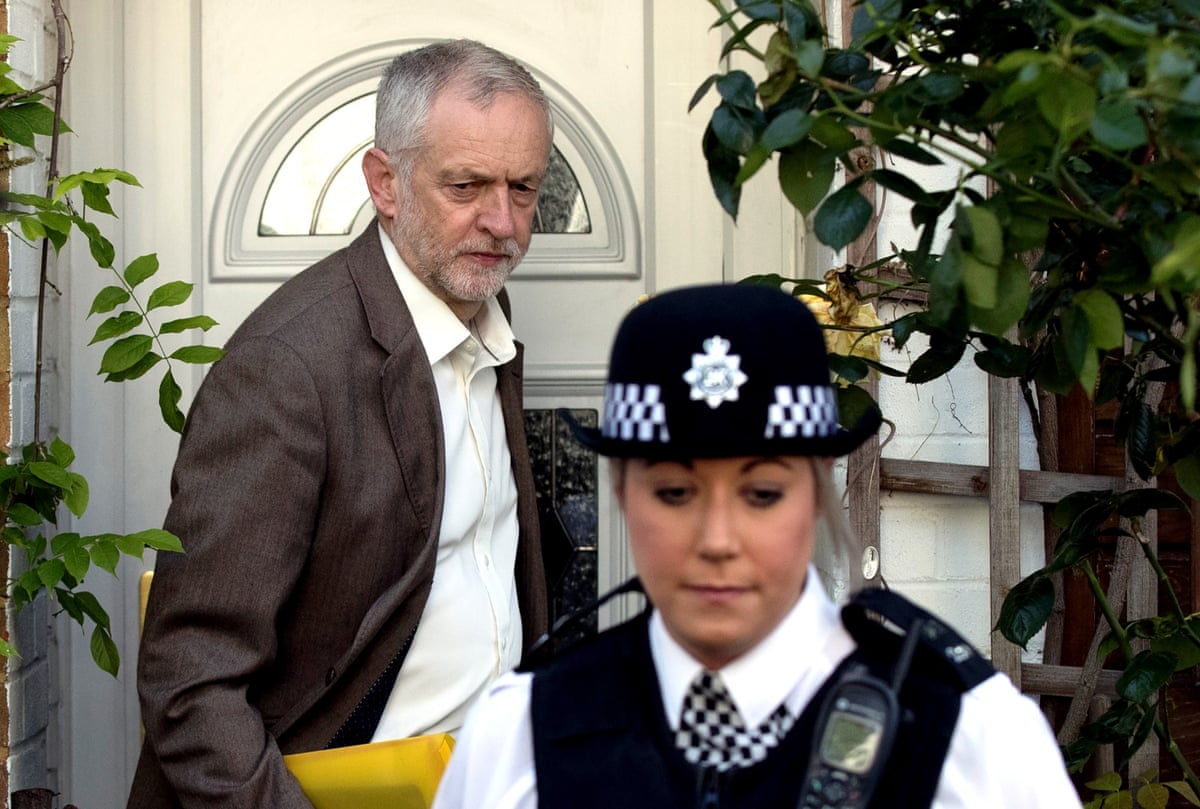
Subsequently, two Labour MPs called for a parliamentary vote of no confidence in Corbyn. The motion was defeated, but Corbyn remained steadfast, refusing to resign.
Eventually, a leadership contest was triggered when Corbyn’s challenger, Owen Smith, secured the required number of signatures. The incumbent leader was allowed to contest the election automatically and ultimately retained his position.
For those opposing Starmer, this episode offers a lesson. A parliamentary vote of no confidence is easier to initiate than a formal leadership election, and if the sitting leader loses, they face significant pressure to resign.
Nevertheless, since such a vote is non-binding, Starmer could choose to emulate Corbyn’s approach and remain in office despite losing the vote.


