

New Forest Cicada Eggs Retrieved from French Military Base
British conservationists have undertaken a mission to a French military base to reintroduce a long-lost singing insect to the UK.
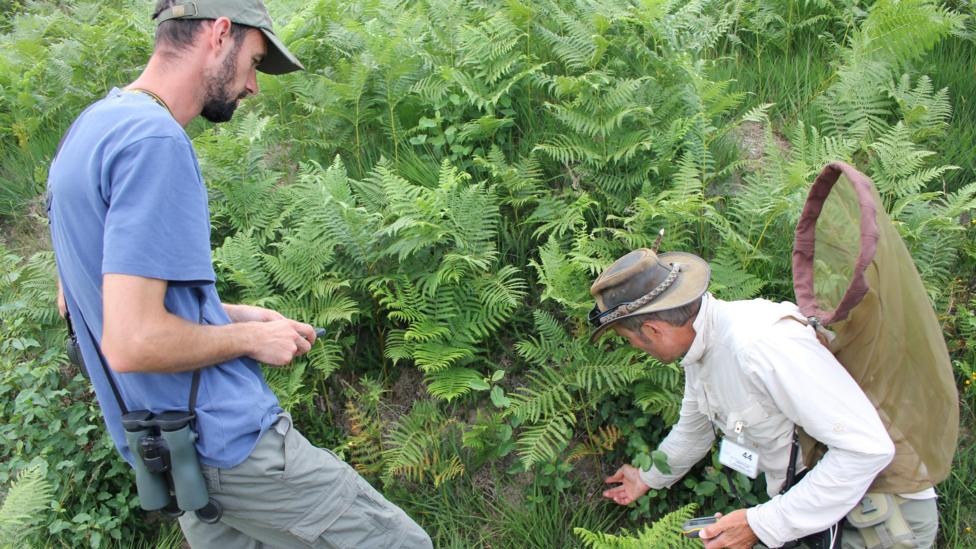
The Species Recovery Trust (SRT) collected eggs of the New Forest Cicada from the Académie militaire de Saint-Cyr Coëtquidan in Brittany and transported them to Paultons Park Zoo in Hampshire.
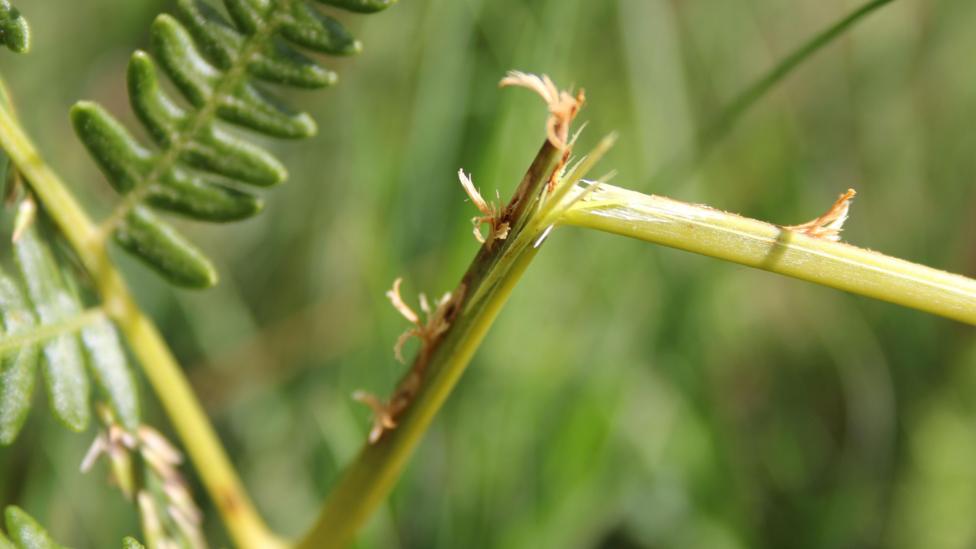
The insect was last observed in the New Forest during the 1990s. Specialist listening equipment was employed to detect the insect in France, where its eggs were found concealed inside bracken stems.
The plant samples were brought back across the English Channel last month, with the objective of eventually re-establishing the species in southern England.
Expedition Details and Habitat Similarities
Pete Hughes, a volunteer with the SRT who participated in the expedition, described the experience:
"It was all very exciting."
"We went creeping around the grounds of this military base using ultrasound detectors to try to hear the male cicadas singing, so it did feel a bit James Bond."
The 5,300-hectare military academy near Rennes features a diverse landscape of woodland and grassland, resembling habitats found in the New Forest.
Researchers collected 20 bracken stems showing scars where female cicadas had deposited eggs inside the plant tissue.
Egg Care and Species Background
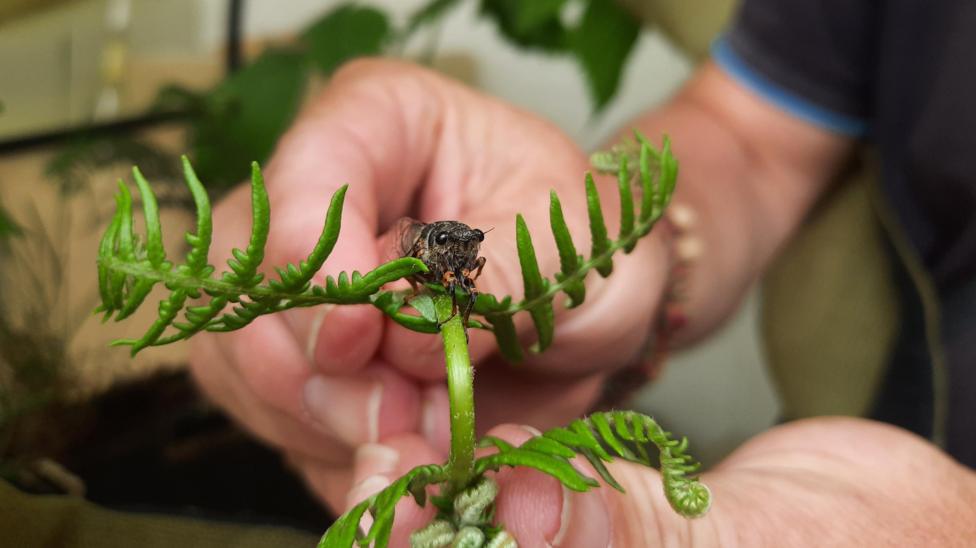
At Paultons Park Zoo, miniature vases were designed to keep the bracken stems alive while preventing any newly hatched nymphs from falling into water.
The New Forest cicada, scientifically known as Cicadetta montana, was once widespread throughout the national park, but the last confirmed sightings date back to the 1990s.

Conservationists believe that changes in habitat management may have contributed to the insect's disappearance.
Although extinct in the UK, the species continues to thrive in parts of mainland Europe.
In 2023, the SRT secured funding from Natural England to investigate the feasibility of reintroducing the insect to Britain using donor populations from continental Europe.
An initial effort last year involved capturing 11 female cicadas in France.
Challenges and Future Plans
Even if the eggs hatch successfully, conservationists anticipate a lengthy period before the insects emerge as adults.
The immature cicadas are believed to spend between four and ten years underground feeding on plant roots before emerging.
Only after this stage can the final phase of the project commence, which involves releasing the cicadas at a carefully selected, confidential location within the New Forest.
Charlotte Carne, programmes manager at the SRT, emphasized ongoing research efforts:
"We're really excited about the project because, by rearing the cicadas in captivity first, we are learning a lot about their life cycle and behaviour, much of which is still a mystery even to experts across Europe."
"We are now able to look forward to a time when we can once again walk through the New Forest in summer and hear hundreds of cicadas singing their hearts out."
Contact and Related Information
Do you have a story BBC Hampshire & Isle of Wight should cover?
You can follow BBC Hampshire & Isle of Wight on Facebook, X (Twitter), or Instagram.
- Singing cicadas return to UK after three decades
- Birdwatchers spot UK's oldest ringed curlew
- Rare fungus spotted in New Forest for first time


