
Vehicle Trackers May Not Guarantee Recovery of Stolen Cars, Experts Warn
Ian Fogg has been unable to retrieve his stolen car despite having access to its live location data and video evidence of the theft.
Experts caution that consumers should not rely on vehicle trackers to recover stolen cars. Car safety organisation Thatcham Research highlighted a "genuine and growing gap" between consumer expectations and the technical capabilities of connected car features.
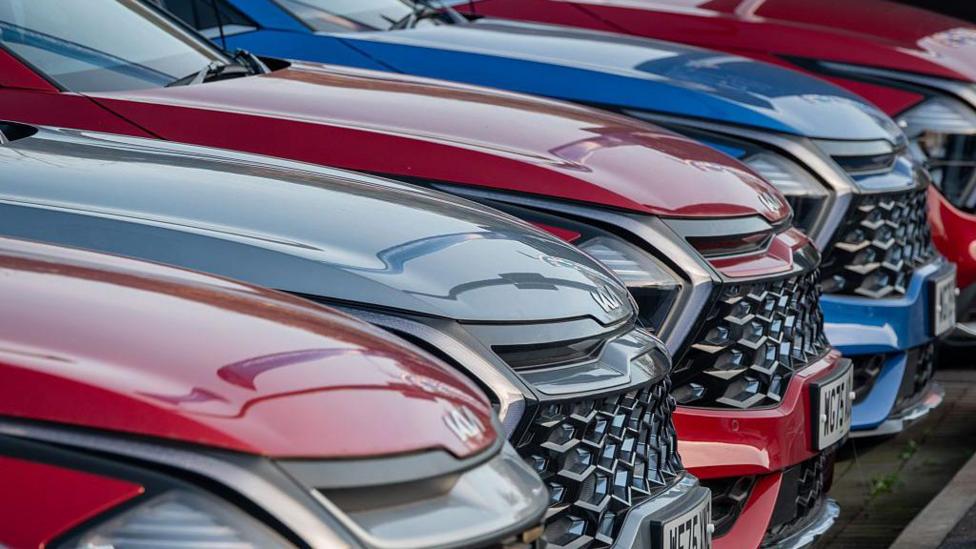
Ian Fogg, a smartphone analyst, reported that his car was stolen from outside his home in March. Although the manufacturer Kia could access the vehicle's live location through the Kia Connect service, the car has not been recovered.
Kia informed the BBC that UK law restricts the use of the Connect function for live tracking of vehicles, advising customers to use it primarily for convenience rather than security purposes.
"This car was incredibly easy to hack but incredibly difficult to track, it shouldn't be this easy to nick a car when they cost an order of magnitude more than a phone and have similar radio technology,"Fogg said.
He possessed video doorbell footage capturing the vehicle being driven away, an Apple Airtag concealed inside the car, and access to the Kia Connect service.
His experience illustrates how technology can promise security but may not be dependable during critical incidents.
Fogg was abroad in March when his phone notified him that he had lost access to the Kia Connect app.
Ian Fogg works as a smartphone analyst
Thieves had broken into the vehicle without the keys and disconnected Fogg's phone via the car's entertainment system.
There exists an unsecured process allowing this disconnection, intended to facilitate new owners taking over from previous ones.
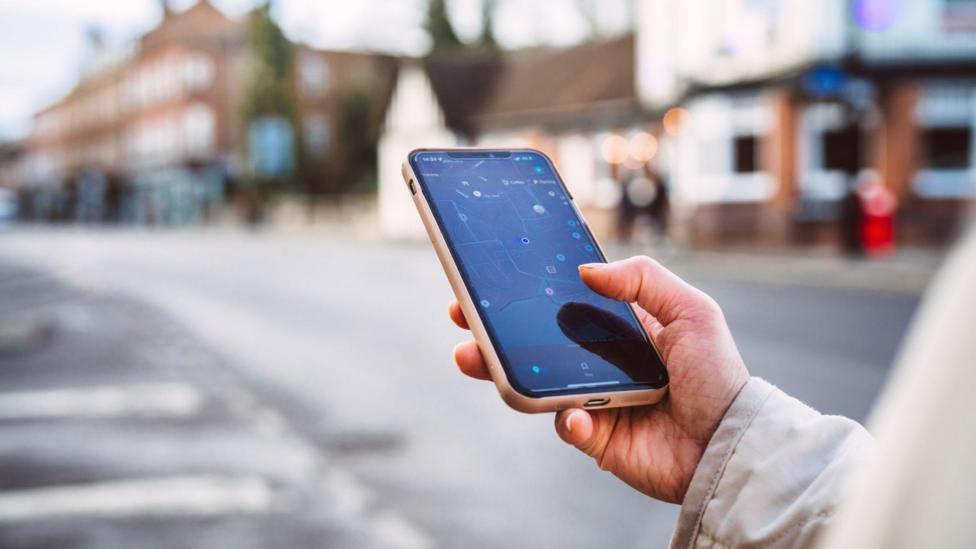
Fogg observed the car being driven away through his video doorbell. For a brief period, he was able to track it using the Apple Airtag hidden inside, until the thieves found and discarded it because it emitted a noise—a feature Apple introduced to combat stalking.
On its website, Kia Connect advises customers to contact the company in case of theft.
However, when Fogg did so, he was informed that he needed to complete a form each time he requested the car's location.
He submitted eight requests, but each time the location information was provided 24 to 48 hours after the car had been recorded at that location.
The last known location of the vehicle was in Lithuania.
"Kia Connect is a customer convenience feature, not a certified security vehicle tracker,"the company told the BBC.
"Therefore, it does not provide live‑tracking functionality for stolen vehicles.
Release of location details of a vehicle via Kia Connect is possible, however this must be done in full compliance with all applicable laws, in particular GDPR, and the authorities to minimise risk to the customer."
GDPR is the European data protection regulation, with a nearly identical version applicable in the UK.
According to the UK's Information Commissioner's Office, individuals have the right to access their personal data, and organisations must respond within one calendar month to requests from identifiable individuals.
In cases of standard vehicle theft, police lack formal powers to demand this data without specific Home Office consent, which is rarely sought, the BBC understands.
Sharing data with law enforcement depends on individual manufacturers' policies.
Kia offers a security vehicle tracking service in the US for rs to its premium package, but this service is not available in the UK or Europe.
Thatcham Research recommends that vehicle owners use independently certified tracking devices.
Fogg expressed surprise at the disparity in security between his car and his phone.
"Both cars and phones include mobile phone radios, satellite location chips, short-range wireless activity and sophisticated software,"he said.
"But while the phone industry has strengthened theft protection measures in recent years, the situation in the car industry is worse."
Thatcham Research advises consumers to select devices that have independent certification as dedicated stolen vehicle tracking products.
These devices should have their own power source and offer genuine real-time location monitoring through a professional monitoring centre.
"These products exist precisely because most connected car apps, however sophisticated, are not engineered to perform the security function that owners may assume it provides."
Nearly 55,000 cars were stolen in the UK in 2025, representing an 11% decrease compared to the previous year. On average, approximately 13% of stolen vehicles are recovered, according to car seller Cinch.
Additional reporting by Philippa Wain.
Related Articles
- My car was stolen. Here are six important things I learned
- Ford rehires human engineers after AI fails to match quality checks
- Nissan accused of dumping its electric car pioneers
for our Tech Decoded newsletter to follow the world's top tech stories and trends. Outside the UK? here.



