

Farage’s Campaign Tour in Essex
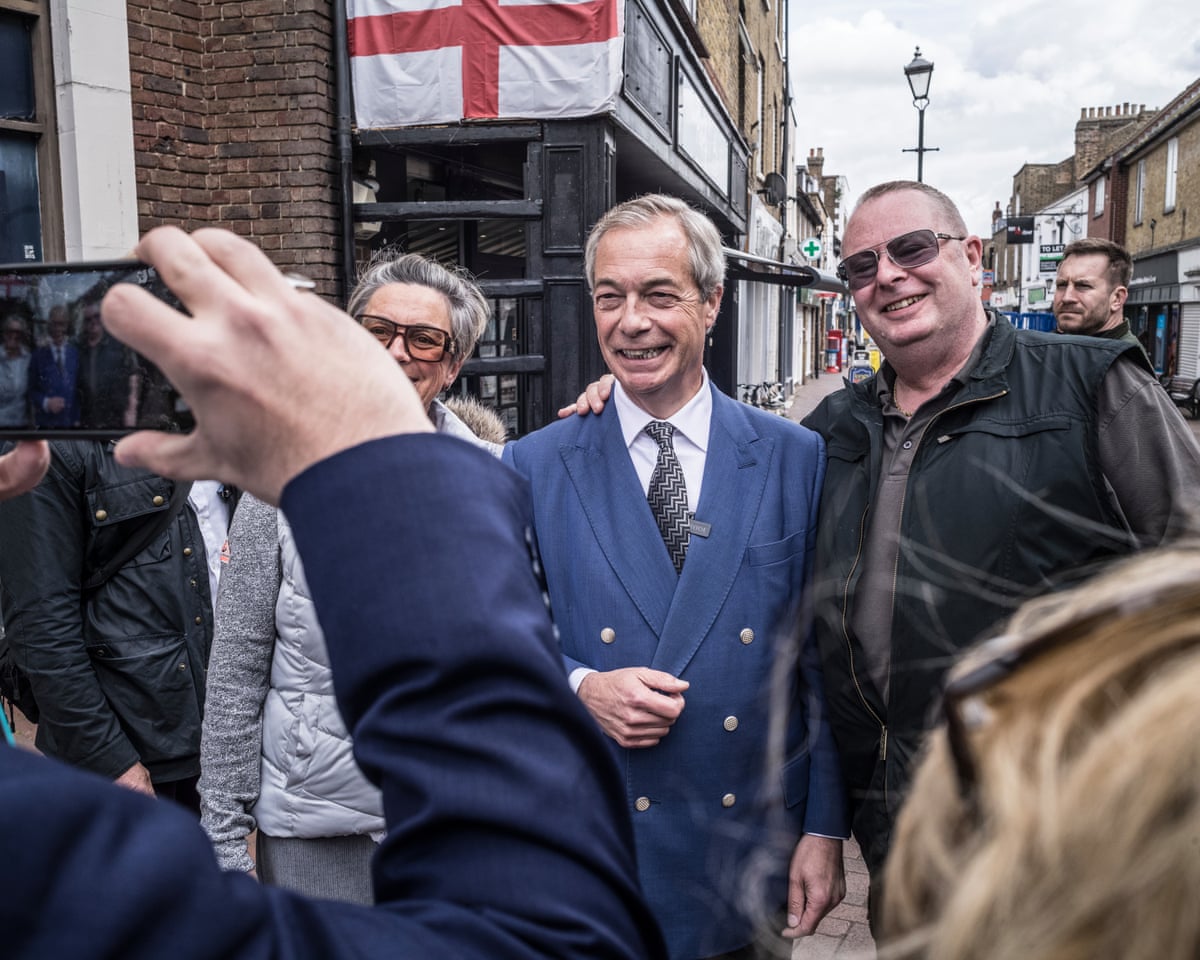
Nigel Farage was midway through his walkabout of Waltham Abbey when a hunting horn loudly sounded on the Essex market town’s pedestrianised high street.
“Oi oiii!”exclaimed the owner of Ouch Tattoos, Rob Chillingworth, putting down the instrument and reaching out a welcoming hand to the approaching Reform UK leader.
For Farage, this was the latest stop in a midweek tour of half a dozen towns in Essex, where more than 1 million county council votes are at stake. Barring breakthroughs in Wales and Scotland, moving from having a single councillor here to taking power would be one of Reform UK’s biggest achievements in Thursday’s polls.
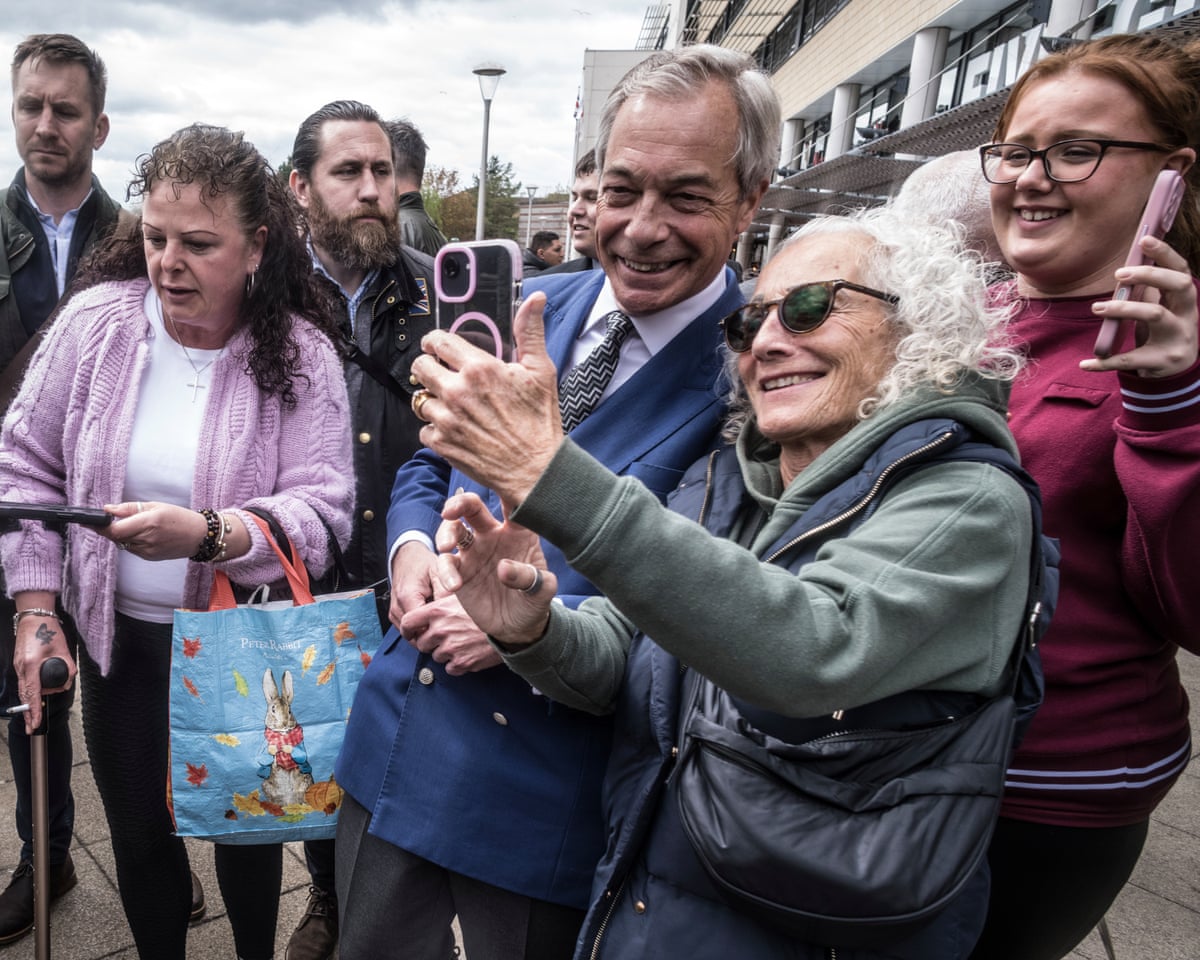
While encounters such as the one between Chillingworth and Farage reflect warmth towards Reform among many here, the campaign in Essex also serves as a demonstration and test of Reform UK’s self-professed professionalisation in ensuring the party maximises its vote turnout more broadly.
Mobilising Support and New Strategies
Mobilising passionate core supporters in traditionally low-turnout polls, as well as repeating a “blue ocean” strategy of casting a wider net for first-time voters and those whom other parties may have abandoned, is where the party’s new machinery and organisation come into play.
Farage-led predecessor parties such as UKIP often faltered, but Reform UK views this set of elections as a showcase for a newer, sleeker approach. This approach combines the energy of an army of activists with new technology and a clinical handling of voter data, which is being harvested with the next general election in mind.
This includes an “air war” — a term used for efforts to gain media coverage and attention through adverts — involving mailshots, leafleting, and targeted Facebook ads, with nearly £100,000 spent on the latter in the last 30 days, according to Meta’s advertising data.
Technology and Data-Driven Campaigning
For the first time in a major election, the ReformGo app will assist thousands of the party’s activists as they knock on doors. While other established parties have long used their own versions to collect data on voters, Reform UK is only now catching up.
“It’s a very comprehensive app and we can see week by week it’s improving, data refinement, ease of usability on it,”said one branch official in Essex.
“People can see the doors they need to knock, list responses – anywhere from ‘I’m voting for you’ down to ‘go away’ or ‘I’d like a garden board please’.”
Activists hope data gathered during the local elections will prove invaluable in shaping Reform UK’s campaign strategy for the next general election.
“The capture of that voter intention data is going to help us going forward,”the branch official added.
Political Significance of Essex
Other Reform UK targets such as Birmingham city council would represent significant wins on Thursday, but few places would be as politically emblematic as Essex, which until recently has been considered Tory heartlands.
At a council level, a win would mark the capture of a local authority where the Conservatives have primarily been the party of power since the council’s foundation in 1974. Aside from controlling a council with a £1.2 billion budget, it would give Reform UK another political foothold — allied to Farage’s Westminster seat in Clacton — in a part of the UK that had some of the highest votes for Brexit.
Victory here would also lay the groundwork for a possible general election challenge to Essex Tory frontbenchers including Priti Patel, James Cleverly, Alex Burghart, and even Kemi Badenoch.
Campaign Operations and Volunteer Efforts
In Reform UK’s gleaming new office in Millbank Tower, volunteers from around Britain take turns staffing phone banks. Their call lists are informed by another app, ReformPro, which is used by senior activists canvassing in Essex, Birmingham, and northern towns and is more closely integrated with electoral register data.
“We have to broaden our vote and the app is a big step towards doing that,”Farage said, pausing in Waltham Abbey after a visit to a pie and mash shop before a meeting that night with 80 local candidates.
Inspiration and Learning from Other Parties
Reform UK has previously been compared to Italy’s Five Star Movement, a pioneer of digital, anti-establishment populism, but Farage has recently pointed to an unlikely source of campaign inspiration: the Liberal Democrats.
“They’re really, really good at picking an area and saying ‘right, this is good for us,’ and then they’re very ruthless about their data, how they manage it, how they protect it,”Farage said.
“It’s the Paddy Ashdown school of thought. When you win significant local representation, you build upon that and then target areas for the general election.”
Gawain Towler, a Reform UK board member, said the party was learning from past mistakes.
“If things are not working well then it’s getting picked up much faster. In a place I was in recently, the Labour letter was arriving two days late for postal voters. We used to make that error,”he said.
Concerns Over Candidate Vetting and Public Image
However, critics of Reform UK’s claimed professionalisation highlight ongoing issues with the party’s vetting process. There has been a steady stream of allegations concerning candidates making racist or offensive comments in the past.
The latest batch of Reform UK candidates singled out by Hope Not Hate included individuals who had called for a “white Britain” and said Keir Starmer should be shot.
“The amount we have found has astonished us,”said Joe Mulhall, the organisation’s director of research.
“Despite what they say about their professionalisation, clearly they continue to have a systematic problem.”
While Reform UK may have improved its targeting of voters, gaps remain once candidates reach the doorstep. Candidates are able to answer questions about immigration policy but are less knowledgeable on health policy, a situation not helped by the absence of a frontbench spokesperson on the topic.
“They’ve beefed up their press team and are good at making a splash,”said a spin doctor from a rival party.
“But when it comes to, for example, negative stories about their candidates, it’s not clear what they are doing. Sometimes they seem to want to rebut allegations. At other times they only eventually get there, or try to pretend it’s not happening.”


