
Labour Faces Pressure Over North Sea Oil and Gas Licences
Ed Miliband is confronting a challenging situation as Reform UK advocates for new oil and gas licences in the North Sea to reduce fuel bills, gaining support not only in the media but also within certain political circles.
Labour, which secured power on a green-focused platform—much of which has since been abandoned—originally emphasized prioritizing renewable energy over fossil fuels. Fresh exploration in the North Sea contradicts the party’s principles, especially those of Miliband, whose career has been defined by persistent efforts to combat climate change through legislation. Nevertheless, Nigel Farage intensifies pressure by framing the debate as a struggle between the common people and elites, suggesting the "wokerati" disregard the cost of living crisis while the hard right offers solutions.
The ongoing conflict in the Middle East strengthens Reform’s narrative by heightening fears of scarcity and unpredictability, fostering a desire for energy independence from volatile global markets. The oil supply crunch has yet to fully impact prices, as much of the current oil was extracted before recent conflicts escalated. As prices rise and another cost of living crisis unfolds—triggered by an autocratic leader—public sentiment grows that the government should have acted more decisively to prevent the situation. While Reform and Farage may not be blamed for the crisis, their influence shapes the national conversation significantly.
This strategy is already influencing public opinion. Recent polling indicates that more people support new North Sea licences (38%) than oppose them (33%). Observers closely monitor Miliband’s actions, particularly his choice not to attend the upcoming renewables transition conference in Colombia, a forum the UK has historically supported. This decision fuels speculation about whether he might reconsider his opposition to North Sea drilling, a move that would damage his public image.
The secretary of state for energy security and net zero faces similar challenges to those confronting the home secretary: how to address right-wing pressure? Should they acknowledge "legitimate concerns" and respond with diluted proposals? The effectiveness of such strategies is questionable, as seen in the home secretary’s anti-migrant rhetoric, which has strained party unity and contributed to Labour’s declining poll numbers. Although the situations of Miliband and the home secretary share some parallels, the issues of drilling and immigration differ substantially, aside from both involving maritime contexts.
The Conservative government initiated a licensing round in October 2022, provoking strong opposition. Even then, before any oil crisis or Reform’s rise, this was largely symbolic rather than practical. The North Sea is an unattractive investment opportunity; only about a quarter of the blocks offered received bids. Free market advocates blamed the 2022 windfall tax, but this criticism is unconvincing given energy companies’ record profits amid the war in Ukraine and their reluctance to invest was not due to financial distress.
Therefore, if Labour were to announce new licences now, the immediate effect on energy bills would be negligible, with only minimal medium-term impact. Production from new wells would take five to seven years to commence. Even if UK-produced energy could be reserved for domestic use—which is not feasible—it would not alter the fundamental market structure where costs are globally linked. Rising global oil prices directly increase domestic energy prices; extracting limited North Sea resources years later would have little effect.
The effective approach to shielding households from price volatility and reducing political instability involves separating the energy market into clean and fossil fuel sectors. Greater investment in renewables would immediately lower bills and contribute to long-term climate goals. The global context supports this narrative: energy independence, resilience, and sustainability depend on wind, solar, and hydrogen, which has been underutilized. This moment aligns environmental responsibility with economic benefits and political strategy. The North Sea’s role is declining, while wind power is expanding. UK wind and solar capacity has increased since the Middle East crisis began, according to Carbon Brief.
The real question is why this issue is considered a dilemma. There is no scenario where Miliband can appease Reform’s concerns by endorsing a nostalgic but ineffective fossil fuel strategy. Muting commitments to renewables or promising energy price caps is politically equivalent to waiting out the crisis without addressing root causes.
The only way to withstand upcoming cost of living pressures and far-right challenges is to improve political messaging by telling an honest story and advancing practical, radical solutions. Farage’s emphasis on oil is unfounded; Labour need not abandon its principles to respond.
Zoe Williams is a columnist
Newsroom: On Thursday 30 April, Gaby Hinsliff, Zoe Williams, Polly Toynbee, and Rafael Behr will discuss Labour’s challenges from the Green party and Reform UK, and Keir Starmer’s leadership prospects. Tickets are available online.
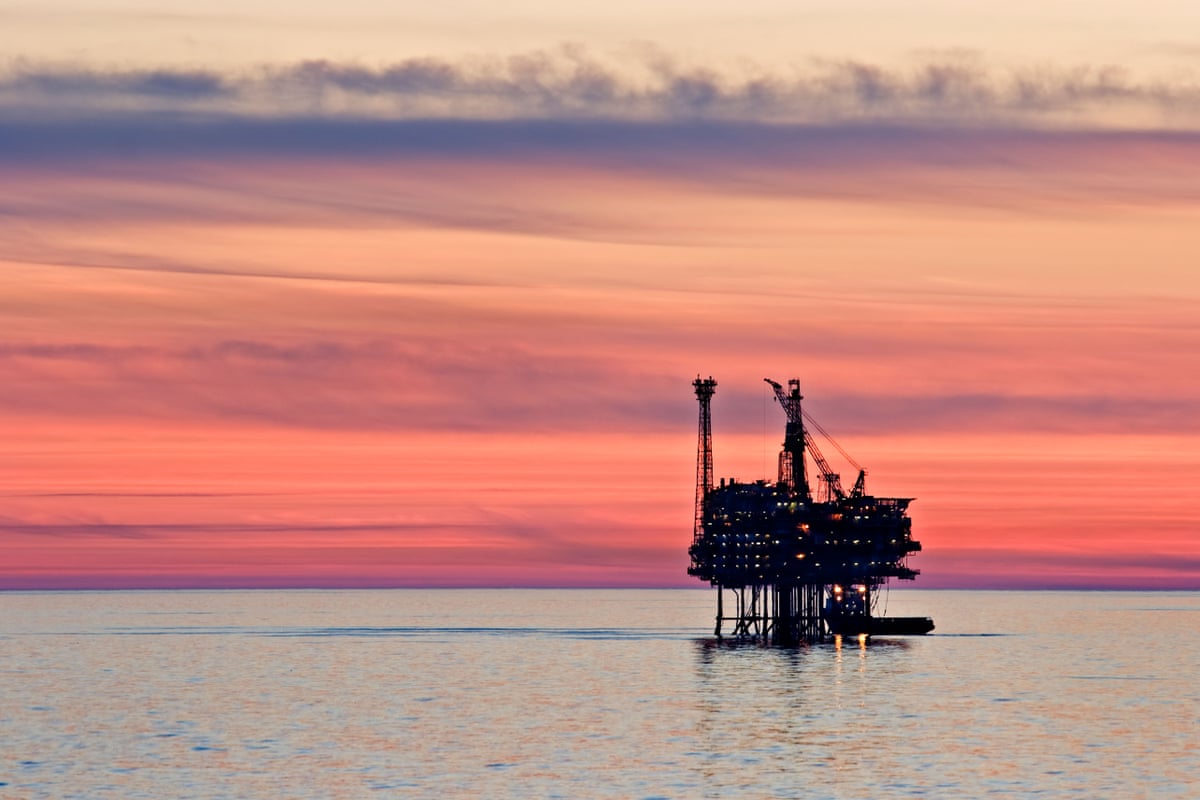
The Forties Bravo oil platform, located 110 miles east of Aberdeen in the North Sea. Photograph: Allan Coutts/Alamy


