

Widespread Arrests in Romance Scam Investigation
Dozens of suspected scammers involved in romance fraud have been arrested following an investigation by specialist financial crime units that uncovered organised criminal networks operating across the UK and Nigeria.
In one of several raids conducted this month, police detained a man in the Midlands suspected of selling personal banking information online and facilitating fraud through money laundering. Authorities seized two Rolex watches and £3,000 in cash from his residence.
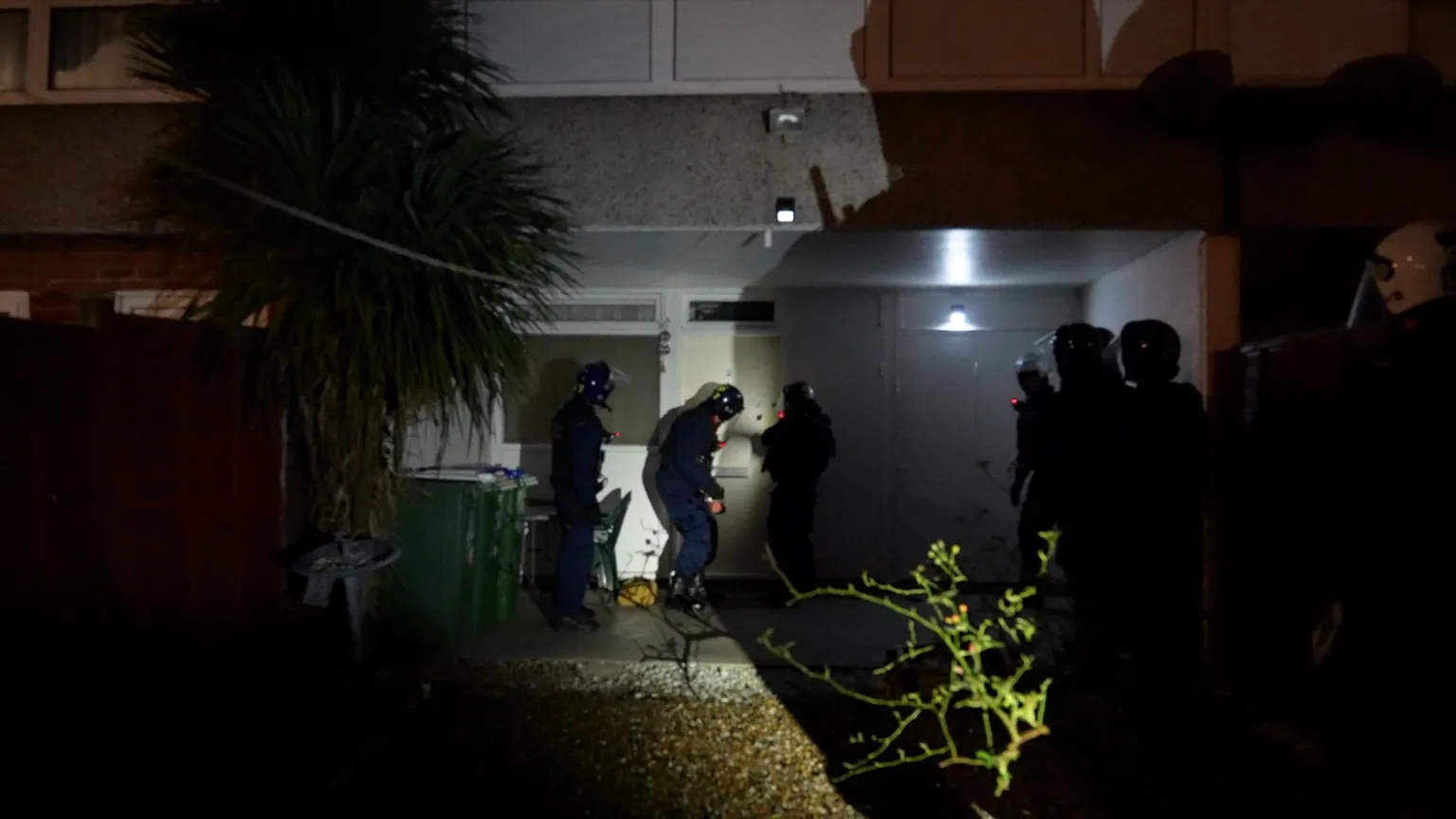
To date, 31 arrests have been made across Europe and Africa as part of Operation Seraphim.
was granted exclusive access to the City of London Police operation, which involves the Cyber Defence Alliance (CDA), a financial crime unit, working in coordination with the National Crime Agency and the Nigerian Police Force's cybercrime team.
Nature of the Fraud and Victim Experience
Many individuals arrested are suspected of engaging in romance fraud, a scheme where perpetrators cultivate relationships over months before persuading victims to transfer money.
Kirsty Guest, a florist from North Yorkshire, is among hundreds of victims defrauded by romance scammers in recent years. After a difficult marriage, she met a man named "Patrick" on a dating app, and over several months, they developed a romantic relationship.
"He built a rapport with me. There was no rush," she recalls. "He explained about things in his childhood, we spoke about places where he'd lived, he spoke about where I'd lived. So, there was no real sense that this was going the wrong way for me, there were no red flags."
Guest describes the excitement she felt receiving messages and phone calls from him.
"It did make my day," she adds. "Then, while he said he was on a business trip abroad, she had a worrying call."
"He said he'd been in an accident. I'm the kind of person that would help anyone. When he said that, I just wanted to help him. I wanted to make everything right."
"Patrick" provided his bank details so Guest could assist with financial transactions. Upon reviewing the account, she noted he appeared wealthy. However, he soon requested money to cover expenses while recovering from the accident.
Guest was ultimately deceived into transferring over £80,000 to his account and those of his associates, who were likely acting as "money mules."
Efforts by Cyber Defence Alliance and Law Enforcement
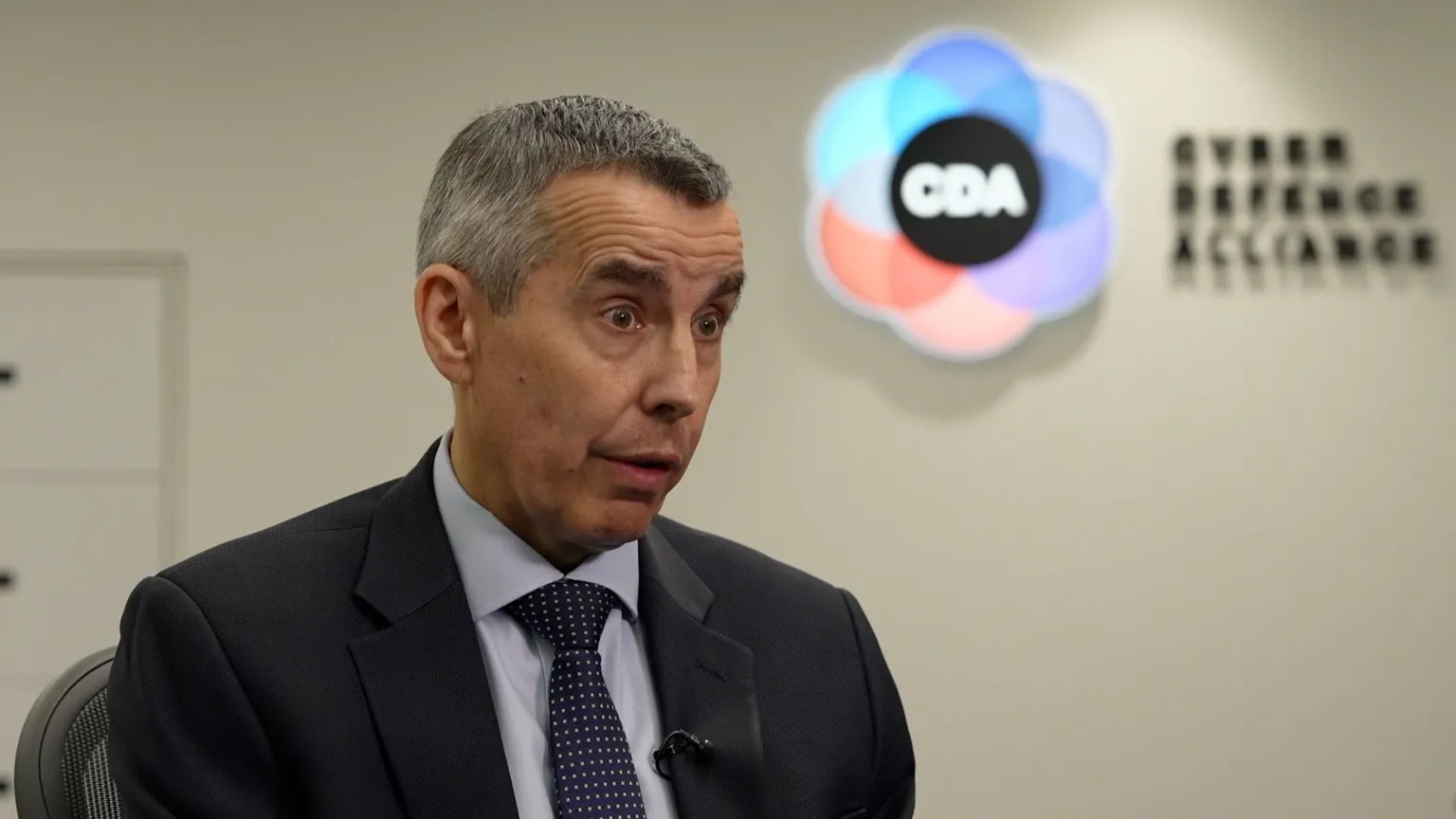
"These are not just gentlemen thieves, confidently swindling us of a few pennies here and there,"says Craig Rice, head of the CDA.
"They're ruining lives and creating misery."
Rice's team, composed of experts from intelligence services, law enforcement, and finance, collaborates with police to combat fraudsters responsible for costing banks millions in customer repayments.
Funded by 11 major banks, the CDA has operated covertly for nearly a decade but permitted exclusive access earlier this year.
The unit identifies scammers online by detecting patterns in banking data and employs automated software to monitor social media messaging boards.
To prevent criminals from evading capture, some investigative methods remain confidential.
Rather than solely responding to victim reports, investigators proactively target organised fraud networks that share scamming techniques or provide illicit software and services, including fake bank websites, stolen account details, and money laundering operations.
Many criminals, using anonymous usernames, openly discuss their methods on social media and share detailed guides on executing scams.
Operating from a secure facility in Canary Wharf, the fraud squad compiles evidence dossiers that are forwarded to police forces to assist in suspect apprehension.
This approach has led to approximately 500 arrests, enabling investigators to disrupt criminals like "Patrick" more effectively and swiftly.
Impact on Victims and Ongoing Challenges
Even after reporting to police, Guest received a call from the fraudster apologising and professing love, attempting to manipulate her into sending more money.
Eventually, she severed contact in anger and frustration.
"I was angry because I knew what I'd just done,"she states.
"I was angry because I knew that I'd lost everything. I was ashamed at who I'd become."
Guest emphasizes that she was groomed by a skilled manipulator.
"They are professional and they are making massive volumes of money,"she adds.
"They're intelligent in what they're doing."
Detective Inspector Joel Gregory of the City of London Police's Intelligence Development Team highlights the importance of collaboration.
"The scale and complexity of online fraud means no single organisation can tackle it alone, but through this joint effort we've been able to identify offenders, build intelligence and take coordinated action,"he says.
"This has been a significant team effort across multiple agencies, and it sends a clear message to those involved in fraud that we are actively monitoring these spaces and will take action to disrupt and pursue them."


