

Cathy MacIver from AOC Archaeology is leading the excavation at Sprouston, where an archaeological dig is hoping to uncover more secrets from a farming enclosure older than Stonehenge. The site was first spotted from the sky as crop marks in the 1970s, and earlier surveys near the village of Sprouston in the Borders have identified buildings and ditches believed to date from early Neolithic times through to the medieval period.
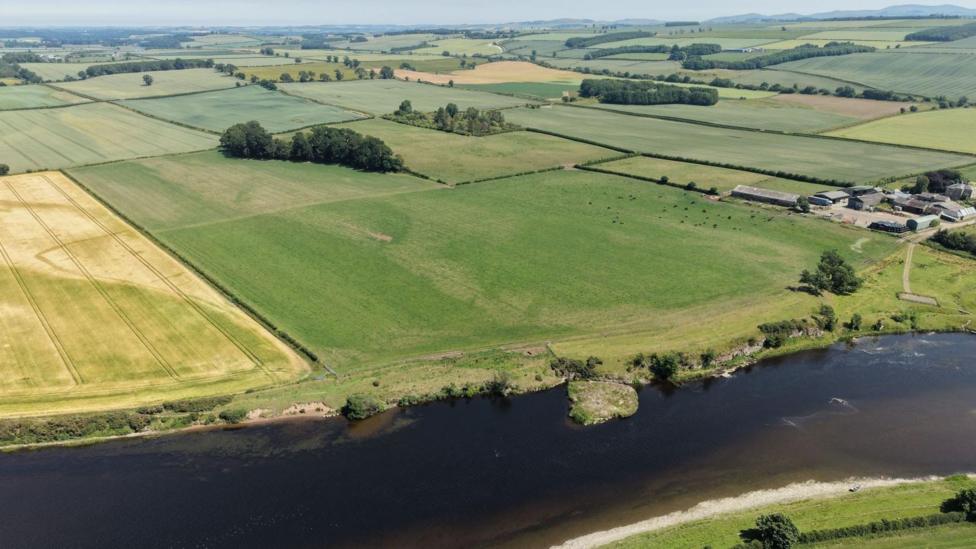
The possibility of locating the world's northernmost causeway-accessed Stone Age settlement is exciting experts the most. Archaeologist Cathy MacIver said the feature under investigation could be an exceptional monument if the interpretation proves correct.
"If the proposed interpretation of this feature as a causewayed enclosure is correct, this would be the most northerly example and an exceptional monument."
What is being excavated at Sprouston?
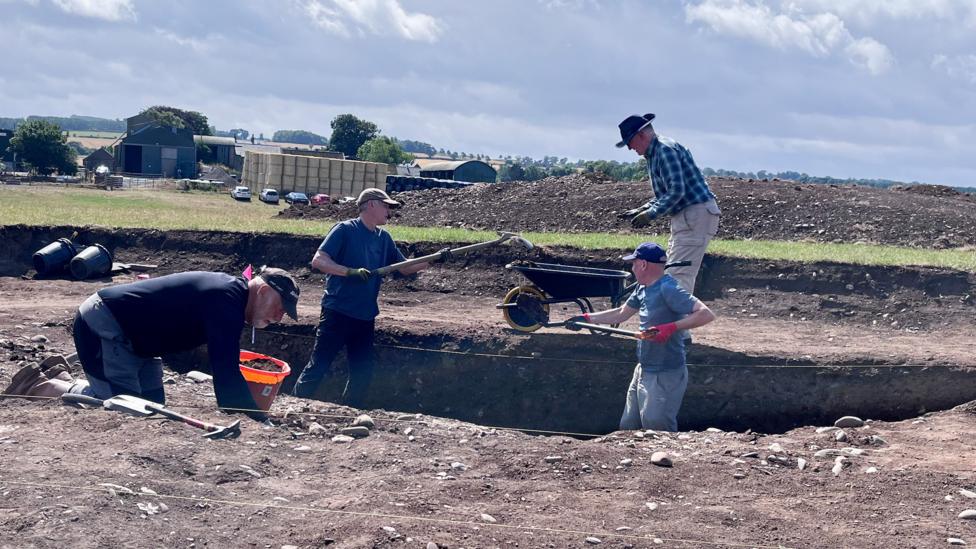
The dig is taking place over three weeks on the banks of the River Tweed. The main feature being investigated is a segmented enclosure ditch, which archaeologists say has been proposed as an early Neolithic causewayed enclosure.
The Neolithic period began in what is modern-day Scotland about 6,000 years ago, when farming communities arrived from continental Europe and replaced the hunter-gatherer way of life. They introduced domesticated crops and livestock, and began constructing permanent homes and enclosures.
While many other buildings dating from the Neolithic period have been identified and excavated across Scotland, the discovery of a causeway-accessed enclosure would lead to a rethink over Stone Age farming advancements and people distribution.
"It's been proposed to be an early Neolithic causewayed enclosure - you get loads of them down south, but if this is proved to be early Neolithic then it would be the most northerly example yet.
"We know we have early Neolithic activity across Scotland with early farmers moving into the area and clearing areas of woodland.
"What this would add is an understanding that these causeway enclosures aren't something that's really limited to the south and that the same practices were also coming north over time."
What else has been found at the site?
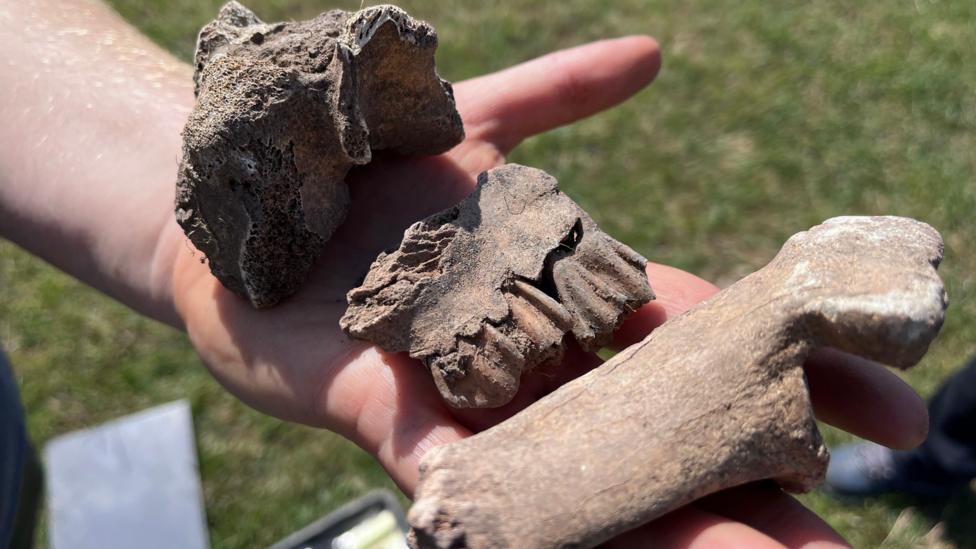
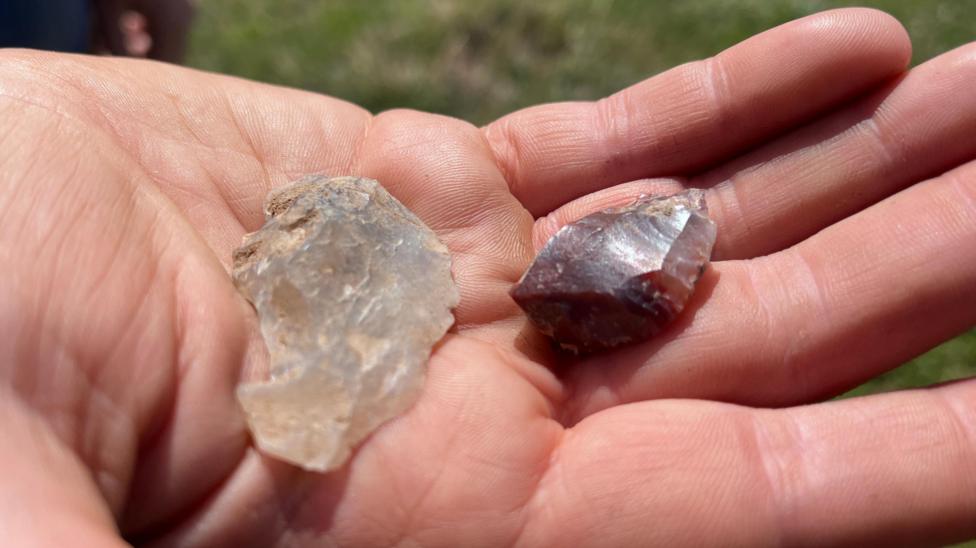
Animal bones with signs they had been butchered have been found in one pit, and Mesolithic cutting blades which date back around 6,000 years have also been unearthed.
Crop marks were first identified on the riverside fields at Sprouston in the 1970s. Further aerial imagery and geophysics surveys have been conducted more recently, and have confirmed beneath-the-surface structures and soil anomalies.
As well as the possibility of hosting a 6,000-year-old Stone Age enclosure, it is expected the dig will uncover remains of Iron Age and medieval ditches and buildings.

During the first week of excavations, the Sprouston dig has unearthed 8,000-year-old Mesolithic cutting tools, early Neolithic scrapers, an Iron Age stone weight, bones from butchered animals and even an unidentified copper-alloy coin, believed to date from the Roman period.
Once the excavation has concluded, several months of dating and analyses will follow to help build up the picture of human life on the banks of the Tweed at Sprouston over the past eight millennia.
The findings will also feed into a wider Destination Tweed project, involving five other archaeological sites along the river.
How does this fit into the wider Destination Tweed project?
Charlotte Douglas, project officer for Destination Tweed, said the site appears to have been attractive to communities over a long period and that the project is helping to build a broader picture of the river landscape and the people who lived there.
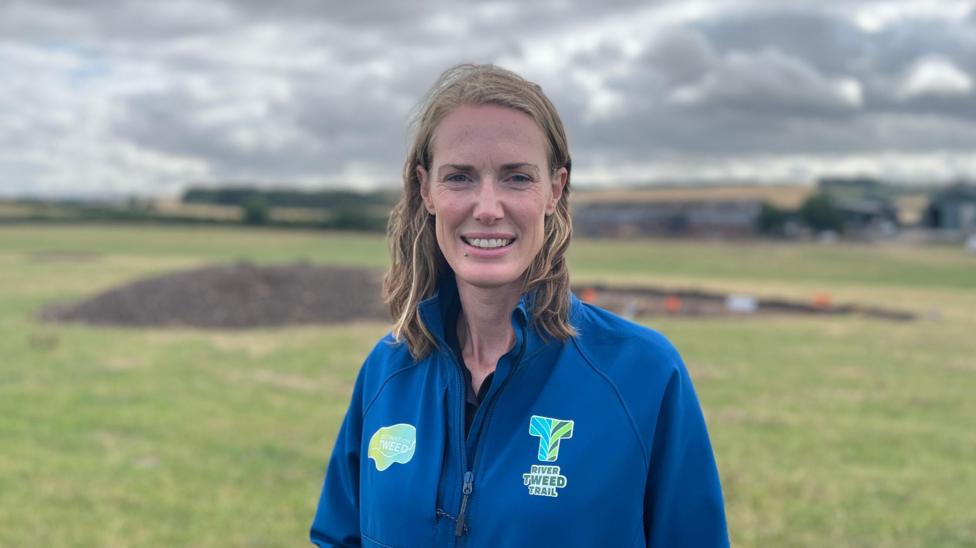
"It's a very wide timescale that they're investigating here at Sprouston - several thousand years worth of activity.
"You can tell it must have been a very appealing place to live in the past so communities have repeatedly chosen to settle at this spot on the bend of the river.
"Destination Tweed has carried out a number of excavations, geophysical surveys and other sorts of work all along the river to be able to put together a really interesting insight into the landscapes and the communities who've lived here.
"It will allow people to appreciate the area even more, not just recent history but prehistory going back thousands of years."
While other Destination Tweed excavations have already unearthed insights into life along the Borders river since the Stone Age, the Sprouston dig is the first on an already recognised scheduled monument. Historic Environment Scotland is one of the project's backers.
Dr Susan O'Conner, from Historic Environment Scotland, said community-based archaeology initiatives are important for understanding and sharing Scotland's history.
"These community-based archaeology initiatives are vital for improving and sharing our understanding of Scotland's history."
Listen to news for the Scottish Borders on
Who is taking part in the excavation?
About a dozen volunteers have joined archaeologists at the Sprouston site for the three-week dig, including the chair of Kelso Heritage Society, Colin Henderson.

"This a very significant site and it's also an area we walk past all the time.
"There's a lot of answers to be found in the pits we're digging to allow us to know what was here so many centuries ago."
Key Facts
- The dig is taking place at Sprouston in the Borders on the banks of the River Tweed.
- The site was first spotted from the sky as crop marks in the 1970s.
- Finds so far include Mesolithic cutting blades, early Neolithic scrapers, an Iron Age stone weight, butchered animal bones and a Roman-period copper-alloy coin.
- The excavation is part of the wider Destination Tweed project, which includes five other archaeological sites along the river.
- About a dozen volunteers are helping archaeologists during the three-week dig.


