Deaf Voter Feels Excluded in Senedd Election
As discussions intensify ahead of Thursday's Senedd election, Amy Warrington, who is deaf, expresses feelings of exclusion. Although all six major political parties published manifestos in English and Welsh, only one party provided a full-length British Sign Language (BSL) version simultaneously.
This situation arises shortly after the Welsh government passed legislation aimed at promoting BSL for approximately 900 individuals in Wales who depend on it for communication.
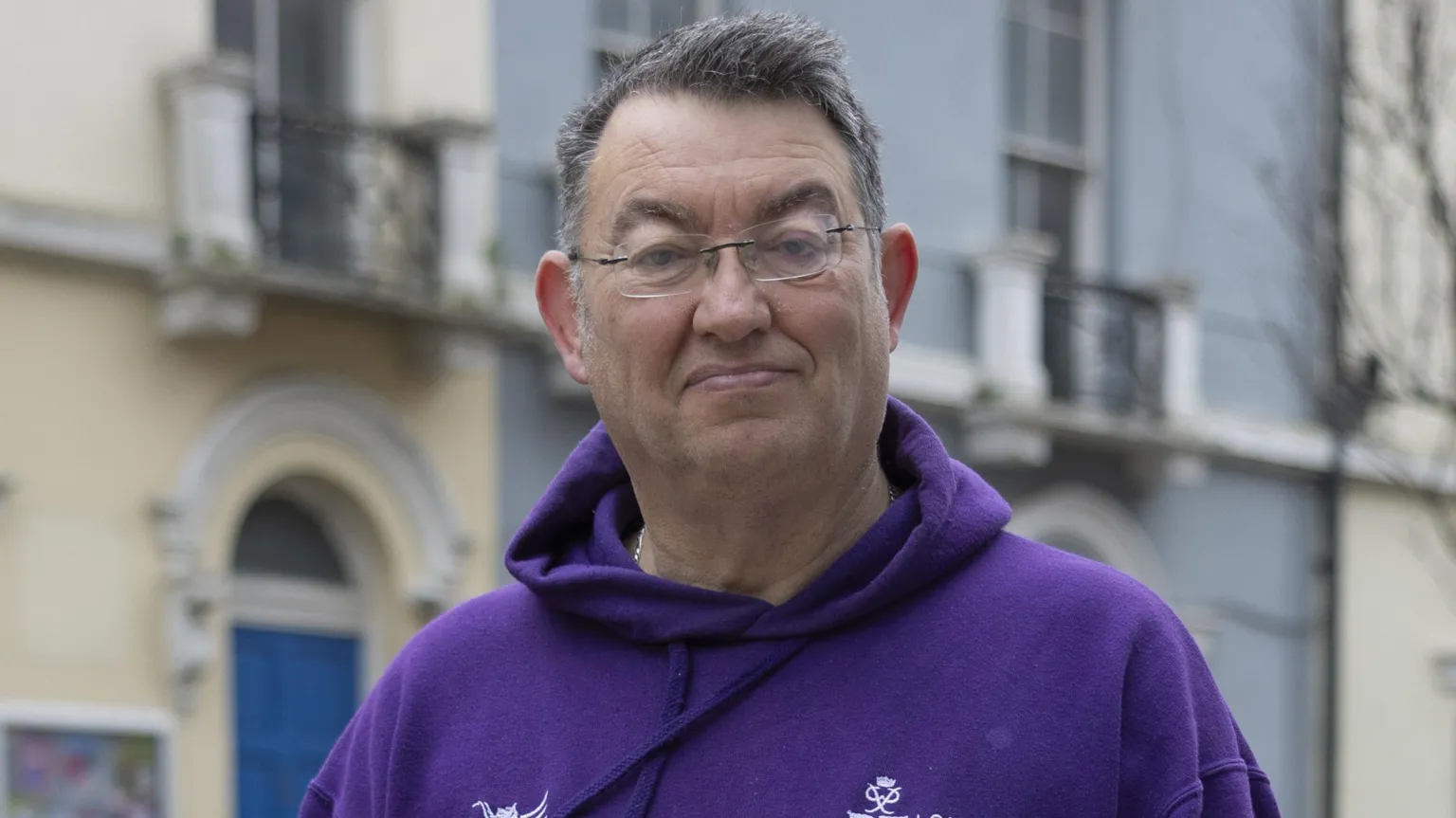
"The lack of BSL manifestos makes me feel overlooked and excluded,"
said Amy, 25, from Penygroes, Gwynedd.
BSL has been officially recognized as a language in Great Britain since 2022 and is Amy's first language. It plays a crucial role in her communication, and without access to BSL materials, understanding complex subjects such as politics becomes challenging.
"If BSL manifestos became more common, I would definitely feel more engaged in politics,"
Amy added,
"I would be more likely to follow, understand, and take part in political discussions and decisions.
Providing BSL versions of manifestos isn't just an extra, it's essential for true accessibility and inclusion."
Plaid Cymru is the only party to have released a full-length BSL manifesto concurrently with their Welsh and English versions.
The Welsh Conservatives, who were instrumental in passing the new Senedd BSL (Wales) legislation, published a nine-minute summary of their manifesto in BSL. However, this was released nearly two months after their Welsh and English versions and three days after the voter registration deadline.
Welsh Labour did not make a BSL manifesto available until early May. BBC Wales requested one on 24 March and found it was published on 3 May, just five days before the election.
The Wales Green Party, Welsh Liberal Democrats, and Reform UK have not released any BSL manifestos.
"It sends a message that deaf people are not being fully considered or prioritised when it comes to political communication,"
Amy added.
Why Are BSL Manifestos Important?
British Sign Language is a visual language with its own grammar and structure, distinct from English or Welsh. Consequently, reading English is akin to reading a second language for many BSL users.
"People often say you should lip read, but it's mentally exhausting and it's really not very accurate,"
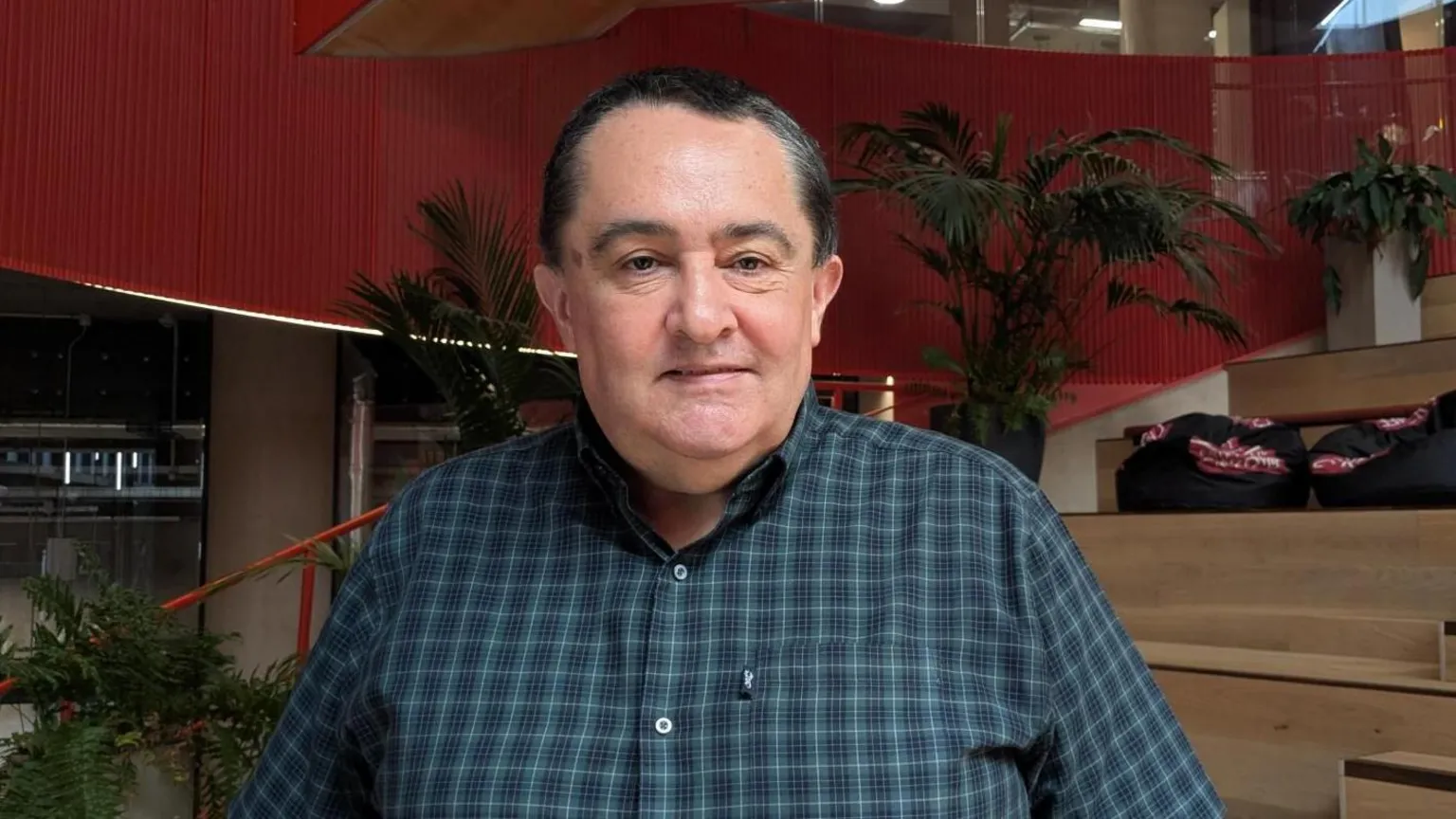
said Stuart Parkinson, who has congenital progressive deafness and no hearing.
"I think as a Deaf community, we deserve the same information, not a reduced amount.
We should be treated equally. What does democracy mean if you don't have access to it?
BSL is me, it's part of my identity and nothing should take that away."
In March, Stuart from Cardiff and the deaf community celebrated the passage of the BSL (Wales) Bill, which received unanimous support in the Senedd. This legislation mandates that government and other bodies promote, support, and facilitate BSL in Wales.
It's not only the political priorities that require explanation in BSL but also the 2026 Senedd election itself, which features new constituencies and a new voting system.
Martin Griffiths from the British Deaf Association has been conducting workshops across Wales to explain these changes to deaf clubs.
"There are some deaf signers who have good skills in English but many would prefer the information in BSL but would be able to use English as a second option,"
he said.
"The majority of what we call typical or grassroots deaf BSL signers struggle with English.
It feels as if the euphoria of this historic BSL (Wales) Bill passing through has perhaps been slightly deflated. People are thinking 'here we go again, we've been left out'.
What we found was that approximately eight out of 10 people who attended suggested that they weren't going to register to vote or if they were registered they weren't going to vote. This was very disappointing."
According to the 2021 Office for National Statistics census, 891 people in Wales use BSL as their primary communication method. However, organizations working with the Deaf community estimate between 5,000 and 7,000 BSL users in Wales.
A group supporting the Deaf community in Wales explained why some deaf individuals cannot rely solely on written manifestos.
"Deaf people face barriers to English due to a combination of factors - English being a second language in the same way as Welsh to English is,"
said Alison Bryan of the BSL Wales Consortium.
"Language deprivation and the lack of early language exposure for a critical window during childhood which impacts language development for spoken languages.
Deaf people consume information visually from birth so visual languages fit in with that."
The Welsh Conservatives, who initiated the British Sign Language Bill in the Senedd, stated they "worked with the British Deaf Association to deliver a BSL version of the manifesto," although it was a nine-minute abridged version.
Welsh Labour, which provided a BSL version of their Senedd election manifesto upon request, said it "proudly supported the recent BSL Bill in the Senedd... and if re-elected, we would work towards its obligations."
Plaid Cymru, the only party to produce a full BSL manifesto, stated,
"No-one should face barriers to democratic participation."
Reform UK did not produce a BSL manifesto but said it would "continue to be committed to engaging with the deaf community, having voted in favour of the British Sign Language (Wales) Bill."
The Welsh Liberal Democrats and Wales Green Party have also been approached for comment.