

Stormont officials will have legal powers to spend up to 95% of last year's funding from Saturday as a deadline passes without an Executive budget. The automatic limit is triggered at the end of July under public finance laws if a budget has not been agreed.
In theory, it will cap departmental spending at 5% below last year's level. In practice, actual 5% cuts are highly unlikely, as the Northern Ireland secretary can ultimately step in and pass a budget through Westminster.
That scenario unfolded in both November 2017 and November 2022 during previous political deadlocks. It will nonetheless make the management of public finances more difficult as officials will be uncertain about exactly how much is available to spend.
Executive ministers are continuing to push the Treasury for additional funding they say is needed to deliver a viable budget. There had been hope that Stormont could agree a multi-year budget in January for the first time in more than 10 years.
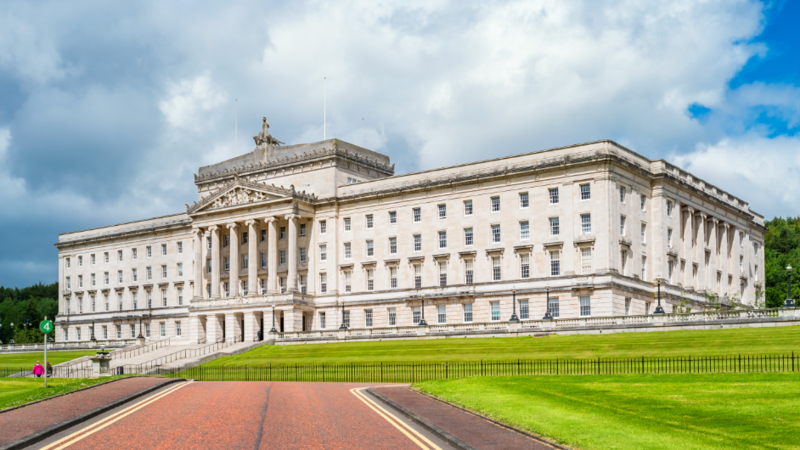
That did not happen and a one-year budget was also not agreed. As a result public services in Northern Ireland have been operating with contingency budgets since the start of the financial year in April.
Stormont ministers say the funding they are set to receive from Westminster is not enough to deal with inescapable financial pressures, such as public sector pay deals. Their main argument is that Northern Ireland is under funded in comparison to Scotland and Wales.
They have received some support for that position from the NI Fiscal Council, an independent budget watchdog. The council found that Scotland and Wales are currently funded above their levels of assessed need while Northern Ireland is at or slightly below its assessed funding need.
It said it was
mathematically possiblethat Stormont could get between £1bn and £3.5bn extra per year if it was funded like the other devolved administrations.

However it warned that extra funding to this level was
only one of the options available to Treasury, and it does not seem the most likely.
What has the Department of Finance said?
The Department of Finance said it will continue to monitor departmental spending in the ongoing absence of an agreed Budget.

Earlier this month the Stormont parties held a budget meeting with the then Northern Ireland Secretary Hilary Benn and a Treasury minister. That led to an
agreed a programme of workthat will involve Stormont and Treasury officials looking again at Executive's finances.
A spokesperson for the Department of Finance said:
If no Budget Act is in place by 1 August, the contingency provisions in the Northern Ireland Act 1998 and Government Resources and Accounts Act (NI) 2001 are triggered.
Under these contingency arrangements, the Department of Finance Permanent Secretary can authorise continued spending, ensuring there is no immediate interruption to the delivery of public services.
The Department of Finance will continue to monitor departmental spending in the ongoing absence of an agreed Budget.
These contingency arrangements were previously applied during the 2022-23 financial year.
Meanwhile, the newly-appointed Northern Ireland Secretary Chris Bryant will be in Northern Ireland on Friday for a series of engagements, which include meeting the political parties at Hillsborough Castle.
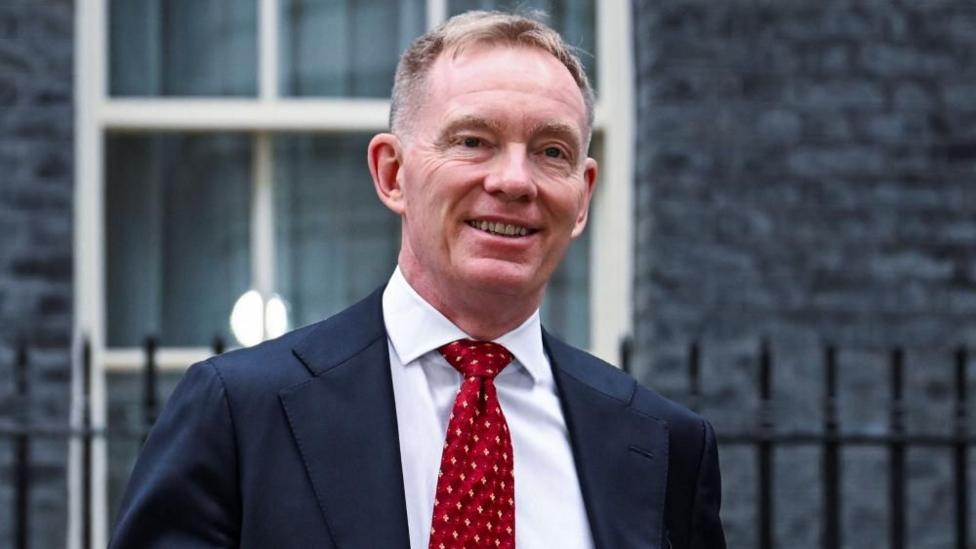
It is his first visit since he was appointed to the job following Prime Minister Andy Burnham's Cabinet reshuffle earlier this month. He will also meet representatives of business and industry.


