

Children in Care Face Extended School Absences Due to Placement Rejections
Some children living in care have been out of school for months or even years as they encounter difficulties securing school placements, a BBC investigation has revealed.
A 16-year-old boy, referred to as Tyler, was rejected by 14 schools and is among many children being "failed" by the system, according to the managing director of a children's homes group in Lincolnshire. As of January, half of the children in their care were not attending mainstream education.
Legally, councils must prioritise looked-after children when allocating school places. However, data from the Children's Homes Association (CHA) indicates that providers across England and Wales are struggling to obtain school placements for children in their care.
A head teachers' union attributes this issue to "chronic underfunding," which limits schools' capacity to accommodate some children. Meanwhile, councils have expressed the need for greater authority to compel more schools to accept these children.
Tyler's Experience and Educational Challenges
Tyler, whose name has been changed to protect his identity, enjoys gaming and spending time on his computer like many teenagers. He is due to take his GCSEs in May but is not registered for any exams after receiving only a few hours of education weekly over the past three years in care.
He has been completely out of school for 18 months. His care home reports that many of the 14 schools that rejected Tyler's applications cited their inability to meet the requirements outlined in his education, health and care plan (EHCP), a legal document specifying the support he needs.
When asked by his key worker—who documented his response—how he felt about the numerous rejections, Tyler said:
No matter how nice I am, they only see what they want to see. Why should I care about my education when no-one else does?
Alex, Tyler's former key worker before his recent transfer to another home, describes him as a "really smart young boy" but expresses concern about the impact of prolonged absence from school.
She states:
We are expecting this young man to leave care, manage a tenancy. I've got no concerns about him being able to cook and feed himself. But how can he do any of that without a job? And how can he get a job with no qualifications?
We are not naming the children's homes to protect the privacy of those living there, many of whom come from backgrounds involving neglect and abuse.
Tyler's EHCP indicates he has behavioural difficulties and struggles with emotional regulation due to earlier trauma. He tends to avoid overwhelming situations by running away and sometimes communicates through shouting and arguing.
The plan specifies that a suitable school must provide a safe space for him when overwhelmed and access to highly skilled staff trained in trauma support.
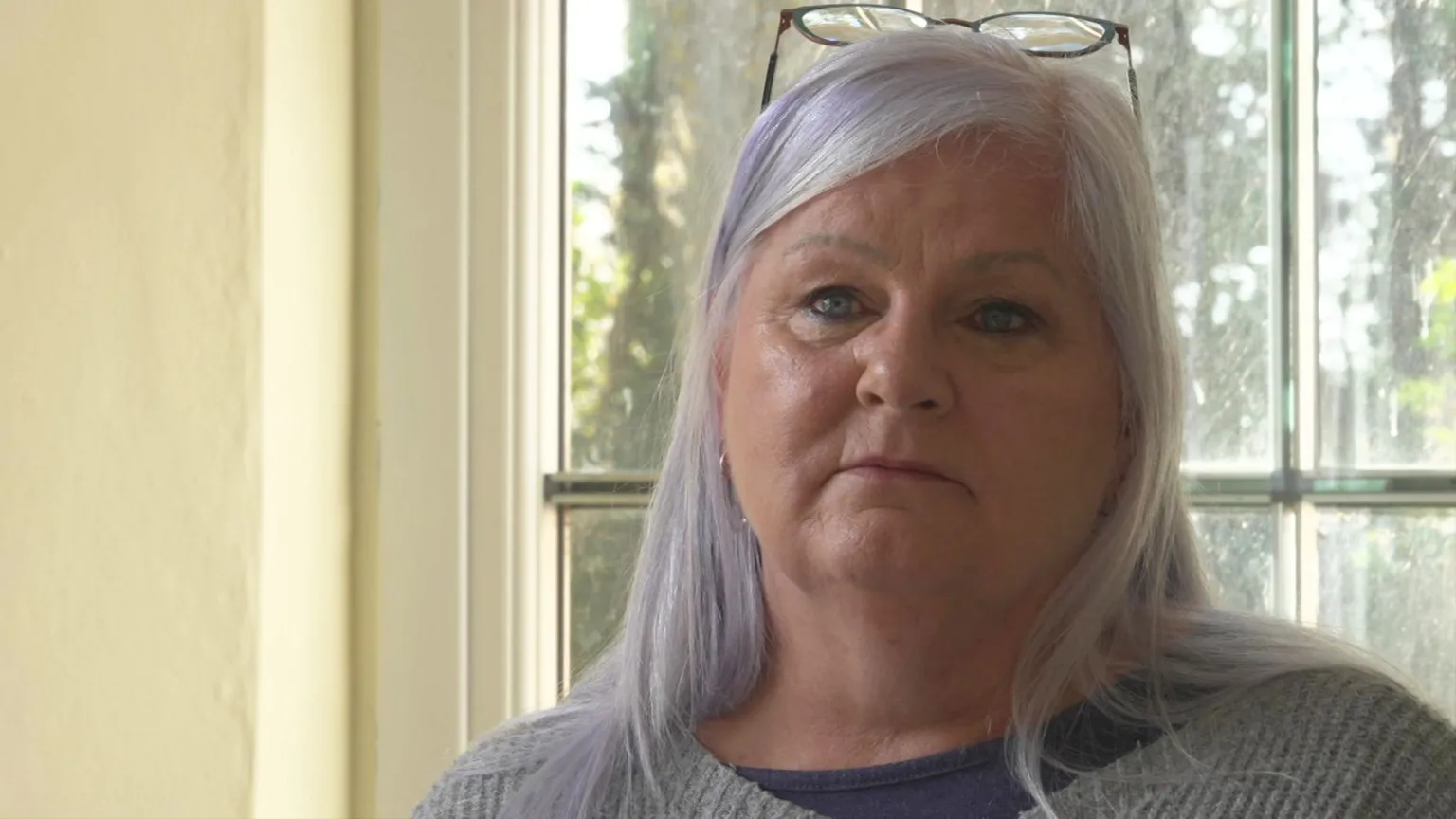
Julie, the managing director of the children's homes, asserts that the system is "failing" many children in care, adding:
They have set off in life with a disadvantage and the longer they're out of education, the harder it is for them to go back in.
Widespread Difficulties in Securing School Placements
The CHA reports that 40 of the 49 providers surveyed in January, representing 273 homes across England and Wales, experienced challenges in securing school placements for children in their care.
Some providers reported waiting six months or longer to place a child in school, while others have resorted to establishing their own educational facilities to meet children's needs.
Dr Mark Kerr, CHA chief executive, calls for local authorities to take their corporate parenting responsibilities "seriously" and to actively advocate for these children.
Another Child's Story: Katie's Struggles
Another teenager in the children's homes group, referred to as Katie, aspires to become a social worker.

She says:
People have got aspirations. Just because they're in care doesn't mean that they're going to end up in a bad place.
Katie has been out of school for over four months after being told not to return, with no explanation provided by the school. Securing that placement had taken seven months.
Katie's key worker, who takes pride in his work, believes she was "set up to fail" at the school, which only agreed to admit her after the local authority threatened to escalate the matter to the government.
He explains:
It almost seemed like they looked for anything that was wrong with her uniform, any slight talking out in the classroom environment, or to a teacher. There didn't seem to be any ability to be able to look past the behaviour and see the young person.
Katie adds that she felt treated differently from other pupils, stating:
They don't want me there – I know that.
Legal Framework and Council Challenges
Government guidelines specify that schools cannot refuse a place to a looked-after child "on the basis of challenging behaviour," and councils will not tolerate "drift and delay" in placements.
Schools may only refuse a looked-after child in exceptional circumstances where the child's presence could affect the education or safety of others.
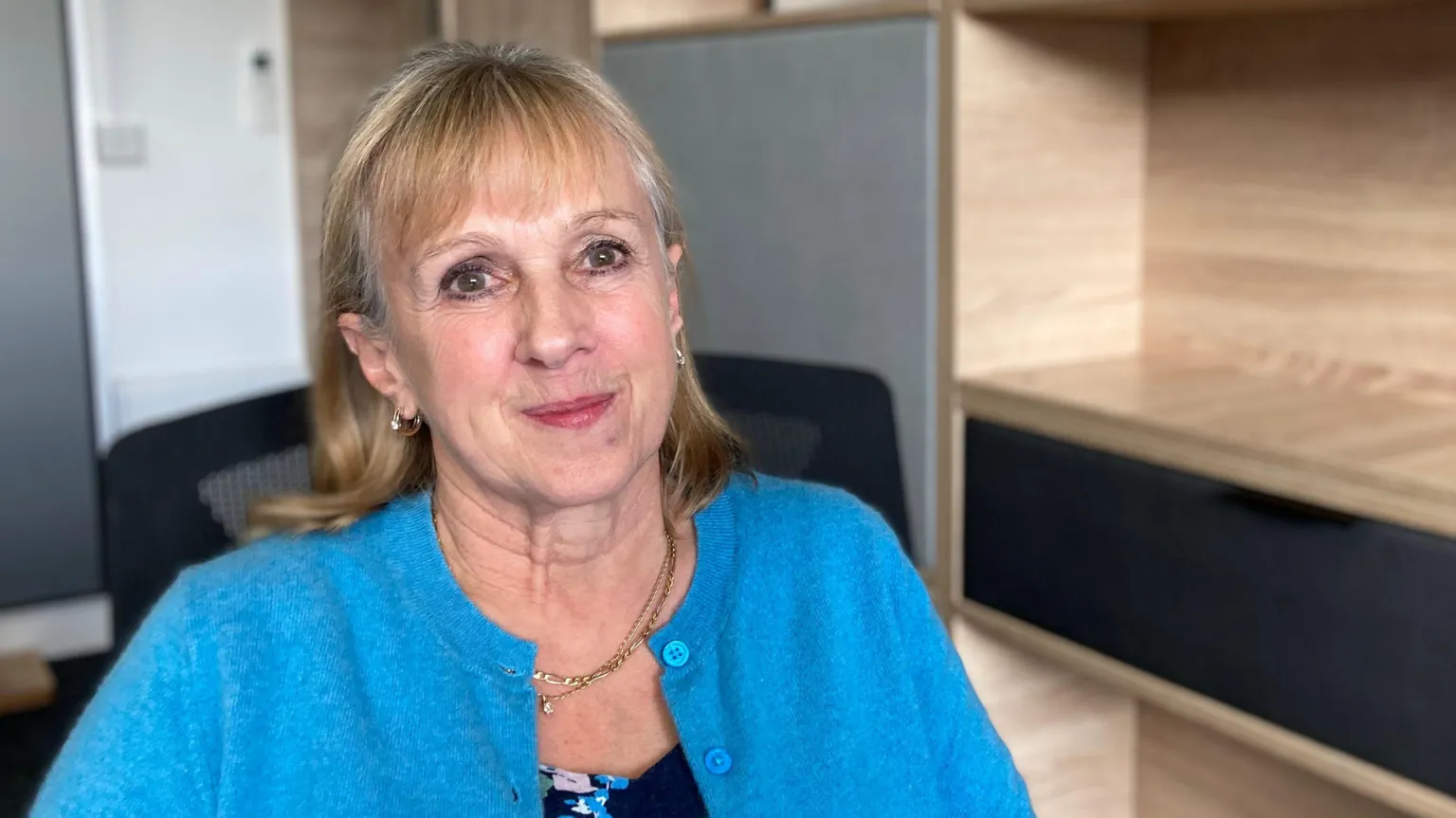
Amanda Hopgood from the Local Government Association states that councils are "doing everything they can" to secure school places for every child.
However, she notes that councils' powers to compel schools to accept children do not extend to academies, which constitute 82% of all secondary schools in the UK.
She warns that this limitation means some children are "not receiving the education they need." The Department for Education has announced a new law to extend councils' powers to include academies, aiming to "speed up securing school places for children in care."
Funding and Support Challenges
Rob Williams from the National Association of Head Teachers (NAHT) highlights the need for support from health, social care, and other services, stating:
Unfortunately, that extra provision is not always available and these types of services have been chronically underfunded for many years.
Rising costs associated with children with special educational needs and disabilities (SEND) have pressured the government, which announced a major overhaul of the system on Monday, including £1.6 billion over three years allocated directly to schools, early years settings, and colleges.
The NAHT is currently assessing whether these commitments are sufficient to ensure success.
Julie expresses concern that the government's overhaul will not resolve the issues faced by children's homes, citing unnecessary "red tape" causing delays in school applications and a multi-agency process that can take months without guaranteeing a placement.
She adds:
The reality is when you knock on the door, [schools] can say 'no'… if we appeal [and win], we've got the child starting with a black mark against them because the school didn't want them.
Research and Official Responses
Research from 2023 found that among more than 50,000 children in care in England, 1,363 were missing from school, with mainstream schools often reluctant to admit children with complex needs.
Responding to the investigation, children's commissioner Dame Rachel de Souza urges councils and schools to collaborate "far earlier," stating:
Too many children in care are being left in limbo for months or even years while they wait for a school placement, with devastating consequences.


