
Mike Hedges Advocates Training for Rabbit Owners
A Labour politician has proposed that prospective rabbit owners should complete "short training courses" before acquiring rabbits, as part of broader animal welfare reforms in Wales.
Mike Hedges addressed the Senedd, Wales' parliament, asserting that ownership should be conditional upon demonstrating an understanding of rabbits' needs.
His suggestion was met with skepticism from a Conservative Senedd member who questioned the feasibility of such training, and a Senedd source described the idea as "hare-brained" to BBC Wales.
The RSPCA expressed support for efforts to enhance animal welfare, while a rabbit-focused charity highlighted that rabbits are currently purchased too easily, often without sufficient knowledge of their care requirements.
Political Context and Animal Welfare Proposals
The Senedd election in May resulted in Labour, including Hedges, losing power in Wales for the first time since the establishment of the Welsh parliament in 1999. Plaid Cymru emerged as the largest party and assumed leadership of the Welsh government.
On Tuesday, Hedges, now serving as Welsh Labour's culture spokesperson, questioned First Minister Rhun ap Iorwerth regarding government initiatives to improve animal welfare.
Ap Iorwerth responded that the government plans to "develop a science-led animal health and welfare plan" for Wales.
Hedges remarked that allowing animals to be mistreated, whether through ignorance or cruelty, reflects poorly on society.
He proposed several reforms including microchipping cats, banning horse tethering, prohibiting primate ownership, ending cage breeding of game birds, and discontinuing the use of Larsen traps—spring-door wire cages used to capture birds such as magpies and crows.
Additionally, Hedges advocated that rabbit ownership should only be permitted following a brief training course where individuals demonstrate knowledge of rabbit care.
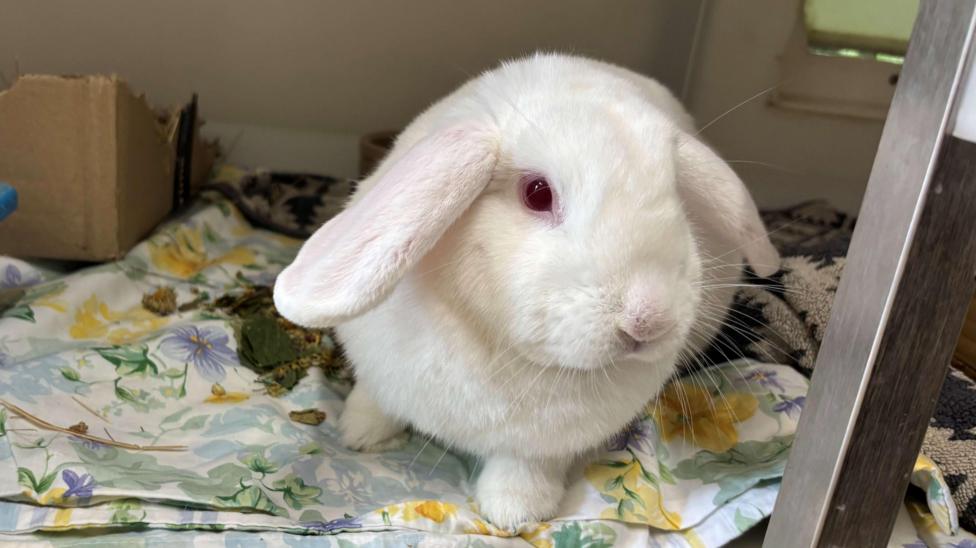
Rabbits like Buzz, who was abandoned in a garden along with another bunny named Woody, are currently being cared for at the RSPCA Bryn Y Maen Animal Centre while awaiting permanent homes.

When asked if the Welsh government would implement these changes, Plaid Cymru leader Rhun ap Iorwerth stated his administration aims to "set high standards for the treatment of animals" without confirming specific measures.
Conservative Senedd member Andrew RT Davies expressed doubts about the practicality of the proposed training, emphasizing the need for feasible actions to meet public expectations for animal welfare.
A Conservative source described the proposal as "hare-brained," adding that the public would be upset that Labour prioritizes this issue and suggesting Hedges focus on the challenges his party has left in Wales.
Wales' Green Party leader Anthony Slaughter indicated his party's willingness to support initiatives that enhance public understanding of proper pet care.
Hedges received considerable support on social media for his comments during First Minister's Questions.
Hop to Save Rabbits, an animal welfare charity, welcomed the discussion in the Senedd and endorsed the idea of a "short rabbit welfare course before acquisition."
"Many welfare problems begin before acquisition. Rabbits can be obtained too easily, with too little understanding of their needs," a spokesperson said.
"This frequently leads to poor welfare outcomes, including unsuitable housing, loneliness, mis-sexing, unwanted litters, abandonment and pressure on rescues."
Andy, a two-year-old rabbit, is currently awaiting adoption at the RSPCA's Upper Colwyn Bay centre.
Legal Framework and Calls for Updated Guidance
The Animal Welfare Act 2006 already makes it an offence in England and Wales to cause unnecessary suffering to animals or to neglect their welfare needs.
RSPCA Cymru welcomed the call for improved animal welfare, noting that rabbits are among the most overlooked and misunderstood pets despite their popularity among families.
The charity is urging the Welsh government to undertake an "overdue review" and update the relevant Code of Practice, which has remained unchanged since 2009.
How to Care for Your Rabbits
The RSPCA emphasized that rabbits have complex needs and are among the most neglected pets in the UK.
They advised that anyone considering rabbit ownership should thoroughly research their requirements to provide a suitable diet and appropriate accommodation that supports their wellbeing.
Key recommendations for rabbit care include:
- A healthy diet primarily consisting of good quality hay and grass, along with clean drinking water.
- Continuous supply of high-fiber food to wear down their continuously growing teeth.
- Providing much more space than a small hutch, allowing rabbits to run, hop, stretch, dig, and stand upright.
- Ensuring their home is safe, clean, dry, and protected from weather and predators.
- Including places to hide and rest, as rabbits are prey animals prone to stress without shelter.
- Keeping rabbits in social groups, usually with at least one other rabbit, to prevent loneliness, stress, and behavioral issues.
Additional reporting by David Deans.
More Top Stories
- A trip to India left me with 38 parasites in my brain
- Signed Paul McCartney book found in charity shop sells for nearly £1,000
- 'Complete mess' as drinks could rise by 50p under new bottle return plan, experts say


