
Legal Threats Delivered to Families After BBC Documentary
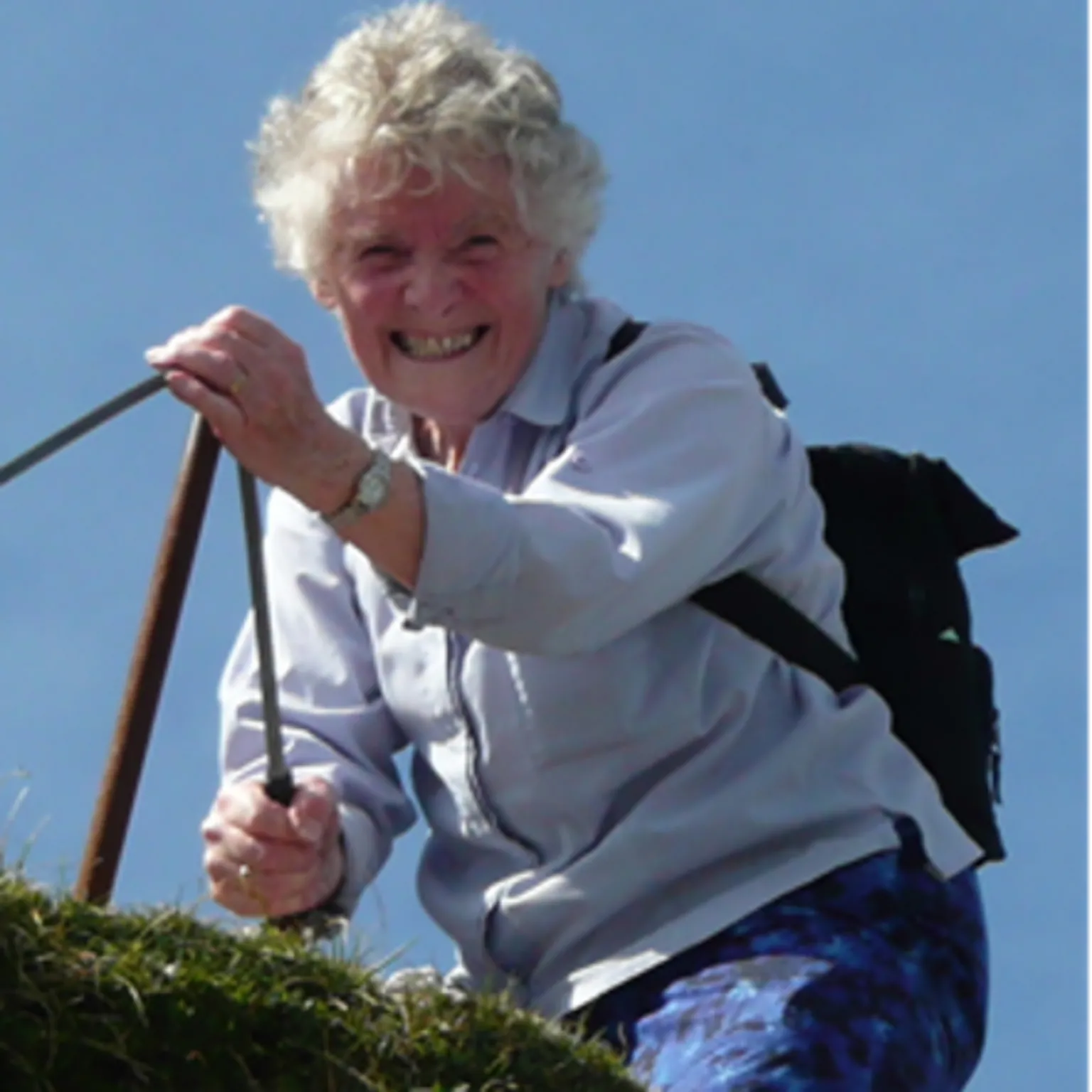
Former nurse Jacqueline Banks was taken by surprise when sheriff officers arrived at her home early one morning.
"I had a knock at the door, and I thought they were police detectives and something had happened to a member of my family,"
she recalls. Instead, the officers were there to deliver legal threats from a care home operator due to her participation in a BBC documentary.
Sheriff officers act to enforce court orders and pursue debts on behalf of the court, and can also be hired by solicitors to deliver legal letters.
"They handed me this letter," said Jacqueline. "I thought: 'What the hell is this'? I was a bit scared to be honest. It was upsetting."
Jacqueline, 70, from Denny near Falkirk, had spoken to the BBC about her aunt's care at Oakeshott House in Stirling, operated by Morar Living.
The care home operator stated it never intended to prevent anyone from participating in the programme and that sheriff officers were used as the most reliable method to deliver the letters.
Concerns Over Care and Financial Issues
Caitriona MacMillan, a former primary school teacher, passed away at Oakeshott House in 2023 after spending her final years there.
The Care Inspectorate upheld eight complaints concerning her care.
In the documentary interview, Jacqueline highlighted that her aunt's care issues were worsened by financial difficulties following her death.
"It took almost a year for her aunt's deposit of £9,600 to be returned,"
she told the BBC.
Caitriona's family is among ten families who reported waiting months, and in some cases over a year, to receive refunds owed to them or their late relatives at four Morar homes in Scotland.
Legal Letters Delivered Following BBC Inquiry
The BBC contacted Morar Living to provide a right of reply before broadcasting the documentary.
To allow the operator to respond to numerous care and financial allegations fairly, the BBC disclosed the residents' names with the families' permission.
One week later, ten families received letters, many delivered by sheriff officers at their front doors.
After receiving the letter, Jacqueline described her reaction:
"I sat at the kitchen table and read it over several times. I calmed down a wee bit and then I was really, really angry. It was intimidatory, disproportionate, and aggressive. I assumed that if you get sheriff officers at your door, there's something gone badly wrong somewhere, that you are actually in the wrong, which I'm not. Everything I've done up to this point has been the truth. It made me more determined to see this through."
The letter stated the allegations were very serious:
"Not only do they infer that our client failed in its duty of care, but they also imply financial impropriety and indeed criminality. We are likely to be in contact with you further regarding these allegations in the event that they are broadcast and once our own enquiries are complete."
Documentary Broadcast and Families’ Experiences
The investigation, titled Cashing in on Care, was broadcast on Monday.
Families described having to instruct solicitors, threaten court action, and, as in Jacqueline's case, hire debt collectors to reclaim money owed to them.
Victoria Hogg, whose husband Keith had been a resident at Harbour House care home in Musselburgh, reported waiting 18 months for a £19,000 refund from Morar.
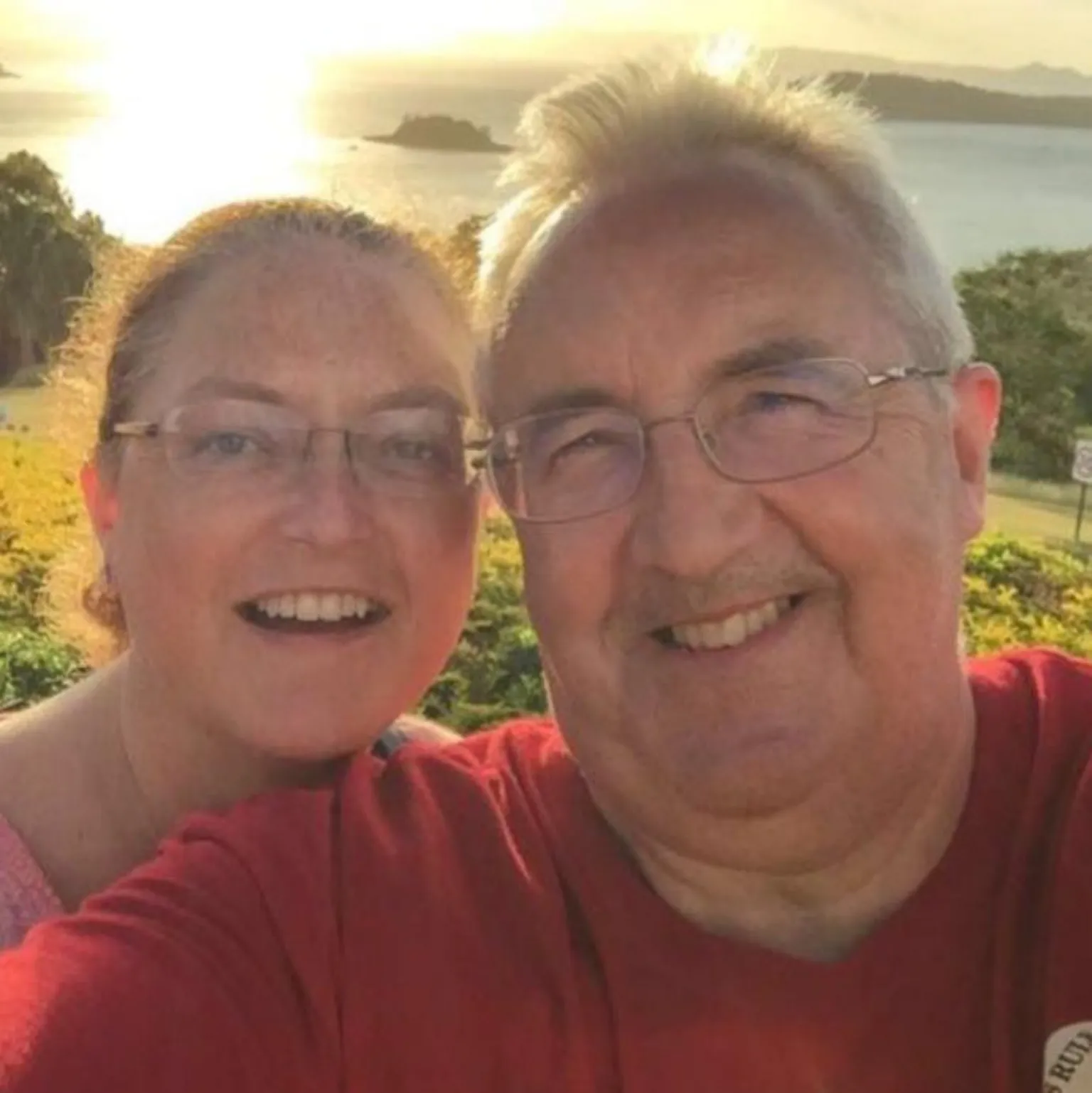
She described receiving a letter delivered by sheriff officers at her door as "intimidating."
"I was obviously shocked and surprised. You immediately feel as though you've done something wrong. But I absolutely haven't. I've told the truth. I think they were trying to stop me taking part and I think that's probably made me more determined."
The letter from Morar stated the allegations were "clearly very serious" and that "if they are broadcast, then they are likely to cause serious harm to our client."
"That's not my problem. If they'd have behaved in an appropriate way in the first place, none of us would be in this situation,"
Victoria said.
Morar Living's Response
A spokesperson for Morar Living said the letters were sent to address legal and regulatory obligations regarding confidentiality and handling of sensitive personal medical information.
"We have a duty of care to ensure we have formal receipt of correspondence to confirm proof of consent to share such sensitive personal medical information,"
the spokesperson said.
"The short timeframe specified by the BBC required using sheriff officers as the most reliable way to achieve proof of receipt and protect the residents whom the contributors represented. Despite several inaccuracies throughout, it is very important to highlight that at no point did we ever seek to prevent anyone from participating in dialogue with the BBC or participating in the programme."
The spokesperson also confirmed that Morar had submitted a formal complaint to the BBC about the documentary.
Morar denied that residents faced unnecessary obstacles in reclaiming their money, stating:
"Before any refund can be issued, we must follow a process to ensure any funds are paid accurately and to the correct party. We have a clear, written policy that explains each step, including the necessary legal checks needed to confirm that a third party is entitled to receive the funds."
The care operator added that the "safety, dignity, wellbeing and care of our residents is always our absolute priority."


