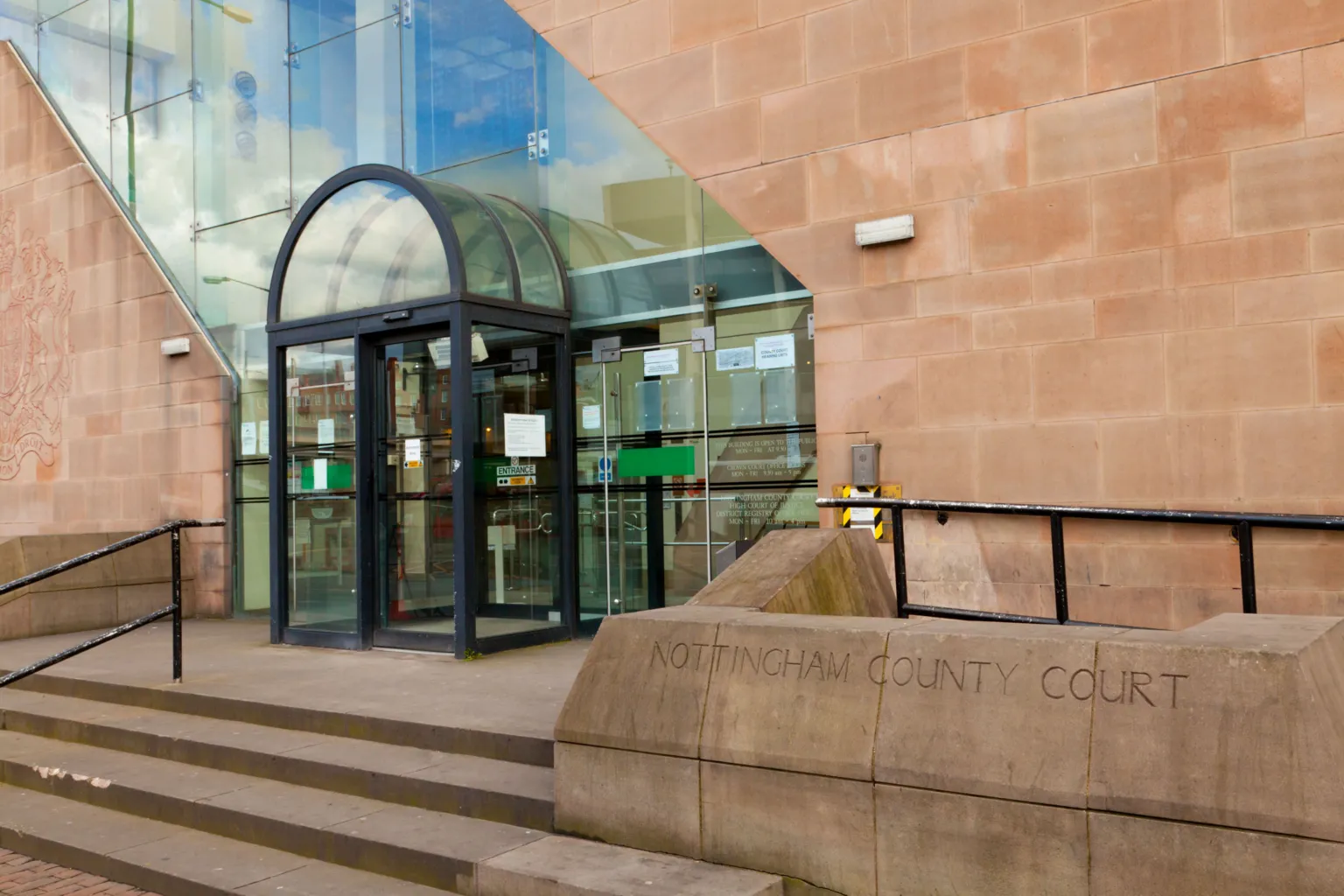
Intense Sentencing Sessions at Nottingham Crown Court
A man with an impassive demeanor was the first defendant to appear in the dock. He had sent explicit images of his genitals to a 13-year-old girl and was found in possession of nearly 200 indecent images of children.
The judge at Nottingham Crown Court described him as a "depraved individual" and sentenced him to a two-year suspended prison term. Additionally, he was ordered to complete 118 hours of unpaid community service and was placed on the sex offenders' register for a decade.
A woman present at the hearing attempted to hide her tears as the sentencing was delivered. The entire hearing lasted 45 minutes.
The next case involved a man who had sent intimate pictures to a 14-year-old girl and solicited sex from her.
At 27 years old at the time, the defendant was apprehended by a paedophile-hunter group after arranging to meet the girl outside an Asda supermarket.
He received a sentence similar to the previous offender's.
Ten Cases Processed Consecutively
Typically, court coverage involves a single case, but this day was different. These were the initial cases Judge Michael Auty KC would hear over the next five hours.
Nottingham is among a select group of crown courts conducting "blitz" hearings, where numerous cases are expedited in a single day to address significant court backlogs.
Similar initiatives are underway in London, the North East, and the North West of England.
The scheme is set to expand to additional courts across England and Wales, including London's Old Bailey.
The objective is to fast-track cases.
Blitz courts are mainly utilized for trials but also handle sentencing hearings and appeals.
It is uncommon for a judge to oversee so many cases in one day, but the government aims to employ this system more extensively to manage the substantial accumulation of cases in the criminal justice system.
Nottingham conducts these sessions twice monthly. Cases of a similar nature are grouped together, as many result in comparable sentences, facilitating efficient use of court time.
During the day observed at Nottingham's court nine, the judge issued ten sentences, four of which involved sex offences.
The concept of blitz hearings is not new. They have been used to accelerate cases in exceptional circumstances, such as following the 2011 summer riots in England, which generated numerous public disorder hearings.
Starting this month, the government is broadening the use of blitz courts as part of a suite of measures to reduce caseloads in England and Wales.
Funding for this initiative will come from £2.7 billion allocated to courts and tribunals for the current financial year, up from £2.5 billion in the previous year.
Currently, approximately 80,000 cases await hearing in crown courts across England and Wales, double the pre-pandemic levels.
The backlog is projected to exceed 100,000 cases by year-end, with forecasts suggesting 200,000 cases could be pending by 2035 if no changes occur.
Crime victims, some informed their cases may not be heard until 2030, have expressed that these delays are unacceptable and are urging urgent reforms.
From April, the Central Criminal Court, also known as the Old Bailey, will operate two courts dedicated to blitz hearings. These will focus on assaults against emergency workers, with over 600 such cases awaiting trial.
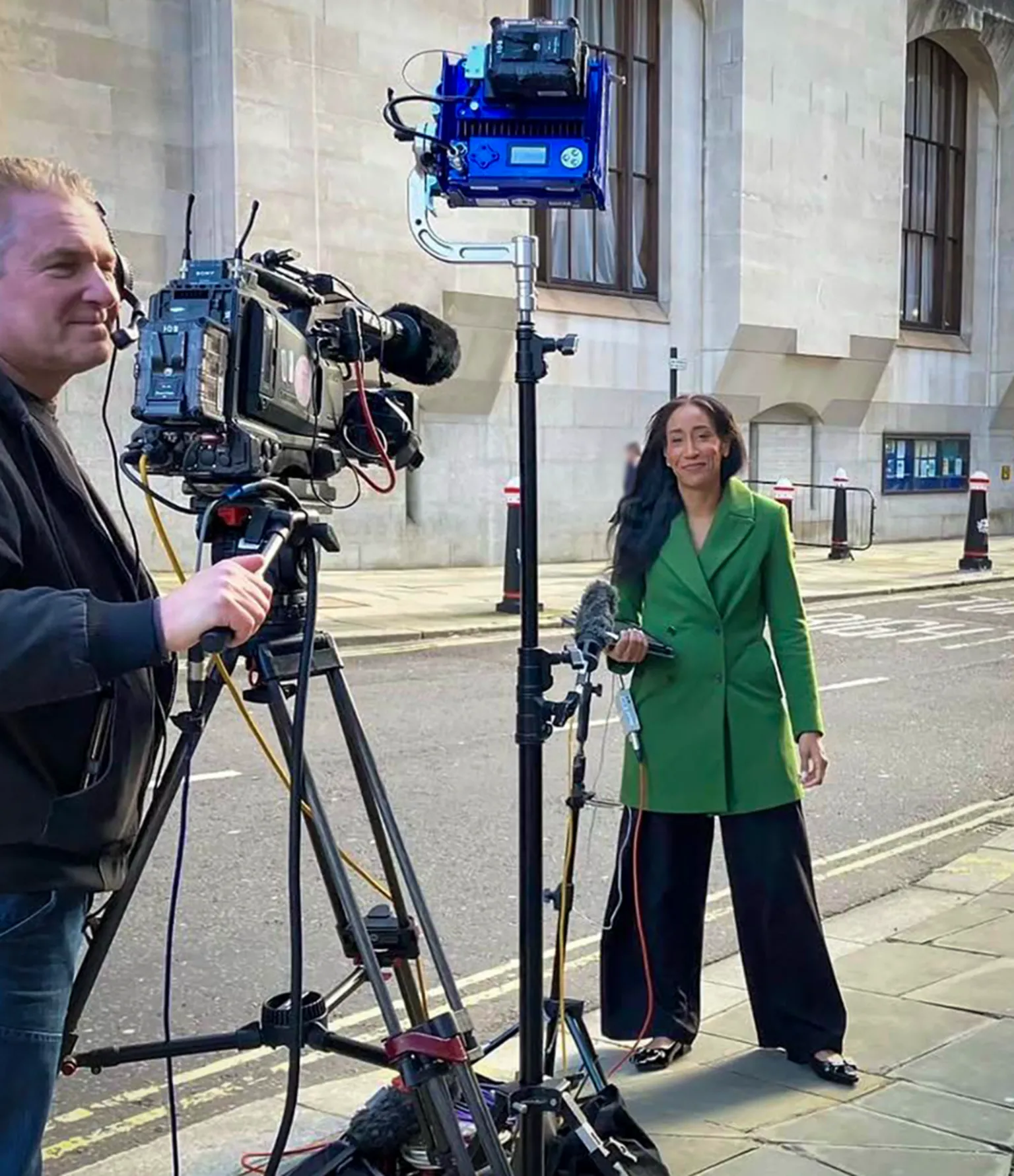
'Mean and Manipulative Offences'
Back at Nottingham Crown Court, cases continued to be heard. The next defendant was a married father of five who had shared intimate images of a Muslim woman he had sexual relations with and subsequently attempted to blackmail her.
The court was informed that he threatened to disclose naked photos of her taken in a hotel room to her family unless she continued the relationship.
"You are 44 years old," the judge remarked. "These offences are mean, manipulative."
He received a two-year suspended jail sentence, with the judge adding,
"You've escaped jail by the skin of your teeth."
On that day, sentences were also passed for drug offences, public disorder, and theft.
Addressing the prosecution and defence barristers, Judge Auty KC noted that some cases should not have proceeded to Crown Court and could have been resolved by magistrates, leading to earlier pleas, faster justice, and reduced system pressure.
Advocates of blitz courts argue that the approach yields benefits such as earlier pleas, expedited hearings, and increased opportunities for offenders to be rehabilitated within the community without occupying prison space.
This necessitates early prosecution reviews of realistic success prospects, resulting in some cases being discontinued or lesser charges proposed.
Justice Secretary David Lammy has announced additional reforms to address court backlogs, including contentious plans to eliminate jury trials in England and Wales for offences likely to result in sentences under three years.
This follows an independent review by retired judge Sir Brian Leveson, which warned of a court system "on the brink of collapse" and made 130 recommendations, some of which will be enacted through forthcoming legislation.
Sir Brian recommended scaling back the right to jury trials.
However, critics strongly oppose this.
Riel Karmy-Jones KC, chair of the Criminal Bar Association (CBA), representing specialist criminal barristers, stated:
"Several Crown Courts have shown that it is possible to reduce the backlogs substantially without interfering with the right to trial by jury."
The Ministry of Justice described blitz courts as a flexible tool judges may opt to use.
A spokesperson said the judiciary would consider expanding the scheme to include "other relatively straightforward offences," such as drug possession and commercial burglary.
"They are carefully planned and time-limited exercises designed to make best use of already-funded and available courtrooms, judicial capacity and sitting days,"the spokesperson added.
Nonetheless, the CBA cautions that there can be no shortcuts to a properly functioning criminal justice system.