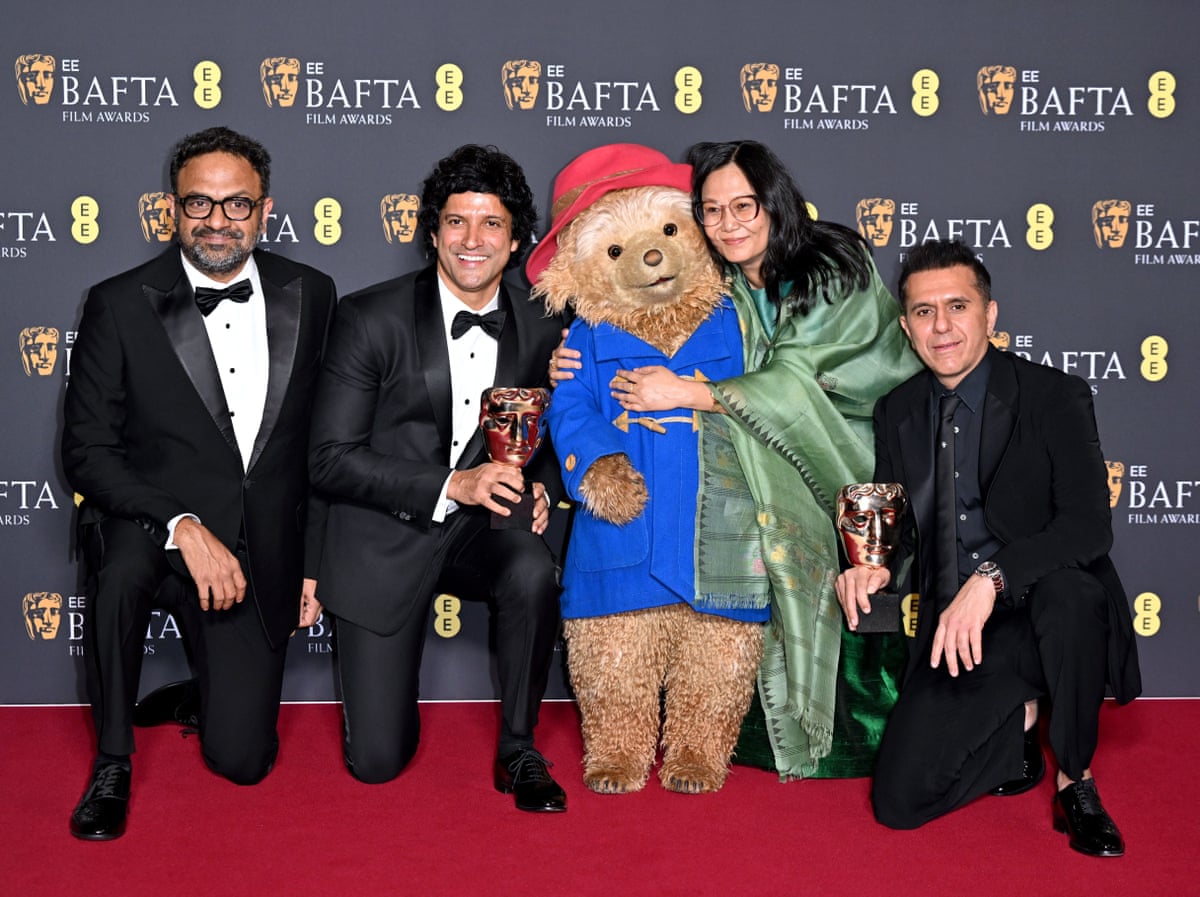
Bafta’s Controversial Broadcast Decision
Bafta has faced significant criticism following the broadcast of an incident involving Tourette syndrome campaigner John Davidson, who involuntarily shouted the N-word during the ceremony. This occurred while two Black actors, Michael B Jordan and Delroy Lindo, were presenting a prize. The decision not to edit out Davidson’s shouted tics has overshadowed Bafta’s ongoing diversity efforts.
Despite the use of a two-hour time delay to remove other contentious moments—such as Akinola Davies Jr’s shout of “Free Palestine!” and Alan Cumming’s remarks comparing the themes of Zootropolis 2 to contemporary America—Bafta chose to retain Davidson’s slur in the televised broadcast. This choice has been widely questioned given the offensive nature of the word and the involuntary context of the outburst.
Context of Bafta’s Diversity Drive
The incident detracts from what should have been a pivotal moment for Bafta’s diversity initiatives. The #BaftasSoWhite hashtag, which trended when no nominees of colour were included in acting categories, prompted a comprehensive overhaul of Bafta’s rules, regulations, and membership demographics. This reform has been more radical than those seen in comparable organisations such as the Oscars and the Golden Globes, which lag behind in similar efforts.
Despite these changes, Bafta continues to face criticism for the choices made by its voting members. While backstage interventions have successfully ensured gender parity in certain categories at the longlist stage, the final shortlists often still feature a predominance of straight white men. This outcome reflects the broader film industry’s output rather than Bafta’s internal policies.

Signs of Progress in Award Winners
There are encouraging signs of change, however. Wins for Sinners in the supporting actress and original screenplay categories, as well as recognition for the film’s outstanding British debut, indicate a shift in the landscape. Furthermore, the victory of the little-seen and scarcely released animated film Boong as best children’s and family film represents a significant achievement, especially given the competition from titles like Arco, Lilo and Stitch, and Zootropolis 2. This win underscores the effectiveness of Bafta’s rule requiring voters to have watched all nominated films in a category before voting.
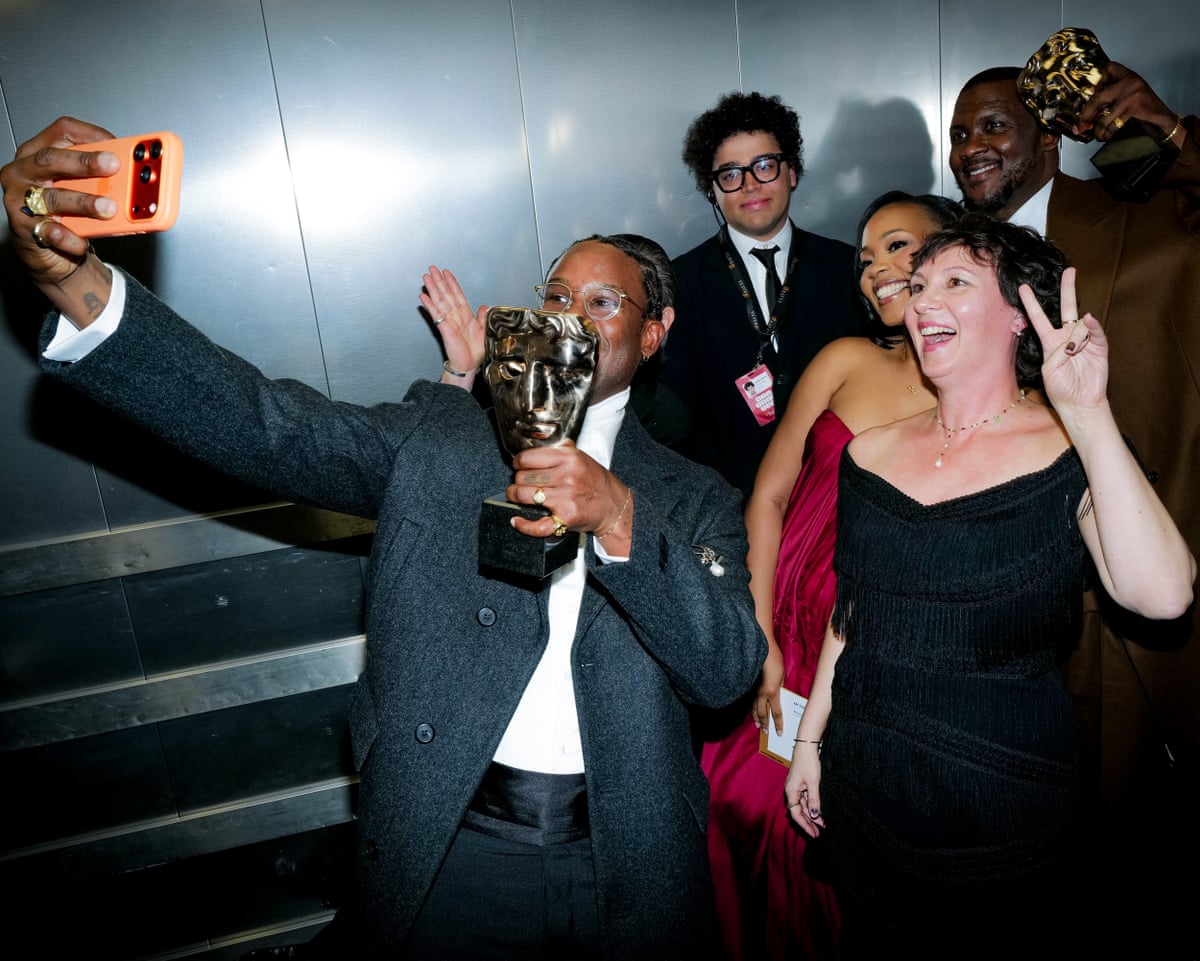
Notable Wins and Impact of Viewing Requirements
Perhaps the most remarkable outcome was Robert Aramayo’s win for leading actor, triumphing over seven-time nominee Leonardo DiCaprio and favourite Timothée Chalamet. The requirement for voters to watch all nominated films evidently influenced this result, as Aramayo’s performance in I Swear also earned the film the best casting award. Public support was further demonstrated when Aramayo was named rising star, reflecting grassroots endorsement.
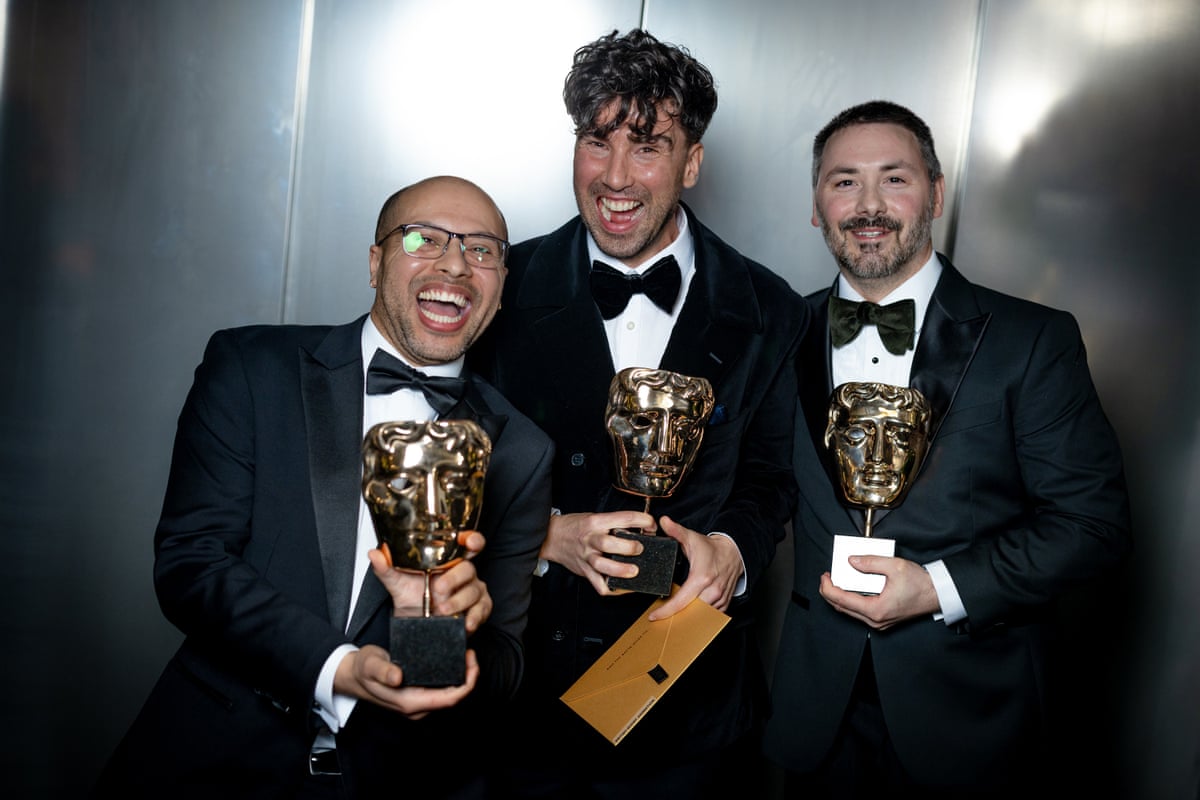
Balancing Hollywood Influence and Credibility
Bafta’s increased focus on inclusivity and credibility may come at the expense of some Hollywood influence. The organisation’s commitment to genuine change is evident, even if it means losing certain leverage. The controversy surrounding Davidson’s slur, however, presents a challenge to Bafta’s reputation.
In his acceptance speech, Aramayo called for understanding and compassion regarding his condition, despite any discomfort caused by the incident. Both Jordan and Lindo have responded to the situation with grace and composure. This episode may also close the chapter on discussions about Denzel Washington’s lack of Bafta nominations.