Introduction and Recognition
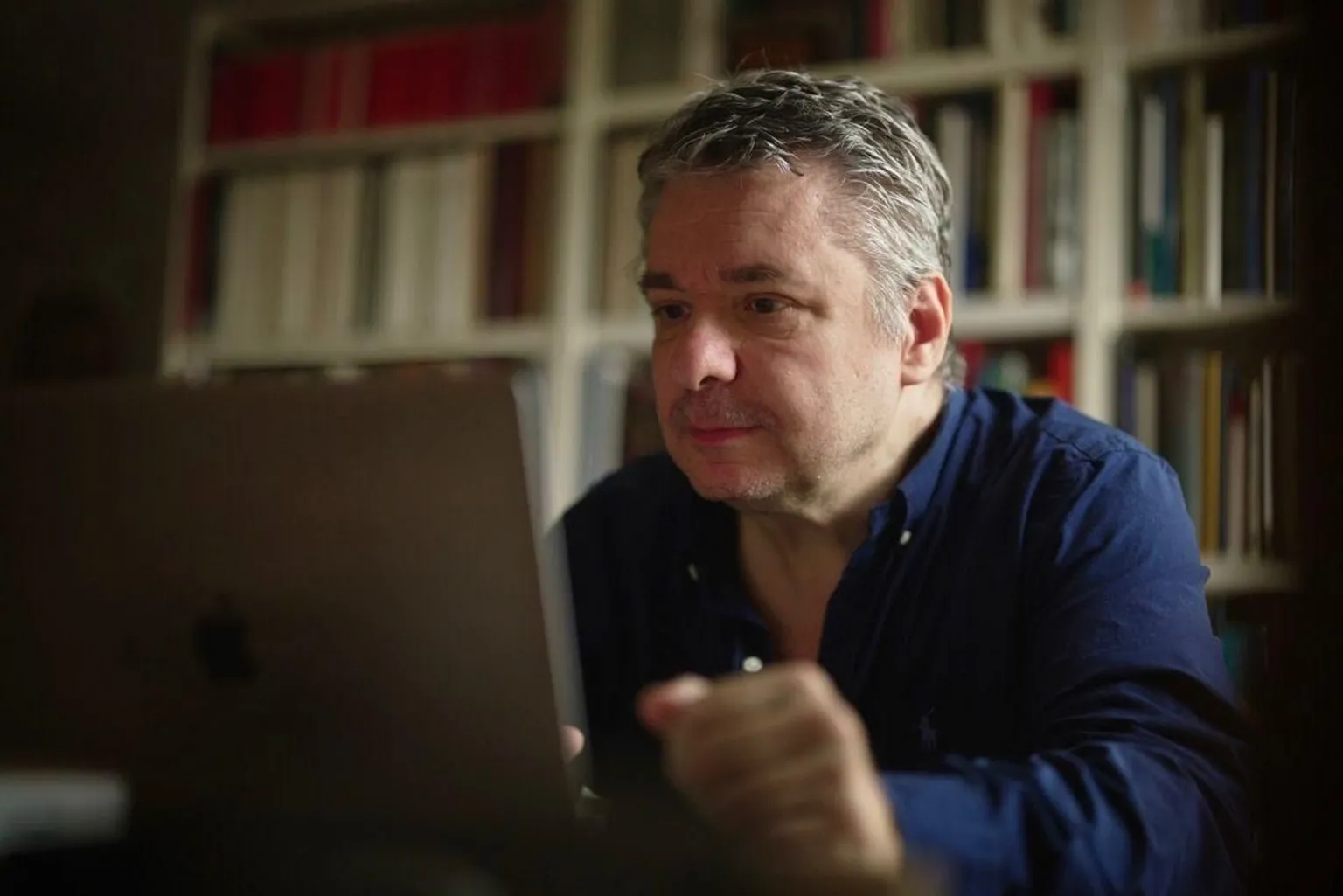
Dr Ittai Gradel, an academic turned antiquities dealer who revealed the theft of hundreds of artefacts from the British Museum, has died of cancer at the age of 61.
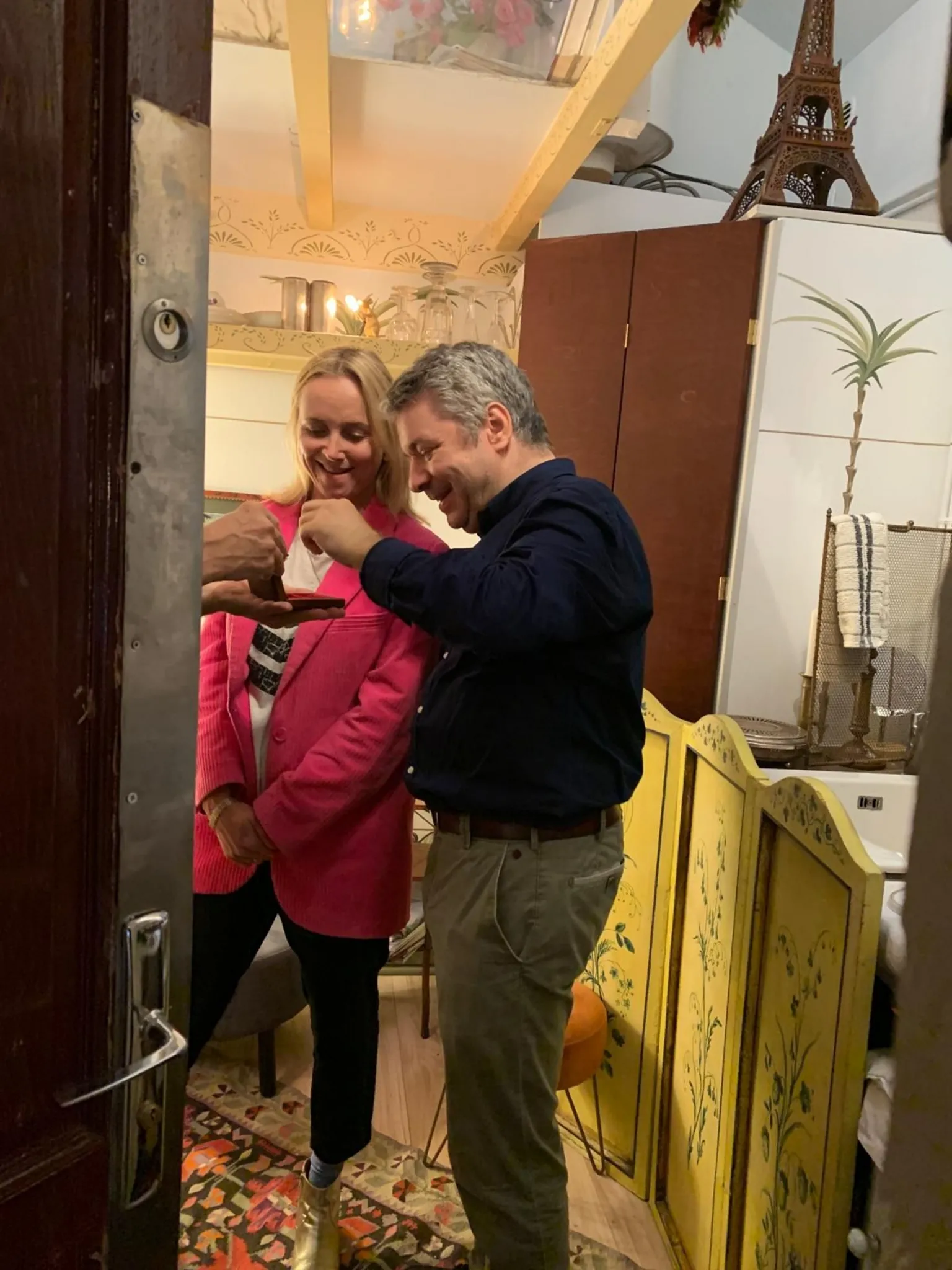
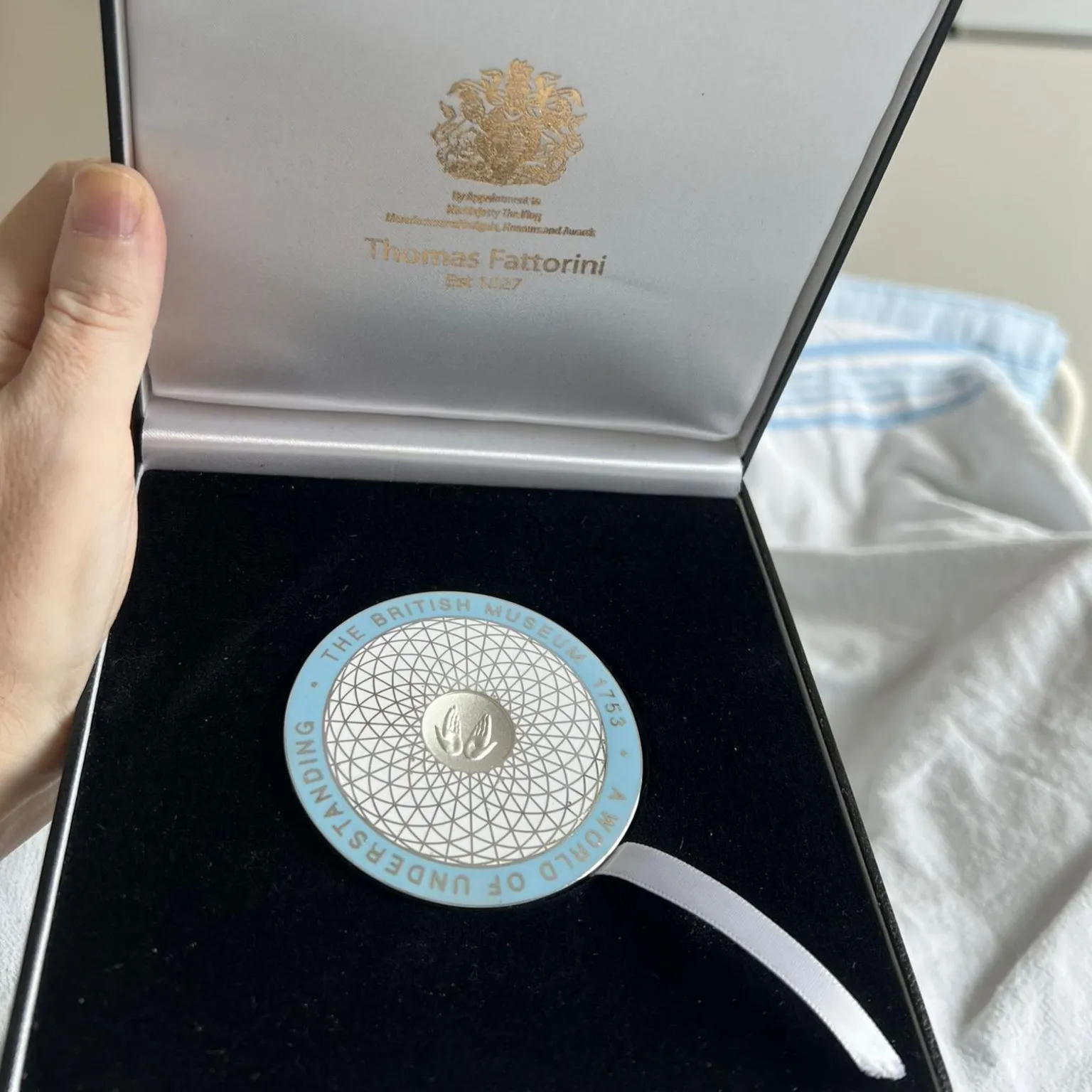
In his final days, he was awarded a rarely presented medal from the museum, acknowledging his "very significant contribution," as described by the museum's director.
Ongoing Investigation and Personal Reflections
A police investigation remains active more than three years after the British Museum reported the thefts to Scotland Yard, following persistent pressure from Gradel.
Before his death in a Danish hospice, Gradel expressed to the author, with characteristic understatement, that it was "a bit annoying" he would not live to see the case resolved.
Initial Suspicions and Museum Response
Gradel first suspected in 2021 that gems from the museum's collection were being sold on eBay, sometimes for just a few pounds each. He attempted to persuade the museum to investigate but encountered resistance from previous management.
In 2023, after conducting its own inquiry, the museum announced that 2,000 items from its collection were stolen, missing, or damaged.

Public Impact and Leadership Changes
The revelations made headlines worldwide. Following the public disclosure of Gradel's earlier warnings, the museum's director, Hartwig Fischer, resigned, acknowledging that it was "evident that the British Museum did not respond as comprehensively as it should have to the warnings in 2021."
Gradel's Role in the Investigation
Gradel provided statements to the Metropolitan Police and was expected to be a key witness in any court proceedings.
Upon informing the author weeks before his death about his terminal condition, Gradel expressed concern about the investigation's future.
"I would be very happy to see charges actually brought before I die. Because otherwise I suspect it will just fizzle out, the charges will never be brought and nothing will come of it,"
Developments are anticipated in the coming months, but Gradel did not live to witness them.
The author regards the slow progress as a critique of the British justice system's pace.
Initial Contact and Story Unfolding
The author first met Gradel in summer 2023, shortly after the British Museum made the thefts public. Their initial conversation occurred late at night in a BBC editing suite, following a report about the thefts for the TV News at Ten.
Gradel recounted how he deduced that a senior curator was involved in the thefts and had submitted evidence to the museum's leadership in 2021.
He explained that he had informed them of his suspicions that he and other antiquities dealers had unknowingly purchased items online that belonged to the museum. He included a PayPal receipt bearing the name of the suspected curator, Peter Higgs.
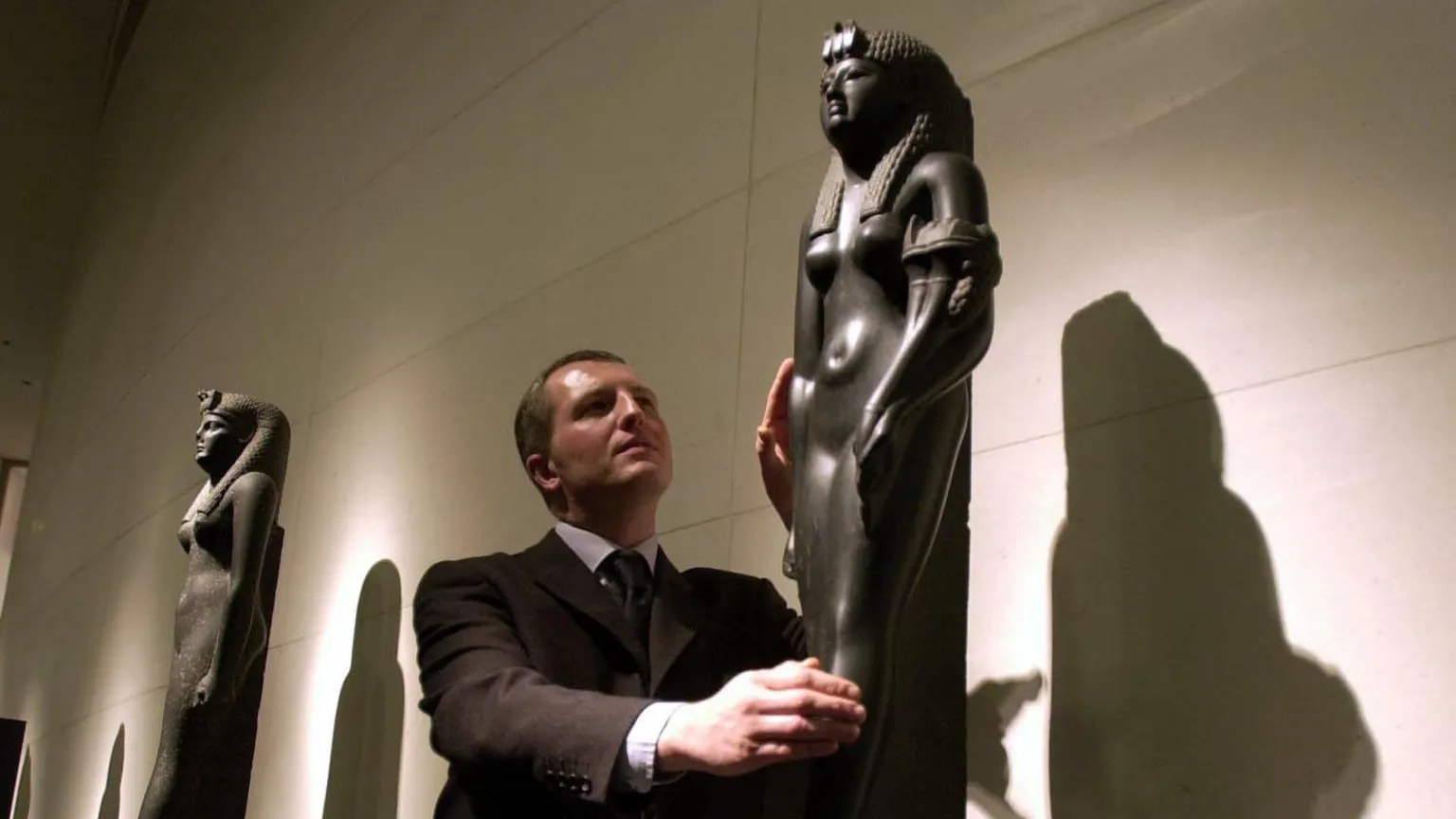
The museum initially dismissed Gradel's concerns, despite one dealer returning an olive green gemstone bought on eBay after discussions with Gradel.
Then deputy director Jonathan Williams wrote to Gradel five months later, asserting all objects were accounted for and his claims unfounded.
Gradel described this response as "bizarre," especially since one item was only accounted for because it had been returned at his request.
Court documents later revealed that the thief allegedly forged a handwritten note claiming the item had been stolen in 1963, which museum staff accepted as genuine.
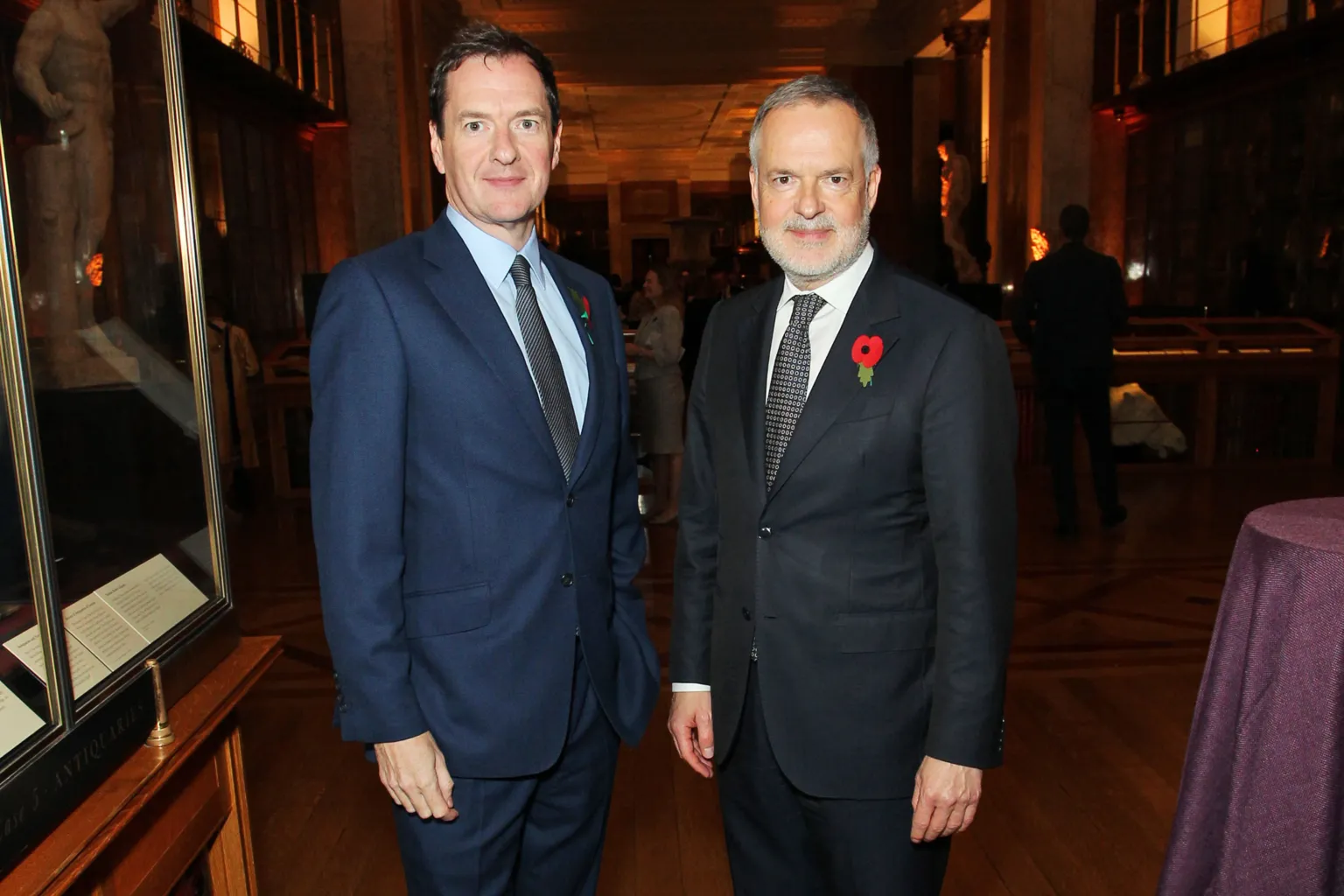
George Osborne, chair of the museum's trustees, described it as a "pretty elaborate cover-up job." Peter Higgs denies any wrongdoing.
Recognition and Legacy
Before his death, the museum's current director, Dr Nicholas Cullinan, awarded Gradel the British Museum medal, writing it was "a sign of our esteem... in recognition of your expertise and of your passionate determination that wrongs should be righted."
However, in 2021, Gradel felt disregarded by museum authorities.
"I could barely think of anything else. The only way I could deal with it was by letting it take over my life, letting it become an obsession."
Gradel was first diagnosed with renal cancer in 2010; it returned in 2022. He expressed urgency to complete his work before his death.
"I had to get this finished before I was on my deathbed,"
"If I died before the job was finished, I found that quite horrible."
Collaboration and Media Work
The author developed a close relationship with Gradel while producing a BBC Radio 4 podcast titled Thief at the British Museum and a BBC Two and film. These productions explored the thefts, Gradel's investigative methods, and efforts to trace stolen items sold to dealers worldwide.
This collaboration highlighted Gradel's unique character.
Early Life and Passion for Antiquities
Born in 1965 in Haifa, Israel, to a British father and Danish mother, Gradel's Jewish family relocated to Denmark when he was two years old.
Describing himself as "totally nerdy," he had an early fascination with history, knowing all the Popes and their years dating back 2,000 years to St Peter.
At 18, after finishing school, he moved to the UK and developed a deep affection for the British Museum, spending spare time there while working part-time jobs.
"I systematically went through the museum department by department, display case by display case, through the whole museum, over several months. And I believe that I saw every object that was exhibited back then."
He possessed a photographic memory, aiding his later detective work, such as recognizing items on eBay that matched obscure 1920s British Museum collection drawings.
Personal Interests and Collection
Time spent with Gradel was engaging due to his extensive knowledge of the ancient world, particularly gemstones.
"Nothing so boring as modern diamond rings,"
he said with a smile, focusing instead on ancient Greek and Roman gems carved with intricate figures, gods, or portraits, used in jewellery and sealstones.
"A burst of pure joy when I discover a story that's been lying there forgotten for 2,000 years."
His enthusiasm captivated all who worked with him.
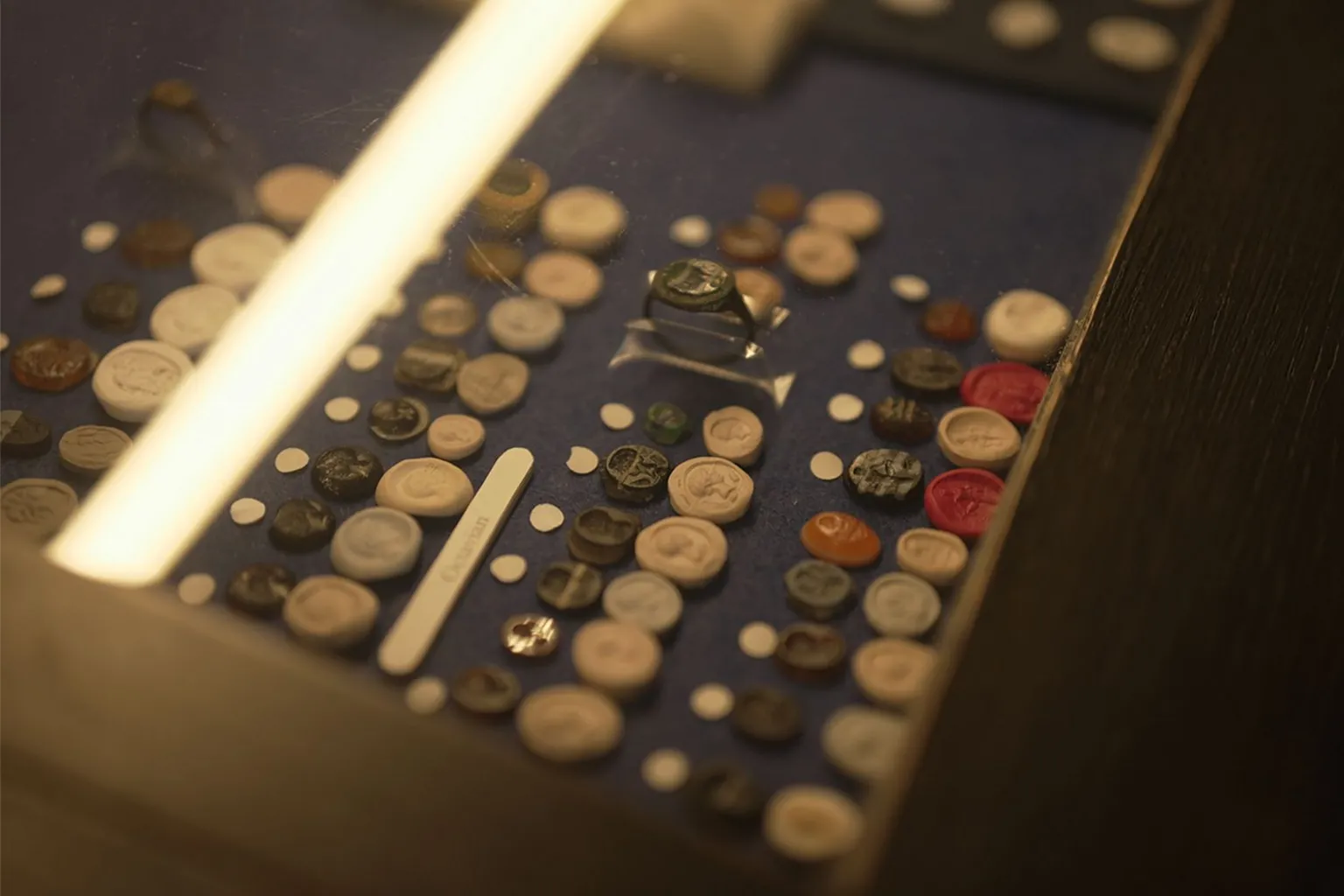
During a 2023 visit to his Danish home, the author observed glass-topped display cabinets filled with gems, resembling a personal mini museum.
Many items bore white dots, indicating those Gradel had purchased unknowingly from the museum's collection and intended to return.
He eventually signed over more than 360 items back to the museum.
Career Transition and Pride
Gradel spent years in academia, which he disliked.
When asked what he was most proud of, he cited his decision to leave academia.
"I had the courage to take the leap into the unknown and resign my academic post. I was temperamentally unsuited to it. It wasn't the universities' fault."
This career change led to "the happiest years of my life" between 2013 and 2020, when he earned a living buying and selling gems and antiquities.
"I could get up when I wanted, I was travelling and I was making good money."
He was also proud of his role in exposing the British Museum thefts.
"I didn't do the museum a favour by revealing these thefts because it did damage to the institution. But I had no choice. However I did the museum a huge favour in assisting it in getting a new and better management."
The new management has since awarded him the museum's highest honour.
He said he "felt good about it."
"They said they had planned to do it after the court case was over, or a deal had been made. But of course they couldn't do it as long as I was due to appear as a witness for the prosecution,"
"In light of my terminal illness, that's not relevant anymore."
Final Days and Regrets
The last meeting with Gradel and producer Larissa Kennelly took place in a Danish hospital as he was dying.
"I beat cancer twice but I'm not going to get a third time lucky."
He expressed regret at not having written a book about gems for a general audience, beyond his academic publications.
He wished to share stories of "remarkable gems and what they can tell the world about their history," convinced it would be a bestseller.
He also lamented the limited interest in gems.
"With my death, there is one less gem expert,"
he said ruefully.
Legacy and Hopes for the Future
Classical gems were popular in the 18th and 19th centuries but later declined in prominence. The British Museum thefts and Gradel's involvement have brought renewed attention to these ancient artefacts.
He hoped that those hired by the museum to recover stolen items might pursue careers studying gems or that the high-profile case might inspire students to take up the field.
This would be a fitting legacy for a remarkable man who maintained his dry sense of humour until the end.
Personal Anecdotes and Final Reflections
Gradel's brother, Kim Oren Gradel, recalled a moment weeks before the funeral when the priest mentioned the church's busy schedule requiring planning for the service.
"If I can make it easier by telling you the day that I plan to die, I will do my best to make that happen,"
Ittai wryly replied.
Kim said, "it was a relief to laugh."
In one of their last conversations, Gradel's voice weak, he expressed acceptance of his fate.
"I'm totally resigned to dying,"
For those who knew him, the world without this determined, knowledgeable, and unusual man will be difficult to adjust to.