
'There is room for movement on tax,' says Burnham in first interview since becoming MP
Good morning and welcome to our live coverage of UK politics.
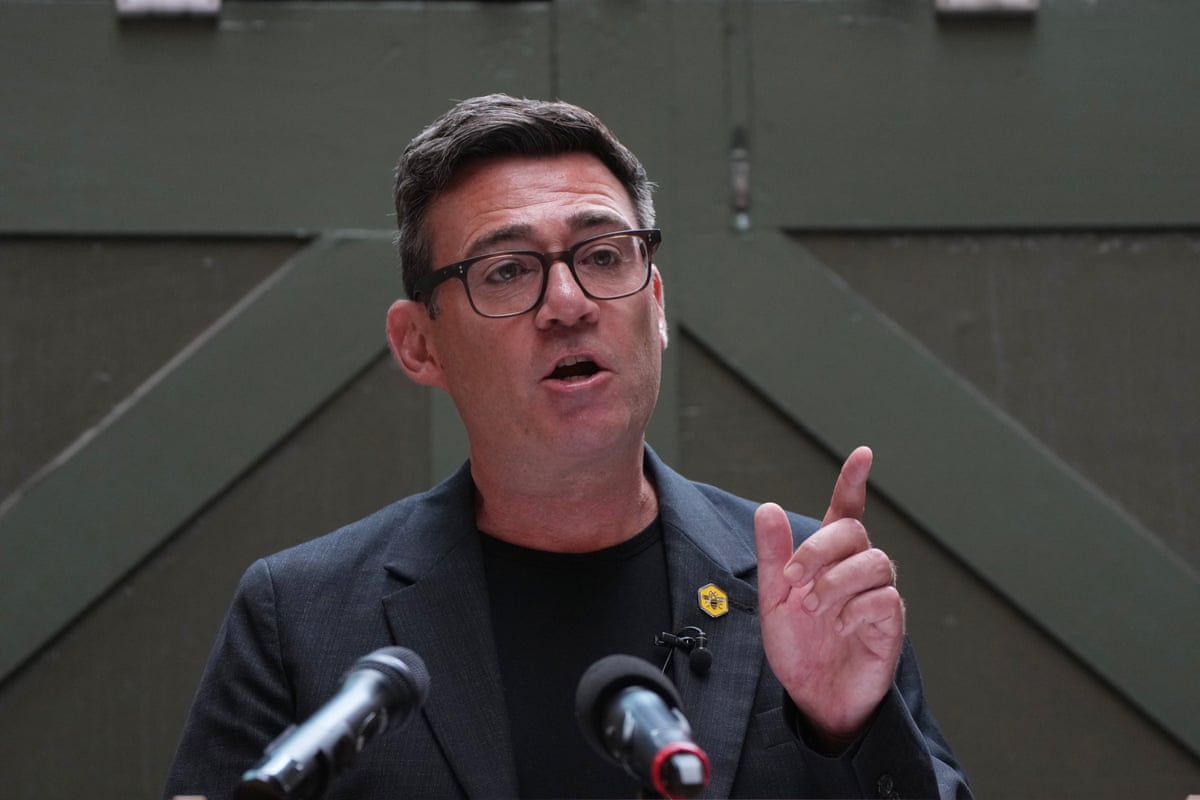
Andy Burnham, the leading candidate to succeed Keir Starmer as prime minister, has indicated some of his tax proposals as he develops plans to rejuvenate Britain’s high streets.
In his first interview since being elected MP for Makerfield, Burnham told LBC that there is “some room” within the Labour manifesto for “movement on tax”. While reaffirming his commitment to adhere to the manifesto promises of not increasing income tax, VAT, or national insurance personal contributions, he suggested flexibility for other taxes, such as business rates on warehouses.
“I stick by the manifesto and the promises that it made. So, let me be absolutely clear about that, but there is some room within that manifesto for movement on tax,”
“So if you take business rates, for instance, I believe there is a case for higher business rates on warehouses and the major developments we see on the outskirts of our cities, so that we can cut business rates for pubs, and I’ve proposed a 20 per cent cut and lift some high street businesses out of business rates altogether.”
He added that he wants to prioritise and reward businesses that “bring social benefit and bring people together”, listing bars, restaurants, coffee shops, and hairdressers.
“The high street really needs to get more of our attention,”
Also in the interview last night, Burnham promised to ease the cost of living if he becomes prime minister, stating he would consider reducing water and energy costs and making bus travel free for 16- to 18-year-olds.
You can read our write-up of that interview here:
Burnham is expected to answer more questions today from the public in an “Ask Me Anything” (AMA) session on Reddit. The AMA event on the r/UKPolitics subreddit is scheduled to start at 5pm.
Users have submitted questions ahead of the AMA, including inquiries about whether he would scrap the state pension triple lock, his plans to “re-instil [the] hope so many of us had back in 2024”, his views on the “future with our relationship with the US”, and even his “favourite flavour of crisps”.
The UK’s culture and media department will cease using X, the platform formerly known as Twitter, citing that the site “now favours abuse and misinformation over meaningful debate,” the department announced.
The culture secretary’s department is the second UK government department to withdraw from the Elon Musk-owned platform amid growing concerns about its prioritisation of often inaccurate far-right and racist content, and its use in inciting violence and division.
Two weeks ago, Richard Hermer, the attorney general for England and Wales, instructed his office to stop posting on X, a decision partly influenced by the platform’s role in inciting disorder in Southampton and Belfast earlier in June.
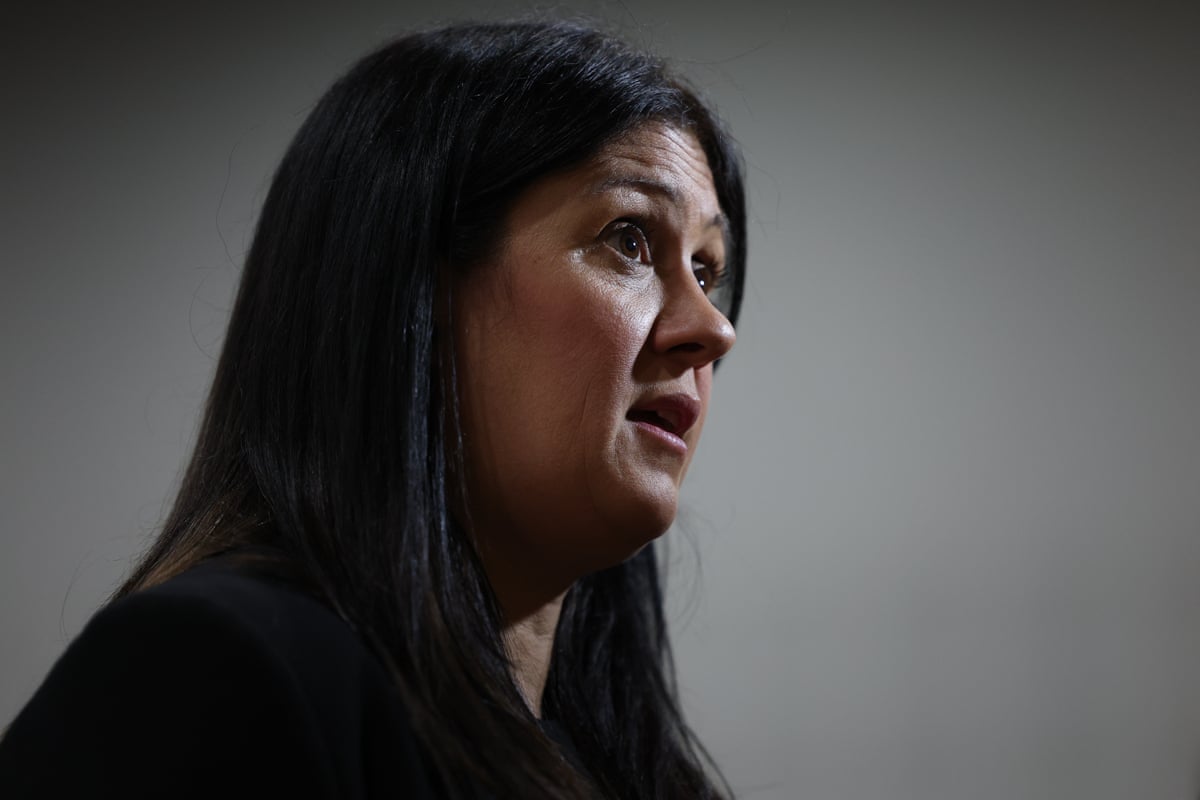
In a statement on her personal account, Lisa Nandy said:
“I’ve decided to leave this platform and my department will too. A platform originally designed for free speech and expression now favours abuse and misinformation over meaningful debate. It isn’t healthy for our democracy or our communities and I don’t want to support it.”
Exclusive: Infrastructure cuts to pay for defence will cost UK 10,000 jobs, analysis shows
Keir Starmer’s decision to reduce billions of pounds in infrastructure spending to fund increased defence equipment will result in the loss of 10,000 jobs in the UK, according to an analysis of government data.
The prime minister announced an additional £15bn investment in defence to modernise the armed forces and stimulate British manufacturing.
The long-anticipated defence investment plan (Dip) was intended to solidify Starmer’s legacy in foreign policy and security as he prepares to leave Downing Street. However, it raised questions about funding sources, with £6.8bn to be raised through unspecified cuts to departmental investment programmes and another £4.7bn from other areas.
Analysis by researchers at the Transition Security Project indicates that while the increased defence investment will create approximately 10,000 jobs by 2029-30, the funding cuts in other sectors will eliminate nearly twice that number.
The findings challenge assertions by Starmer and his chancellor that reallocating government spending to the Ministry of Defence will boost British jobs.


