Smartphones: A Major Challenge for Schools
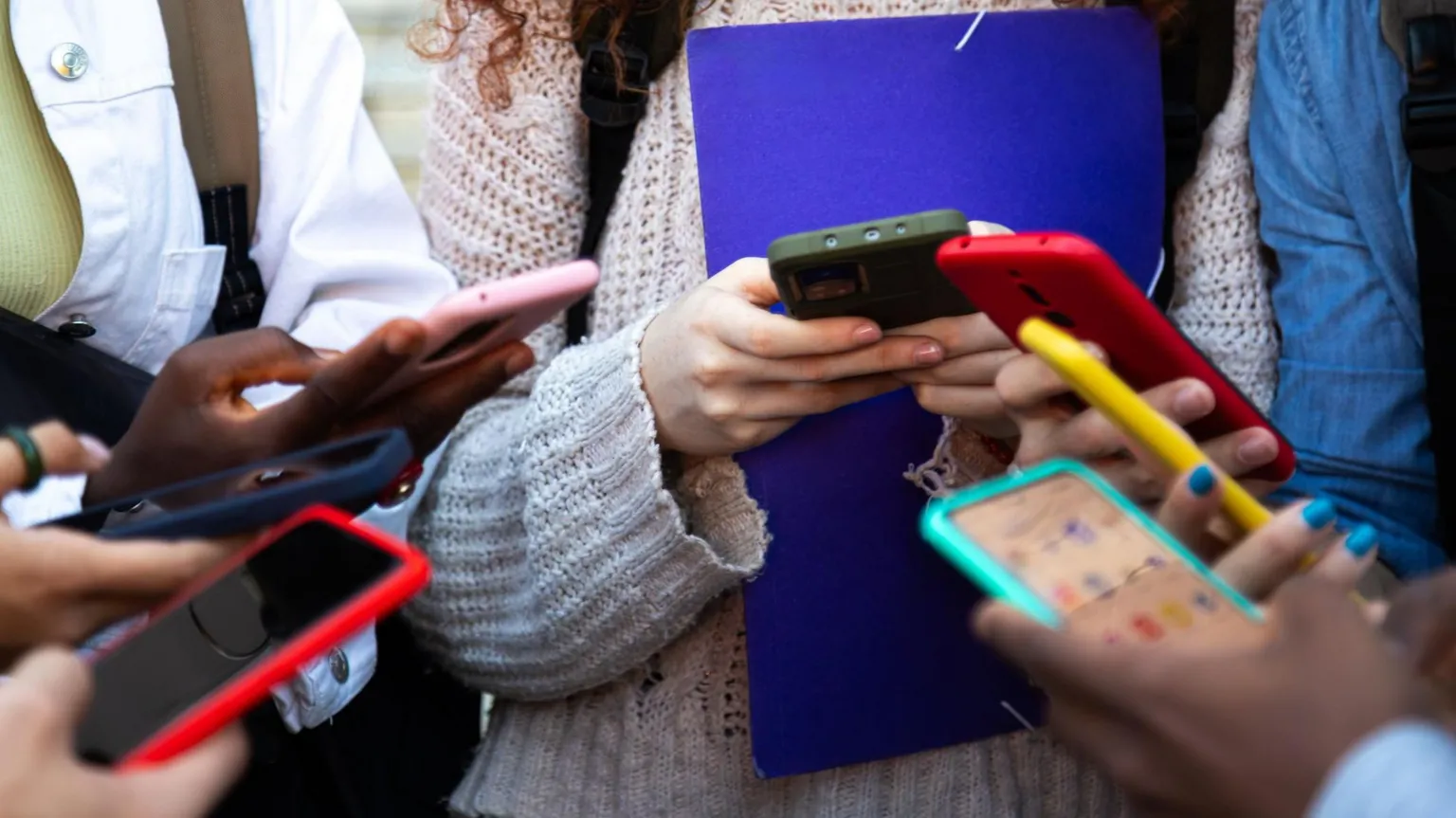
Smartphones in classrooms have been identified as a significant challenge by educators, with one headteacher describing it as the "most serious issue facing schools in a generation". The disruption caused by smartphones during lessons and the broader effects of social media on young people are raising concerns among teachers and parents alike. One mother recounted how her child's "obsession" with smartphones contributed to self-harm.
In response, some schools have introduced voluntary charters where parents agree not to provide their children with smartphones during primary education. The education minister has also supported similar initiatives. Various approaches, including phone pouches and social media restrictions implemented in other countries, highlight the complexity of the issue. This article explores why smartphones are such a serious problem and what measures are being taken in Northern Ireland.
Hollybush Primary School's Smartphone Charter
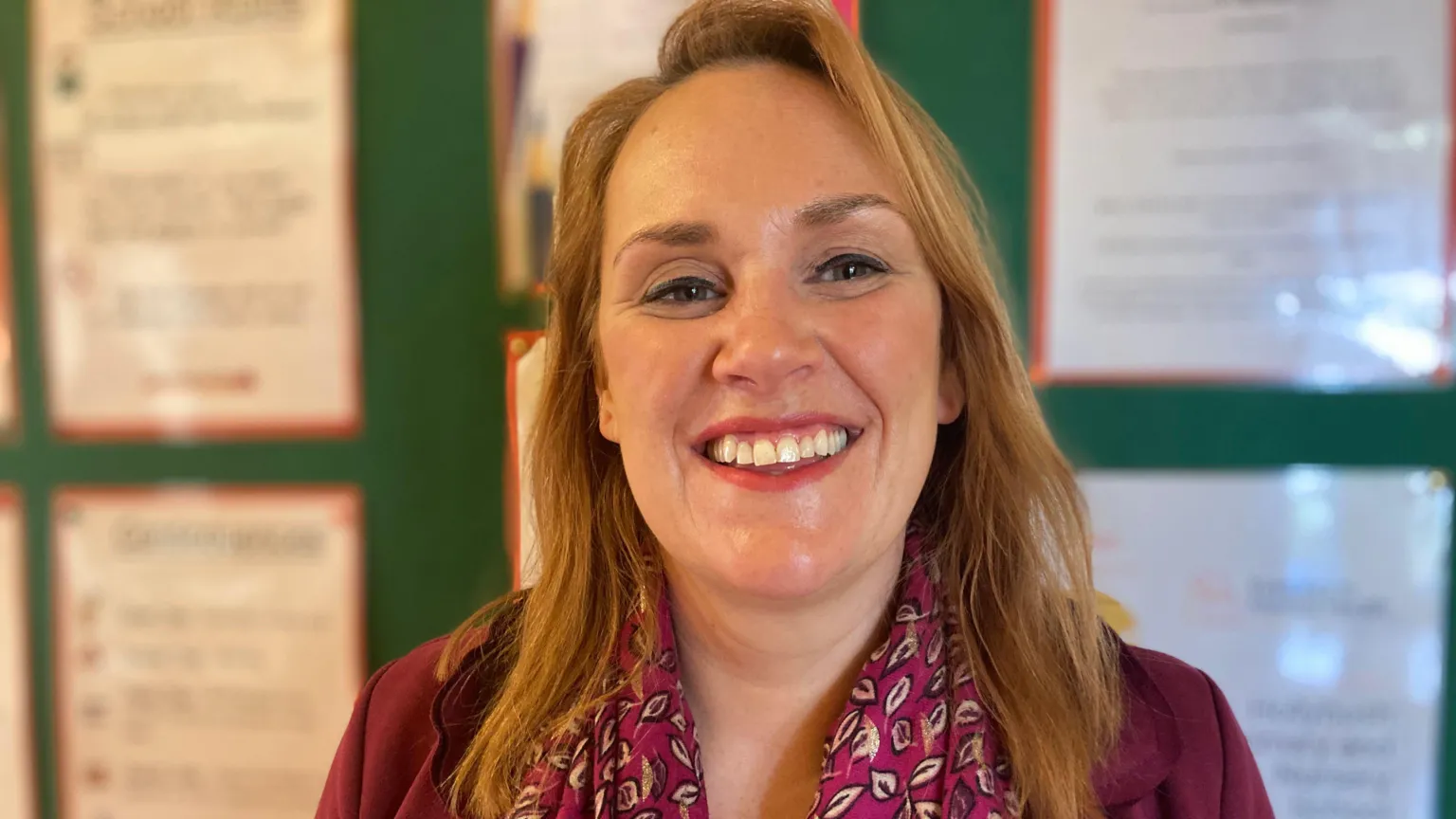
Hollybush Primary School in Londonderry has implemented a smartphone charter, a voluntary written agreement where parents commit not to purchase smartphones for their children until they complete primary seven. Acting principal Fergal Friel described smartphone use among children as the most serious issue schools have faced in recent years.
Friel was motivated to act after a parent expressed feeling as though they had "lost their child" to smartphone use. With 32 years of experience in education, he considers smartphones to present the greatest challenges he has witnessed professionally.
"I have grave concerns that smartphone culture is affecting the development of children's brains and as well as their well-being,"
he told BBC Radio Foyle's North West Today programme.
"This is a home issue too. Schools have to be careful about not telling parents what to do but we can encourage them."
Currently, 97% of parents at Hollybush Primary have agreed not to provide smartphones to their children until they reach secondary education. Additionally, up to 35 primary schools in Derry are reportedly adopting similar charters.
A recent Education Select Committee report found that one in four children exhibit smartphone use patterns resembling behavioural addiction.
'Beginning of End of Innocence'
One mother shared her experience with NI, describing how her 15-year-old daughter developed an "obsession" with her smartphone and social media, which she believes significantly contributed to her self-harming behaviour.
"It was the beginning of the end of her innocence,"
said the woman, who requested anonymity to protect her daughter's identity.
"She was talking to a lot of strangers online, not interested in real-life friends anymore, started to refuse going to school, we had issues with self-harm.
Her life was her phone really, she barely came out of her room for a few years."
The situation intensified during the Coronavirus pandemic when social contact was limited.
"She became reliant on her phone, that was her life at that young age.
She was definitely following people who were making out that this (self-harm) was a trend to jump on.
When she wasn't on her phone for, like a couple of days or something, it was like she was back to herself, but in the in-between time, it was like going through withdrawal."
Her daughter has since improved as she approaches 16, but the mother has resolved not to allow her two younger children to have smartphones until they are older.
Legal and Policy Framework
The UK government has faced calls to enforce a statutory ban on smartphones in schools, though recent studies suggest that strict bans alone are not a comprehensive solution. In Northern Ireland, the Department of Education advises that mobile phones should not "in normal circumstances" be brought into primary schools.
Education Minister Paul Givan has supported campaigns encouraging parents to delay providing smartphones to children until age 14.
International Approaches
Australia has implemented a ban on social media use for children under 16, motivated by concerns over cyberbullying, grooming, misogynistic and violent content, as well as material promoting eating disorders and suicide.
The British government has opted against such a strict ban, instead endorsing flexible ministerial powers. In the Republic of Ireland, schools are mandated to prohibit the use and access of personal mobile phones by pupils during the school day.
However, the Ombudsman for Children's Office has stated that blanket bans on phones in schools may not serve children's best interests.
Expert Concerns on Smartphone Impact
Paediatrician Dr Claire Sinton, representing the campaign group Smartphone-free Childhood, highlighted increasing evidence of the serious harm excessive device use can cause children.
"Apart from the dangers of some online content, it could have implications for the way they interact with other people, affect their speech and language development and, in some cases, lead to addictive behaviour,"
she said.
Dr Sinton expressed particular concern about online grooming.
"We are offering a worldwide web full of paedophiles access to our children,"
she said.
"Smartphones also mean explicit, violent and extreme content is only ever a few clicks away, often served up by the algorithms when kids aren't even looking for it.
Once children see these things, they can never be unseen."
Effectiveness of School Smartphone Charters
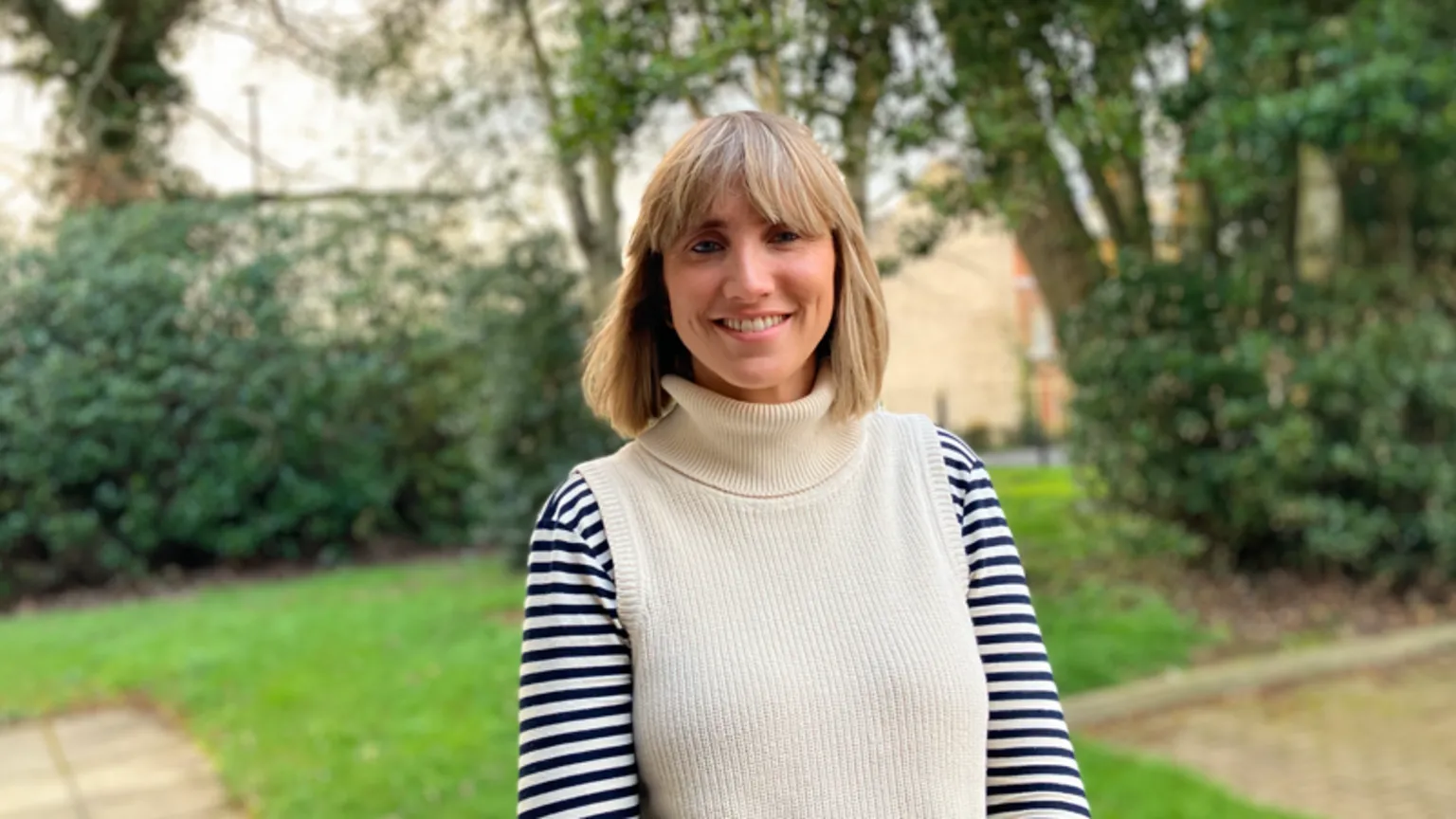
Nora Allen, a parent of two children at Hollybush Primary, supports the smartphone charter initiative.
"Losing your child to a device is one of my biggest fears,"
she said.
"My children don't have phones but I dread the day they would be rather be on the phone in their bedroom instead of talking and playing with me.
We all need to come together as parents and work with schools to get on top of the issue."