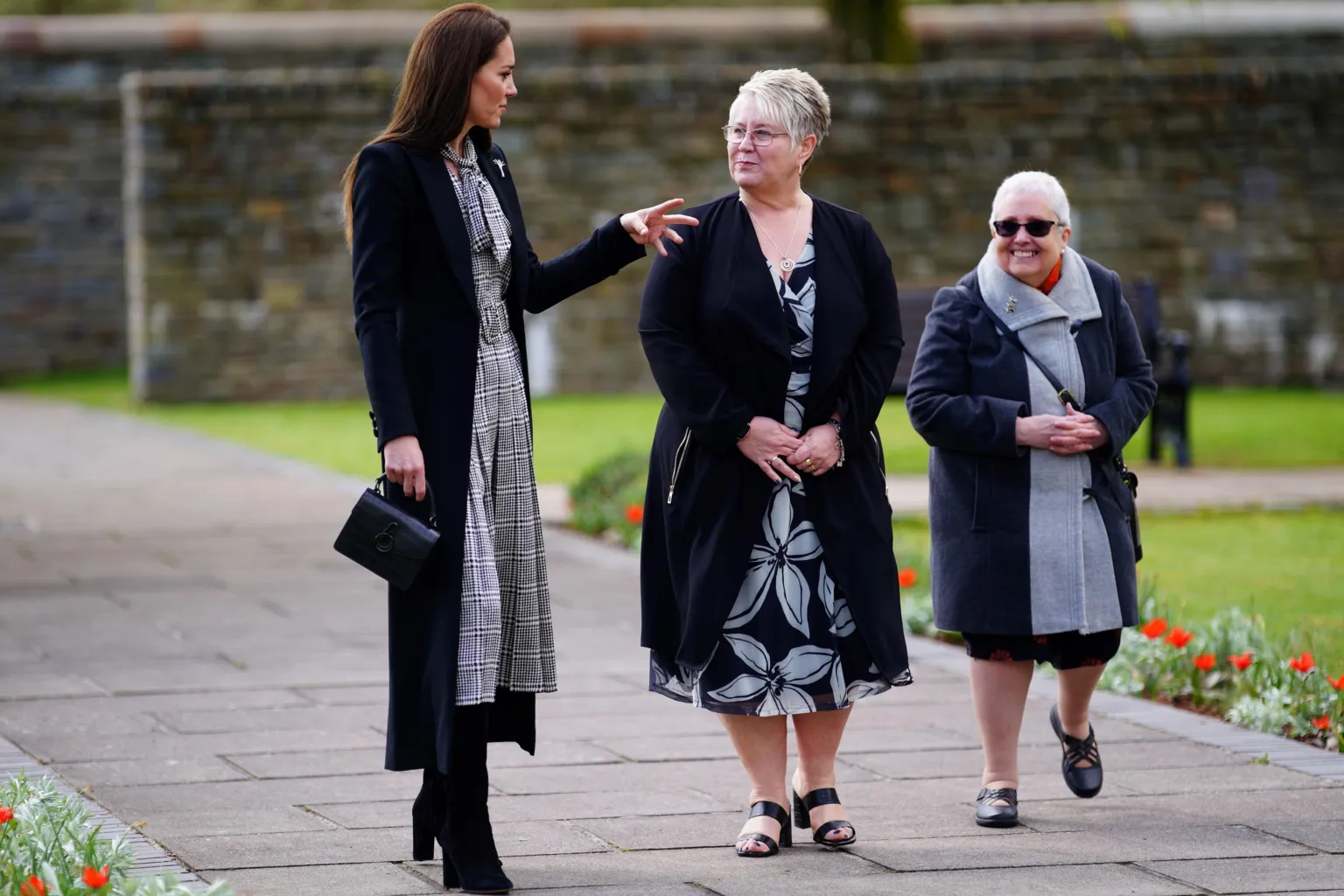
Memories of the Aberfan Disaster
This story contains upsetting details that some may find distressing.
Even after six decades, Mair Morgan vividly recalls the face of a young girl with "beautiful black curly hair" whose body she was tasked with identifying following the Aberfan disaster.
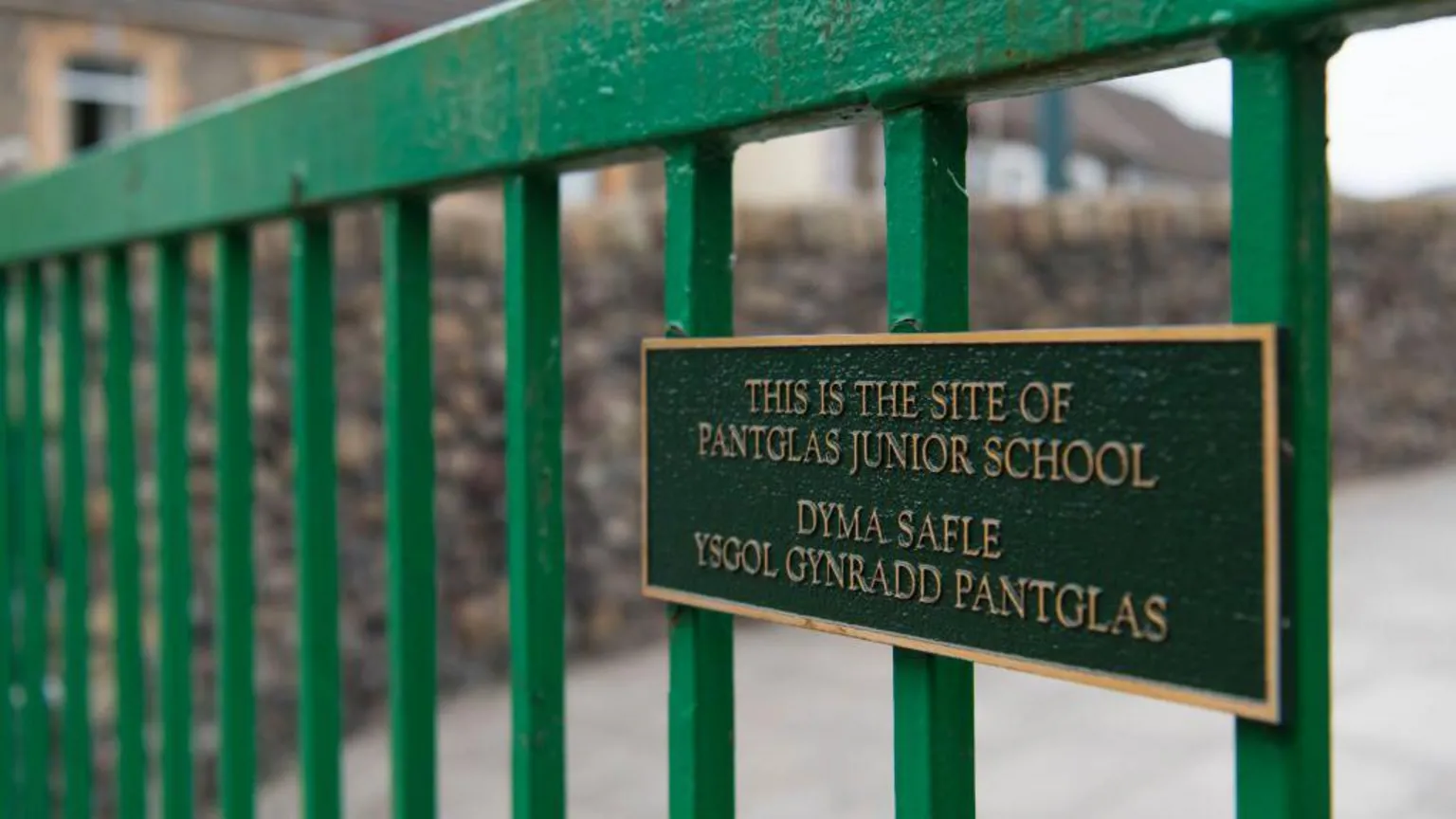
On 21 October 1966, a colliery spoil tip collapsed, sliding down a mountain and engulfing Pantglas Junior School and nearby homes in the Welsh village of Aberfan. In the aftermath, teachers were asked to confirm the identities of deceased children before their bodies were cleaned and their families informed.
As the 60th anniversary approaches of the tragedy that claimed 116 children and 28 adults, Mair, the last surviving teacher from the event, has shared how the disaster remains deeply etched in her memory.
"I don't like the month of October at all, because that's what brings it back,"
said Mair.
Now 84 years old, Mair is among the few surviving adults who witnessed the catastrophic events of that day. She had been teaching at Pantglas Junior School for one year when the disaster occurred.
On the morning of the tragedy, it was her responsibility to ring the bell to bring children into class.
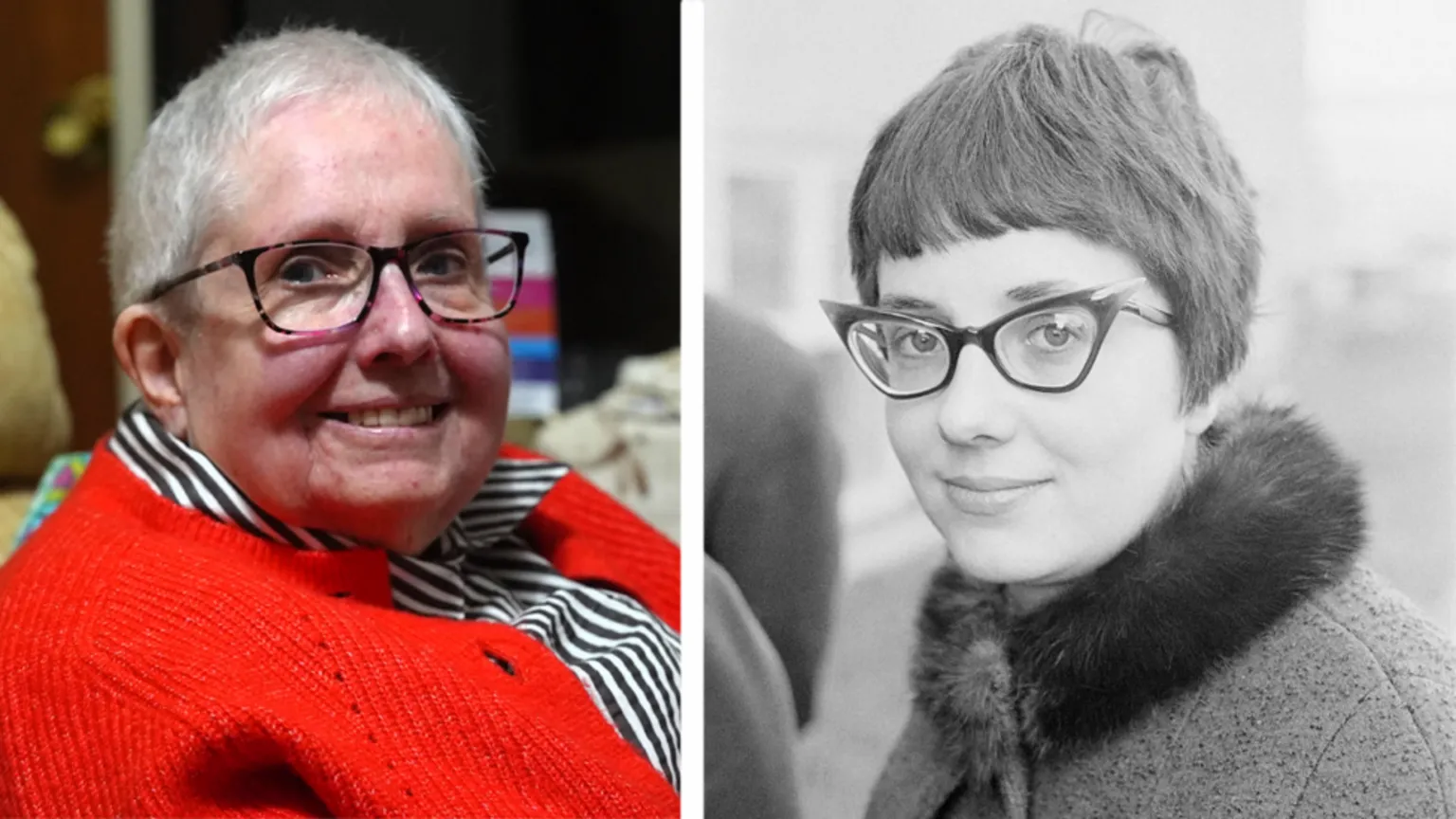
"Ever since I remember, I always wanted to be a teacher, I think it was because my aunt was a teacher," Mair explained.
Her childhood ambition led her to her first teaching position in England before returning to her hometown area to teach in Aberfan.
At 25 years old, Mair fondly recalls her first year teaching in south Wales: "I loved it. It was a happy school."
The Day of the Disaster
Unbeknownst to those at the foot of the mountain, the large spoil tip had become unstable due to a build-up of water. At 09:15, approximately 150,000 tonnes of slurry surged down the slope, crashing into the primary school and engulfing the building.
"I heard this terrible noise,"Mair recalled.
Her classroom was housed in a separate building from the main school. Through the windows, she observed a playground wall had collapsed, prompting her to gather her pupils and lead them outside.
She escorted the children down to the steps by the main road and stood with them, striving to maintain calm as mothers rushed to the school.
"If you're calm, they're calm as well,"she said.
One by one, her pupils were collected. Although her class escaped the slurry's devastation, some of their families were not as fortunate.
"A little boy in my class lost his mother and sister,"Mair remembered, adding that the boy was later picked up by his aunt.
She also recalled a teacher from another school, Bill Evans, whose house was adjacent to Pantglas.
"He lost his wife, baby, and his son - who should have been in school but had tonsillitis so was home. He lost his complete family."
The full scale of the disaster became apparent only later. Five of Mair's fellow teachers perished, with only four staff members surviving.
In the days following, Mair and two colleagues repeatedly returned to Aberfan despite police restrictions on village access.
"We felt we needed to be there. You felt you ought to be doing something."
Within the school playground, a temporary shelter was established to lay out the first bodies recovered from the debris.
The surviving teachers were given the grim task of identifying the deceased children.
"They opened Bethania Chapel as a place to take the children. But before that, in the playground, there was a shelter from the rain.
"The first bodies they brought out, they put in there, and the sadness was that they asked us could we identify these children before they were cleaned up and before their parents were told.
"I found that very hard. Thinking back, in this day and age, they wouldn't have asked you to do it."
She still remembers the face of one little girl.
"She had beautiful black curly hair,"she said quietly.
It soon became clear that the loss of life was too great to continue this task, but Mair, along with Hettie Williams and Rennie Williams, continued to offer comfort and support.
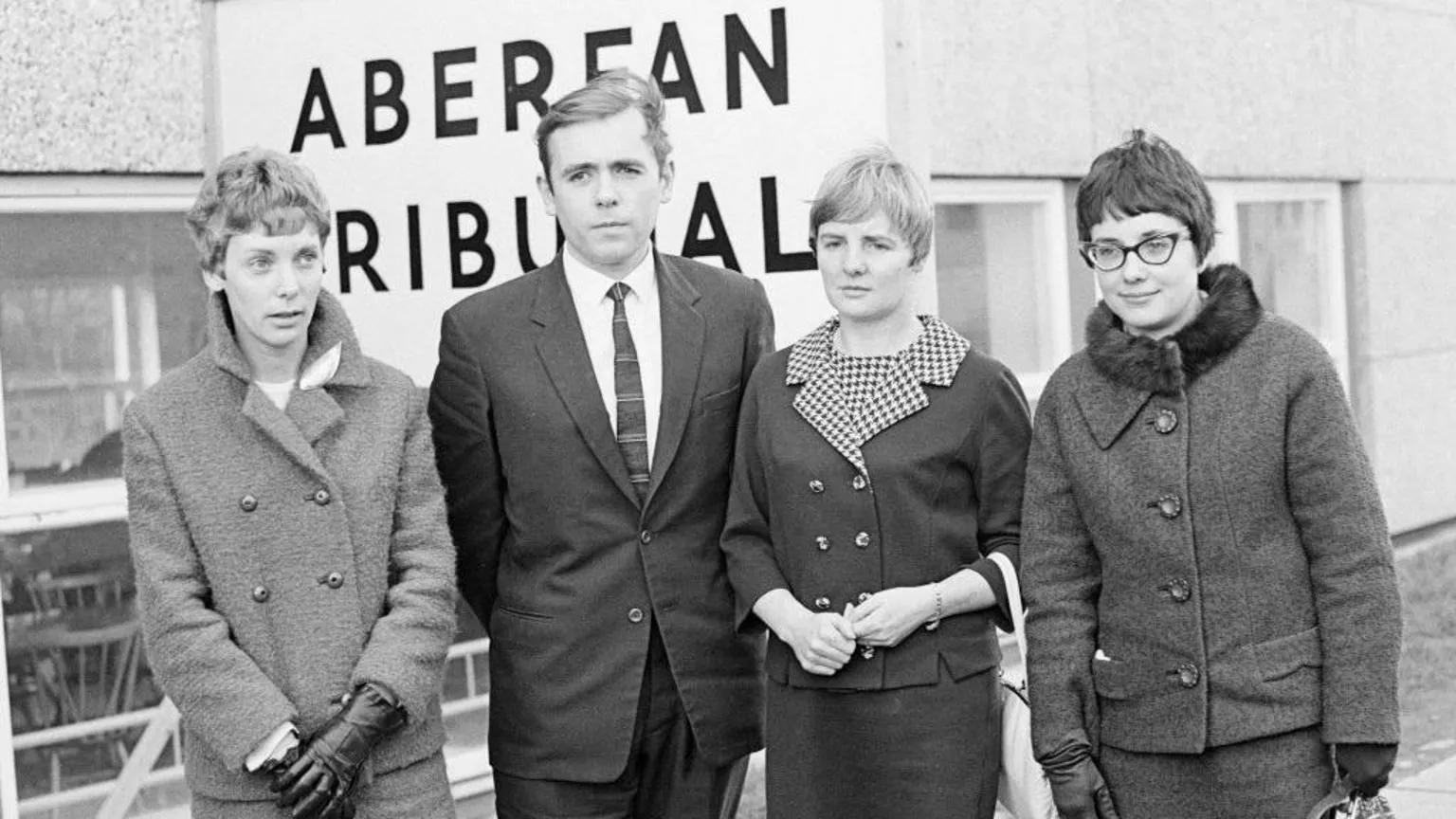

Fellow teacher Howell Williams, who broke a window to help students escape, was later collected by his family from the village's chaos.
"We went to visit the parents of the bereaved and that was very sad but we needed to do things like that,"Mair said.
Without formal counselling, Mair believed the teachers provided mutual emotional support, forming a close bond that lasted a lifetime.
Returning to Teaching
After a brief respite in London arranged by the National Union of Teachers, Mair returned to Aberfan.
Classes resumed in temporary facilities where children of various ages learned together.
"[It] was very informal. We read with the children, did a little bit of work, just trying to get back to normal,"she explained.
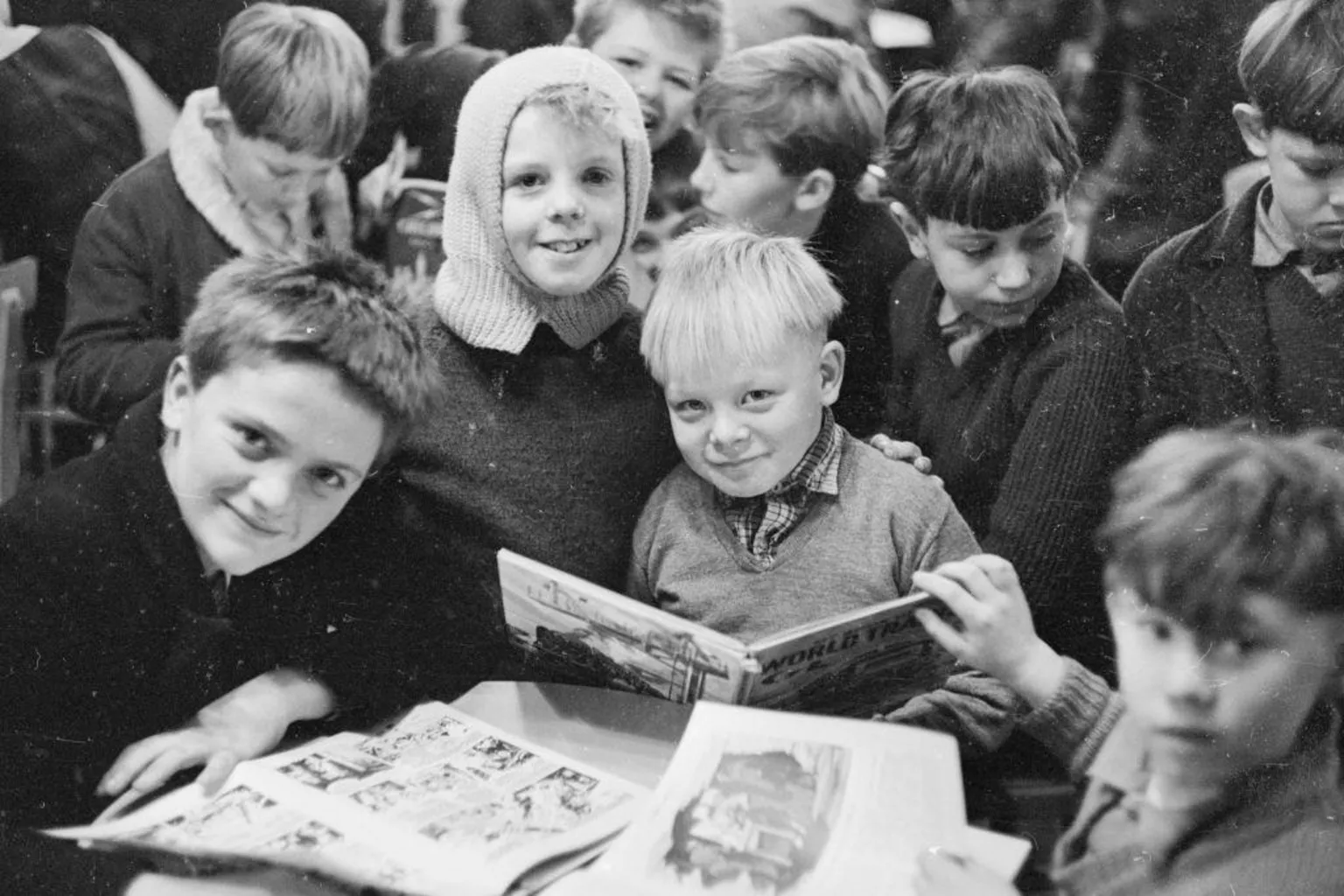
While Hettie and Rennie moved on, Mair remained in Aberfan, feeling "rooted" to the community.
She continues to live just outside the village, where former pupils still stop her in the street.
"I loved the children,"she said.
"And children are resilient, especially young ones. It was in the parents that you could see the sadness."
Legacy and Remembrance
The Aberfan disaster prompted significant changes in industrial waste management across the UK.
For those who experienced it, the anniversary serves as a solemn reminder to ensure the lessons of Aberfan endure, while also being a deeply personal time.
"The only time it affects me is in October,"Mair said.
"I don't like the month of October at all, because that's what brings it back."
Having rarely spoken publicly about the disaster, Mair has observed how the story of Aberfan is often retold, sometimes inaccurately.
She is particularly keen to correct a persistent misconception regarding the children singing "All Things Bright and Beautiful" during assembly when the tip collapsed.
"There was no assembly that morning. If there had been, there would have been no survivors."
She explained that assembly was scheduled for the afternoon, when the head teacher planned to warn children about potential dangers during the half-term holiday.
Children would have been cautioned by head teacher Miss Jennings not to approach the railway line, the river, or the colliery.
However, the greatest hazard was the unstable spoil tip looming on the hillside behind the school.
Mair added that Miss Jennings "could have retired the year before."
This reflection brings to mind another lost teacher, Michael Davies.
"It was his first teaching job. You could say he'd only worked for a month and a half, which was tragic."
Aberfan remains a significant chapter in Welsh history and in Mair's daily life. She notes that former pupils rarely mention the disaster but acknowledges the shared bond it creates.
"People must learn lessons from what's happened."