

Significant Archaeological Discovery at Cardigan Hospital Site
Archaeologists have uncovered the remains of 38 individuals at the former Cardigan Memorial Hospital site in Ceredigion, a find described as both "significant" and "unexpected." The site, currently under development by Wales and West Housing Association (WWHA), revealed the bones of men, women, and infants during excavation work.
According to an archaeological report prepared for WWHA, the skeletons are believed to date back to the 12th Century. Historian Glen Johnson noted the site's considerable size and age, suggesting it holds potential for additional archaeological discoveries.
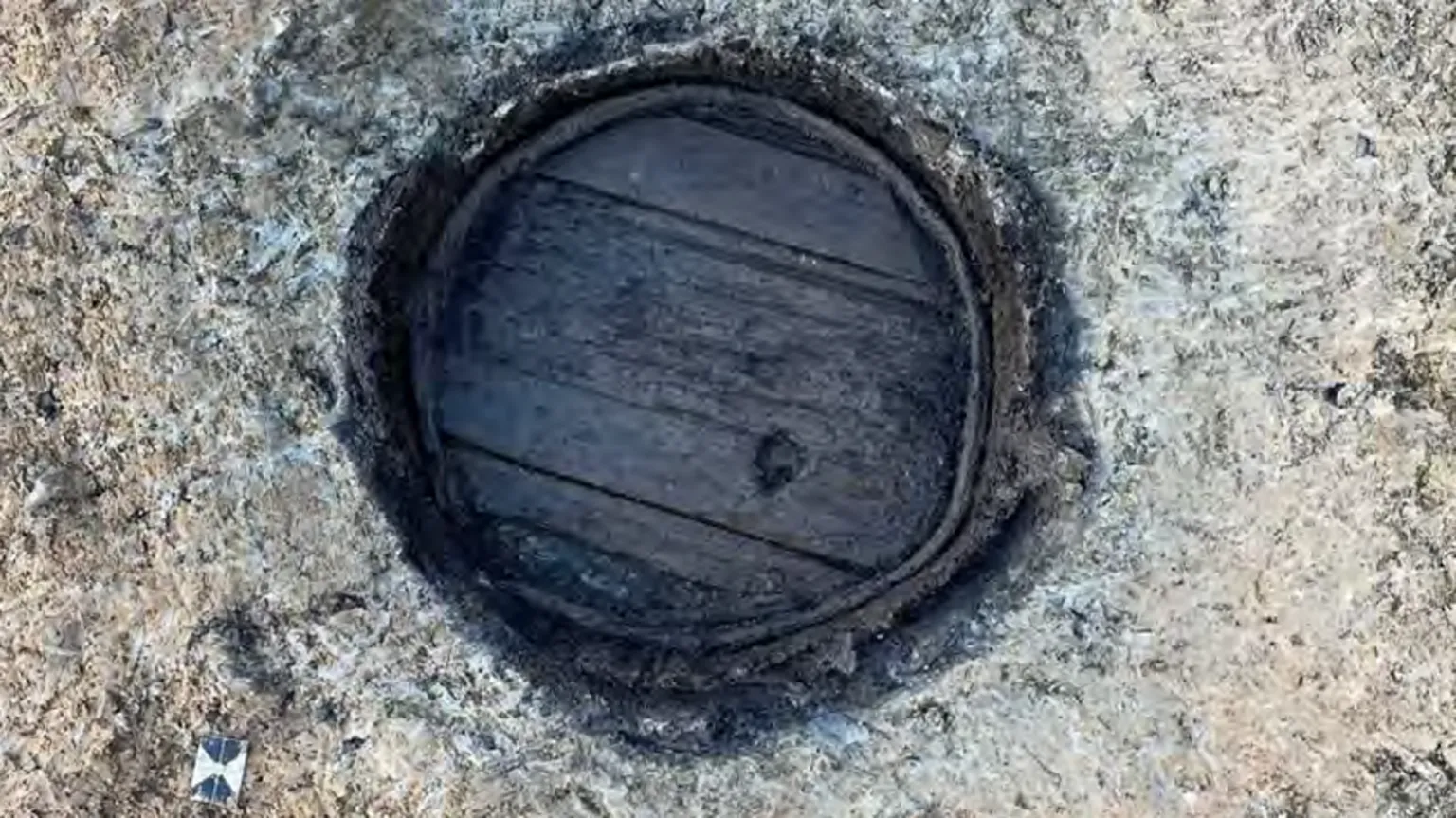
The skeletal remains were reported to be "largely in poor condition and disarticulated," though five graves contained coffin remains. All burials were oriented east to west, consistent with post-Roman Christian burial customs. The report indicates these remains may originate from a pauper's cemetery located north of a church on the site.
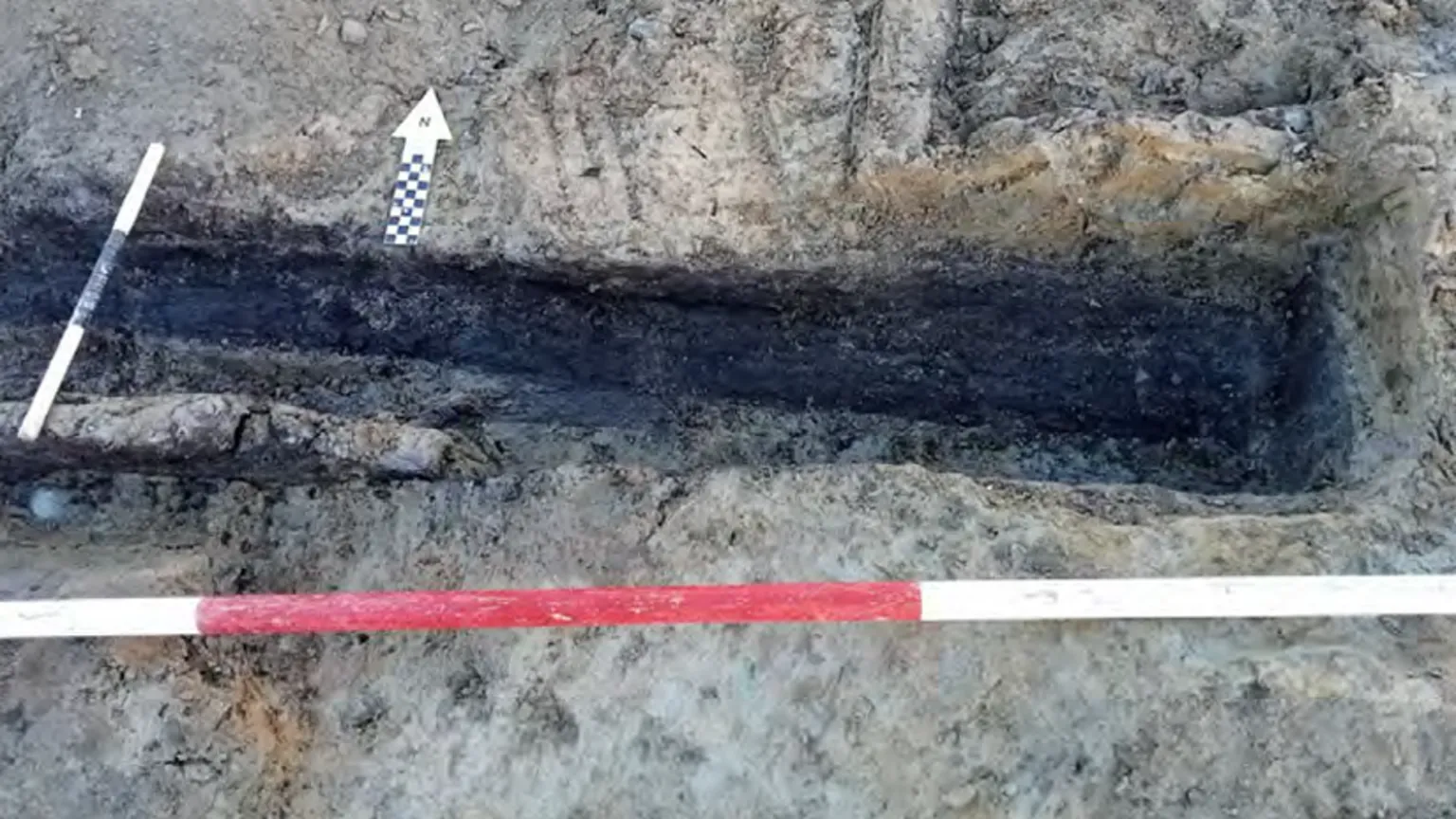
Alongside the human remains, various artifacts were unearthed, including animal bones and teeth, floor tiles, brick fragments, parts of an iron plough, glass, oyster shells, pottery, and roof slate.
Historical Context and Further Findings
Glen Johnson, a local historian, commented on the significance of the discovery, stating:
"The likelihood is that these were the graves of townspeople of various classes, pre-dating the dissolution of the monasteries in the 1500s."
"Their discovery is quite exciting and significant, and previously unexpected."
"Although they have classed the remainder of the site as being of low to medium archaeological sensitivity, the site is large enough and old enough to have potential for further archaeological remains."
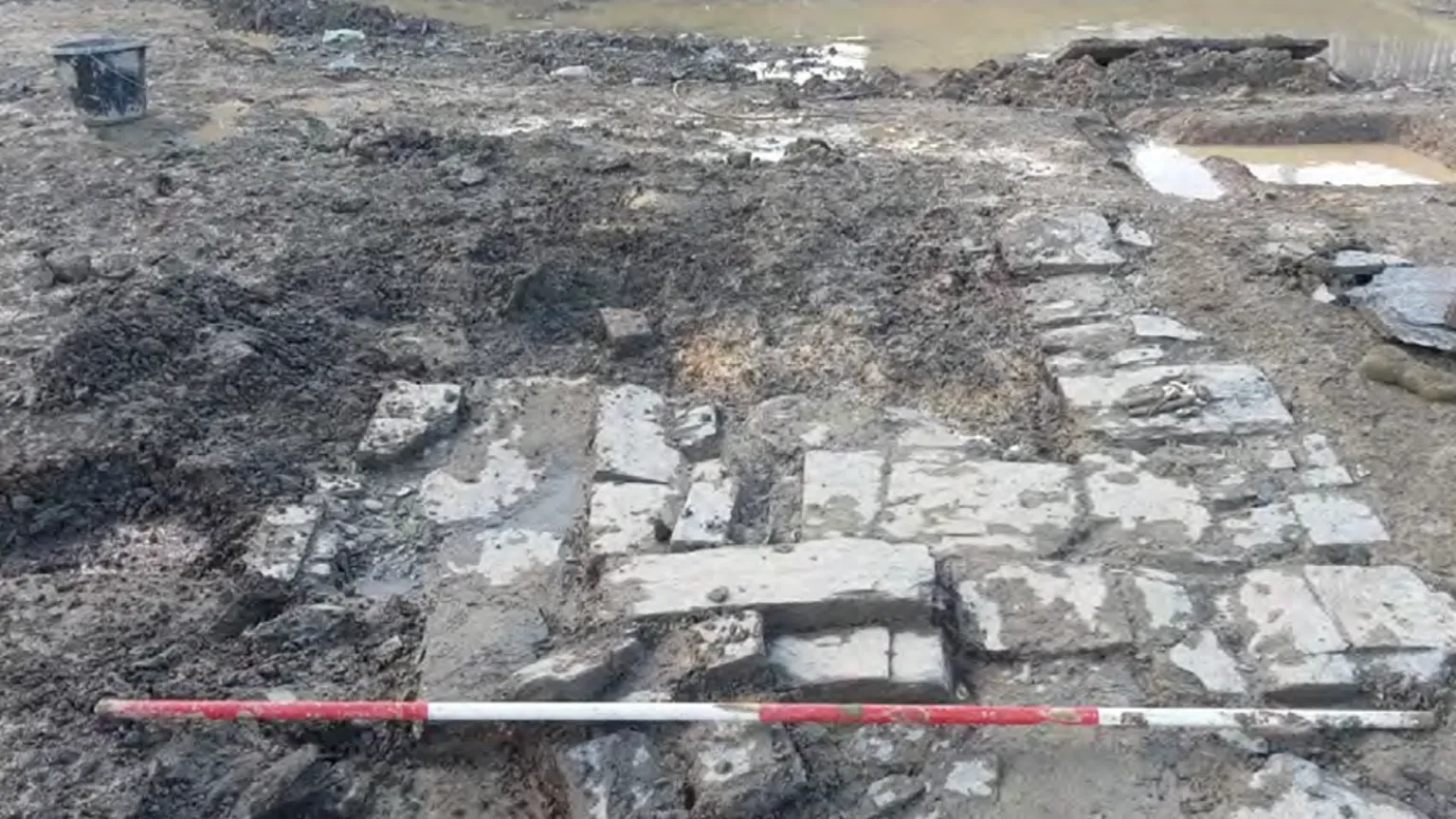
Johnson also highlighted other notable finds, such as medieval pottery, pits, and ditches from various periods predating the Memorial Hospital. The archaeological report, published in 2023 and discussed at a Cardigan Town Council meeting earlier this month, revealed these additional features.
He further remarked:
"As well as the burials, a quantity of medieval pottery has been found, together with pits and ditches of varying periods pre-dating the Memorial Hospital."
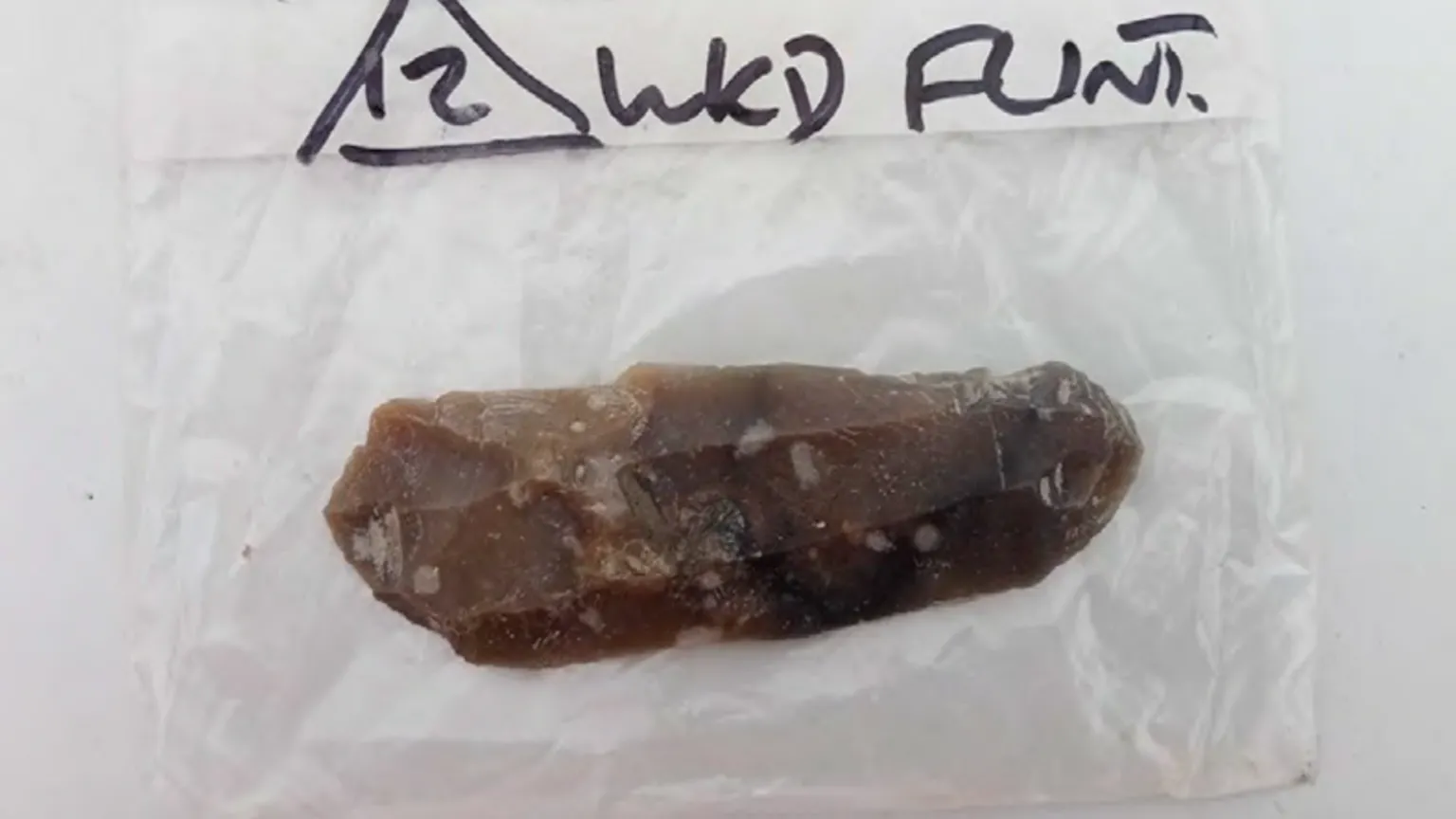
"Perhaps most unexpected of all is the discovery of several Bronze Age or late Neolithic flint tools, suggesting that this site was occupied or used in prehistoric times."
Site Redevelopment Plans
Cardigan Hospital closed in 2019 and was subsequently acquired by WWHA, which intends to redevelop the location into 20 flats, a community space, and an office. At a town council meeting in May, WWHA announced that construction work was expected to commence in June.


