

US Secretary of State Comments on Potential Iran Deal
US Secretary of State Marco Rubio stated on Monday that a deal to end the conflict with Iran could materialize "today." His remarks followed a significant drop in oil prices and a rise in Asian stock markets, reflecting optimism that the US and Iran are nearing an agreement that could bring a lasting resolution to the three-month war and reopen the strategic Strait of Hormuz. Brent crude futures fell 4.5% to $98.83 a barrel by 11:50pm GMT, marking a two-week low.
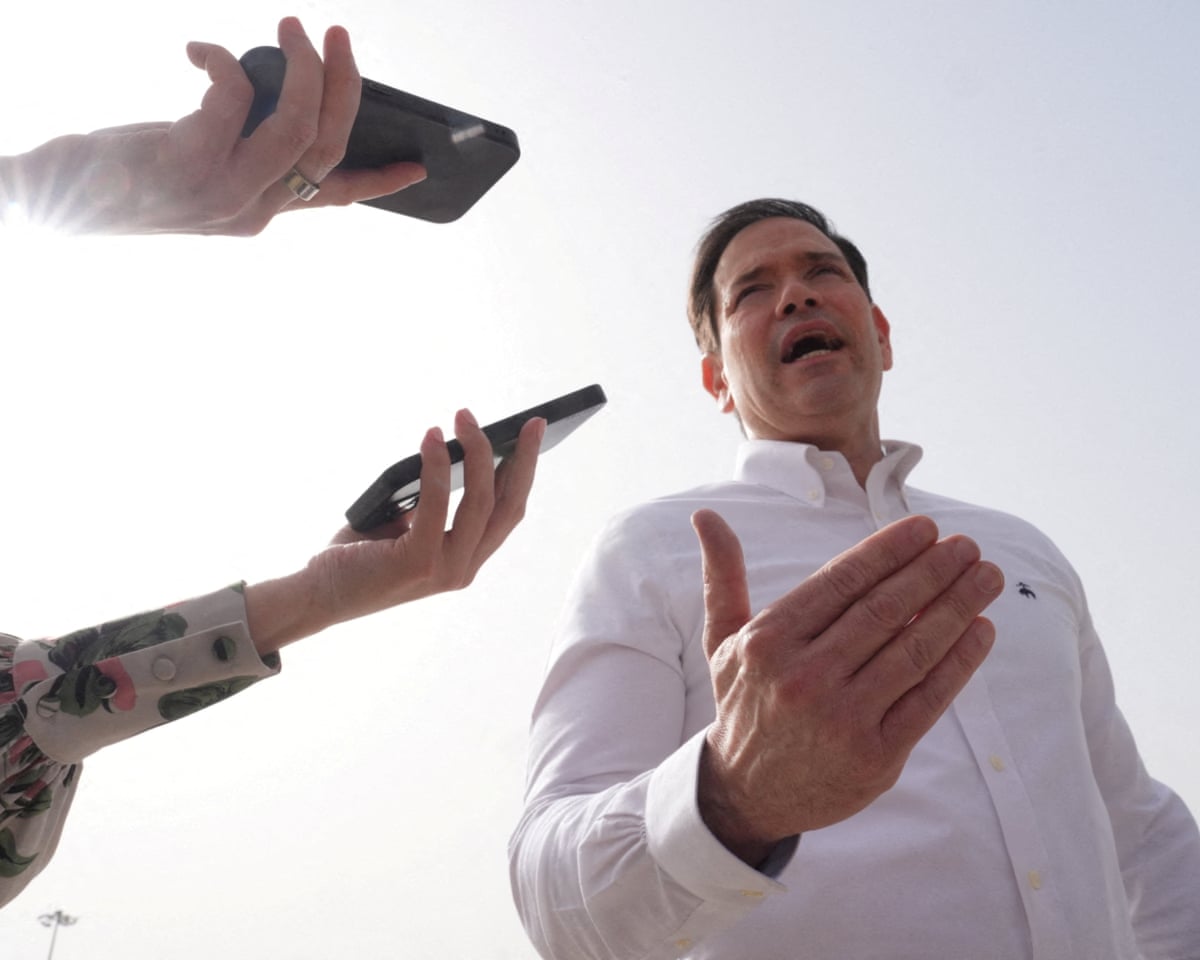
Speaking in New Delhi, Rubio commented on the potential agreement, saying,
"We thought we might have some news last night, maybe today – I wouldn’t read too much into it."
He added,
"We have what I think is a pretty solid thing on the table in terms of their ability to open up the straits. It has a lot of support in the Gulf."
US President's Perspective and Negotiation Status
Rubio’s remarks came after former President Donald Trump moderated expectations regarding the deal, stating on Sunday that he had instructed his negotiators "not to rush." Trump described the negotiations with Iran as "proceeding in an orderly and constructive manner."
Middle East officials informed the Associated Press on Sunday that the US was close to finalizing a deal with Iran that would end the war and reopen the Strait of Hormuz, a critical channel for global energy supplies.
On Sunday, Trump emphasized that the US blockade on Iranian ships in the Hormuz Strait would "remain in full force and effect until an agreement is reached, certified and signed." He further stated,
"Both sides must take their time and get it right."
Criticism of the Proposed Agreement
As details of the possible agreement surfaced over the weekend, critics including Trump’s former Secretary of State Mike Pompeo argued that it offered little beyond the 2015 Iran nuclear deal negotiated by former President Barack Obama, from which Trump withdrew during his first term.
Senator Chris Van Hollen, a Democrat on the Senate Foreign Relations Committee, commented that the reported outlines of the deal would amount to little more than
"the prewar status quo"with Iran.

Casualties in the Israel-Lebanon Conflict
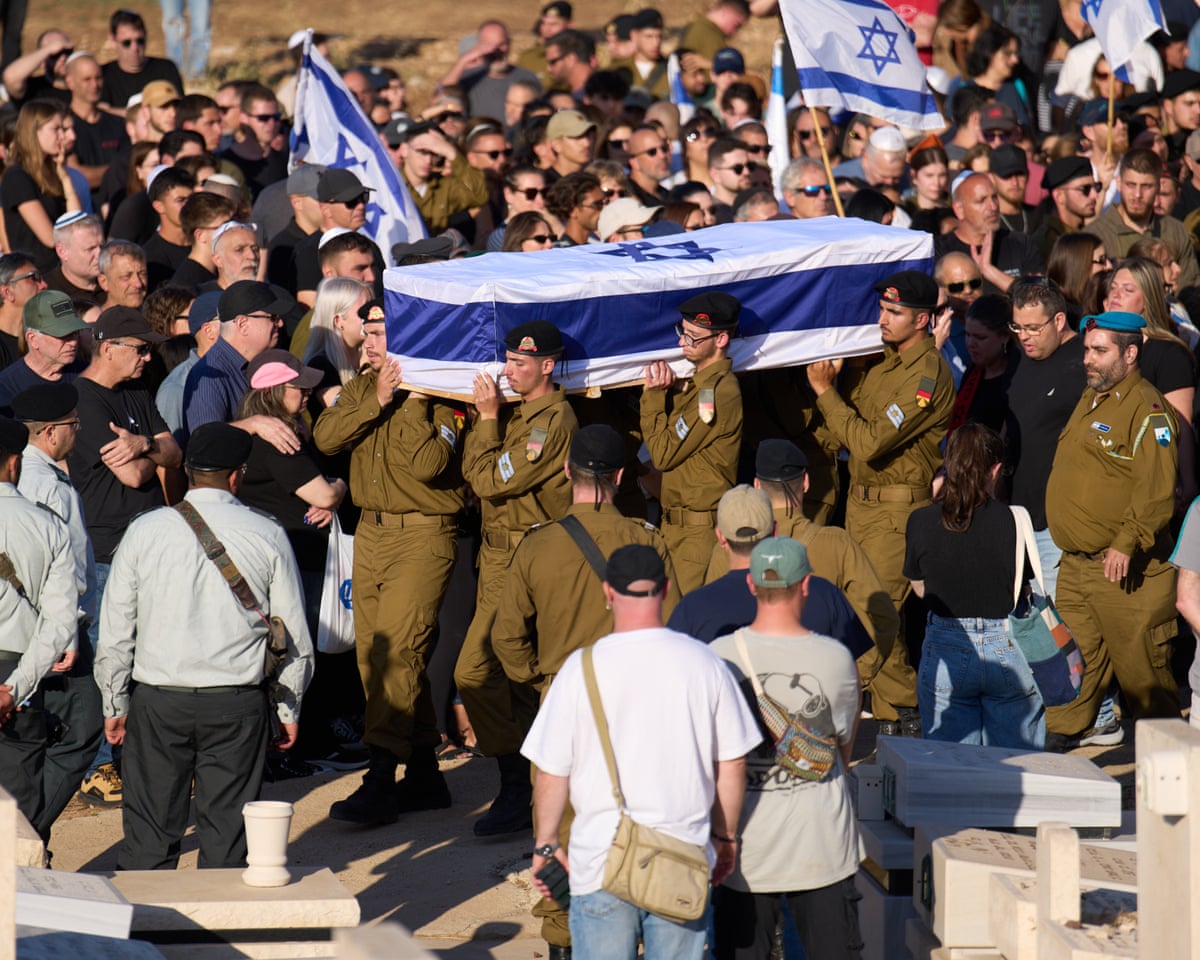
On Monday, Israel reported the death of a soldier in southern Lebanon, increasing the number of Israeli troops killed in the war with Iran-backed Hezbollah to 23.
A military statement cited by AFP identified the soldier as 19-year-old Sgt Nehoray Leizer of the 601st Combat Engineering Battalion, who
"fell in combat in southern Lebanon."
During the incident in which Leizer was killed, the Israeli military also reported via Telegram that
"an additional soldier was severely injured."
Since hostilities resumed on 2 March, a total of 24 Israelis have been killed in the conflict – 23 soldiers and one civilian contractor.
US Support for Israel's Right to Self-Defense
Marco Rubio also told reporters in New Delhi that
"Israel always has a right to protect itself."
He elaborated,
"If Iran is going to launch missiles or launches missiles at them, Israel has every right to respond to that, or to prevent that from happening. That’s always been understood. It’s being understood during the ceasefire."
Ceasefire and Ongoing Tensions
Israel and Hezbollah have continued exchanging strikes during the US-brokered ceasefire between Israel and Lebanon, which began on 16 April and was extended by 45 days.
The potential US-Iran deal reportedly includes a requirement for Israel to halt its offensive in Lebanon.
Israeli Prime Minister Benjamin Netanyahu stated on Sunday that Donald Trump had reaffirmed his support for Israel’s right
"to defend itself against threats on all fronts, including in Lebanon."


