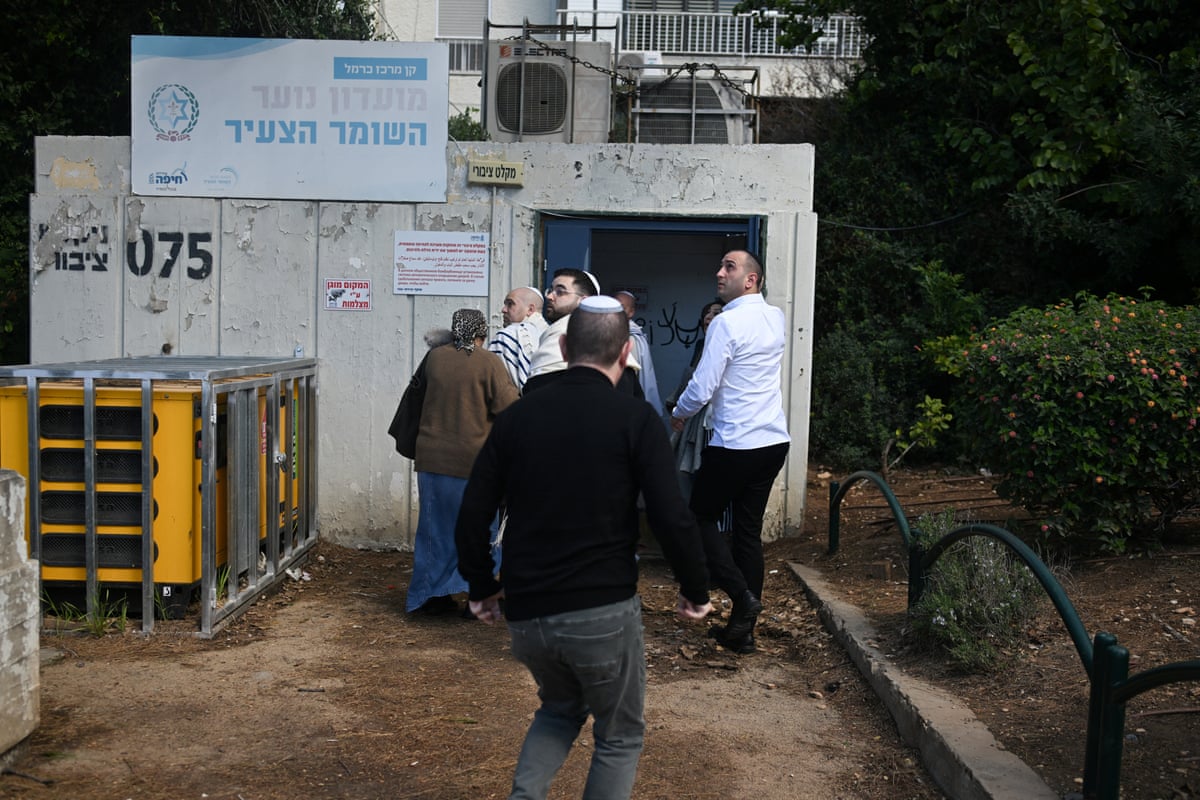
US and Israel Initiate Military Strikes on Iran
Israel and the United States have commenced a military campaign against Iran, conducting extensive air strikes across the country aimed at regime change. This offensive has escalated tensions and plunged the Middle East into a conflict that may persist for weeks or months.
The attacks unfolded suddenly throughout the day, affecting multiple countries in the region including Israel, Bahrain, Syria, Iraq, the United Arab Emirates, Kuwait, and Saudi Arabia, with numerous explosions reported.
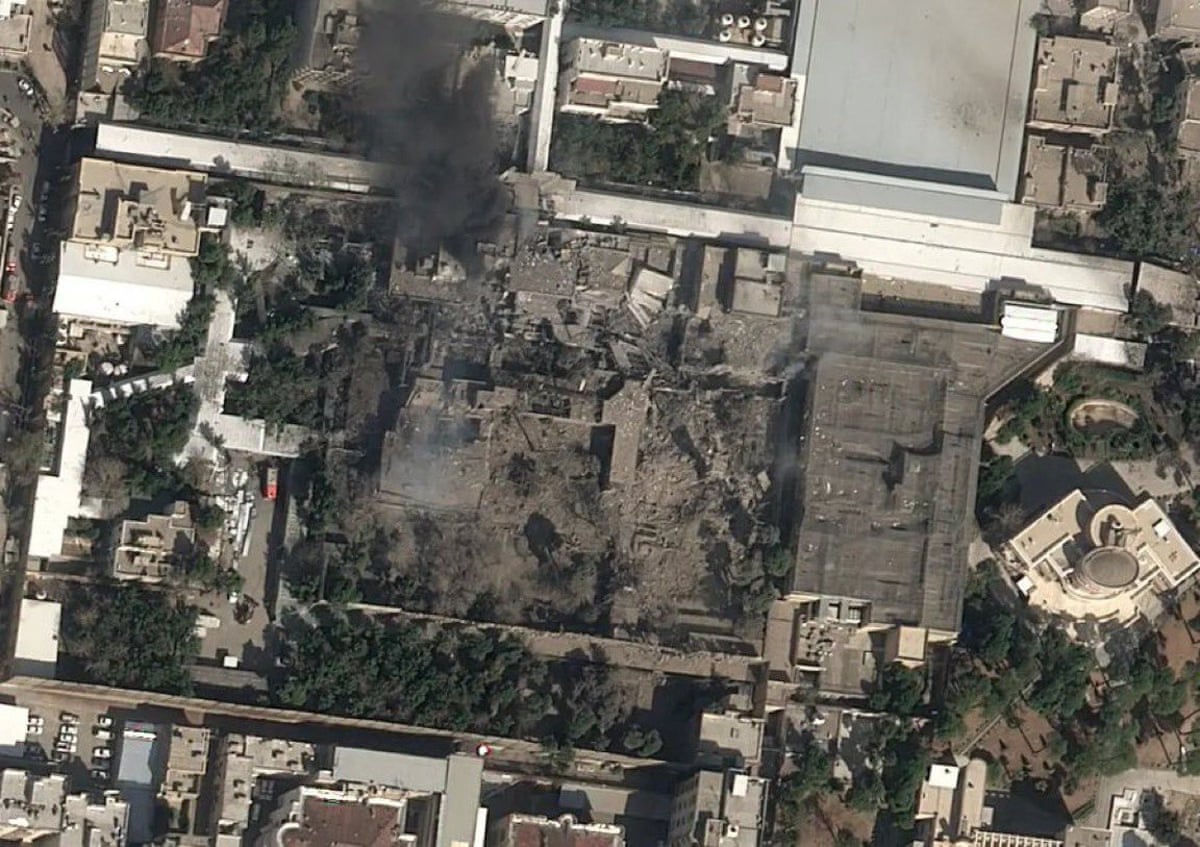
In a televised address, Israeli Prime Minister Benjamin Netanyahu suggested that the strikes had resulted in the death of Iran’s supreme leader, Ayatollah Ali Khamenei, who has not been publicly seen since the attacks began. Satellite imagery has revealed significant damage to his secured compound during the initial bombardment.
“There are many signs that [Khamenei] is no longer alive,” Netanyahu stated on Saturday evening. He further noted that Israeli strikes had eliminated “several leaders” involved in Iran’s nuclear program and that operations targeting related sites would continue in the coming days.
These comments, while not an official confirmation of Khamenei’s death, represent the strongest indication to date. Earlier, Iran’s Foreign Minister Abbas Araghchi told NBC News that both Khamenei and President Masoud Pezeshkian were alive “as far as I know.”
In a separate televised address, US officials declared that Operation Epic Fury aimed to neutralize a security threat to the United States and provide Iranians an opportunity to “rise up” against their government. Netanyahu urged Iranians to “flood the streets and finish the job.”
Iranian authorities stated they were not taken by surprise by the US attacks and warned that the consequences would be “long lasting and extensive,” with all possible scenarios under consideration, including previously unconsidered options.
Iran’s Revolutionary Guards issued threats against all US bases and interests in the region, declaring that retaliation would persist until “the enemy is decisively defeated.”
Details of the Initial Strikes and Regional Impact
The first wave of strikes early Saturday targeted senior Iranian officials and air defense systems, according to Israeli military sources, who added that the offensive would continue as necessary to achieve lasting change. Satellite images confirmed extensive damage at Khamenei’s secure compound, though his current status remains unclear.
Analysts have warned that an open-ended US or Israeli military campaign against Iran risks severe destabilization across the Middle East, potentially leading to widespread chaos and violence.
Experts have highlighted that this campaign, possibly the most ambitious US effort to reshape regional politics since the 2003 Iraq war, could have significant economic and political repercussions globally.
There are concerns that the strikes could disrupt global markets, especially if Iran renders the Strait of Hormuz unsafe for commercial shipping. In 2025, approximately one-third of worldwide oil exports passed through this strategic waterway.
The United Nations Security Council convened an emergency meeting on Saturday at 4pm local time (21:00 GMT) to discuss the escalating situation. Numerous countries issued statements urging immediate de-escalation.
French President Emmanuel Macron commented:
“The escalation under way is dangerous for everyone. It must stop … The outbreak of war among the United States, Israel and Iran has serious consequences for peace and international security.”
Iranian Response and Regional Retaliation
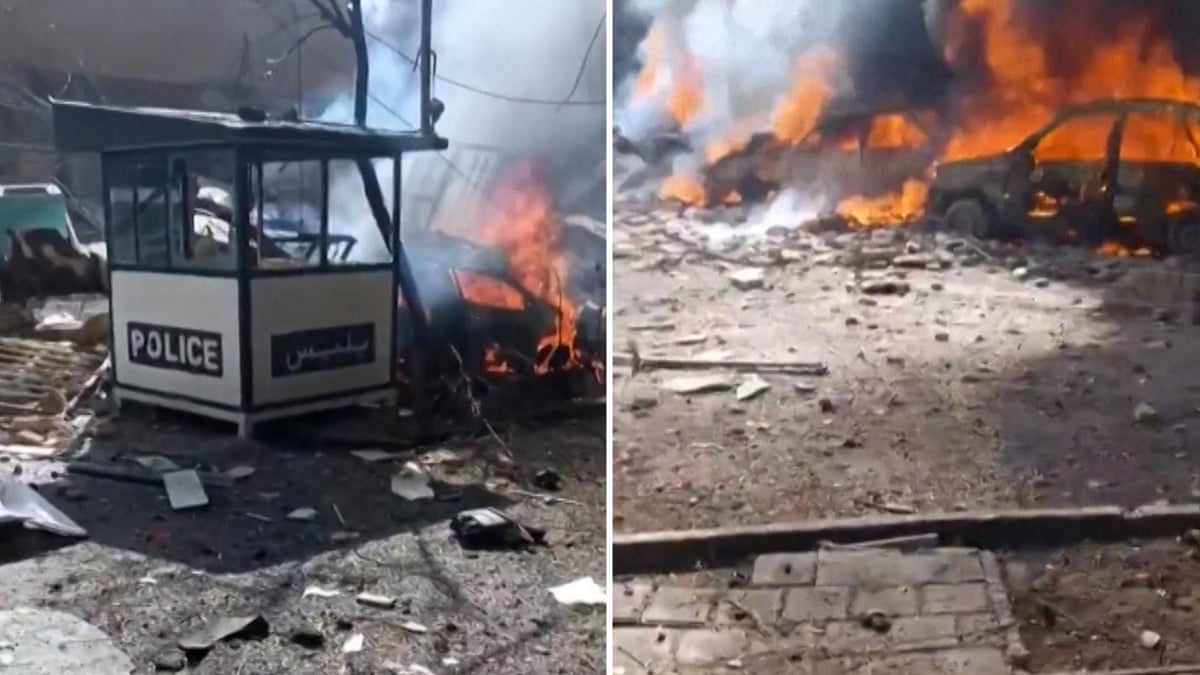
Reports emerged of dozens of explosions across Iran, including in Tehran. Iranian state media reported that dozens of pupils were killed at a primary school in southern Iran.
In retaliation, Iran launched multiple attacks against Israel throughout the day, prompting repeated alerts for Israeli citizens to seek shelter. Israeli emergency services reported 94 wounded individuals, including a teenager lightly injured by shrapnel and others affected by blast impacts.
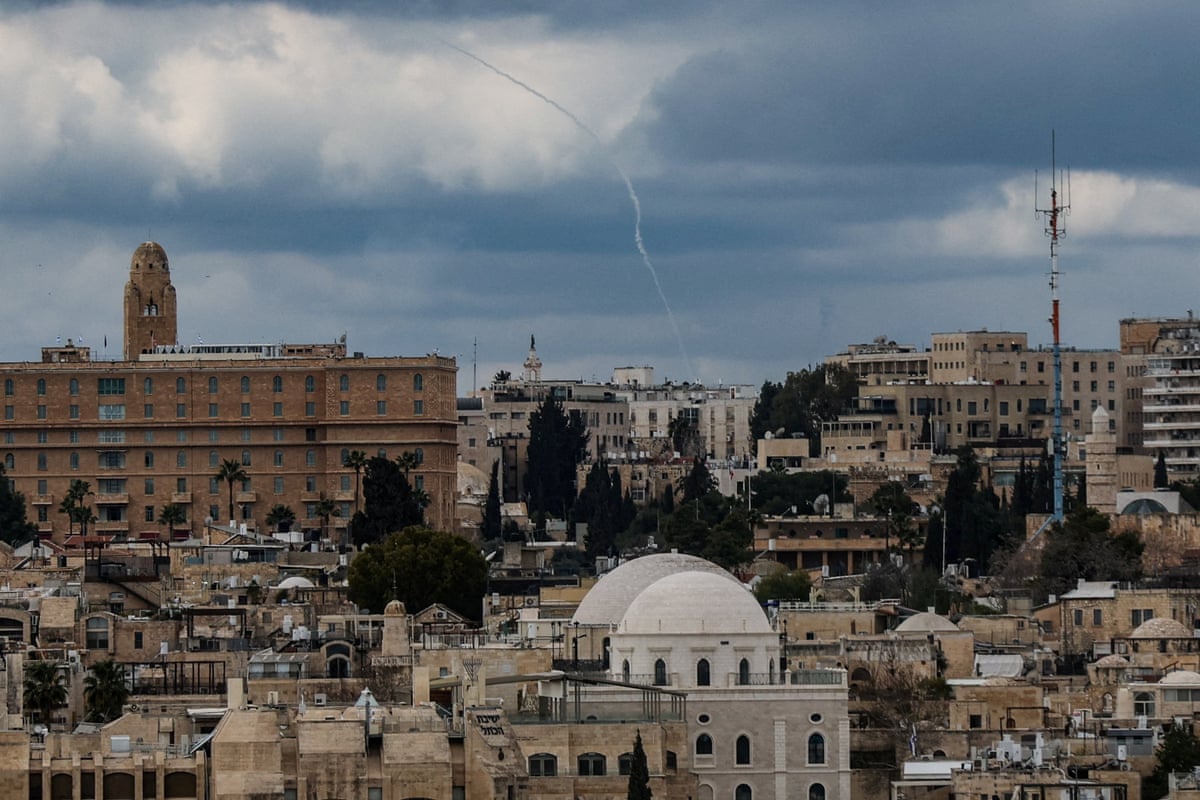
Outside Israel, Iran’s counterstrikes primarily targeted US bases across the Middle East, with additional attacks reported in Abu Dhabi, Manama in Bahrain, and near Erbil in northern Iraq.
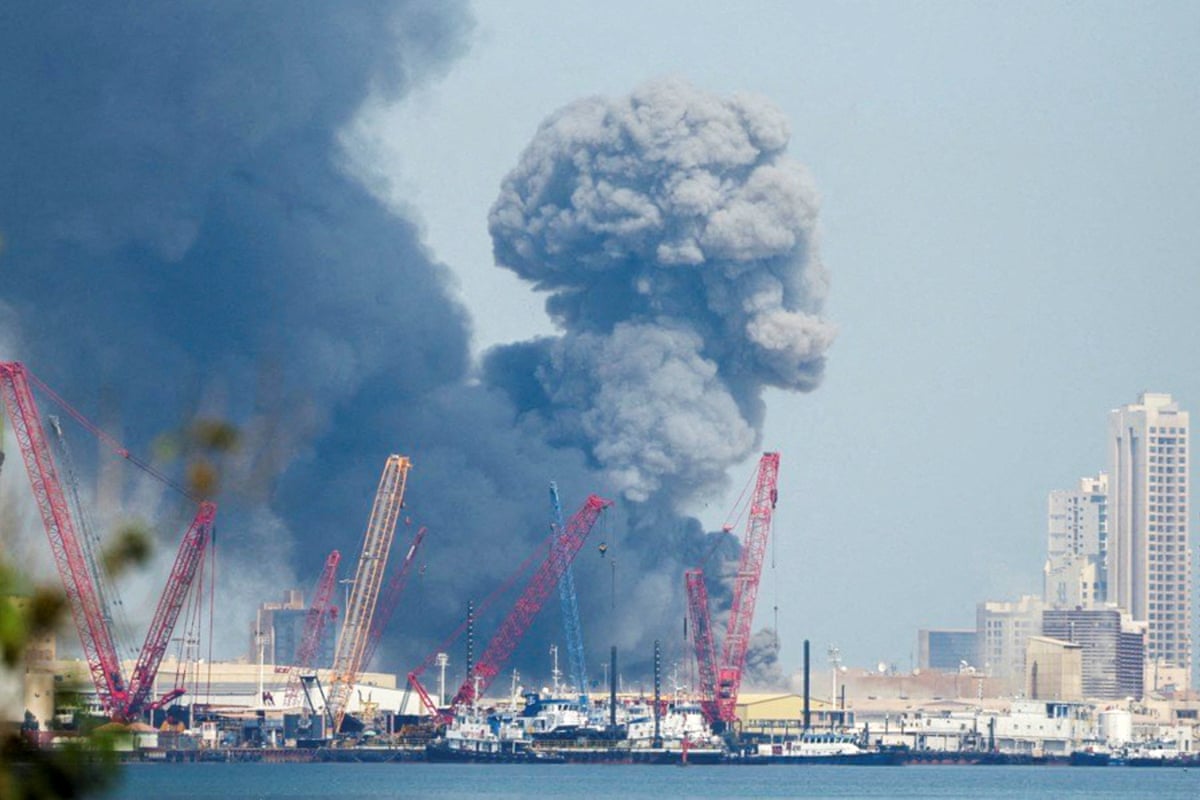
Experts noted that Tehran has various other retaliation methods available, including cyber warfare and leveraging militant groups it supports, such as Hezbollah in Lebanon and the Houthis in Yemen.
Military Preparations and Diplomatic Context
Israeli military officials stated that the US-Israeli offensive had been planned over several months with close coordination. Approximately 70,000 Israeli reservists, mainly air defense personnel, were mobilized.

The attacks commenced shortly after the latest indirect negotiations between Iran and the US over its nuclear program, mediated by Oman in Geneva. Further technical discussions were scheduled for the following Tuesday.
Oman’s Foreign Minister Badr Albusaidi, who has led the negotiations, expressed concern on X (formerly Twitter):
“Active and serious negotiations have yet again been undermined.”
He added:
“Neither the interests of the United States nor the cause of global peace are well served by this. And I pray for the innocents who will suffer. I urge the United States not to get sucked in further.”
Oman called for an immediate cessation of hostilities, warning that the conflict could escalate with “dire consequences for the region.”
The US had increased military presence near Iran in recent weeks, including deploying two aircraft carrier strike groups in preparation for possible action.
Statements from US and Israeli Leaders
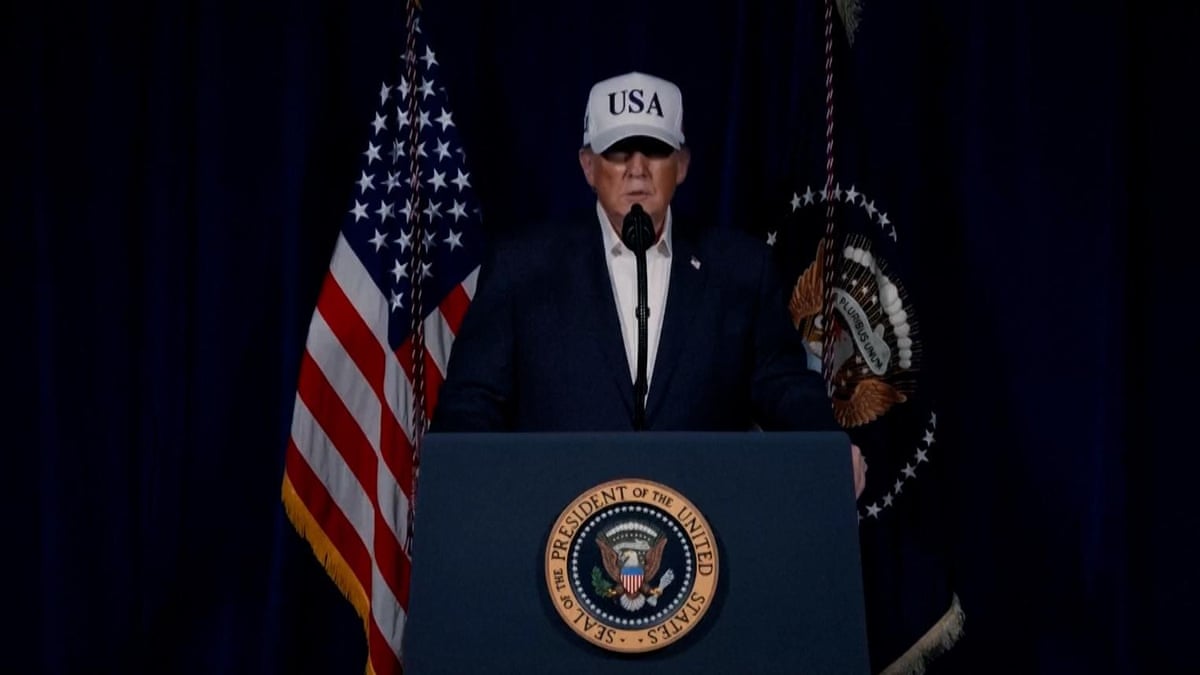
Former US President Donald Trump, who had previously advocated for a diplomatic resolution, addressed Iranians via a video on his Truth Social platform, stating:
“The hour of your freedom is at hand.”
He urged Iranians to rise up and “take over your government,” offering the Iranian military “immunity” if they surrendered, or “certain death” if they resisted.
Israel also directly addressed Iranians through a Persian-language post on a dedicated Telegram channel:
“Our Iranian brothers and sisters, you are not alone!”
The post encouraged Iranians to share photos and videos of anti-regime protests, stating:
“Together we will return Iran to its glorious days.”
Casualties and Targeted Officials
An Israeli official confirmed that both the supreme leader and Iran’s president, Masoud Pezeshkian, were targeted during the strikes.
Israeli military officials and an Iranian source close to the establishment reported that several political figures and senior commanders within Iran’s Revolutionary Guards were killed.
Regional Airspace and Flight Disruptions
In response to the conflict, Qatar, Kuwait, the UAE, and Israel closed their airspace. Numerous international airlines canceled hundreds of flights to or over the region.
International Reactions and Allies’ Positions
The strikes have created a complex situation for US allies. While many oppose Iran’s nuclear ambitions and its government’s repressive actions, they are hesitant to support unilateral military operations by the US that may violate international law and escalate into broader conflict.
It remains unclear whether US allies received prior warning of the attacks. The German government stated it was notified only on Saturday morning, while France’s junior defense minister acknowledged that France anticipated an event but was unaware of the timing.
President Macron urged Iran’s leadership to commit to negotiations concerning its nuclear and ballistic missile programs, emphasizing:
“The Iranian people should also be able to build their future freely. The massacres perpetrated by the Islamic regime disqualify it, and necessitate that the people be given a voice.”
A UK government spokesperson reiterated Britain’s support for a negotiated resolution to Iran’s nuclear ambitions, stating:
“We do not want to see further escalation into a wider regional conflict.”
Iranian Reports and Recent Context
Iranian state television reported that President Masoud Pezeshkian was “safe and sound,” while the Fars news agency confirmed seven missile impacts in the Keshvardoost and Pasteur districts of Tehran.
The strikes come weeks after Iranian authorities reportedly killed thousands during a crackdown on mass protests, according to human rights organizations. Following these events, Trump pledged US intervention to support protesters and ordered a military buildup near Iran.