US President Warns of Further Military Action Against Iran
Donald Trump has declared that the United States will seize control of Iran’s oil and gas infrastructure and conduct additional military strikes on Thursday night, following two consecutive days of exchanges of fire between the two countries despite a nominal ceasefire.
In a post on Truth Social, Trump stated that the US would strike Iran "VERY HARD, TONIGHT," asserting that most of Iran’s offensive capabilities had been neutralized. He also announced plans to capture Kharg Island, a strategic location in the Gulf responsible for approximately 90% of Iran’s oil exports and hosting extensive storage facilities.
"At some point in the not too distant future, we will be taking Kharg Island and other oil infrastructure points, and assume total control of their oil and gas markets, much like we have with Venezuela, which is working out brilliantly for both Venezuela and the United States of America."
Trump later appeared to moderate his stance regarding Kharg Island during an interview with Fox News. While he indicated a preference for taking the island, he expressed uncertainty about whether "America has the stomach for it." He also conveyed a desire to avoid targeting Iranian bridges and power plants, despite earlier threats to do so.
Analysts have noted that seizing Kharg Island would necessitate deploying US ground forces, thereby exposing soldiers to potential Iranian attacks.
In response to Trump’s threats, Ebrahim Azizi, head of the Iranian parliament’s national security commission, warned that any "uncalculated" actions by the US would provoke a stronger and more painful Iranian response.
Ongoing Military Exchanges and Ceasefire Violations
Iran and the US have engaged in military strikes for two consecutive days, following an incident above the Strait of Hormuz that escalated tensions.
The ceasefire, established in early April, has been repeatedly undermined by retaliatory strikes, with both parties accusing each other of violating the temporary truce.
Trump attributed Thursday’s assault to Iran’s stalling in negotiations aimed at converting the temporary ceasefire into a permanent peace agreement.
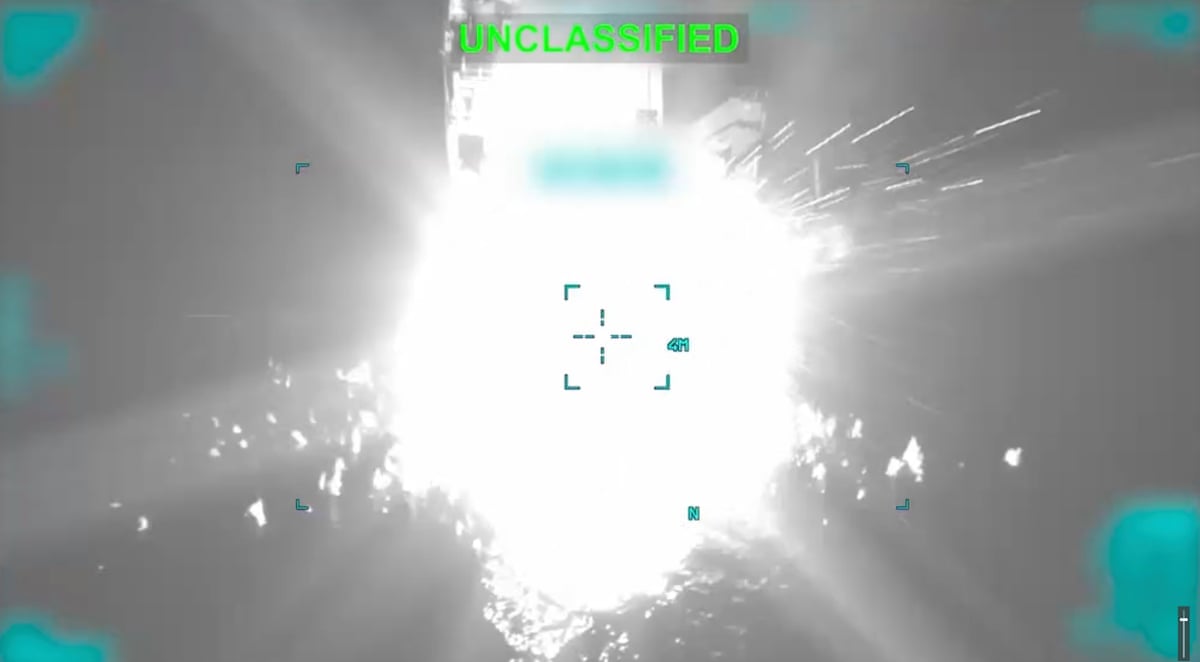
The most intense attacks occurred on Thursday morning, when the US launched a broad offensive targeting what it described as "military surveillance capabilities, communication systems and air-defence sites across Iran."
The US military also reported striking an oil tanker near the Strait of Hormuz, claiming the vessel attempted to breach a blockade of Iranian ports by firing Hellfire missiles at it.

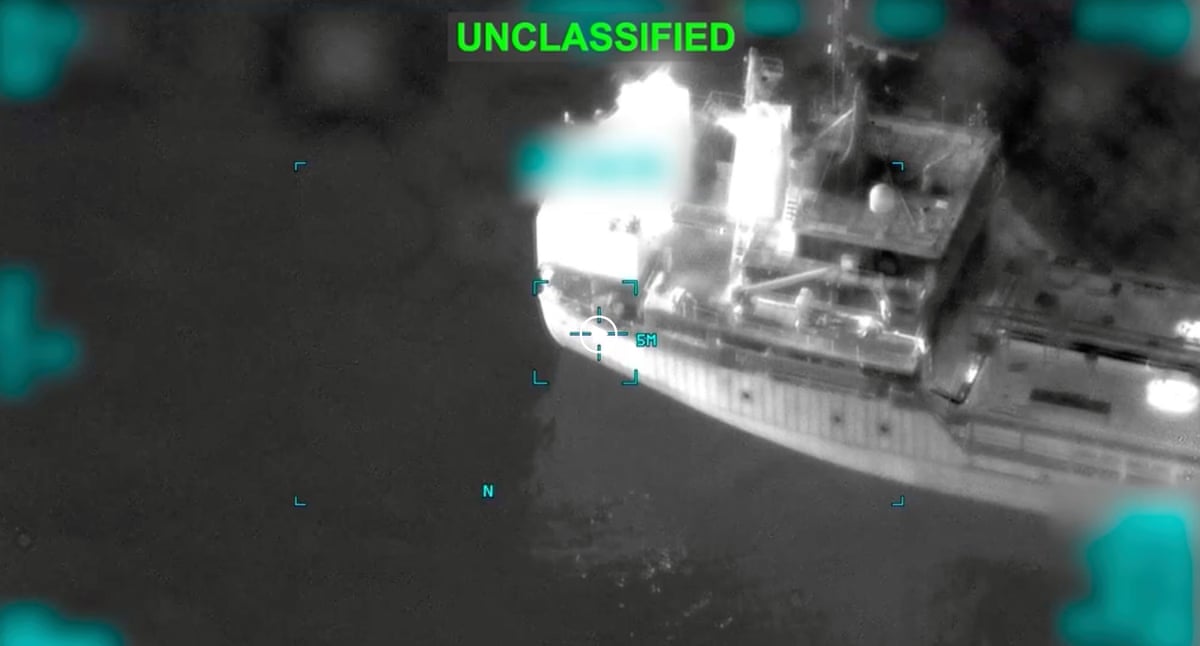
An Indian official confirmed that a US strike had killed three Indian crew members on a ship, although it was unclear if this was the same vessel referenced by the US military.
Iran retaliated by launching missiles and drones at Kuwait, Bahrain, and Jordan on Thursday, continuing attacks from the previous morning. Bahrain’s interior ministry reported that an 11-year-old girl was injured and that homes and vehicles were damaged by debris from intercepted projectiles.
Negotiations and Diplomatic Efforts Amid Conflict
Despite ongoing hostilities, Iranian officials informed that talks on a preliminary agreement had intensified. Both the US and Iran are reportedly exchanging messages concerning a memorandum of understanding, though significant challenges remain, including the release of billions of dollars in frozen Iranian assets.
"This war, from a military standpoint, is a dead end,"an Iranian source told .
"The Americans could not achieve their goals by attacking Iran. There has been progress in negotiations."
The mechanism for releasing frozen Iranian funds remains a critical sticking point. Iran demands the funds be released in full directly to Tehran, while the US advocates a phased approach prioritizing humanitarian goods.
According to the Iranian source, unfreezing funds and providing broader economic relief are priorities over a comprehensive settlement.
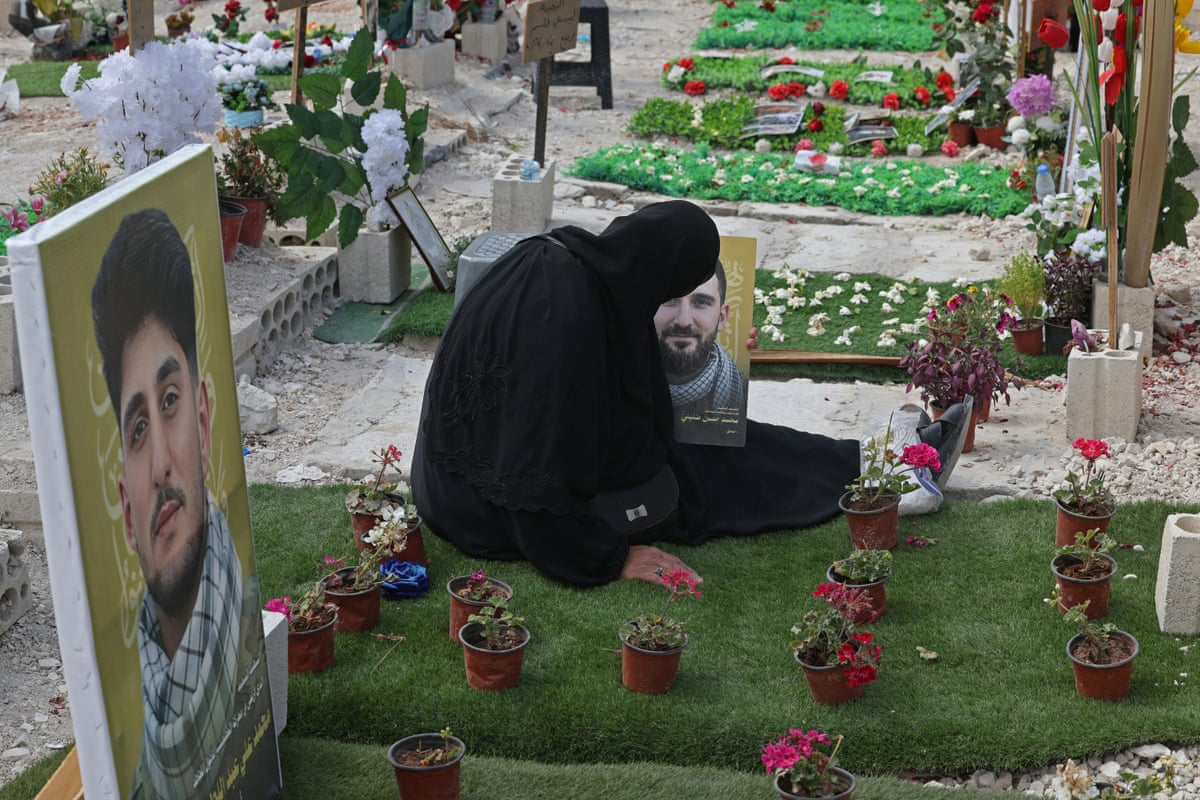
Other unresolved issues include the conflict in Lebanon, which Iran insists must be incorporated into any ceasefire framework. Israeli strikes there have reportedly killed over 3,600 people, while Hezbollah attacks have resulted in at least 30 Israeli soldier fatalities and civilian casualties.
Strategic Importance of the Strait of Hormuz
Trump demands that Iran end restrictions on shipping through the Strait of Hormuz and guarantees it will not develop nuclear weapons, a claim Tehran has consistently denied.
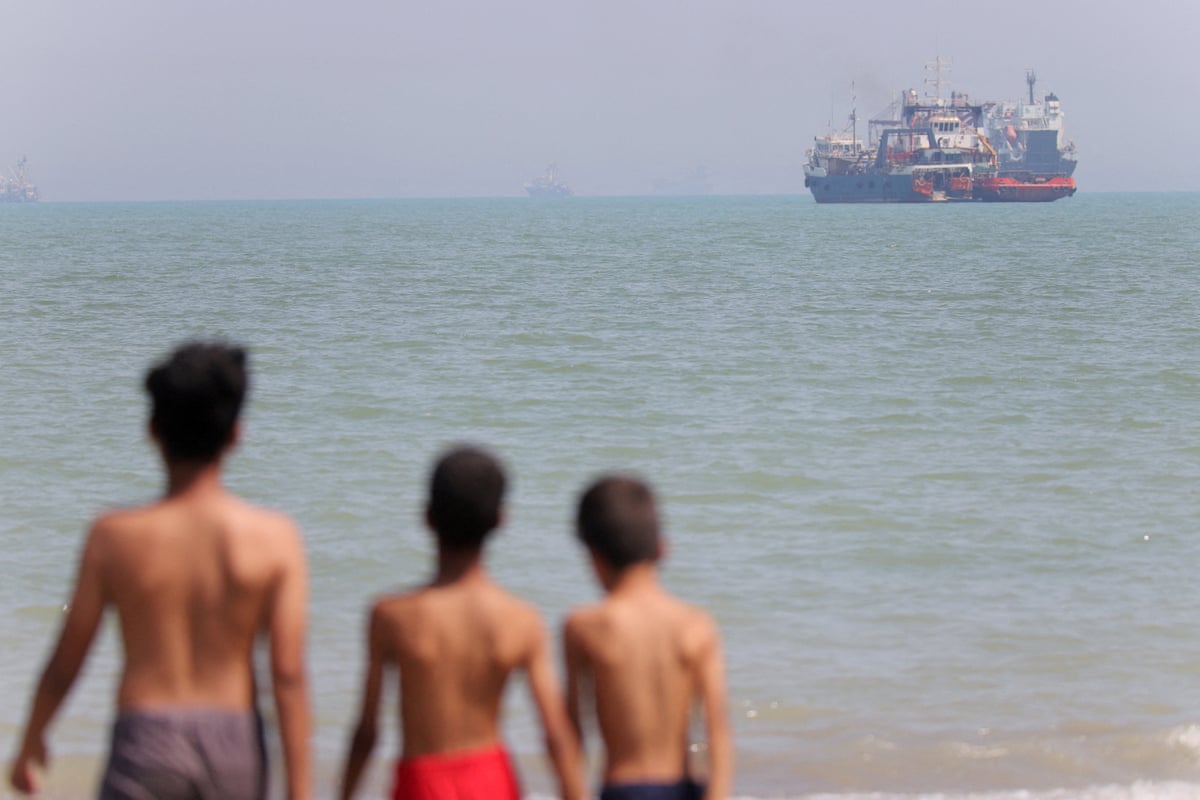
Following Wednesday’s attacks, Iran tightened control over the Strait of Hormuz, cautioning that ships transiting the waterway must exercise patience. The strait is a critical chokepoint for approximately 20% of the world’s oil supply, and its closure has significant global economic implications.
The US military has denied claims that the strait has been closed or that its vessels have been attacked, maintaining that maritime traffic continues uninterrupted.
Context of the Conflict and US Domestic Challenges
Trump is pursuing a deal with Iran amid escalating conflict. The president faces multiple domestic challenges, including congressional investigations, rising inflation, and declining approval ratings.