

Iran Supreme Leader Involved in Talks to End the War, Says Trump
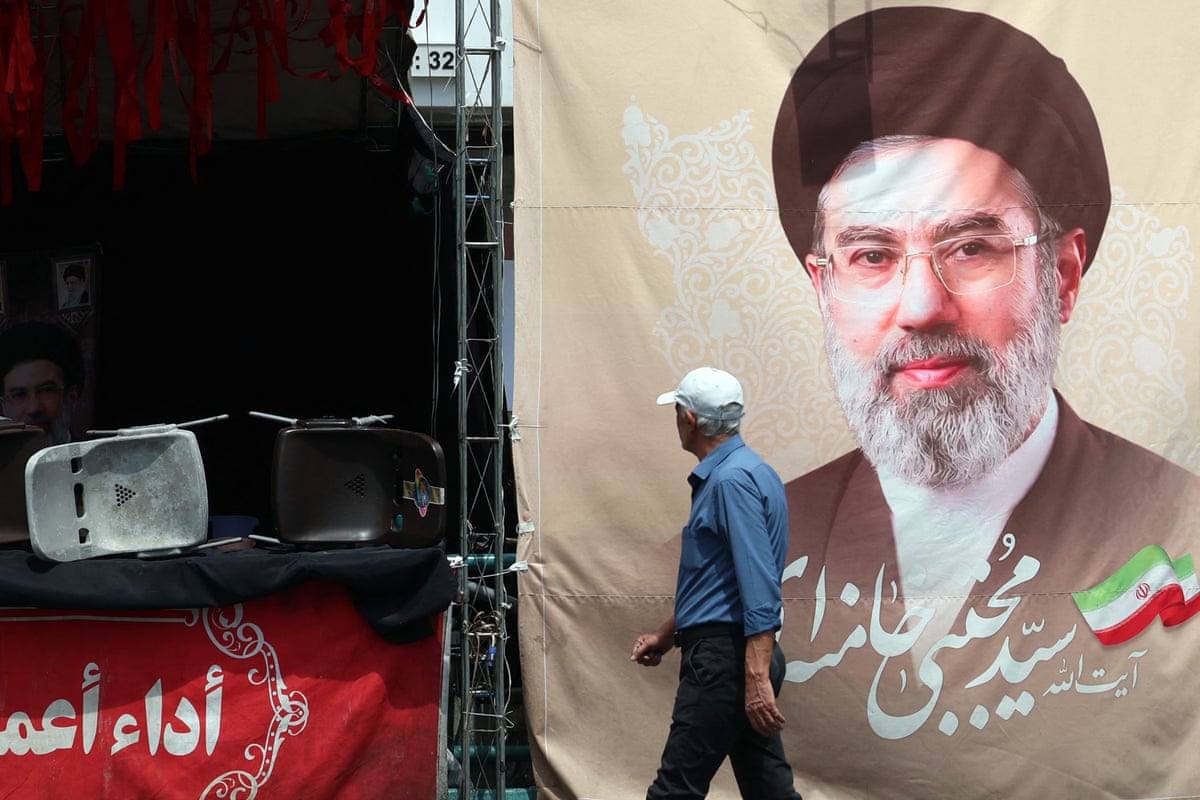
Donald Trump stated that Iran’s supreme leader, Mojtaba Khamenei, is involved in negotiations aimed at ending the war and expressed his interest in meeting him.
Khamenei has not appeared publicly since the conflict began and has only addressed the nation through written statements read by television anchors. US officials have suggested that Khamenei was incapacitated or receiving treatment for severe injuries allegedly sustained in the same bombing that killed his father, Ali Khamenei, on the first day of the war.
“He’s involved. Absolutely,” the US president told the New York Post. “Yeah, I think they have a lot of respect for him.”
When questioned about Khamenei’s condition, Trump responded,
“I don’t know, I haven’t had the privilege of meeting him.”
He further added,
“If you believe the stories he is, you know, missing a lot of different parts.”
Regarding the possibility of meeting Khamenei, Trump said,
“Yeah, I’d like to meet him. I’d like to meet everybody … We probably will meet at some point, depending on how it all works out.”
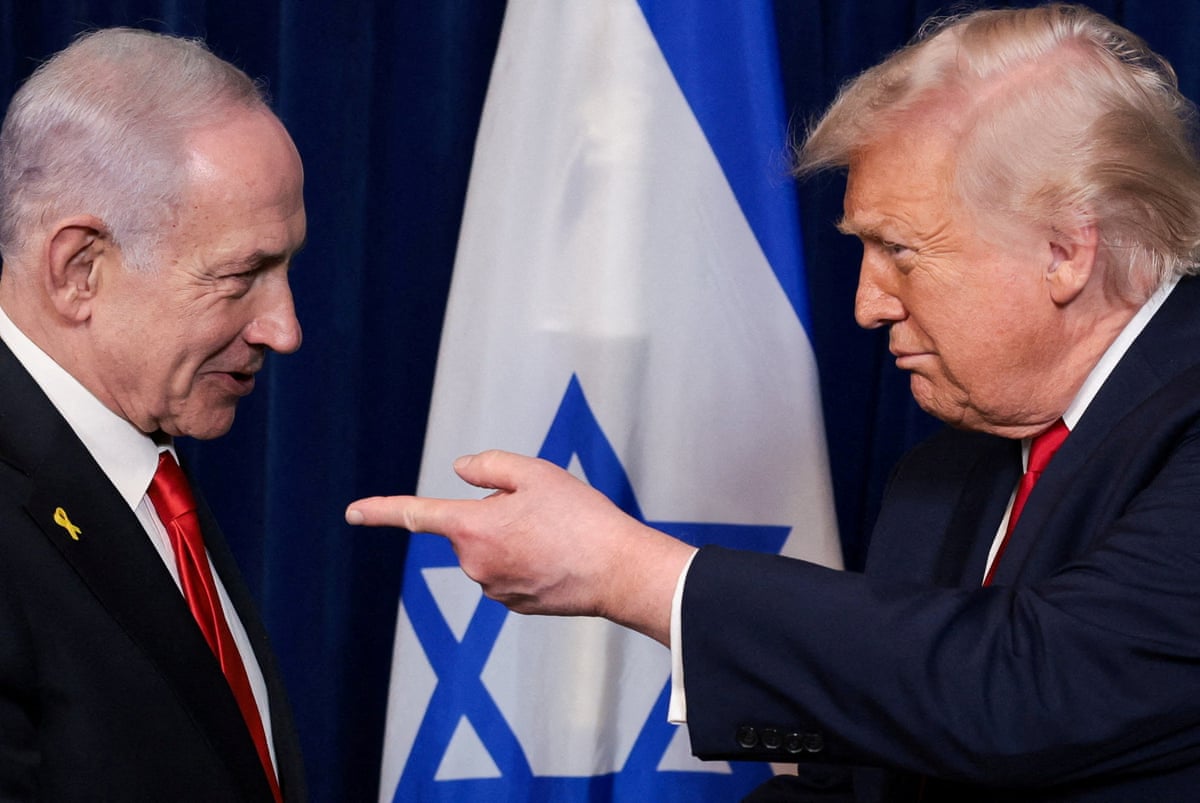
Trump Says He Was 'Perturbed' by Netanyahu 'Constantly Fighting with Lebanon'
Trump appeared to confirm reports in which he allegedly swore at Israeli Prime Minister Benjamin Netanyahu and called him “fucking crazy.”
When asked by the New York Post if he used such language, Trump replied,
“I did, I wouldn’t say angry, I was a little bit perturbed at his constantly fighting with Lebanon.
“You know, at some point I said, Bibi, we’ve got to stop this. We’ve got to stop it. But I have a very good relationship [with Netanyahu]. We’ve done well together.”
Trump: Iran Has Agreed to Have No Nuclear Weapon
Regarding Iran’s nuclear program, Trump asserted that Tehran has agreed not to develop a nuclear weapon.
He stated to the New York Post,
“We can’t let them have a nuclear weapon, and they’ve already agreed they’re not going to have a nuclear weapon.”
When pressed further, he added,
“Oh, yeah, they’ve agreed to that. I mean, they can change their mind, but that was one of the things they had to agree. They’ve agreed to that. That was the big thing.”
There was no immediate response from Iran, though the nuclear issue remains a significant point of contention in negotiations between Tehran and Washington.
US Secretary of State Marco Rubio stated at a congressional hearing that Iran has agreed to discuss aspects of its nuclear program that it had previously refused to negotiate even a month ago.

Opening Summary: Trump Claims Iran Agreed to No Nuclear Weapon and Supreme Leader Involved in Talks
Welcome to ’s ongoing coverage of the Middle East crisis.
Donald Trump has claimed that Iran has agreed not to acquire a nuclear weapon and that the country’s supreme leader, Mojtaba Khamenei, is participating in negotiations with the United States.
These assertions were made during an interview on the New York Post’s Pod Force One podcast released this morning, amid renewed violence in the Gulf following a series of strikes exchanged between US forces and Iranian-backed groups.
The US president also indicated he might meet Khamenei “at some point” and expressed a desire to meet him. US officials have long maintained that Khamenei sustained serious injuries in the bombing that killed his father, Ali Khamenei, on the first day of the war.
Trump’s comments follow remarks by US Secretary of State Marco Rubio at a congressional hearing yesterday, suggesting that Khamenei is playing a larger role in peace talks despite his absence from public view since the war began on 28 February. Rubio is scheduled to appear before the House Committee on Foreign Affairs for another hearing today.
One person was killed and several others injured in an Iranian drone attack targeting Kuwait’s airport, according to authorities and state media. Flights were suspended this morning but some later resumed after the country’s civil aviation authority assessed the damage.
The attack occurred hours after US forces engaged Iranian-backed groups attempting to breach the American blockade of the Strait of Hormuz. The US military reported repelling Iranian retaliatory attacks in the region and striking sites on Iran’s Qeshm Island.
Iran’s Islamic Revolutionary Guards Corps (IRGC) claimed it attacked the US Fifth Fleet headquarters in Bahrain with missiles and drones in response to the strike on Qeshm. However, the US military’s Central Command (Centcom) denied this claim.
Centcom stated that two Iranian missiles fired at Kuwait “fell short or broke apart en route,” and that three missiles targeting Bahrain were intercepted by US and Bahraini forces.
US forces also reported shooting down three one-way attack drones “launched by Iran toward civilian mariners that were rightfully transiting regional waters” but provided no further details.
Meanwhile, Israel continued its campaign against Hezbollah a day after Donald Trump urged Benjamin Netanyahu not to attack Beirut to prevent further escalation in the three-month-old conflict. Israeli airstrikes and artillery fire struck southern Lebanon on Tuesday, killing at least eight people, according to Lebanese state media. Israel’s military ordered residents of Nabatieh, a major Hezbollah stronghold, to evacuate ahead of strikes.
Lebanon’s government announced it would seek a full ceasefire in new talks with Israeli officials in Washington that began on Tuesday. These meetings are part of a series of face-to-face discussions Beirut has participated in despite objections from Hezbollah.
Hezbollah reported firing artillery shells at Israeli troops near Beaufort and targeting Israeli military vehicles south of Nabatieh on Tuesday. The group has not announced any cross-border attacks since Monday.


