

Progress in US-Iran Negotiations
US President Donald Trump stated that Iran is "getting a lot closer" to reaching an agreement with the United States concerning the ongoing conflict, with Tehran also indicating progress had been made over the past week.
Despite these developments, both parties have exercised caution. Iran's foreign ministry spokesperson clarified that the critical issue of nuclear weapons would not be included in any initial proposals.
Trump informed the BBC's US partner CBS News that he had reviewed a draft agreement with Iran. When questioned about the adequacy of the draft, he responded:
"I don't know, I can't tell you that."
The president did not provide additional details regarding the draft but emphasized that any agreement would "absolutely" prevent Iran from acquiring a nuclear weapon.
"I will only sign a deal where we get everything we want,"he said.
"We're going to have a deal, or we're going have a situation where no country will ever be hit as hard as they're about to be hit."
Iran's Position and Framework Proposal
Iranian foreign ministry spokesman Esmaeil Baqaei told state television on Saturday that the positions of the US and Iran had been converging over the last week. However, he cautioned that this convergence did not guarantee agreements on key issues and accused the US of making "contradictory statements."
According to news agency, Baqaei stated:
"Our plan has been to first draft a memorandum of understanding, or an agreement, in the form of a framework, consisting of 14 points."
Baqaei added that they were in the process of finalizing the memorandum so that further talks could take place within 30 to 60 days, with the ultimate goal of reaching a final agreement.
Diplomatic Engagements and Regional Involvement
President Trump is expected to hold a phone call with leaders from Saudi Arabia, Qatar, the United Arab Emirates (UAE), Egypt, Turkey, and Pakistan on Saturday, reported, citing an Arab official.
Meanwhile, US Secretary of State Marco Rubio expressed cautious optimism during a visit to India on Saturday, indicating that there could be an update on the negotiations over the weekend.
Rubio reiterated the US stance that Iran must not be permitted to develop a nuclear weapon and discussed reopening the Strait of Hormuz without tolls imposed by Iran.

He also emphasized that Iran needed to surrender its stockpile of highly enriched uranium.
Context of Military Preparations and Ceasefire Status
The renewed sense of momentum in negotiations follows a period of heightened tension in Washington. On Friday, anonymous officials briefed US media that the administration was preparing for a new round of military strikes, although no final decision had been made.
On the same day, President Trump posted on Truth Social that he would not attend his son Donald Jr's wedding over the weekend in order to remain in Washington DC "during this important period of time."
Last week, Trump had described the truce as being on "massive life support" after rejecting Tehran's demands, which he labeled "totally unacceptable." The temporary ceasefire between Iran and the US began in early April.
US Blockade of Iranian Ports
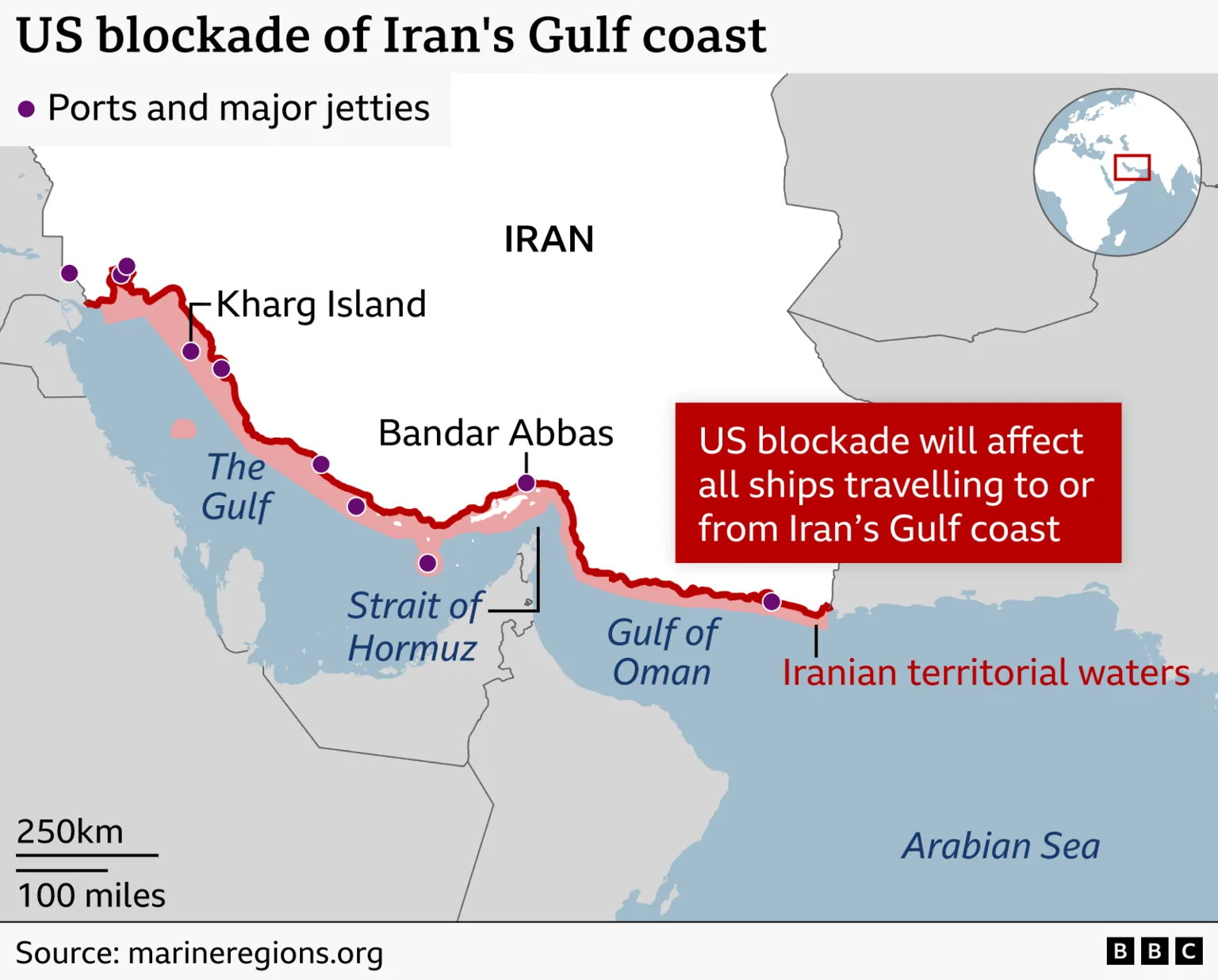
The United States has imposed a blockade on Iranian ports since 13 April.
On Saturday, US Central Command (Centcom) reported that since the blockade's inception, it had redirected 100 vessels, disabled four, and allowed 26 humanitarian aid ships to pass.
Centcom commander Admiral Brad Cooper stated that US forces had been "highly effective" in "allowing zero trade into and out of Iranian ports which has squeezed Iran economically."
Iran's Control Claims over Strait of Hormuz
Meanwhile, Iran has asserted military control over an area surrounding the Strait of Hormuz and declared that all transit through the strait "requires coordination with and authorisation from the Persian Gulf Strait Authority."
The US and Gulf allies have consistently rejected Iran's attempts to assert control over the strait and have instructed ships not to comply with Iran's regulations.


