

Iranian Proposal and US Rejection
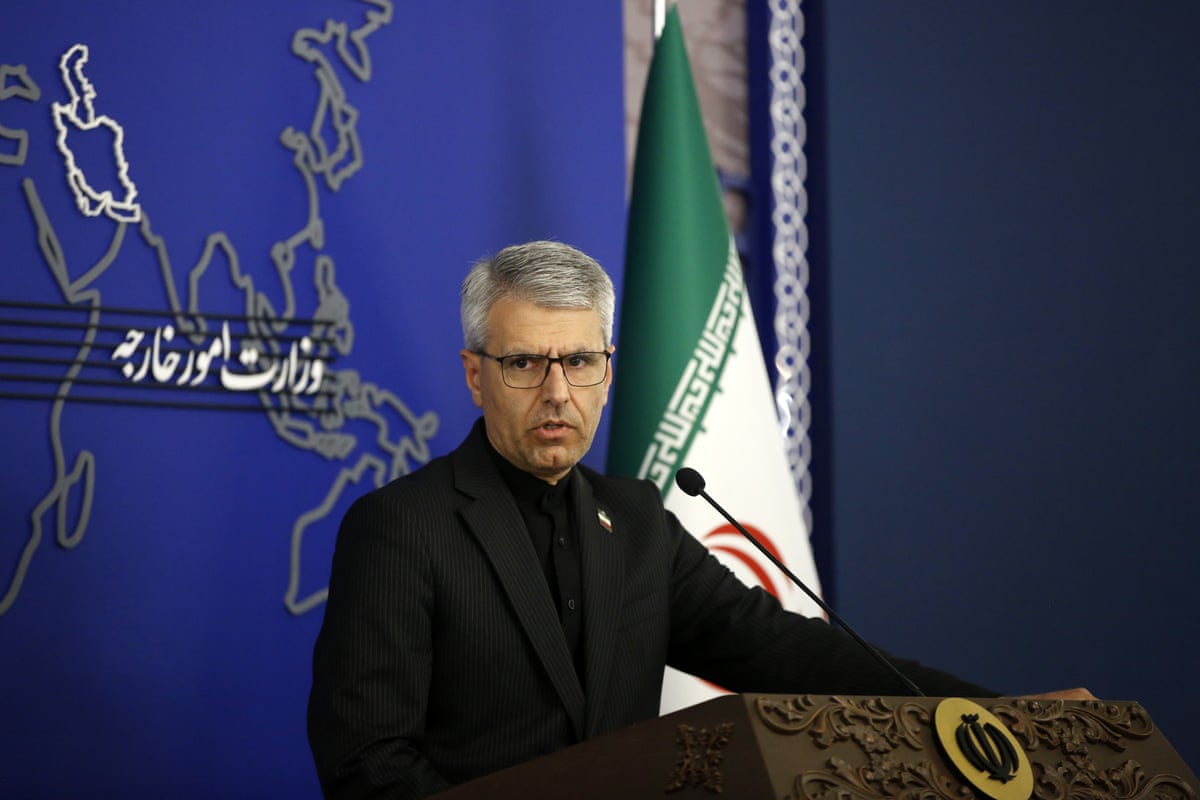
The Iranian foreign ministry spokesperson Esmail Baghaei addressed the Iranian proposal aimed at ending the ongoing conflict, which the United States has firmly rejected.
“Demanding an end to the war, lifting the (US) blockade and piracy, and releasing Iranian assets that have been unjustly frozen in banks due to US pressure,”Baghaei stated.
“Safe passage through the strait of Hormuz and establishing security in the region were other demands of Iran, which are considered a generous and responsible offer for regional security,”he added.
Reports indicate that the US parameters for nuclear negotiations included a moratorium on Iranian nuclear enrichment lasting up to 20 years; the transfer of Iran’s stockpile of highly enriched uranium (HEU) overseas, potentially to the US; and the dismantling of Iranian nuclear facilities.
In contrast, the Iranian counter-proposal suggested a shorter moratorium period, the export of part of the HEU stockpile with dilution of the remainder, and a refusal to dismantle nuclear facilities.
Israeli Position on Iran’s Nuclear Stockpile
Israeli Prime Minister Benjamin Netanyahu previously warned that the conflict would persist as long as Iran maintained its HEU stockpile.
“It’s not over, because there’s still nuclear material – enriched uranium – that has to be taken out of Iran. There’s still enrichment sites that have to be dismantled,”Netanyahu told CBS’s 60 Minutes, in an excerpt released prior to the broadcast.
When asked about the removal of HEU, Netanyahu said,
“You go in and you take it out,”adding that the best approach would be to enter Iran to secure the fissile material as part of an agreement. He noted that Donald Trump had expressed a desire to take such action.
In a separate interview, President Trump appeared less concerned about the HEU stockpile, which the UN nuclear watchdog, the IAEA, reports is stored deep under mountains in central Iran. Trump suggested that satellite surveillance was sufficient for the time being to ensure no unauthorized access.

Trump Rejects Iran’s Response; Tehran Warns of Retaliation
Live coverage of the US-Israeli conflict with Iran resumes following President Donald Trump’s description of Tehran’s response to Washington’s peace proposal as
“totally unacceptable,”raising the prospect of renewed hostilities.
Iran has warned it will not hesitate to retaliate against any new US strikes and will oppose the presence of additional foreign warships in the strait of Hormuz.
A ceasefire intended to facilitate peace talks came into effect in April and has largely been observed, despite intermittent exchanges of fire and reports of strikes in the strategically significant strait of Hormuz. Iran has continued to effectively block the strait in response to attacks by the US and Israel in February.
The US military has enforced a blockade on Iranian ports since 13 April, claiming to have turned back 61 commercial vessels and disabled four.
According to Iranian state media, Tehran’s proposal included demands for the US to lift sanctions, end its naval blockade, and called for an immediate end to the war with guarantees against renewed attacks.
On his social media platform Truth Social, Trump posted:
“I have just read the response from Iran’s so-called ‘representatives’. I don’t like it – totally unacceptable.”
The proposal, reported a week ago and noted by journalist Julian Borger, consisted of a one-page, 14-point memorandum of understanding designed to reopen the strait and establish a framework for further talks on Iran’s nuclear program.
Trump told US news outlet Axios that he had discussed the Iranian response in a phone call with Israeli Prime Minister Benjamin Netanyahu.
“It was a very nice call. We have a good relationship,”he said, adding that the Iran negotiations were
“my situation, not everybody else’s.”
Netanyahu reiterated his warning that the conflict would continue as long as Iran retained its HEU stockpile, which could be used to produce nuclear warheads.


