China Sees ‘Glimmer of Hope’ for Peace
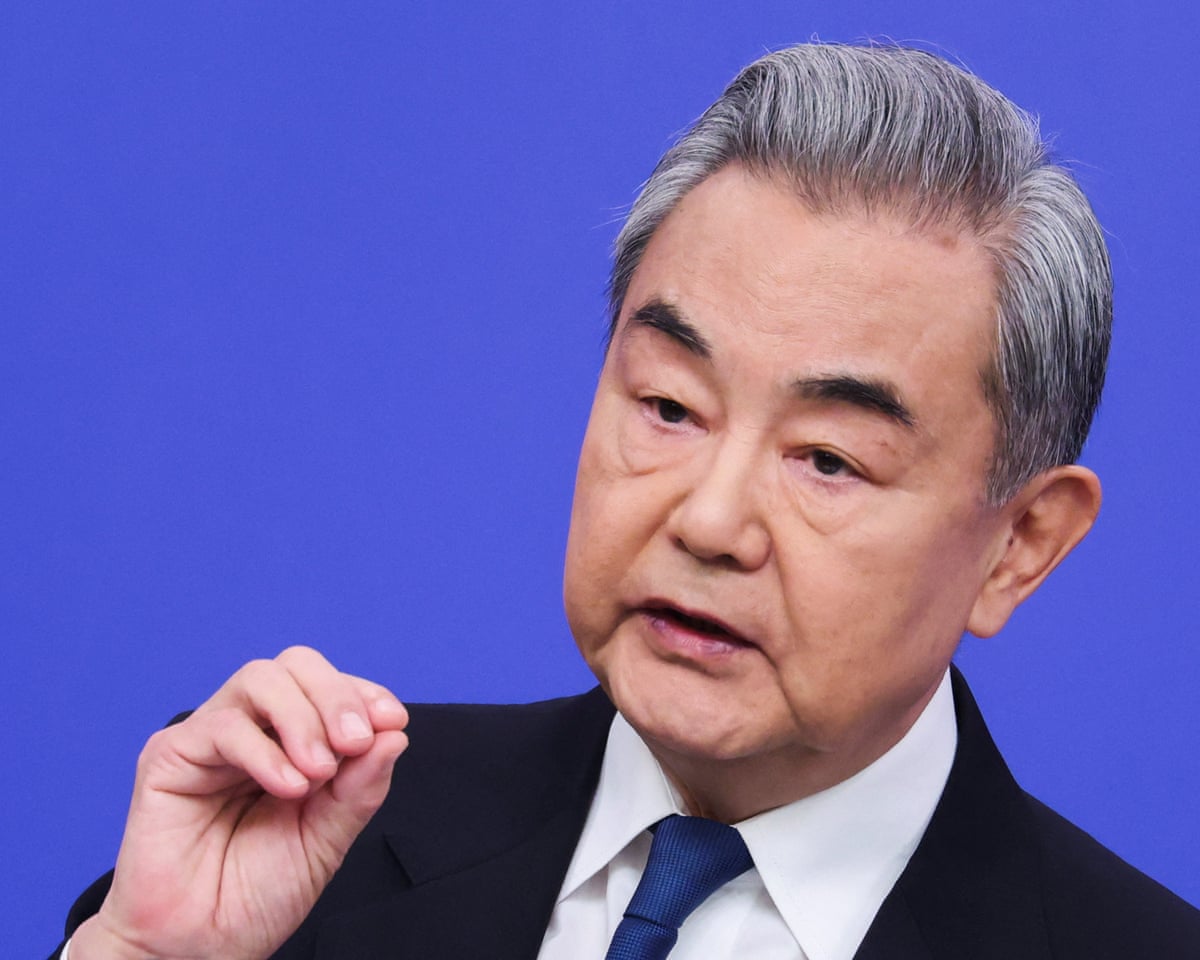
China’s foreign minister has expressed that a “glimmer of hope” for peace has appeared amid efforts to halt the conflict in the Middle East, despite Iran’s commitment to continue fighting.
Wang Yi encouraged dialogue during separate phone conversations with his Turkish and Egyptian counterparts, indicating that both Tehran and Washington have shown signs of readiness to resume negotiations.
“With both the United States and signalling a willingness to negotiate, a glimmer of hope for peace has emerged,”Wang told Egyptian foreign minister Badr Abdelatty, according to a Beijing readout published late Wednesday and reported by Agence France-Presse.
The statement was made hours before Iranian foreign minister Abbas Araghchi stated,
“So far, no negotiations have taken place, and I believe our position is completely principled.”
Speaking of negotiations now is an admission of defeat.
Donald Trump insisted on Wednesday that Iran was engaged in peace talks, suggesting Tehran’s denials stem from fears among Iranian negotiators of being targeted by their own side.
During his call with Turkey’s foreign minister, Hakan Fidan, Wang Yi remarked that the rights and wrongs of the Middle East conflict were “crystal clear,” offering support to Turkey’s efforts to facilitate the resumption of negotiations.
Turkey has been involved in “intense” diplomatic efforts to end the war by engaging with both Washington and Tehran, Fidan said earlier this month.
“Prolonging this war would only result in further casualties and needless losses, leading to a further spillover of the conflict.”
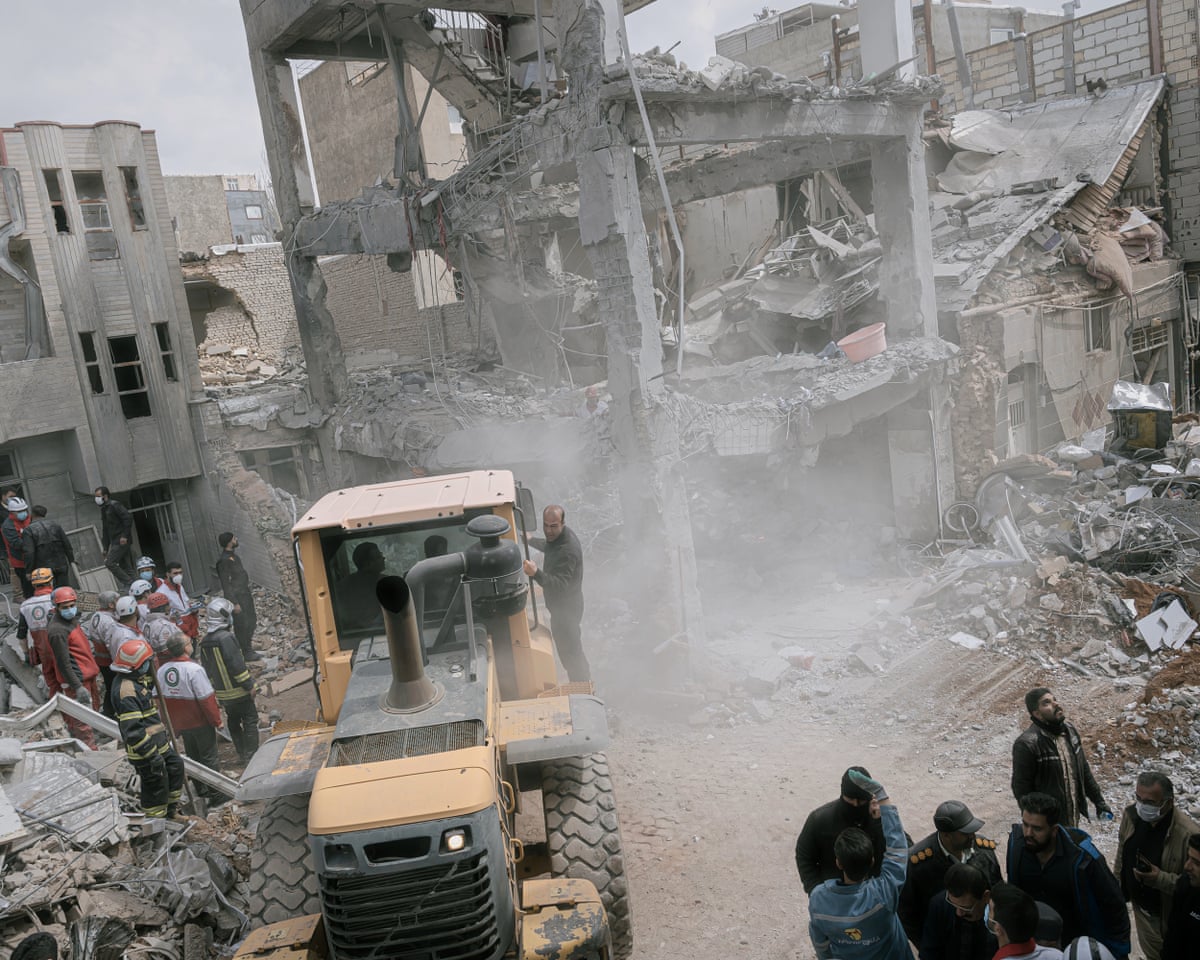
Two people were killed by falling debris in Abu Dhabi after a missile was intercepted over the UAE capital, according to local media reports.
The official Abu Dhabi Media Office posted on X that three others were injured in the incident. The origin of the missile and the nationalities of the victims were not disclosed.
Interim Summary
For those joining the live coverage of the Middle East crisis, here is the latest update. It is 10:30 a.m. in Tehran, 9 a.m. in Tel Aviv and Beirut, and 3 a.m. in Washington DC.
Donald Trump has maintained that Iran remains interested in a deal despite Tehran rejecting a US ceasefire proposal, countering with its own plan, and asserting it has no intention to negotiate. The US president later suggested Iranian negotiators fear assassination by their own side, while the White House declared Trump is ready to “unleash hell” if Iran refuses to accept defeat.
Israel’s military announced on Thursday that it conducted a series of strikes across Iran, including extensive operations in the central city of Isfahan. The military stated Israeli forces “completed a wide-scale wave of strikes targeting infrastructure” of the Iranian regime.
China’s foreign minister reiterated a “glimmer of hope” for peace amid the ongoing war, despite Iran’s vow to continue fighting. Wang Yi urged dialogue in separate calls with Turkish and Egyptian officials, suggesting both Tehran and Washington have signaled willingness to return to negotiations.
Benjamin Netanyahu declared that Israel would expand its occupation of southern Lebanon, establishing a “larger buffer zone” to counter the threat posed by Hezbollah. Earlier this week, Israel’s far-right finance minister Bezalel Smotrich advocated for annexing parts of the West Bank, signaling an expansionist agenda that has raised concerns domestically and internationally.
Hezbollah leader Naim Qassem stated that negotiating with Israel amid ongoing attacks would amount to “surrender,” as the Iran-backed group launched new assaults on Israel.
Uncertainty surrounding the conflict has kept oil prices above $100 per barrel. At 05:30 GMT, Brent crude was trading near $104 a barrel. Asian stock markets were mostly down.
Two individuals were lightly injured by an Iranian cluster bomb in the central Israeli city of Kfar Qasim on Thursday morning, according to medics cited by the Times of Israel. The Israeli military reported that air defenses were responding to Iranian missile attacks, with sirens sounding across central Israel, parts of Jerusalem, and the occupied West Bank.
An Iranian envoy stated that South Korean ships could transit the Strait of Hormuz only after coordinating with Tehran, according to Yonhap News Agency.
An Israeli soldier was seriously wounded in mortar fire in Lebanon, the Israeli military reported.
Kuwait announced the arrest of six individuals over an alleged plot to assassinate leaders in the Gulf state.
Western intelligence reports, cited by the Financial Times, indicate that Russia is nearing completion of phased shipments of drones, medicine, and food to Iran, reflecting Moscow’s efforts to support its embattled ally.
With the war in Iran causing near-total internet blackouts, activists worldwide—particularly in the US—are mobilizing to help Iranians maintain connectivity via Starlink, according to Agence France-Presse.
Despite being banned, Elon Musk’s satellite internet system has gained traction in Iran through a network of international activists, multiple sources told the news agency.
The digital activists’ efforts began in 2022 during mass protests following the death of Mahsa Amini, who died while detained by Iran’s police for violating the country’s strict dress code for women.
“As of this year, we have more than 300 devices that we have delivered to the country,”said Emilia James of the US-based organization NetFreedom Pioneers. She declined to provide further details to protect the operation and users.
Ahmad Ahmadian, executive director of Holistic Resilience, explained that his organization procured Starlink devices in European countries or elsewhere before transporting them into Iran via neighboring countries.
The Iranian government has cracked down severely on Starlink terminals in 2025, with users facing imprisonment if caught.
An Iranian envoy reiterated that South Korean ships must coordinate with Tehran before passing through the Strait of Hormuz, Yonhap News Agency reported.
Saeed Khuzechi, Iranian ambassador to South Korea, stated at a press conference that such an agreement must be reached prior to transit, responding to questions about guarantees for South Korean vessels navigating the vital oil conduit.
During a recent phone call with South Korean foreign minister Cho Hyun, Iranian foreign minister Abbas Araghchi reportedly requested a list of South Korean ships and detailed information about each vessel, Yonhap added.
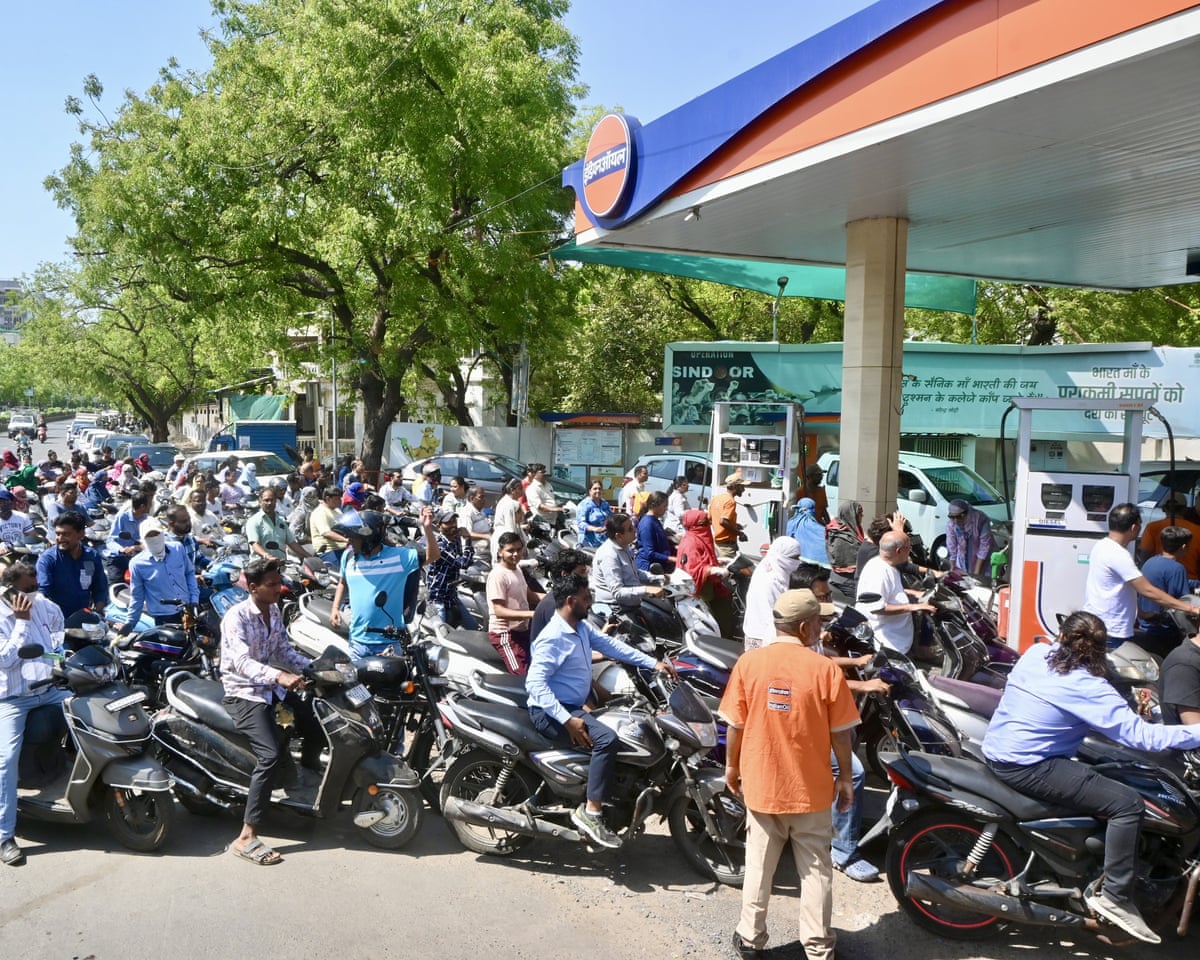
Iran has effectively blocked the Strait of Hormuz, through which approximately one-fifth of the world’s oil supplies typically pass.
Uncertainty over the war has maintained oil prices above $100 per barrel.
At 05:30 GMT, Brent crude was trading around $104 a barrel as the US and Iran remain at odds over a reported peace plan.
As the 28 March deadline for President Donald Trump’s ultimatum for Iran to reopen the Strait of Hormuz approaches, markets hope the conflict will shift from brinkmanship to de-escalation.
Over the weekend, Brent crude prices surged to $113 a barrel amid fears of escalating conflict, before declining this week. Brent crude has increased over 40% since the conflict began.
Shares in Western gas suppliers have benefited from the US-Israeli war on Iran, as investors anticipate companies with supply routes bypassing the Middle East will profit from high energy prices. Natural gas futures were just under $3 early Thursday.
Although Europe imports relatively little gas directly from Qatar—the world’s second-largest LNG producer—the effective closure of the Strait of Hormuz has forced Asian buyers to compete with Europe for US cargoes, pushing global prices higher.
Two Hurt in Attack on Central Israeli City – Report
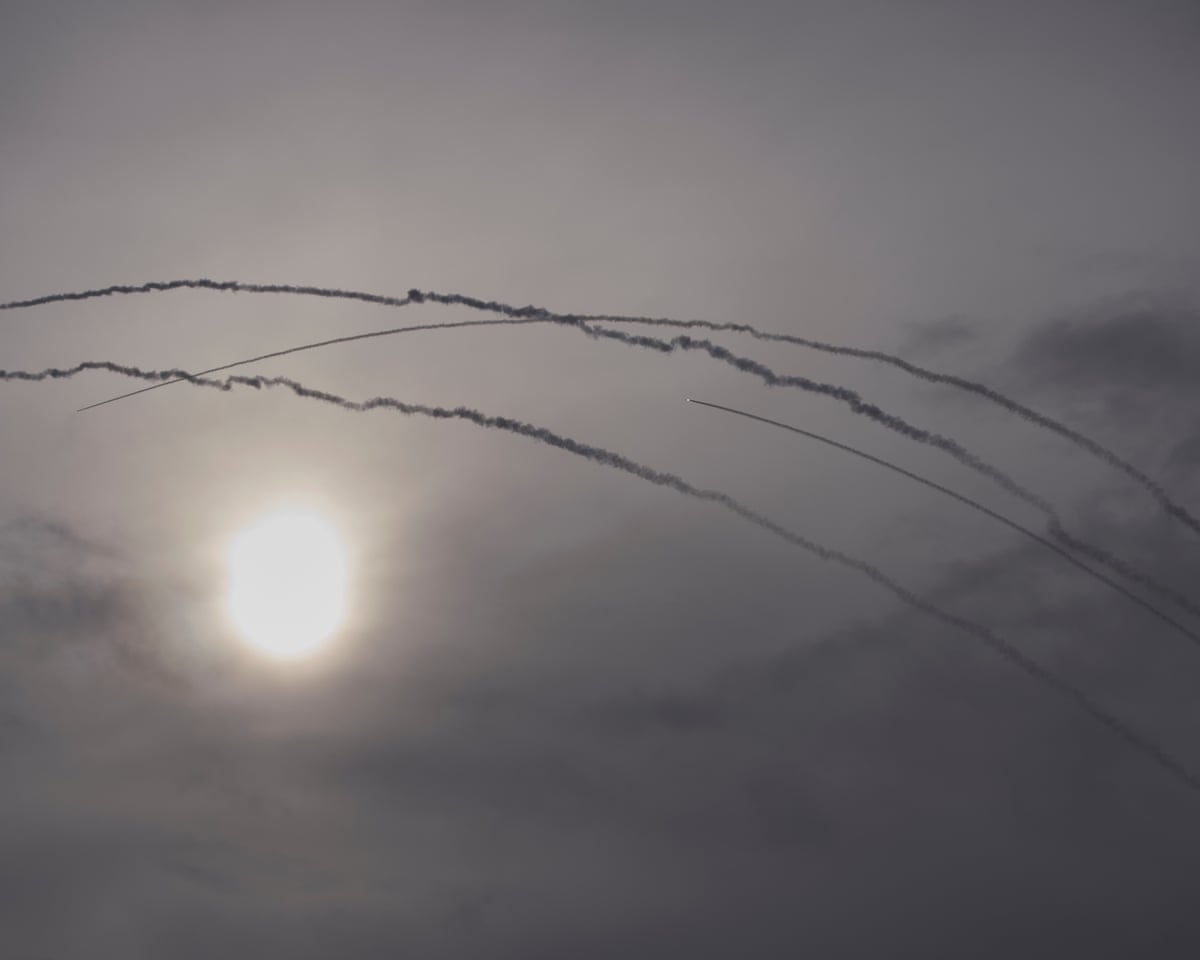
Two individuals were lightly injured by an Iranian cluster bomb in the central Israeli city of Kfar Qasim on Thursday morning, medics told the Times of Israel.
The Magen David Adom emergency service reported treating a 55-year-old man and woman who were injured by a blast after a bomblet struck a building there.
Medics were conducting scans in other areas of the city where submunitions from the Iranian ballistic missile had landed.

The Times reported this was the first Iranian attack on Israel in nearly 15 hours.
As previously noted, the Israeli military said air defenses were responding to missile attacks from Iran, with sirens activated across central Israel, parts of Jerusalem, and the occupied West Bank.
In two statements issued approximately 20 minutes apart, the military confirmed it had
“identified missiles launched from toward the territory of the state of Israel.”
“Defensive systems are operating to intercept the threat,”the statements said, cited by Agence France-Presse.
After the first attack, the military announced that people were
“now permitted to leave protected spaces in all areas of the country.”
Israel’s Magen David Adom emergency medical service reported no casualties.
The attacks occurred more than 14 hours after the military had previously announced incoming missiles from Iran.
Central Israel also came under fire overnight from Lebanon, where Hezbollah claimed a series of attacks targeting military sites. Israeli media reported six rockets were intercepted.
Analysis: Gulf States’ Skepticism Over Alleged US-Iran Talks Reflects Distrust of Trump
Shortly after the US announced it was engaged in “strong talks” to end the war with Iran this week, Qatar took the unusual step of distancing itself from the purported diplomatic negotiations.
Qatar was not involved in any mediation efforts, Majed al-Ansari said at a briefing Tuesday night, adding with a telling aside:
“If they exist.”
This marked a notable departure from Qatar’s historic role as a chief mediator in Middle East and regional conflicts.
Qatar and other Gulf countries have found themselves on the frontlines of the war, but analysts suggest their reluctance to endorse the alleged ceasefire efforts reflects both the heavy toll of the conflict and lingering doubts about whether Trump’s peace talk is genuine or a pretext for escalation.
Bilal Saab, senior managing director of advisory group Trends US and former Pentagon official, said,
“They’ve been burned by their previous experience. There’s a lot of pent-up frustration and disappointment that is affecting their willingness, and perhaps even ability, to mediate anything.”
Asian stock markets were mostly lower and oil prices rose on Thursday as uncertainty about de-escalation of the war persisted.
Tokyo’s Nikkei 225 was down 0.3%, South Korea’s Kospi fell 1.9%, Hong Kong’s Hang Seng dropped 1.4%, and the Shanghai Composite index declined 0.6%, according to the Associated Press.
Australia’s S+P/ASX 200 edged down 0.2%, while Taiwan’s Taiex was up 0.4%. US futures were down 0.1%.
Oil prices increased on Thursday after an earlier dip. Brent crude rose 1.3% to $98.51 per barrel, recovering from below $95 on Wednesday. Benchmark US crude was 1.6% higher at $91.75 per barrel.
The rise in oil prices followed Tehran’s dismissal on Wednesday of a US ceasefire plan after the US offered a 15-point proposal to Iran.
The Israeli military detected a new Iranian ballistic missile attack after a lull of nearly 15 hours, the Times of Israel reported.
“Sirens are expected to sound in central Israel and the Jerusalem area in the coming minutes.”
An Israeli soldier was seriously injured in mortar fire on Israeli forces in Lebanon, the military said.
In a post on X, the military stated (translated):
“The fighter was evacuated to receive medical treatment at the hospital, and his family was notified.”
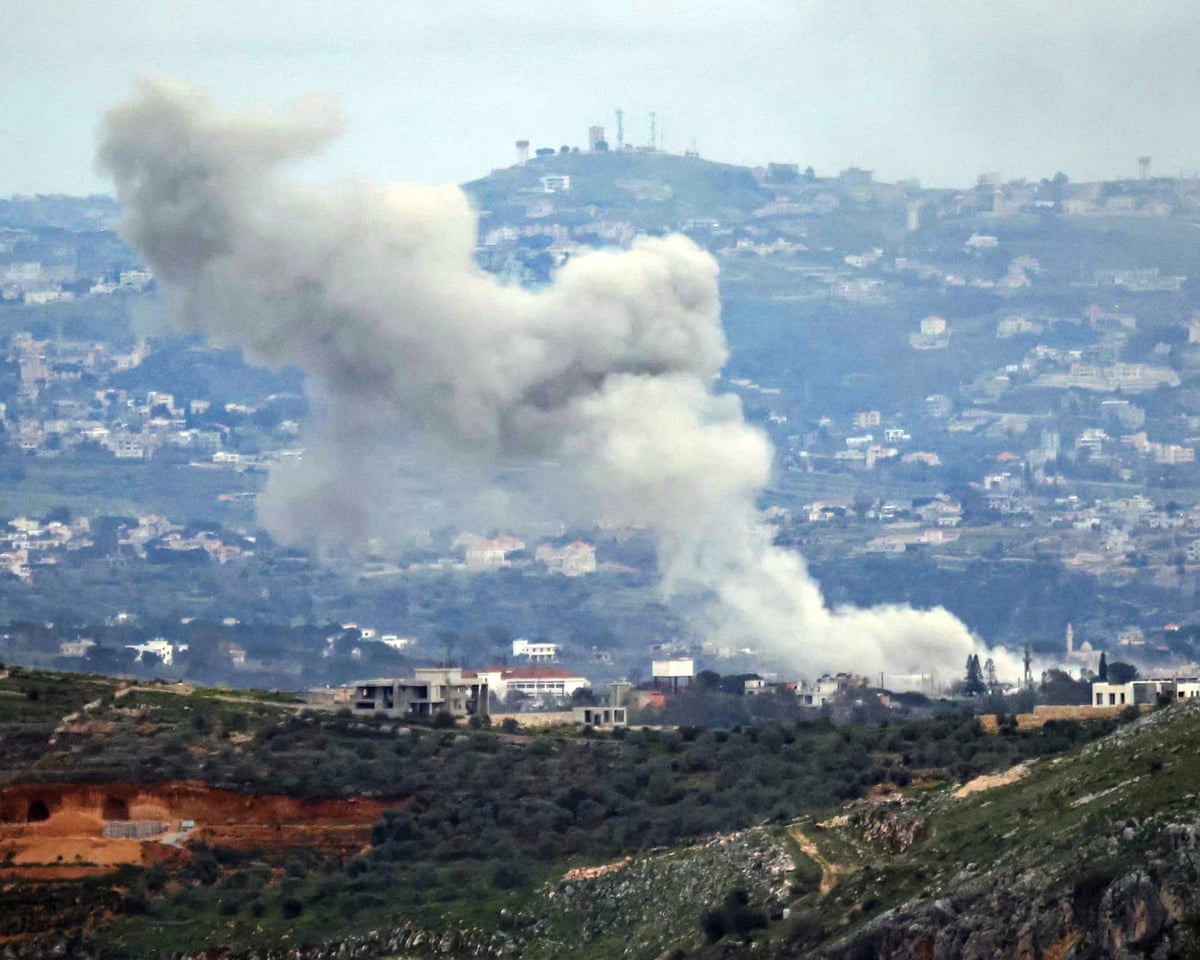
Israel has announced plans to seize parts of southern Lebanon to create a “defensive buffer” extending to the Litani River, approximately 30 km (20 miles) from the border. The army has been engaged in ground fighting with Hezbollah fighters south of the river.
The army is advancing slowly northward despite strong resistance, with soldiers posting videos from the previously contested towns of Taybeh and Khiam.
Israel continues to target Hezbollah positions across Lebanon.
Welcome Summary
Welcome to ongoing coverage of the Middle East conflict and its regional, global, and economic impacts.
Donald Trump has asserted that Iran remains interested in a deal after Tehran rejected a US ceasefire proposal, countered with its own plan, and claimed no intention to negotiate.
Iranian state TV quoted an anonymous official stating that Tehran rejected the plan received via Pakistan, saying it would
“end the war when it decides to do so and when its own conditions are met.”
Foreign minister Abbas Araghchi later said the proposals had been
“passed on to the country’s senior authorities”but that Iran had
“no intention of negotiating for now.”
US President Trump suggested that Iranian negotiators are afraid to admit they are negotiating due to fears of being killed by their own people or by the US.
“They are negotiating, by the way, and they want to make a deal so badly, but they’re afraid to say it because they figure they’ll be killed by their own people,”Trump said.
“They’re also afraid they’ll be killed by us,”he added, noting that no one wants to lead Iran for fear of assassination by the US.
The US military reported late Wednesday that its forces have struck more than 10,000 targets in the Iran war, including destroying 92% of the Iranian navy’s largest vessels. Thousands more targets have been hit by Israeli forces, according to US Navy Admiral Brad Cooper of US Central Command.
“We have damaged or destroyed over two-thirds of Iran’s missile, drone and naval production facilities and shipyards, and we’re not done yet.”
Israel’s military said on Thursday it had conducted a wave of strikes across Iran, including extensive operations in Isfahan. The military stated Israeli forces
“completed a wide-scale wave of strikes targeting infrastructure of the Iranian terror regime in several areas across Iran.”
Kuwait announced the arrest of six people over an alleged Hezbollah plot to assassinate leaders in the Gulf state. The interior ministry said five of those arrested were Kuwaiti citizens. It added that 14 more members of the group had fled the country: five Kuwaitis, five more Kuwaitis whose nationalities were revoked, two Iranians, and two Lebanese.
Iran reportedly received the US’s 15-point plan, which Tehran initially rejected but Araghchi later indicated was still under review.
“If a position needs to be taken, it will certainly be determined,”he said. Earlier reports indicated Tehran rejected the
“excessive”demands in the proposal, which included complete termination of Iran’s nuclear program and strict limits on its missile arsenal.
The White House warned that Trump is prepared to
“unleash hell”if Iran does not accept defeat, while maintaining that negotiations continue. Press secretary Karoline Leavitt said the president prefers a peaceful path but is ready to
“hit [Iran] harder than they have ever been hit before”if necessary.
Benjamin Netanyahu announced Israel would expand its occupation of southern Lebanon, creating a
“larger buffer zone”to counter Hezbollah. Israeli forces have continued bombing Beirut. Many in Lebanon fear Israel’s plans could resemble its previous prolonged occupation in the south, which ended in 2000.
Hezbollah chief Naim Qassem stated that negotiating with Israel amid ongoing attacks would amount to
“surrender.”The Iran-backed group launched missiles early Thursday at military sites in central Israel, where air raid sirens sounded, according to Agence France-Presse.
UN Secretary-General António Guterres said,
“The Gaza model must not be replicated in Lebanon.”He also urged the US and Israel to exercise restraint and called on Iran to cease attacks on its neighbors.