

Israeli Attack on Lebanese Military Vehicle
The Israel Defense Forces (IDF) announced it has initiated an investigation after confirming it attacked a vehicle carrying Lebanese soldiers in southern Lebanon on Saturday morning.
The Lebanese Army reported that two officers and a soldier were killed in the strike on the car, describing the incident as an
"aggressive and barbaric raid". The IDF stated that the vehicle was
"moving suspiciously towards forces"and that gunfire had been reported in the area.
Israel has been engaged in conflict with Lebanon-based Hezbollah since March, primarily in southern Lebanon, from where Hezbollah has launched rocket and drone attacks.
Israel is not in direct conflict with the Lebanese government, which opposes Hezbollah and has sought to secure a ceasefire.
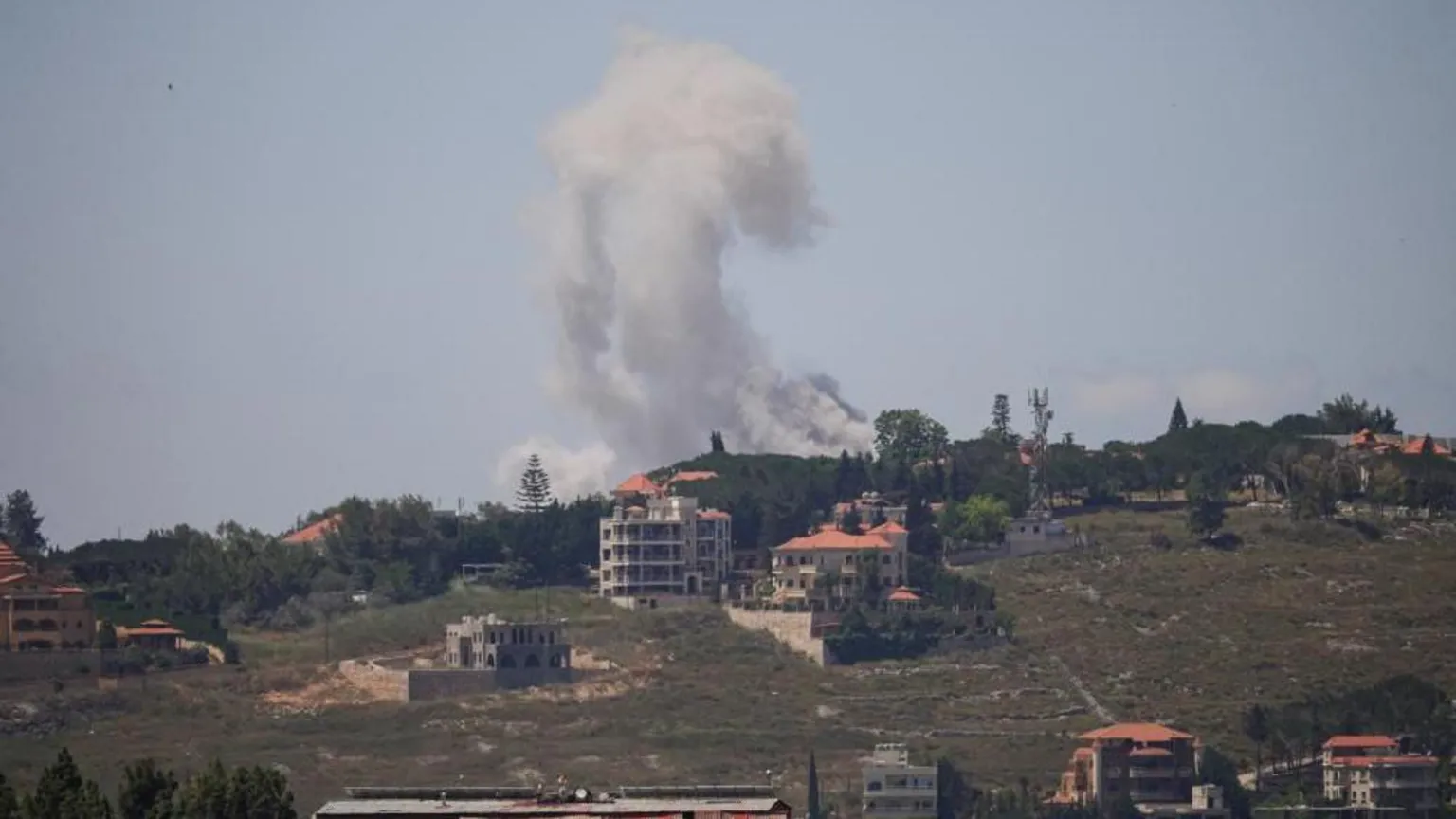
The strike took place on a road near the village of Kfar Tebnit, approximately four miles north of the Litani River and close to the city of Nabatieh. This area has experienced intense fighting and displacement in recent months.
The Israeli military has previously issued broad evacuation orders for the region as its forces continue to advance northward, supported by regular air strikes targeting Hezbollah positions.
The IDF stated that the vehicle targeted on Saturday was traveling within an
"active and evacuated combat zone"where it believes Hezbollah has operated from.
A statement from the IDF emphasized that troop movements in the area require coordination with Israeli forces and reiterated that its operations are
"against the Hezbollah terrorist organisation, not against the Lebanese Army".
The IDF's initial investigation confirmed that three soldiers were believed to be inside the vehicle.
The Lebanese Army responded strongly to the attack, accusing Israel of
"brutal, deliberate and repeated aggression".

It released images showing the burnt-out wreckage of the car on a road outside the village.
Context of the Conflict and Ceasefire Efforts
The attack occurred amid ongoing hostilities between Israel and Hezbollah. Hezbollah's leadership recently rejected attempts to revive a US-backed ceasefire agreement between Israel and Lebanon, which had been negotiated without the participation of the Iran-backed group.
The ceasefire agreement included provisions that Israel would not attack Hezbollah positions in Beirut if the group refrained from attacking Israel. It also proposed establishing
"pilot" security zonesinside southern Lebanon, from which Hezbollah would be banned.
Hezbollah's deputy leader, Naim Qassem, dismissed the agreement, calling the talks between Lebanon and Israel
"futile".
While Lebanon's government opposes Hezbollah, it seeks to end the fighting on its territory, which has previously involved significant air strikes on Beirut.
The Lebanese government has stated that a ceasefire is necessary to enable its forces to disarm Hezbollah, although Israel has previously accused the Beirut government of lacking the capability to do so.
US President Donald Trump has aimed to defuse the conflict in Lebanon to facilitate an agreement with Iran. However, Iran has made any deal to end its conflict with the US and Israel contingent upon halting the campaign against Hezbollah.
Background of the Conflict
Lebanon became involved in the broader conflict between the US, Israel, and Iran on 2 March, when Hezbollah launched rockets into Israel in retaliation for an Israeli strike that killed Iran's supreme leader.
Israel responded with an air campaign across Lebanon and a ground invasion in the south.
An initial ceasefire was agreed upon on 16 April but failed to halt the fighting.
In recent weeks, Israeli strikes have largely been confined to southern Lebanon, although the IDF has conducted attacks in eastern Lebanon since Israeli Prime Minister Benjamin Netanyahu announced an intensification of the campaign on 26 May.


