

Israeli Air Strikes Target Hezbollah in Tyre
The Israeli military announced it is conducting air strikes on Hezbollah positions in Tyre, a city in southern Lebanon, following an order for the complete evacuation of the area.
Officials stated that the military was "compelled to act forcefully" in Tyre due to violations of a US-brokered ceasefire by the Iran-backed group Hezbollah, which had been in effect for five weeks.
Earlier on Wednesday, Lebanese media reported a series of Israeli strikes across southern Lebanon and the eastern Bekaa Valley, resulting in four fatalities in the towns of Choukine and Nabatieh.
Hezbollah, which has accused Israel of breaching the ceasefire, reported ongoing clashes with Israeli forces north of the Litani River, approximately 30 kilometers (19 miles) from the border.
The escalation follows an announcement by Israel's Prime Minister to expand ground operations after Hezbollah drone attacks targeted Israeli troops stationed in southern Lebanon and civilians in northern Israel.
Throughout Wednesday, thick black smoke was visible over Tyre's Mediterranean skyline as residents observed the air strikes from their balconies, capturing footage on their phones. Tyre is one of the largest cities in southern Lebanon.
In the afternoon, the Israeli military instructed all residents of Tyre, including those in Palestinian refugee camps and nearby villages, to evacuate immediately and move north of the Zahrani River, about 40 kilometers from the border.
This evacuation order represents one of the most extensive displacements issued during the conflict so far.
Many inhabitants of Tyre, including those previously displaced from other regions of southern Lebanon, face uncertainty regarding relocation options.
Rida, 52, a cafe owner whose establishment and home near the beach were destroyed by an air strike just before the ceasefire began last month, expressed a change in sentiment regarding leaving Tyre.
"I went to the port next to the beach and a lot of people are there," Rida said by phone on Wednesday. "People packed up their stuff. Everyone is scared. I think that they will erase Tyre."
Earlier, the Israeli military also ordered residents of Nabatieh, northeast of Tyre, and several other towns to evacuate for the second consecutive day.

The evacuation directives followed a severe 24-hour period during which over 150 Israeli air strikes targeted approximately 50 towns and villages across southern Lebanon and the Bekaa Valley.
The Lebanese health ministry reported at least 31 fatalities on Tuesday, including 15 in Burj al-Shamali, a town just east of Tyre.
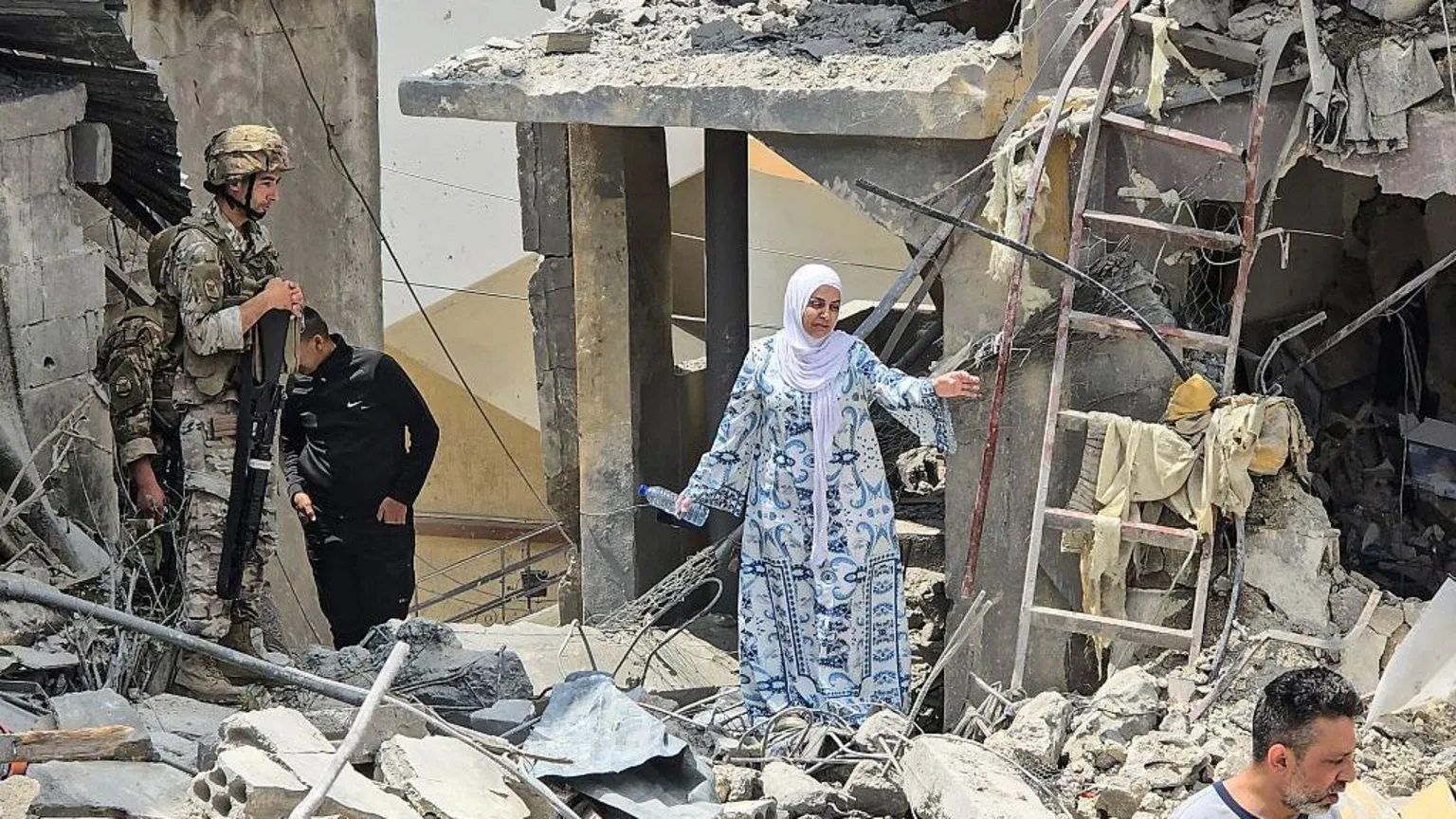
The Israeli military stated that its strikes focused on Hezbollah "infrastructure sites and terrorists." These operations occurred after Prime Minister Benjamin Netanyahu instructed military commanders to "press the pedal even harder" in targeting Hezbollah in response to the group's attacks, which included the use of fiber-optic drones.
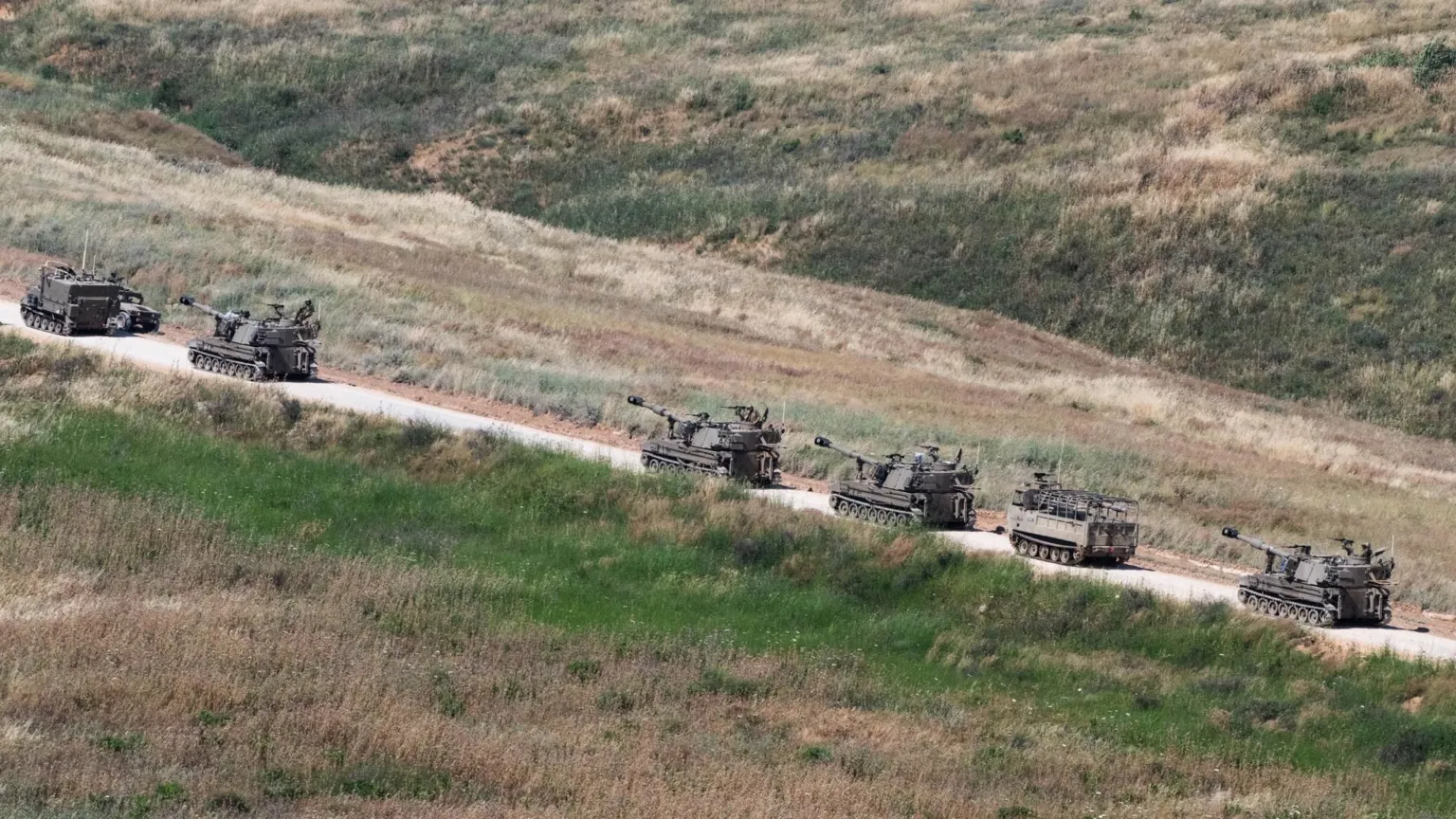
During a cabinet meeting on Tuesday evening, Netanyahu announced that Israeli forces were "deepening" their ground operation beyond the currently occupied strip in southern Lebanon, which extends up to 10 kilometers from the border in some areas.
"[The military] is operating with large forces on the ground and seizing dominant terrain. We are fortifying the security zone to protect the communities of the north [of Israel]," Netanyahu said.
Clashes and Ceasefire Violations
Hezbollah reported that its fighters engaged Israeli forces "at point-blank range" in Zawtar al-Sharqiyeh, located north of the Litani River and just outside the Israeli-declared buffer zone in southern Lebanon.
Israeli officials have intensified military actions against Hezbollah, citing violations of the temporary ceasefire agreement between Israel and Lebanon, which commenced on 16 April and has been extended twice.
Lebanese authorities, however, have accused Israel of violating the ceasefire through its air strikes.
This escalation risks undermining negotiations aimed at resolving the broader conflict involving the US, Israel, and Iran. Iran maintains that any agreement must include Lebanon, while Israel asserts its right to counter the Hezbollah threat.
Background of the Conflict
Lebanon became involved in the war on 2 March, when Hezbollah launched rocket attacks into Israel in retaliation for an Israeli strike that killed Iran's supreme leader. Israel responded with an air campaign across Lebanon and a ground invasion.
According to Lebanon's health ministry, at least 3,213 people have died since the war began; these figures do not distinguish between combatants and civilians.
Israel reports that 23 of its soldiers and four civilians have been killed during the conflict on both sides of the border.
Additional reporting by Angie Mrad.


