Spring and Ceasefire Bring Mixed Feelings in Northwestern Iran
On the plains of northwestern Iran, bordered by snow-capped ridges, spring encourages almond trees to bloom, while a fragile ceasefire has increased traffic on highways and prompted more Iranians to return home.
"I stayed with my son in Turkey for a month,"a grey-haired banker said as we waited in the departures hall at a Turkish border crossing, where late winter snow had caused temperatures to drop sharply on the Turkish side.
"In my city in the north the Israeli and American airstrikes mainly hit military targets, not homes and civilian infrastructure,"he summarized his experience of five weeks of intense conflict, temporarily paused by a two-week truce set to expire in a week.
"I'm a bit scared,"an elderly woman wearing a headscarf admitted, her face creased with worry. She spoke sorrowfully about the suffering of young Iranians—from shells striking crowded residential neighborhoods to threats from Iran's Basij paramilitary forces patrolling the streets.
"It's all in God's hands,"she murmured, lifting her eyes heavenward.
Others expressed concerns grounded in immediate realities.
"Of course, the ceasefire won't hold,"stated a young woman in a bright red puffer jacket and knitted hat.
"Iran will never give up its control of the Strait of Hormuz."
After clearing Turkish customs and entering the Islamic Republic of Iran, a man nearby exclaimed when asked about the current calm,
"Trump will never leave Iran alone; he wants to swallow us!"
Journey to Tehran Amidst Threats and Infrastructure Damage
It is difficult not to think about the US president and commander-in-chief during the long drive to Tehran—the only route available since airports remain closed—especially when observing every bridge still spanning the road, gleaming in the spring sunlight.
On Wednesday, Trump reiterated his warning that he could destroy every bridge in Iran, telling Fox Business News,
"We could take out every one of their bridges in one hour"along with all power plants. However, he added,
"we don't want to do that."
During this 12-hour journey, vehicles were forced to detour along winding rural roads because the main bridge connecting the northern city of Tabriz with Tehran via Zanjan collapsed under missile fire last week.
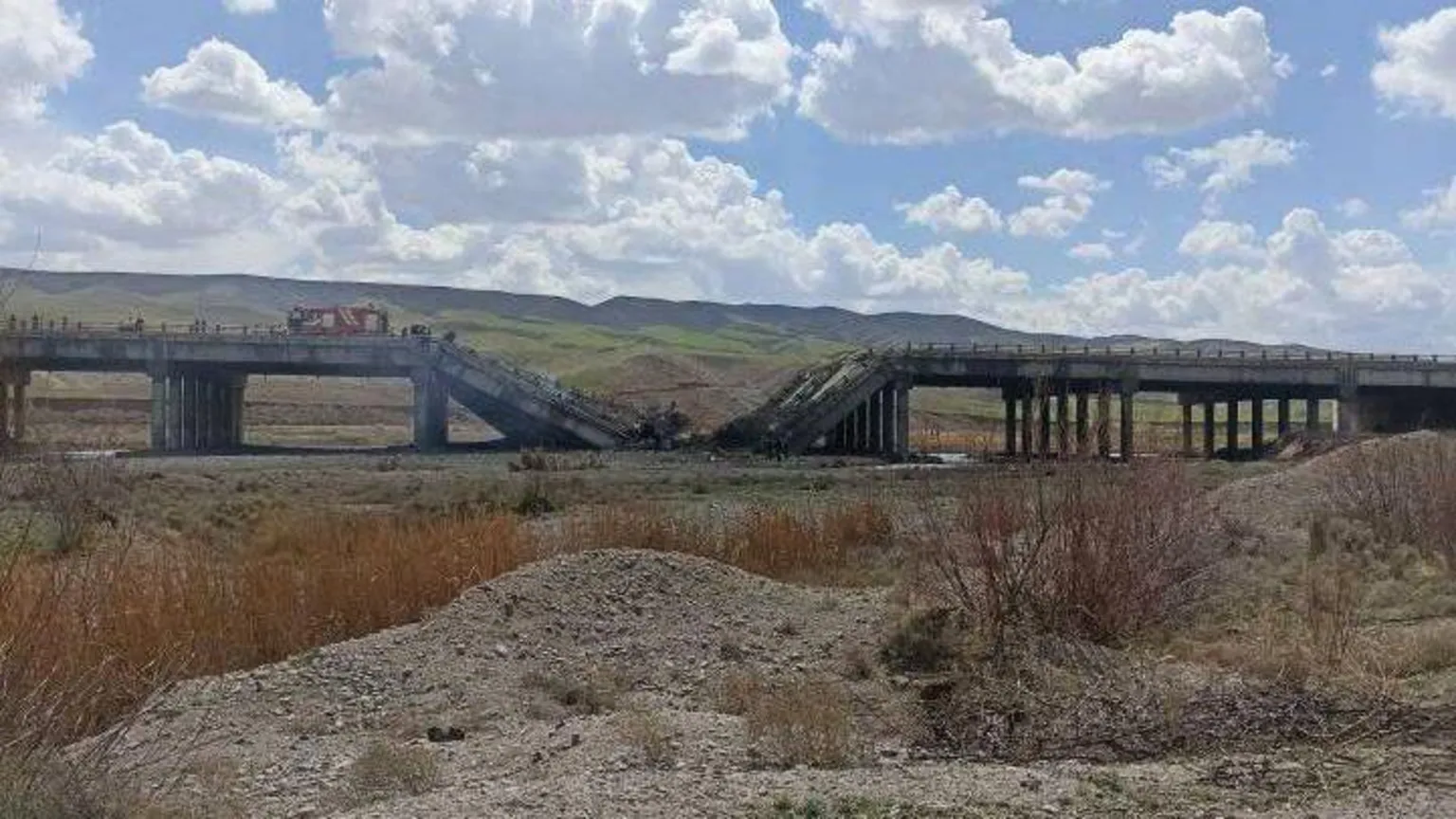
The targeting of civilian infrastructure has drawn increasing criticism from legal experts warning of violations of international humanitarian law and potential war crimes. The US and Israel maintain they are striking only military targets.
Military targets are visible as well, including a flattened barracks of the Islamic Revolutionary Guard Corps (IRGC) on Tabriz's outskirts. A large flag covers the damaged pillars protruding like concrete teeth. Other military and police bases, as well as factories, were also struck in this region.
Historical and Contemporary Iran Amidst Conflict
Trump's apocalyptic threat on 7 April that
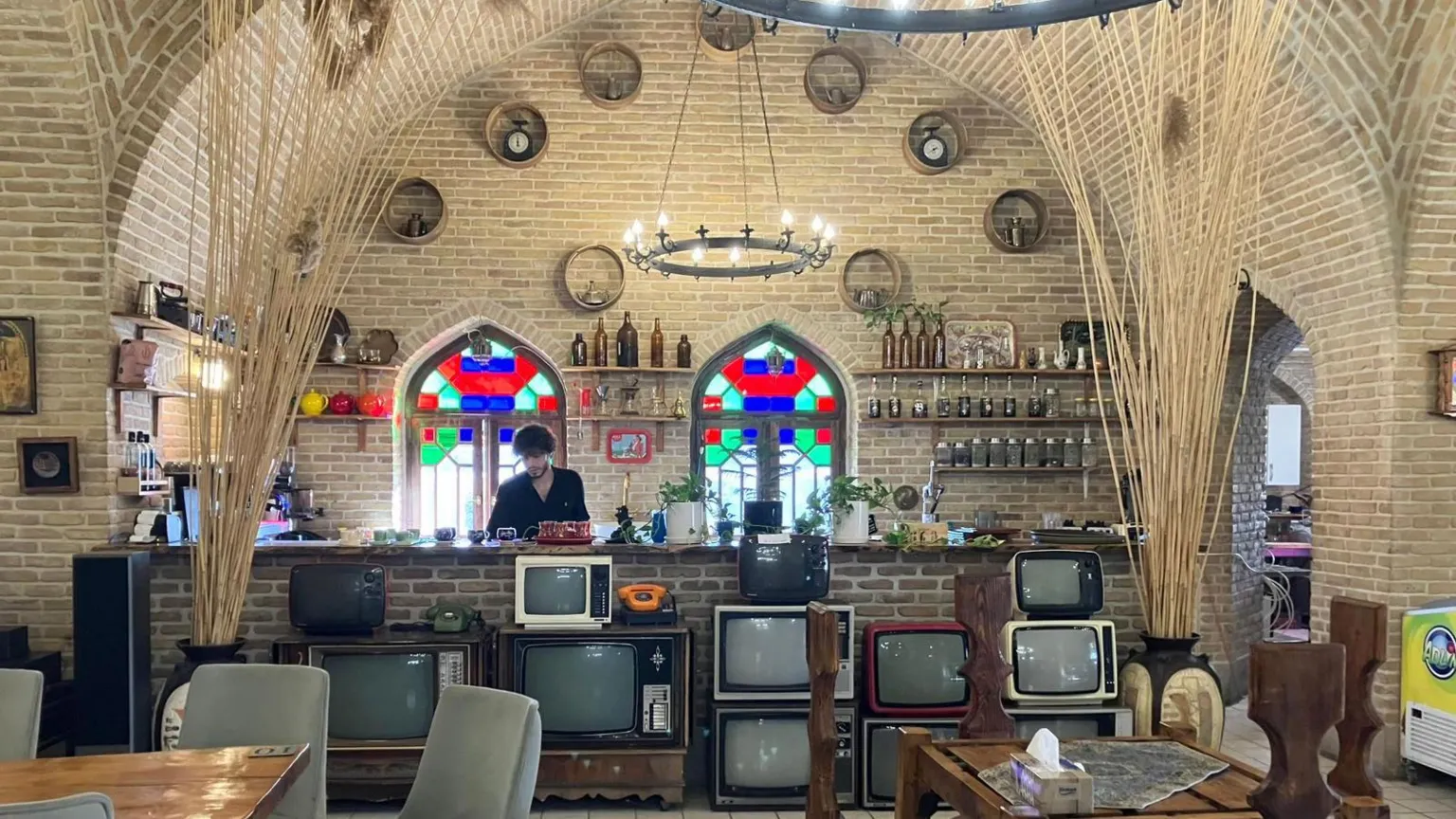
"a whole civilisation will die tonight"comes to mind when stopping at a roadside restaurant—a centuries-old caravanserai with vaulted stone ceilings and stained-glass windows—offering a glimpse of Iran's rich millennia-old civilization.
The Iran of today is evident everywhere, with some women wearing veils and scarves and others, of all ages, bareheaded. This reflects the legacy of the 2022-2023 Woman Life Freedom protests. Women now resist reverting to previous strict dress codes, despite ongoing laws enforcing "modesty" and severe punishments.
However, Iran's theocracy currently prioritizes other matters.

New banners stretch across highways displaying portraits of the three supreme leaders since the 1979 revolution: Ayatollah Ruhollah Khomeini; Ayatollah Ali Khamenei, who was assassinated in the war's initial attacks on 28 February; and his successor, his son Mojtaba Khamenei, reportedly seriously injured in that attack and not seen or heard publicly since.
Mojtaba Khamenei is reportedly involved in shaping a new political and security doctrine following this devastating war and historic high-level efforts to resolve longstanding conflicts with Iran's arch-enemy concerning its nuclear program and critical issues such as control of the Strait of Hormuz shipping lane.
Behind Closed Doors: US-Iran Talks in Islamabad
On Wednesday, more details emerged about a 21-hour meeting in Islamabad between a US delegation led by Vice-President JD Vance and a large Iranian contingent headed by Parliamentary Speaker Mohammad Bagher Ghalibaf, a hardliner linked to the powerful IRGC and viewed as a possible pragmatist, though not the sole or main decision-maker.
Since Vance boarded his plane at dawn on Sunday, stating he had presented the US's
"final and best offer"—implying a take-it-or-leave-it stance—both he and Trump have given interviews portraying a more nuanced situation and indicating that diplomacy remains alive.
On Wednesday, Iran's foreign ministry spokesman Esmail Baghaei broke Tehran's relative silence, discussing the Islamabad talks and reflecting Tehran's demands:
"a full end to war, lifting sanctions, and retribution of damages of US-Israeli attacks on Iran."
Meanwhile, reports from Washington have outlined American red lines: no nuclear enrichment for Iran, dismantling enrichment facilities, removal of all highly enriched uranium, reopening the Strait of Hormuz, and ending support for regional partners and proxies such as Hamas and Hezbollah.
Sources indicate Tehran rejected a demand for a 20-year moratorium on nuclear enrichment, proposing instead the five-year pause it had suggested before hostilities began.
Tehran also resisted the demand to surrender its 440kg stockpile of highly enriched uranium, maintaining its earlier concession to dilute the 60% enriched uranium, which approaches weapons-grade levels.
Despite Trump's blockade of Iran's vital oil tankers and other vessels through the strategic Strait of Hormuz, Tehran shows no signs of yielding, though Trump's statements suggest he mistakenly believes Iran will soon capitulate under mounting military and economic pressure.
On Wednesday, Ali Abdollahi, commander of Iran's highest operational command, escalated tensions by threatening to halt
"any exports or imports to continue in the Persian Gulf, the Sea of Oman, and the Red Sea."
Pakistan's Mediation Efforts and Prospects for Peace
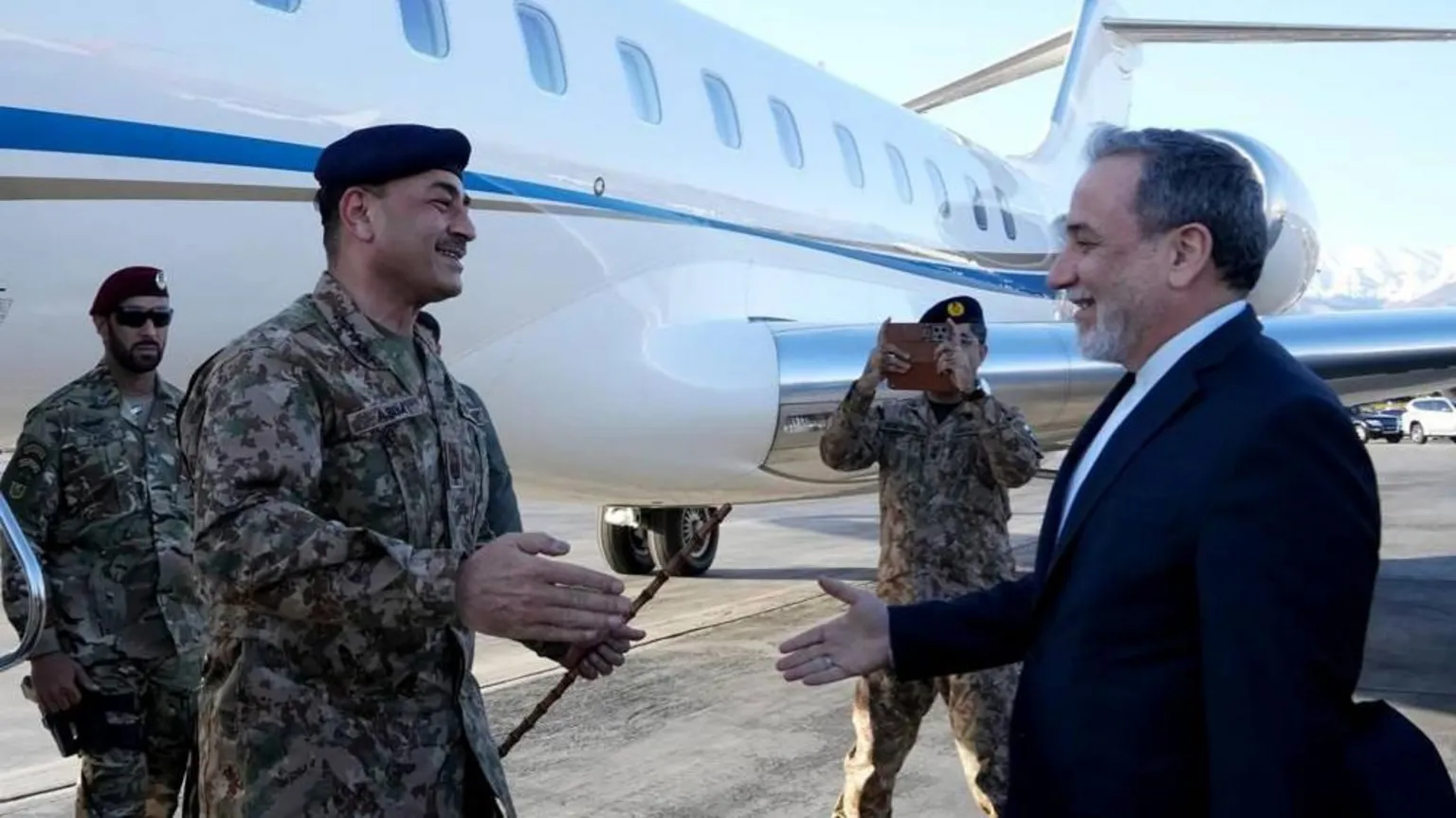
As the journey to Tehran continued, Pakistan's Army Chief, Field Marshall Asim Munir, arrived in the capital to accelerate mediation efforts and narrow differences on these and other issues.
White House press secretary Karoline Leavitt confirmed ongoing discussions about a second round of US-Iran talks, expected again in Islamabad with Pakistan mediating. Reports also circulate about a possible extension of the two-week truce.
From Washington come assessments that America's shooting war—or at least its worst phase—may be over for now. Inside Iran, many are taking each day as it comes, despite diverse views on their country's future.
It is only mid-April. Iranians have already endured extraordinary nationwide protests suppressed with lethal force, resulting in thousands of deaths, an unfinished external war, and domestic restrictions including widespread internet blackouts.
This has left many wondering if a deal, should it ever be reached, will finally lift crippling sanctions and bring the changes they desire.
The BBC's chief international correspondent Lyse Doucet reports from Tehran under the condition that none of her material be used on the BBC's Persian Service. These restrictions apply to all international media organizations operating in Iran.