

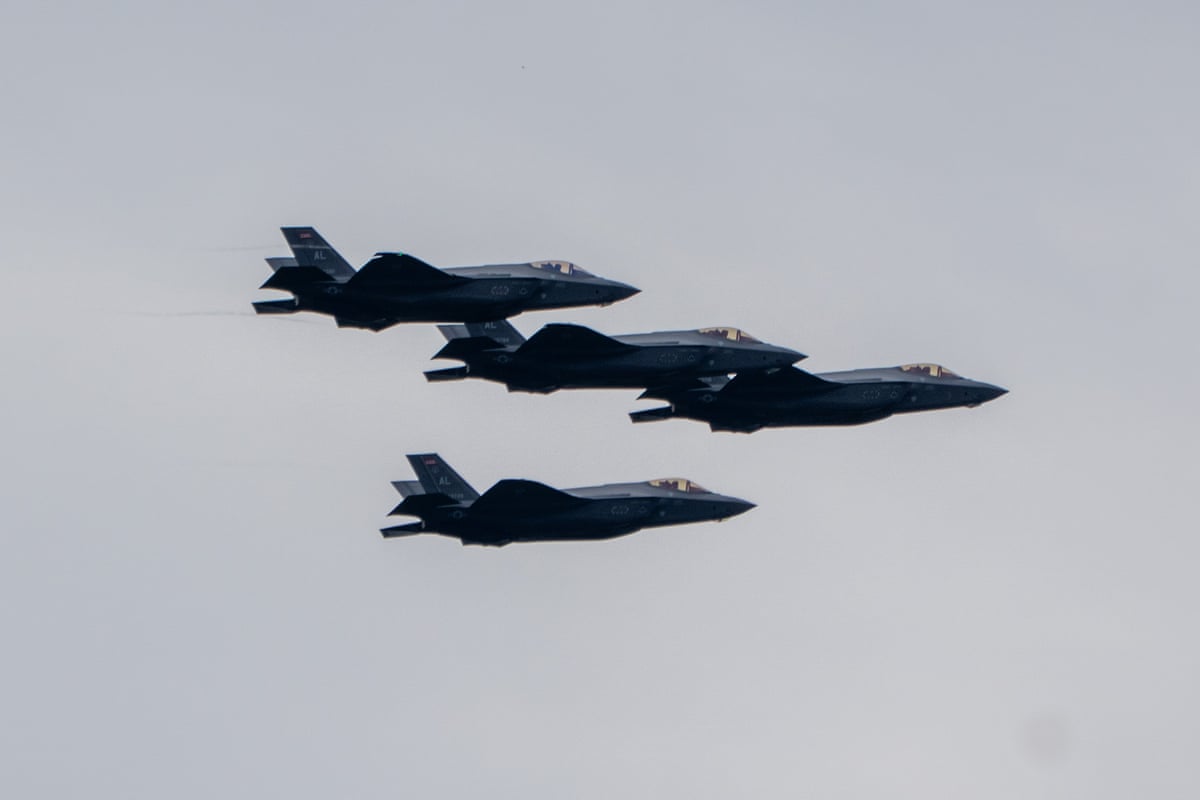
Iran Armed Forces Claim Downing of Second US F-35 Fighter Jet
Iran has announced that its forces shot down a second US F-35 fighter jet over Iranian territory, with state news agency reports indicating that the pilot is unlikely to have survived, according to .
This development coincides with Iran's recent missile and drone attacks across the Middle East, including strikes on Bahrain and Kuwait, where an oil refinery was set ablaze by drones on Friday.
Last month, the US military reported that a US F-35 aircraft conducted an emergency landing following a combat mission over Iran, with the pilot reported to be in stable condition.
A spokesperson for Iran’s Khatam al-Anbiya central headquarters stated on Friday that the second F-35 jet was downed over central Iran by Revolutionary Guard air defenses, with low chances of pilot survival, reported.
There has been no immediate response from the US, and has not independently verified the claim.
Iran’s Islamic Revolutionary Guard Corps (IRGC) denied involvement in the attack on a Kuwaiti power and water desalination plant, attributing the incident to another party.
In a statement carried by Iran’s semi-official Tasnim news agency, the IRGC’s public relations department declared:
"The Zionist regime’s unconventional and illegitimate attack on Kuwait’s desalination plants is a sign of the vileness and baseness of the Zionist occupiers, and the Revolutionary Guards condemn this inhumane act and declare that American bases and military personnel in the region and the Zionist regime’s military and security centres in the occupied Palestinian territories are our powerful targets."
Earlier on Friday, Kuwait’s Ministry of Electricity, Water and Renewable Energy confirmed that an Iranian attack caused damage to the plant.
UK Prime Minister Sir Keir Starmer condemned the "reckless" Iranian drone attack that ignited a fire at a Kuwaiti oil refinery during a call with Kuwait’s Crown Prince Sheikh Sabah Al-Khaled Al-Hamad Al-Mubarak Al-Sabah.
A Downing Street statement detailed the conversation:
"The prime minister spoke to his highness the Crown Prince of Kuwait Sheikh Sabah Al-Khaled Al-Hamad Al-Mubarak Al-Sabah this morning. The prime minister began by condemning the reckless overnight drone attack on a Kuwaiti oil refinery. He reiterated that the UK stands with Kuwait and all our allies in the Gulf. They discussed the deployment of the UK’s rapid sentry air defence system to Kuwait, which will protect Kuwaiti and British personnel and interests in the region, while avoiding escalation into wider conflict. Regarding ongoing disruption to global shipping through the strait of Hormuz, the prime minister and crown prince welcomed the meeting convened by the foreign secretary yesterday on a viable plan to reopen the Strait. They agreed to continue to work together on this and stay in close contact over the coming weeks."
Summary of Attacks in the Middle East as Conflict Nears Six Weeks
Multiple Gulf countries experienced missile and drone attacks overnight and into Friday morning as the US-Israeli conflict with Iran entered its 35th day.
The Kuwait Petroleum Corporation reported that the Mina al-Ahmadi oil refinery was struck by Iranian drones, causing fires at the facility. This refinery has been targeted multiple times during the conflict.
Kuwait also reported that an Iranian attack inflicted "material damage" on a power and water desalination plant, which supplies most of the drinking water for Gulf states.
Bahrain’s Interior Ministry reported sirens sounded three times overnight, urging residents to seek the nearest safe locations, though further details were not provided. Such sirens typically indicate potential threats or attacks.
Authorities in Abu Dhabi reported two incidents involving debris from intercepted aerial threats. The Abu Dhabi Media Office stated that operations at the Habshan gas facilities were suspended due to a fire caused by falling debris, with no injuries reported.
A separate incident of falling debris occurred in the Ajban area following successful air defense interceptions, though no further details were given.
The Saudi Defense Ministry announced on X that it intercepted and destroyed over a dozen drones overnight and into Friday morning, without elaborating.
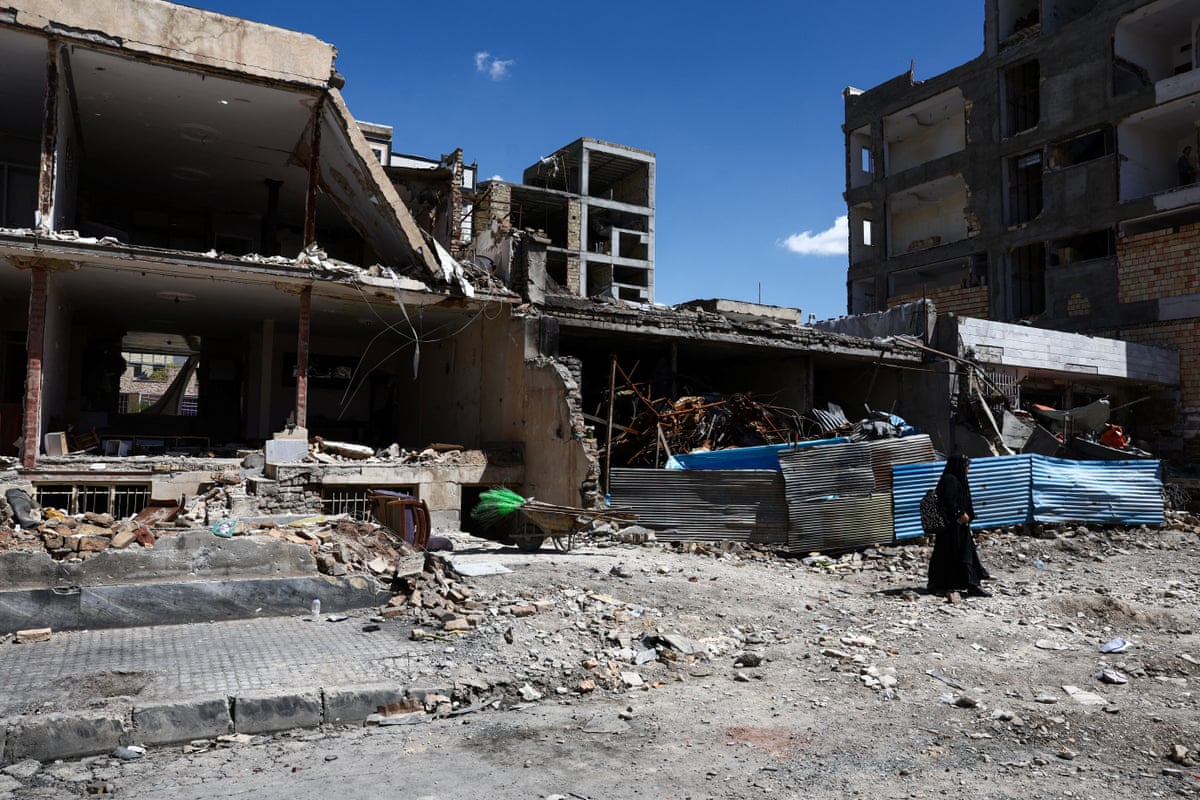
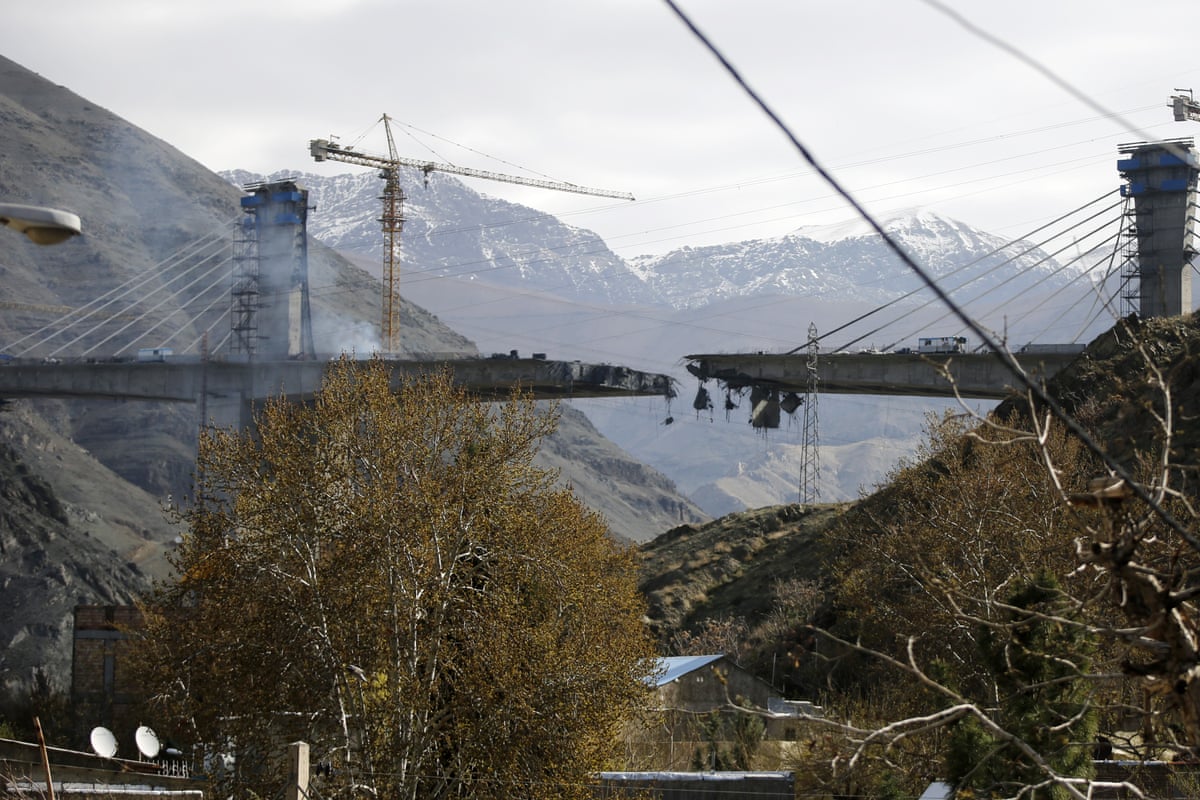
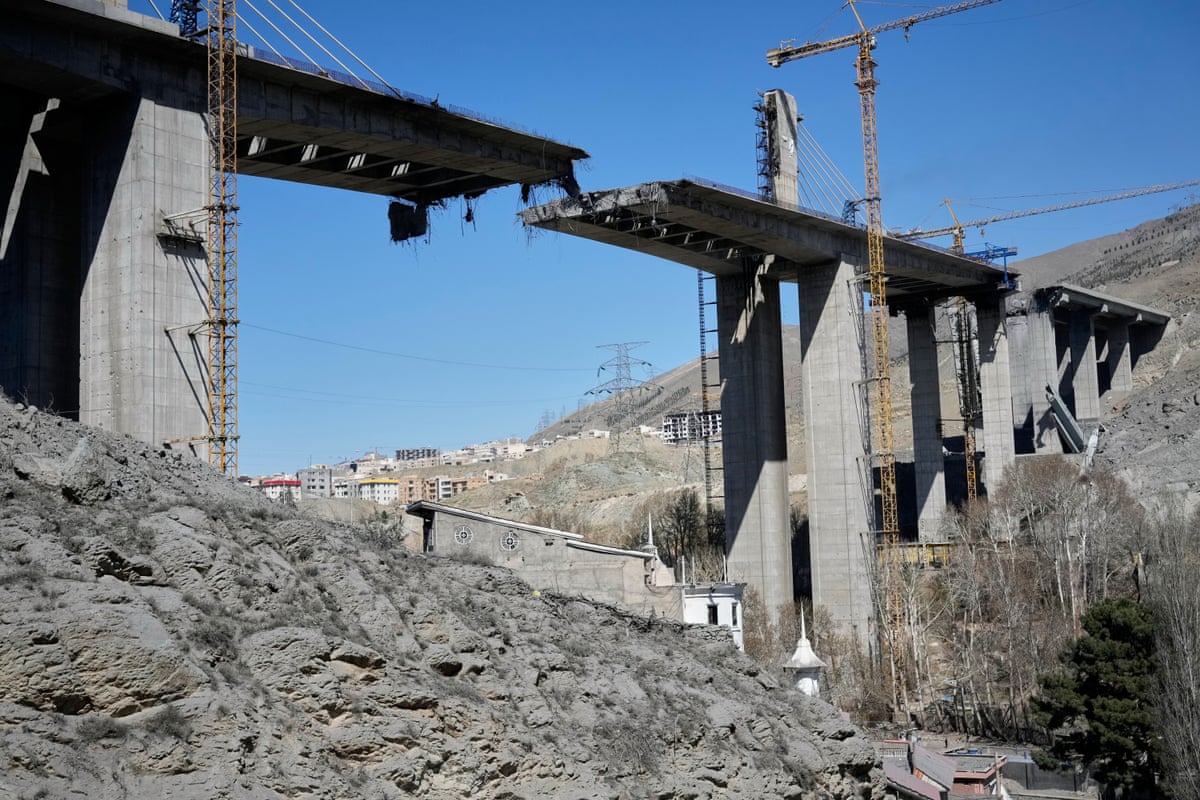
Iran reported strikes near Tehran and the central city of Isfahan. A newly constructed bridge connecting Tehran and Karaj was heavily damaged by a US airstrike.
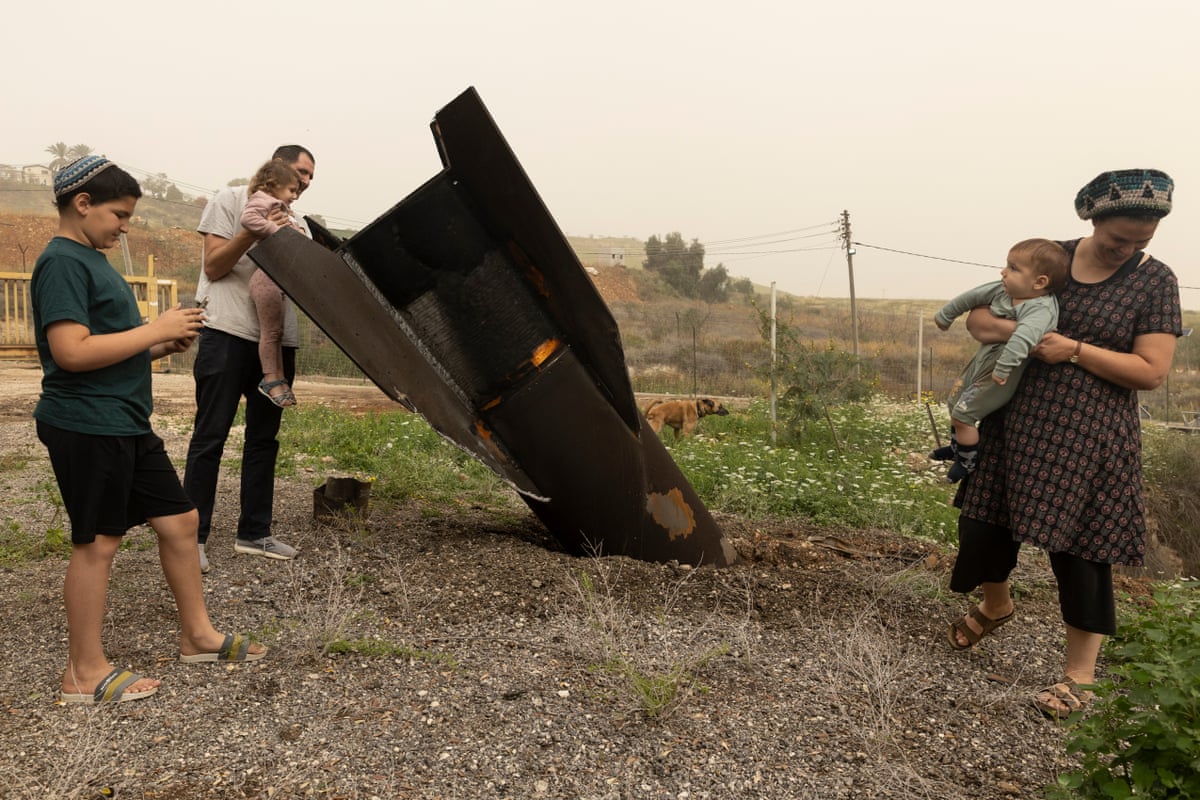
The Israel Defense Forces (IDF) reported detecting a ballistic missile attack from Iran targeting northern Israel earlier on Friday. Israel’s Magen David Adom emergency service confirmed one injury from a missile attack in Kiryat Ata near Haifa.
The IDF stated it killed 15 members of the Iran-backed Hezbollah group following an attack on southern Lebanon, according to the military’s Arabic-language spokesperson Avichay Adraee. Hezbollah has not commented on the claim.
UK to Deploy Air Defence System to Kuwait
The UK announced plans to deploy its Rapid Sentry air defence system to Kuwait to protect British and Kuwaiti interests in the Gulf, according to a statement from Prime Minister Sir Keir Starmer’s office.
The deployment was discussed during a call between the Prime Minister and Kuwait’s Emir Sheikh Meshal al-Ahmad al-Sabah.
A Downing Street spokesperson said:
"The prime minister began by condemning the reckless overnight drone attack on a Kuwaiti oil refinery. He reiterated that the UK stands with Kuwait and all our allies in the Gulf."
The Rapid Sentry system is a ground-based short-range air defence designed to counter drone threats.
All Easter masses in Dubai have been cancelled due to the ongoing Middle East conflict, AFP reported.
The St Francis of Assisi Church at Jebel Ali in Dubai announced on its website that all masses are suspended until further notice, following government directives. The Jebel Ali coastal area has been targeted multiple times by missiles and drones, reportedly due to the presence of US military assets.
Similarly, St Mary’s Catholic Church in Dubai announced that Good Friday’s mass would be livestreamed online instead of being held in person.
Human remains were discovered aboard the Thai-flagged cargo ship Mayuree Naree, which was damaged by unknown projectiles in the Strait of Hormuz in March.
Thailand’s Ministry of Foreign Affairs stated that a specialized search and rescue team conducted a detailed inspection of accessible areas on the vessel, which sustained fire damage and flooding in the engine room and adjacent compartments.
The ministry said:
"The team found human remains in the damaged area on board, but has not been able to verify or identify those remains. The ministry is saddened by this development and will coordinate closely with the relevant Thai embassies, the Iranian side and related agencies in order to receive the results of any forensic identification conducted at the earliest possible opportunity. The ministry will provide further updates in due course."
reported that a container ship operated by French shipping group CMA CGM passed through the Strait of Hormuz, according to French television network BFM TV. It remains unclear how the vessel secured safe passage through the strait, which has been effectively closed since the conflict began on 28 February.
CMA CGM did not respond to requests for comment, and France’s Foreign Ministry declined to comment.
Perspectives from the Border: Iranians Fleeing and Returning Amid Conflict
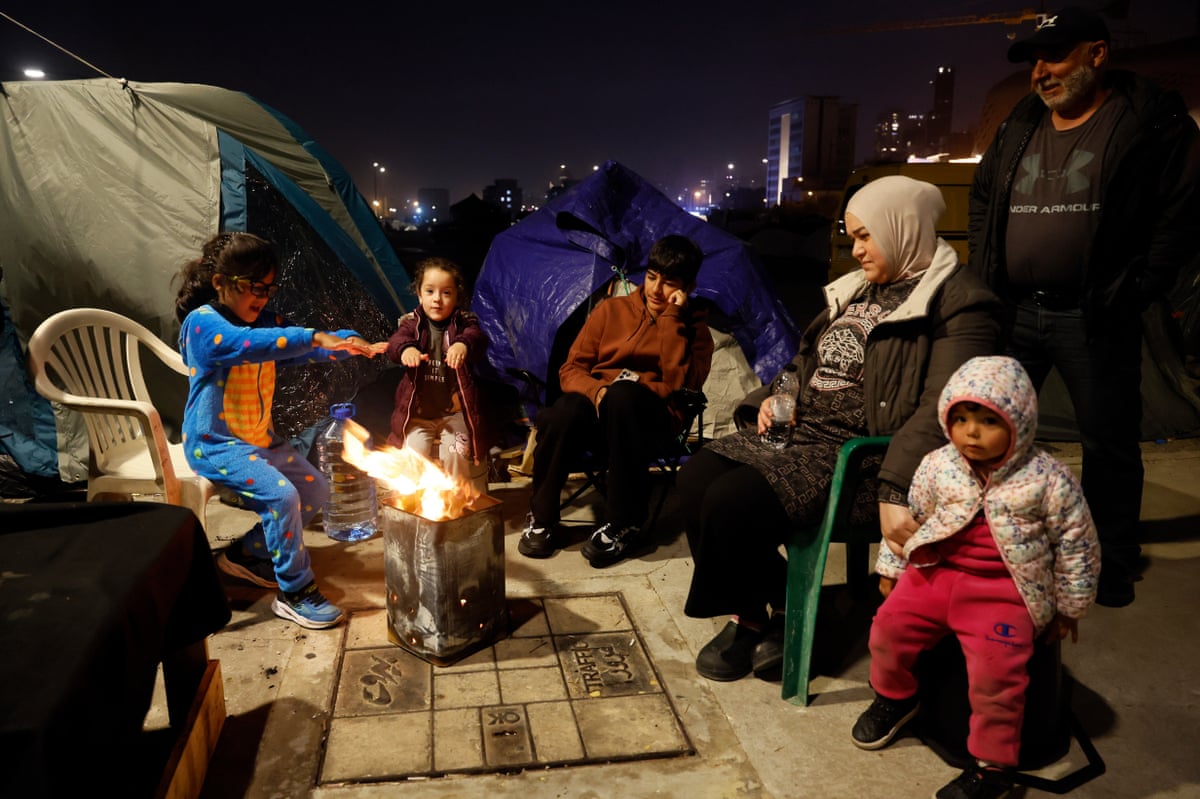
At the Kapıköy border crossing in eastern Turkey, a mountain pass between snow-capped peaks and one of the few western gateways from Iran, some Iranians are fleeing the conflict while others are returning home.
Amir (a pseudonym), who recently crossed into Turkey from Tehran, described the situation:

"Why? Boom. Because of the war. Every night they are bombarding."
Despite the conflict, Amir expressed no bitterness toward the US and Israeli campaign, stating:
"We must want to get rid of the regime. Thank you to Trump."
Iran Strikes Power and Water Desalination Plant in Kuwait
An Iranian attack damaged a power and water desalination plant in Kuwait on Friday morning, causing material damage, according to the Kuwaiti Ministry of Electricity, Water and Renewable Energy.
The ministry stated on X that emergency and technical teams were on site to maintain operations and secure the facility.
Kuwait and other Gulf states have faced repeated Iranian attacks since the conflict began on 28 February. Earlier on Friday, Iranian drones struck Kuwait’s Mina al-Ahmadi oil refinery, igniting fires at the site. Bahrain’s Interior Ministry reported sirens overnight, advising residents to seek safety.

US Airstrike Damages Newly Constructed Bridge Near Tehran
Donald Trump warned on Thursday night that the US military "hasn’t even started destroying what’s left in Iran," threatening further strikes on bridges and electric power plants.
He posted a video on his Truth Social app showing a US bombing of a newly constructed bridge between Tehran and Karaj, which was scheduled to open to traffic this year. Iranian state media reported eight fatalities and 95 injuries from the attack.
Iranian Foreign Minister Abbas Araghchi responded:
"Striking civilian structures, including unfinished bridges, will not compel Iranians to surrender."

Former Iranian Foreign Minister Proposes Peace Plan to End Conflict
Javad Zarif, former Iranian foreign minister and University of Tehran professor, published a peace plan in the US magazine Foreign Affairs proposing terms to end the conflict.
Zarif suggested that the US should "declare victory and make a deal that both ends this conflict and prevents the next one." Key elements of his plan include:
- Iran committing to never pursue nuclear weapons and down-blending enriched uranium below 3.67%, the level set by the 2015 nuclear deal from which the US withdrew in 2018.
- Including China and Russia in a deal to establish a single uranium enrichment site in the region, where Iran would transfer all enriched material and equipment.
- The US and allies lifting all sanctions on Iran, allowing full participation in the global economy.
- Reopening the Strait of Hormuz with mutual access for Iran and others.
- Signing a non-aggression pact between Iran and the US, pledging not to strike each other in the future.
Though Zarif holds no official government position, he has been influential in Iranian politics and reportedly coordinated with senior leadership before publishing the article.
Zarif criticized US negotiators, stating:
"Trump’s close friend Steve Witkoff and his son-in-law, Jared Kushner, are completely illiterate on both geopolitics and nuclear technicalities."

Iran Warns UN Security Council Against Provocative Action Ahead of Hormuz Strait Vote
Iran cautioned the UN Security Council against "provocative action" ahead of a postponed vote on authorizing the use of defensive force to protect shipping in the Strait of Hormuz, AFP reported.
The vote, initially scheduled for Friday on a draft resolution proposed by Bahrain, was postponed due to the UN observing Good Friday as a public holiday.
Iranian Foreign Minister Abbas Araghchi stated:
"Any provocative action by the aggressors and their supporters, including in the UN security council regarding the situation in the strait of Hormuz, will only complicate the situation."
Oil Refinery in Kuwait Hit by Drone Attack
The Kuwait Petroleum Corporation reported that its Mina al-Ahmadi refinery was struck by drones early Friday, causing fires at several operating units, according to state media.
Emergency teams continue efforts to extinguish the fires, with no injuries reported.
Donald Trump Mocks UK Prime Minister and Navy Amid Hormuz Strait Crisis
Donald Trump again mocked UK Prime Minister Sir Keir Starmer, describing him as weak and ridiculing the UK’s navy as Britain leads diplomatic efforts to reopen the Strait of Hormuz, which has been closed due to the Iran conflict.
In a video from a private Easter White House lunch, Trump impersonated Starmer recounting his hesitation to send "two old broken-down aircraft carriers" to the Middle East.
Trump said the UK "should be our best" ally but has not been, criticizing the UK’s refusal to become involved in the conflict with Tehran. This follows previous dismissals of UK aircraft carriers as "toys".
Welcome Summary
Welcome to our live coverage of the Middle East crisis and its global repercussions.
US President Donald Trump issued a late Thursday warning about targeting and destroying bridges and electric power plants in Iran, emphasizing urgency.
He posted footage on Truth Social of a US strike on a bridge near Tehran that reportedly killed at least eight people, signaling further attacks. The B1 bridge between Karaj and Tehran was struck twice on Thursday, according to Iranian state TV.
The UN Security Council postponed a vote on authorizing defensive force to protect shipping in the Strait of Hormuz, originally scheduled for Friday. The delay was attributed to Good Friday observance.
French President Emmanuel Macron criticized Trump for undermining NATO by creating "daily doubt about his commitment" to the alliance, highlighting inconsistent statements from the US president.
UK Foreign Secretary Yvette Cooper convened a virtual meeting with over 40 countries to discuss the Strait of Hormuz crisis and potential strategies to pressure Iran.
US Army Chief of Staff Randy George announced his retirement following reports that Defense Secretary Pete Hegseth requested his resignation.
Iran is drafting a protocol with Oman to monitor traffic through the Strait of Hormuz, aiming to establish a new navigation regime, according to Iran’s deputy foreign minister Kazem Gharibabadi.
UN Secretary-General António Guterres warned of the risk of the conflict escalating into a wider war engulfing the Middle East, calling for an immediate halt to US-Israeli and Iranian strikes.
Wall Street indices showed muted activity as investors assessed prospects for restoring energy shipping through the Strait of Hormuz.
Israeli Defense Minister Yoav Katz warned Hezbollah chief Naim Qassem of severe consequences for escalating attacks during Jewish holidays.
Germany and China expressed support for restoring freedom of navigation in the Strait of Hormuz, emphasizing that no single state should control sea lanes or impose tolls.
Lebanese Prime Minister Nawaf Salam stated there is no end in sight to the war that has caused hundreds of deaths and displaced over a million people, committing to efforts to stop the conflict.
The Philippines reported a "productive phone conversation" between its foreign secretary and Iran’s Abbas Araghchi, opening the possibility for safe passage of oil shipments through the Strait of Hormuz.
Strikes in Tehran have caused significant damage to the century-old Pasteur Institute of Iran, a global health institution, according to the country’s health ministry spokesperson Hossein Kermanpour.

This article was sourced from theguardian


