

Houthis Launch Missile Barrage Against Israel
The Iran-backed Houthis in Yemen have announced that they launched a barrage of missiles targeting Israel, marking their first direct attack since the onset of the US-Israel conflict with Iran.
In an official statement, the group declared that it targeted "sensitive Israeli military sites" and pledged to continue such operations. Israel reported intercepting two missiles launched from Yemen.
The involvement of the Houthis, a significant Iranian proxy, in the conflict raises concerns about further disruptions to the global economy, given the group’s capability to threaten maritime traffic in the Red Sea.
Houthis identify themselves as part of the so-called "axis of resistance," which includes other Iran-funded groups such as Hezbollah in Lebanon and Hamas in the Gaza Strip.
Background of the Houthis and Yemen Conflict
Yemen has endured a devastating civil war for 12 years, beginning when the Houthis seized control of the north-western region from the internationally recognized government. This prompted intervention by a Saudi-led coalition supported by the United States, aiming to restore the government’s authority.
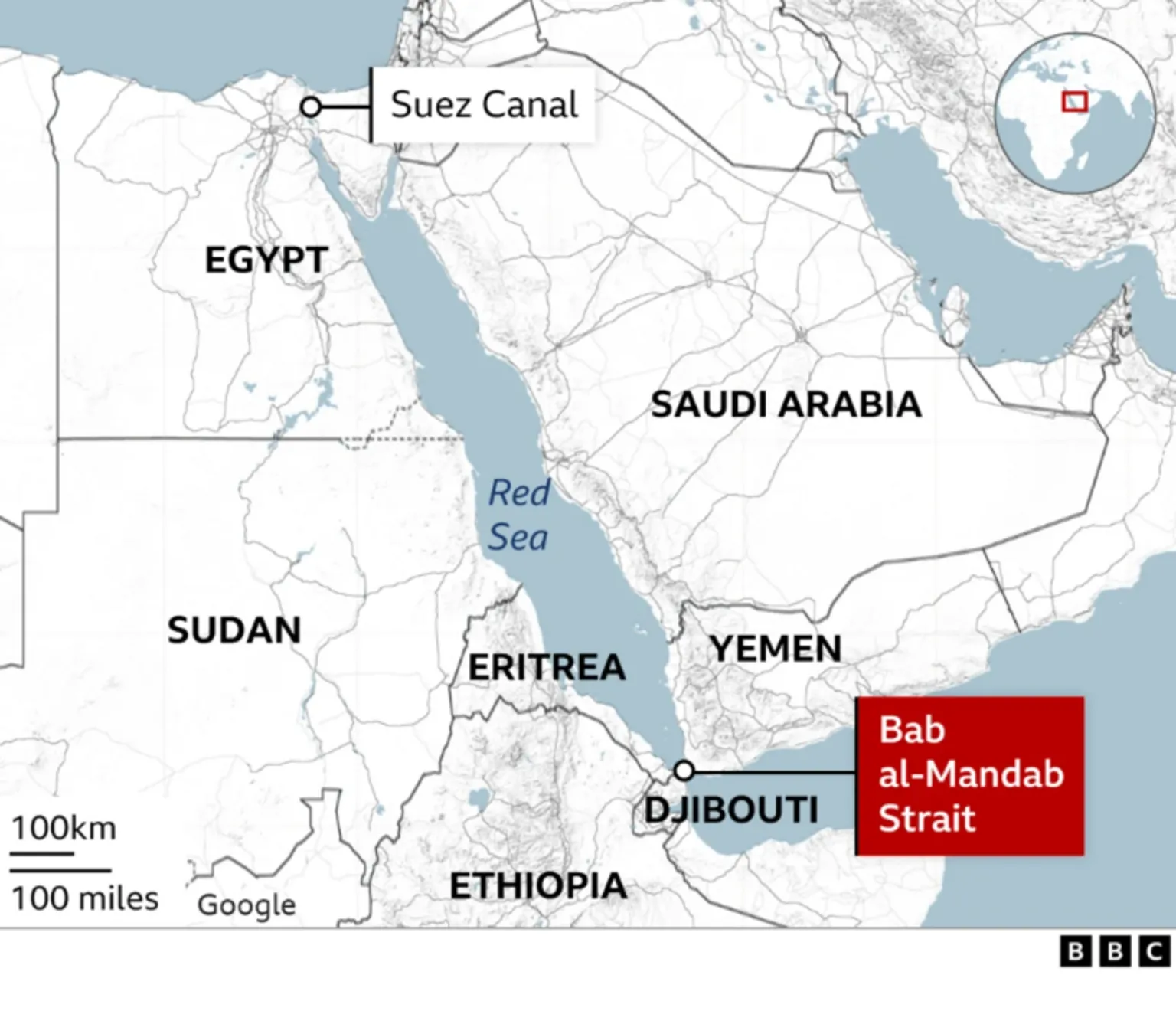
Importantly, the Houthis control Yemen’s Red Sea coastline, a strategic area for maritime navigation.
Houthis’ Entry into the US-Israel-Iran Conflict
The group’s participation in the conflict, which began with US and Israeli strikes on Iran on 28 February, had been widely anticipated.
Before Saturday’s missile attack, the Houthis’ military spokesman issued a statement asserting that their forces were "on the trigger for direct military intervention" should any countries join the US-Israeli strikes or if the Red Sea was used for military operations against Iran.
Hours later, the Houthis confirmed launching "a salvo of ballistic missiles," declaring that attacks would persist "until the aggression against all resistance fronts ceases," a likely reference to Israel’s intensified operations against Hezbollah.

Ongoing US and Israeli Strikes on Iran
US and Israeli military actions against Iran have continued without pause, despite US President Donald Trump’s announcement that he postponed a threatened attack on Iran’s power plants. The attack was contingent on Iran reopening the strategic Strait of Hormuz to shipping by 6 April.
Approximately 20% of the world’s oil and liquefied natural gas typically transit through this waterway.
The closure of the Strait of Hormuz has caused oil prices to surge and raised fears that a prolonged blockade could lead to higher energy costs and potentially severe economic contractions globally.
President Trump has stated that Iran is eager to negotiate a deal to end the war and is engaged in talks with the US, a claim Tehran denies.
Strategic Implications of Houthi Attacks
Although Israel and Yemen are geographically distant, Israel has successfully intercepted Houthi missiles in the past.
The Houthis have previously targeted shipping in the Bab al-Mandab Strait, a critical maritime chokepoint that connects the Red Sea to the Indian Ocean and provides access to the Suez Canal.
Between November 2023 and early 2025, the Houthis launched nearly 200 attacks on vessels in the Red Sea, damaging over 30 ships and hijacking at least one.
These attacks compelled major shipping companies to avoid the Red Sea, which normally handles almost 15% of global seaborne trade, opting instead for a longer route around southern Africa.
In response to these attacks, the US and UK conducted airstrikes on Houthi targets in Yemen in January 2024 and again in March 2025.
Impact of Strait of Hormuz Closure and Regional Shipping Routes
Iran’s effective closure of the Strait of Hormuz has forced Saudi Arabia to reroute oil exports through a pipeline to its Red Sea coast. From there, shipments bound for Asian markets sail south past Yemen, making the Bab al-Mandab Strait the primary channel for these shipments.


