

Deal Between Iran and US Nears Completion
Iran's Foreign Minister Seyed Abbas Araghchi stated that a deal with the US to end fighting in Iran has "never been closer." Pakistani Prime Minister Shehbaz Sharif, who has been mediating between the two sides, supported this assertion, saying,
"a final, agreed upon text of the peace deal has been reached and Pakistan is now working closely with both sides to finalize the next steps".
US President Donald Trump reposted Araghchi's statement, which also requested the media to refrain from speculating about the deal's content.
Disputes Over Leaked Deal Details
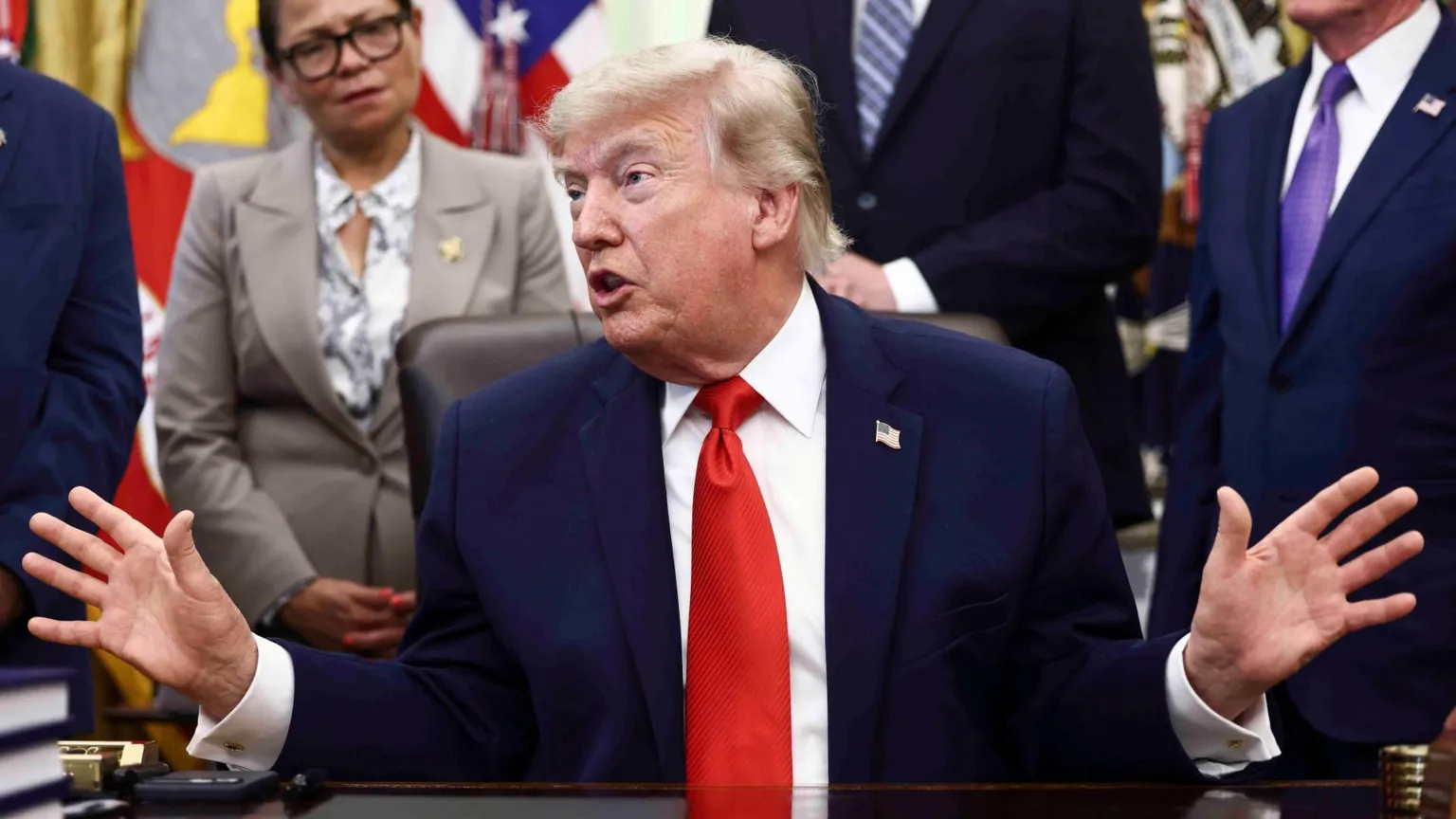
Despite the official statements, Iranian media published details of the alleged deal, prompting President Trump to respond that these reports had "nothing to do with the terms that were agreed to" and "bears no relation to the truth." He accused Tehran of leaking the details and described them as "very dishonorable people to deal with."
On Thursday, Trump announced he had cancelled "scheduled attacks" against Iran, citing that negotiators had "just made a great settlement"—a deal expected to be signed imminently.
Background of the Conflict
Trump has frequently highlighted the potential for a deal to end hostilities that began with extensive US and Israeli strikes across Iran on 28 February. Iran retaliated with attacks on Israel and US-allied Gulf states and effectively closed the Strait of Hormuz, a vital shipping route for global oil and liquefied natural gas.
Although a ceasefire was agreed upon in April, intermittent exchanges of fire have continued, including two rounds of tit-for-tat strikes in the current week.
Negotiation Process and Participants
Israel is not participating in the talks, which have been primarily mediated by Pakistan. The negotiations aim to extend the ceasefire and initiate discussions on critical issues, including Iran's nuclear program. For decades, Western countries have accused Iran of attempting to develop nuclear weapons, allegations Iran denies, asserting its program is solely for peaceful purposes such as electricity generation and research.
Published Terms of the Agreement
On Friday, Iran's Mehr news agency released what it described as terms of an agreement—a list of demands Iran has publicly made and the US has rejected. US officials have also referenced terms Iran has consistently opposed.

The reported details include the lifting of a US naval blockade and a payment of "at least $300bn (£223bn)" to address damages caused by US and Israeli strikes on Iran.
The alleged agreement states that Iran desires a final accord endorsed by a UN Security Council resolution.
"The final agreement shall be limited to issues concerning the future of enriched materials and enrichment activities, sanctions relief, and the programme for rebuilding Iran's economy,"
it said, adding,
"final negotiations shall not begin until half of Iran's frozen assets have been released, Iranian oil sanctions have been suspended, and the naval blockade has been lifted."
The list also includes typical Iranian demands such as ending the conflict with Israel-backed Hezbollah in Lebanon.
US Perspective on the Deal
A senior US administrative official told the BBC that the deal includes expectations that nuclear material be destroyed and removed, and that the nuclear program be dismantled.
The official emphasized that no Iranian funds would be released until Iran met US demands, the Strait of Hormuz was reopened, and Iran ceased funding terrorist groups, referring to Hezbollah and other Iranian proxies in the Middle East.
US Vice-President JD Vance later commented on recent reports, stating,
"Iranians are not receiving any cash, and no funds are being released for simply signing a deal or attending a meeting."
He added,
"The deal is structured to ensure that the US and its allies concerns are prioritized, and that if the Islamic Republic of Iran meets its obligations, then economic benefits will flow to them and to the entire region."
Pakistani Prime Minister Addresses Misinformation
In a post on X, the Pakistani prime minister acknowledged an ongoing misinformation campaign aimed at sabotaging the peace deal, stating,
"peace has never been this close as it is now."


