

Return Amid Fragile Truce
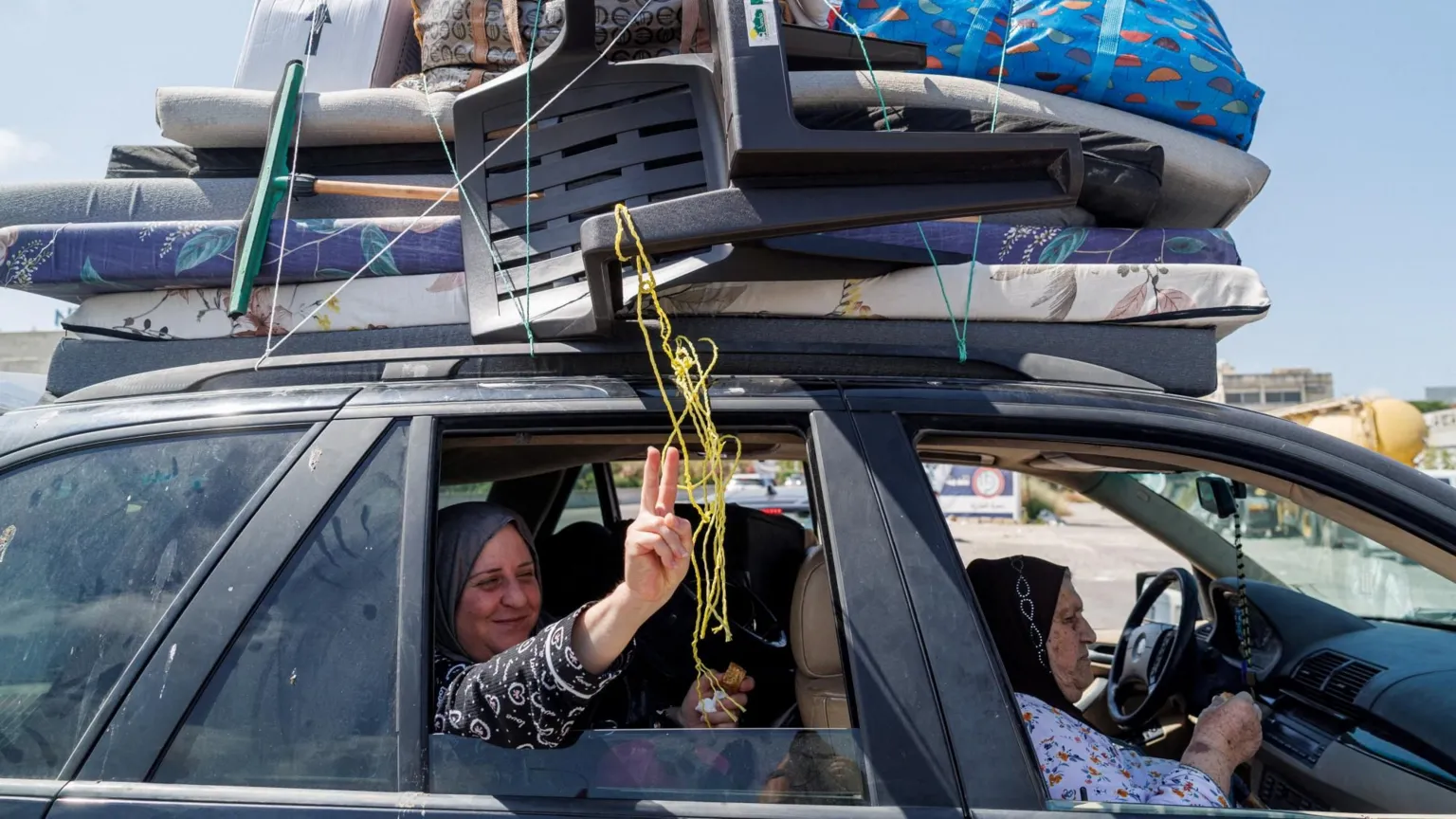
On Monday, hours after the announcement of a ceasefire agreement between the US and Iran, families displaced by the war began returning to communities in southern Lebanon despite official warnings that conditions remained unsafe.
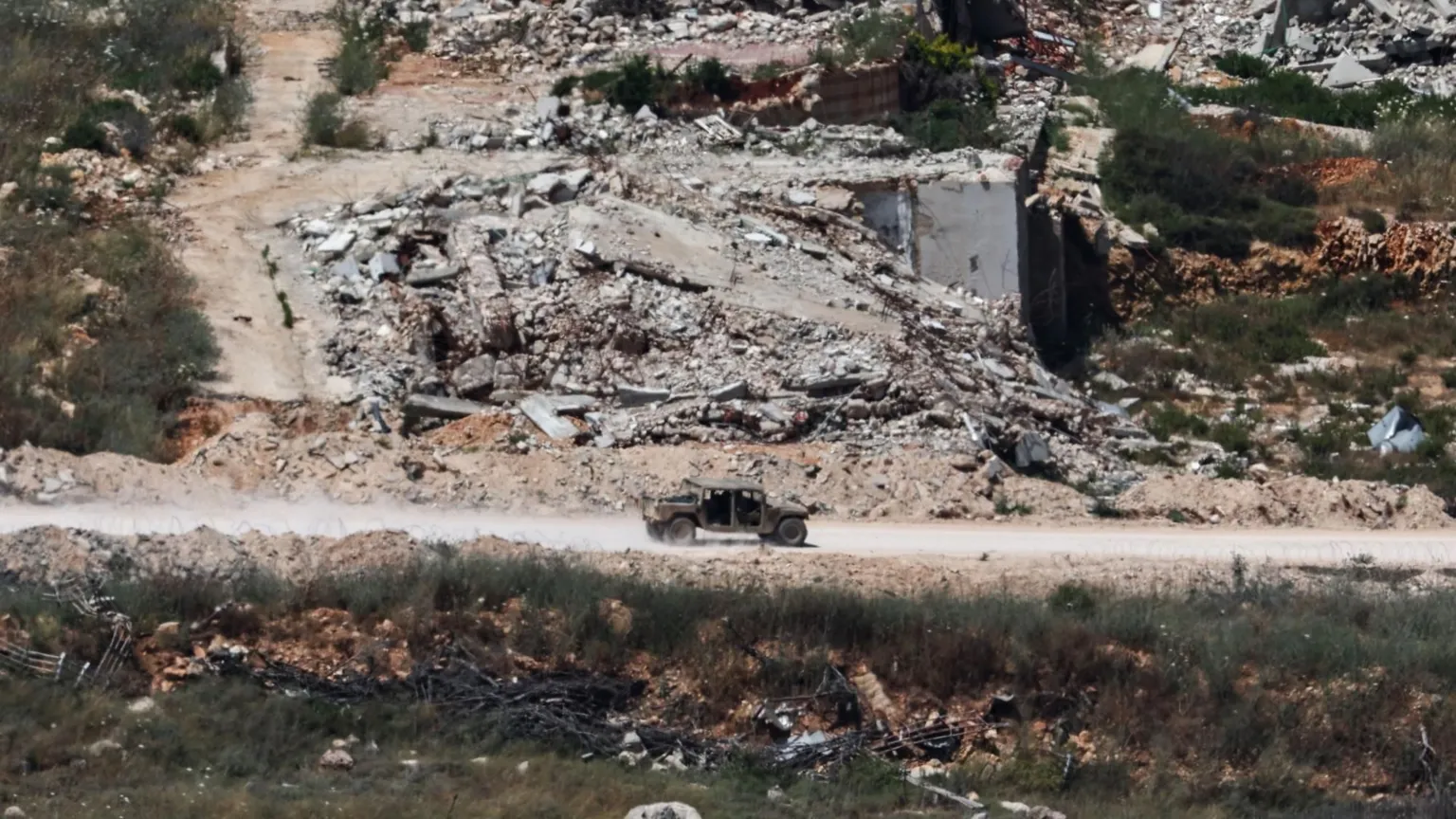
In a widely circulated video, some residents arrived by car in a village only to find an Israeli armoured vehicle blocking a street.
After more than three months of conflict, the Lebanese people, exhausted by the violence, hoped the truce would also halt fighting between Israel and the Iranian-backed armed group Hezbollah within Lebanon.
A fragile quiet appears to be holding, despite attacks by both Israel and Hezbollah over the past day, though many remain skeptical that this marks the definitive end of the war.
A man named Abo Ali, displaced from Jebchit in the Nabatieh area of southern Lebanon, said his family "had returned, but with caution." Surrounded by heavily damaged buildings, he remarked:
"All of this can be compensated for, and rebuilt."
Another man, Moustafa, returning to the village of Aadshit near Marjayoun with only a suitcase, said:
"For someone who's used to this area and has lived here, to come back and see this destruction is extremely hard."
However, he expressed doubt about the durability of the ceasefire:
"Israel can't be trusted."
Unclear Terms and Regional Implications
The US-Iran agreement has not been made public, and its application to Lebanon remains unclear. Both Iran and Pakistan, which acted as a mediator, stated that the agreement included a ceasefire in Lebanon—an Iranian demand that had been a major sticking point in negotiations.
This round of conflict between Israel and Hezbollah began in March when Hezbollah launched rockets into Israel in retaliation for the killing of the Iranian supreme leader, Ayatollah Ali Khamenei, at the onset of the US-Israel war against Iran. Israel responded with a devastating bombing campaign across Lebanon and another invasion of the country's south.
For Iran, including Lebanon in the truce was crucial to bolstering its image among Hezbollah supporters, who have been deeply affected by the conflict, and to reinforcing Tehran's domestic influence. Iran has financed, trained, and armed Hezbollah since its founding in the 1980s.
Despite suffering setbacks in recent wars with Israel, Hezbollah—also a political party and social movement providing services such as schools and hospitals—remains a significant force within Lebanon's Shia Muslim community.
Last month, visits to communities in southern Lebanon, Hezbollah's stronghold, revealed enduring support for the group despite Israel's persistent attacks.
Israel has maintained that the conflict with Hezbollah is separate from the one with Iran and argued that its military campaign should continue. However, under pressure from the US, Israel may have no choice but to scale back or cease its operations.

Human Cost and Displacement
This war has been catastrophic for Lebanon. According to the country's health ministry, more than 3,800 people have been killed, including many women and children. These figures do not distinguish between combatants and civilians.
The Israeli military reports having killed over 2,500 Hezbollah operatives. Israeli authorities state that 30 Israeli soldiers and four civilians have been killed during the conflict on both sides of the border.
One million people remain displaced across Lebanon, most of them Shia Muslims. Even with a ceasefire, many will be unable to return to their homes.
Unresolved Issues and Ongoing Tensions
The truce leaves many questions unanswered.
Approximately 5% of Lebanon's territory remains under Israeli occupation, with no indication of withdrawal. Dozens of villages have been destroyed, and the timeline and funding for reconstruction remain uncertain.
Israeli authorities state their goal is to establish a "security zone" along the border, free of Hezbollah presence, to protect northern Israeli communities from the group's rockets and drones. Following the US-Iran truce announcement, Israeli Defence Minister Israel Katz declared that Israel would remain indefinitely in the territory seized in Lebanon.
Another critical issue is Hezbollah's arsenal. The Lebanese government has attempted to separate the conflict in Lebanon from that with Iran to limit Iranian influence and isolate Hezbollah further.
Critics accuse Hezbollah of dragging Lebanon into unnecessary wars with Israel, serving Iranian interests, and view this as an opportunity to disarm the group.
For now, Hezbollah has rejected discussions about the future of its weapons. Lebanese authorities maintain that disarmament can only be achieved through diplomacy, though a negotiated solution remains distant.
Skepticism and Future Prospects
The Lebanese population has reason to be skeptical. Two previous ceasefire announcements in Lebanon failed to halt the war.
The agreement that ended the last conflict between Israel and Hezbollah in 2024 also did not bring lasting peace. Israel continued to attack targets it linked to Hezbollah almost daily.
This time, however, Hezbollah has declared it will not accept what Israel describes as freedom of action, and pressure from Iran may alter Israel's calculations. Nevertheless, there is concern that once global attention shifts away from the region, the cycle of conflict could resume.


