Capture and Death of 'El Mencho'
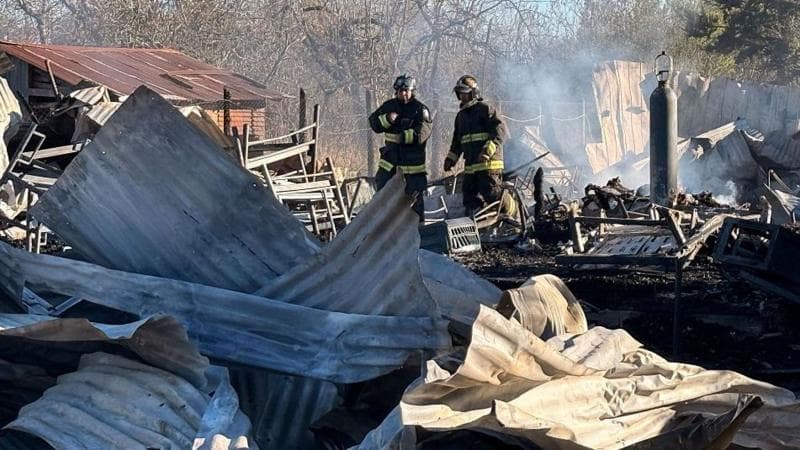
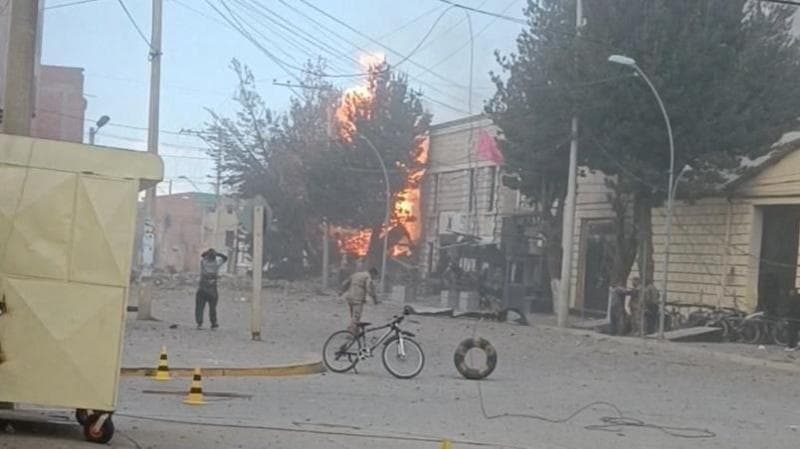
Mexico's president has commended the special forces for successfully apprehending Nemesio Oseguera Cervantes, the country's most wanted drug lord, known as "El Mencho." Oseguera died in custody on Sunday shortly after his capture during a violent confrontation in Jalisco.
However, as BBC's Quentin Sommerville reports from Culiacán, a northern city in Sinaloa state and another hotspot for cartel activity, the removal of a dominant cartel leader often leads to increased violence as rival factions vie for control.
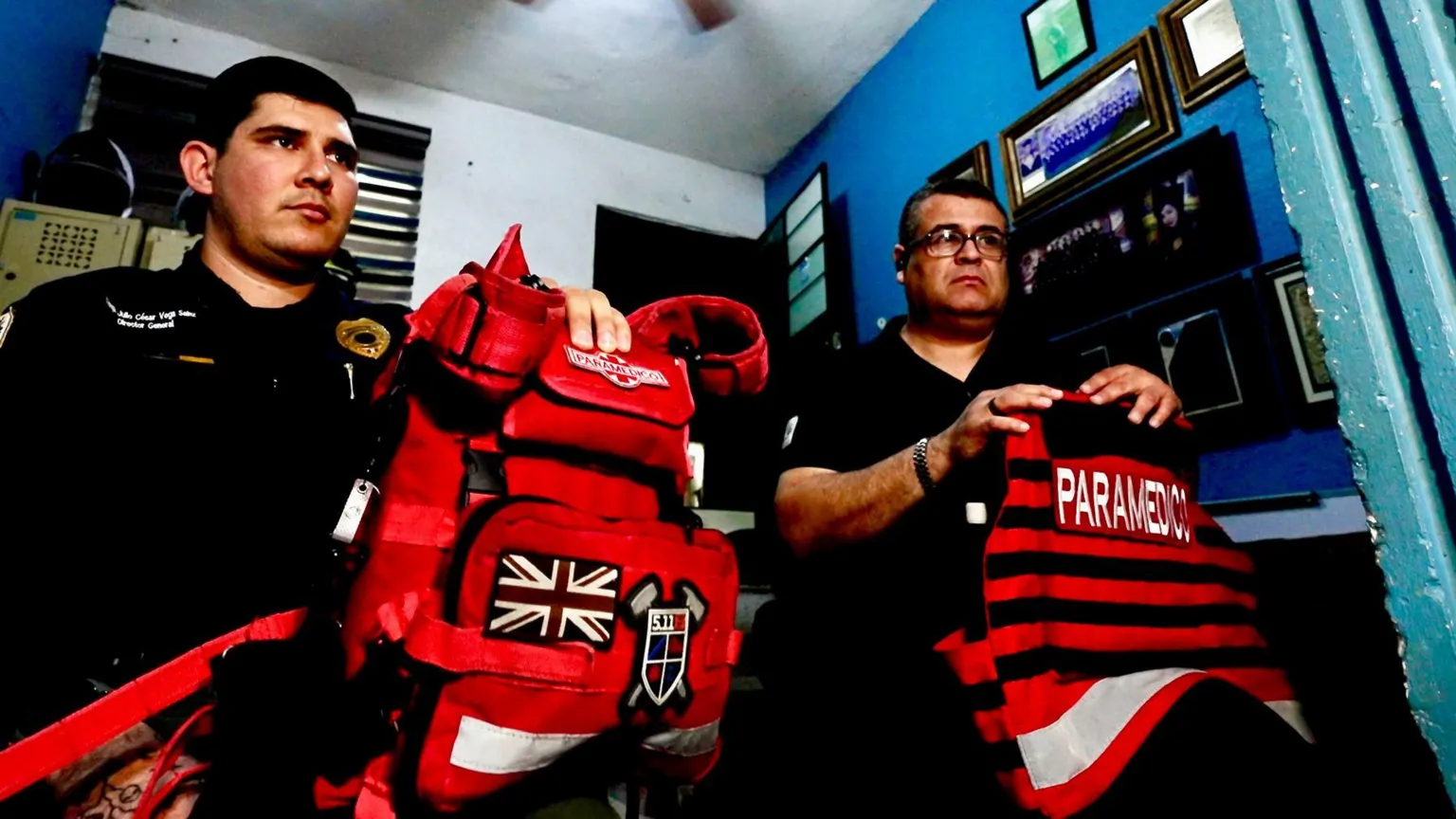
"The fear is everywhere and the fear is constant,"said paramedic Héctor Torres, 53, while seated in the front of an ambulance in Culiacán.
They had just attended a shooting at a garage in the city centre where the owner was found dead in his office, blood spreading across the white tiled floor. As Héctor and fellow paramedic Julio César Vega, 28, entered, a woman, identified as the victim's wife, ran in crying. Despite efforts, nothing could be done. Héctor checked for vital signs and covered the body with a paper blanket.
For the past eighteen months, the Sinaloa cartel, one of the world's largest and most feared drug trafficking organizations, has been embroiled in an internal conflict following a betrayal by the son of one of its leaders.
The imprisonment of cartel leader Ismael "El Mayo" Zambada in the United States has further destabilized the region, causing widespread chaos and serving as a cautionary example of the challenges Mexico faces.
Héctor noted that violence in Culiacán has reached unprecedented levels, with emergency call-outs increasing by over 70% last year. During the week spent with Héctor and Julio, nearly every incident they attended resulted in a fatality, with grieving relatives seeking answers.
Victims of cartel violence rarely survive, and no locations are safe; attacks have occurred at schools, hospitals, and even funerals.
"Sinaloa cartel was like a family. Everyone was united in a single cartel. They were friends, they ate at the same table,"Héctor explained.
"They were like brothers – parents, uncles, sisters - and suddenly they were fighting… and locked in a deadly feud,"he added.
This criminal enterprise has grown into a billion-dollar operation producing fentanyl, a lethal opioid that has flooded US streets and contributed to tens of thousands of deaths.
US President Donald Trump designated the cartel and others as terrorist organizations and labeled fentanyl a weapon of mass destruction, threatening Mexico with direct military intervention if the drug trade and traffickers are not controlled.
Both paramedics wore body armour weighing 14kg, consisting of Kevlar and armor plates.
"We don't know if the people responsible for the attacks are still at the scene or if they completed their objective and suddenly disappeared. So we run the risk of being caught in the crossfire of an attack and getting injured,"Julio stated.
As the sun set, the city, once lively at night, began to empty. Traffic moved slowly, and thousands of troops deployed by the Mexican government established checkpoints on most roads.
When the garage owner was killed, three men were abducted from the same location. Heavily armed soldiers and marines were inspecting vehicles for any signs of the kidnapped individuals.
Kidnapping and Torture in Culiacán
Kidnapping in Culiacán often results in outcomes worse than death.
Earlier in the week, a tortured body was discovered outside a major shopping mall. The victim's skull had been flayed and eyes removed, though the body remained intact. A sign left with the corpse accused the man of betrayal and warned other cartel members: "We are coming for the rest of you."
Culiacán is a prosperous city with shopping malls, parks, and luxury car dealerships. Outside the mall, a man in black cycling gear paused in rush-hour traffic to watch police place the remains into a body bag.
The following day, another similarly mutilated body was found on the main road north of the city. The accompanying sign was difficult to read due to blood running down its surface.
At each crime scene, journalist Ernesto Martínez, who has covered violence in the area for 27 years, was present. A 16-year-old boy named Emmanuel Alexander was shot dead in the San Rafael neighborhood; his legs were tangled in his bicycle as police documented over a dozen bullet casings nearby. He had been killed at close range with a handgun.
Martínez remarked that security had declined over the years:
"There used to be more police officers, there were more soldiers, there was more security. You'd find a checkpoint on every corner, and yet the homicides continued, they didn't decrease, they remained at an average of five or six homicides a day. And the same trend continues."
Perspectives from Cartel Members
To understand potential solutions to the violence, a meeting was arranged with members of one Sinaloa faction. Prior to the meeting, the journalist was instructed to leave phones and tracking devices behind.
The cartel members, armed and masked to conceal their identities, expressed little remorse but offered a straightforward solution: the government should withdraw and allow the factions to eliminate each other, despite risks to civilians, until only one remains.
"Yes, it's true because a lot of times innocent people die. Children die. There's a lot of death of innocent people,"said "Marco" (a pseudonym) when asked about guilt.
His companion, Miguel, was more unyielding:

"A lot of people will keep dying because the cartel is still fighting, and it keeps getting worse. The war will continue. Nothing will calm down until there's only one faction left."
Search for the Missing
The surge in cartel violence has increased not only fatalities but also the number of missing persons.
Reynalda Pulido's son, Javier Ernesto, disappeared in December 2020. She leads the group Mothers Fighting Back, which searches for missing loved ones.
On a chilly morning near Culiacán, Pulido and over a dozen other women, mostly wearing white T-shirts bearing photos and names of their missing relatives, prepared for a search. They affixed pictures to lamp posts amid barking dogs as a military escort of heavily armed soldiers accompanied them in armored vehicles.
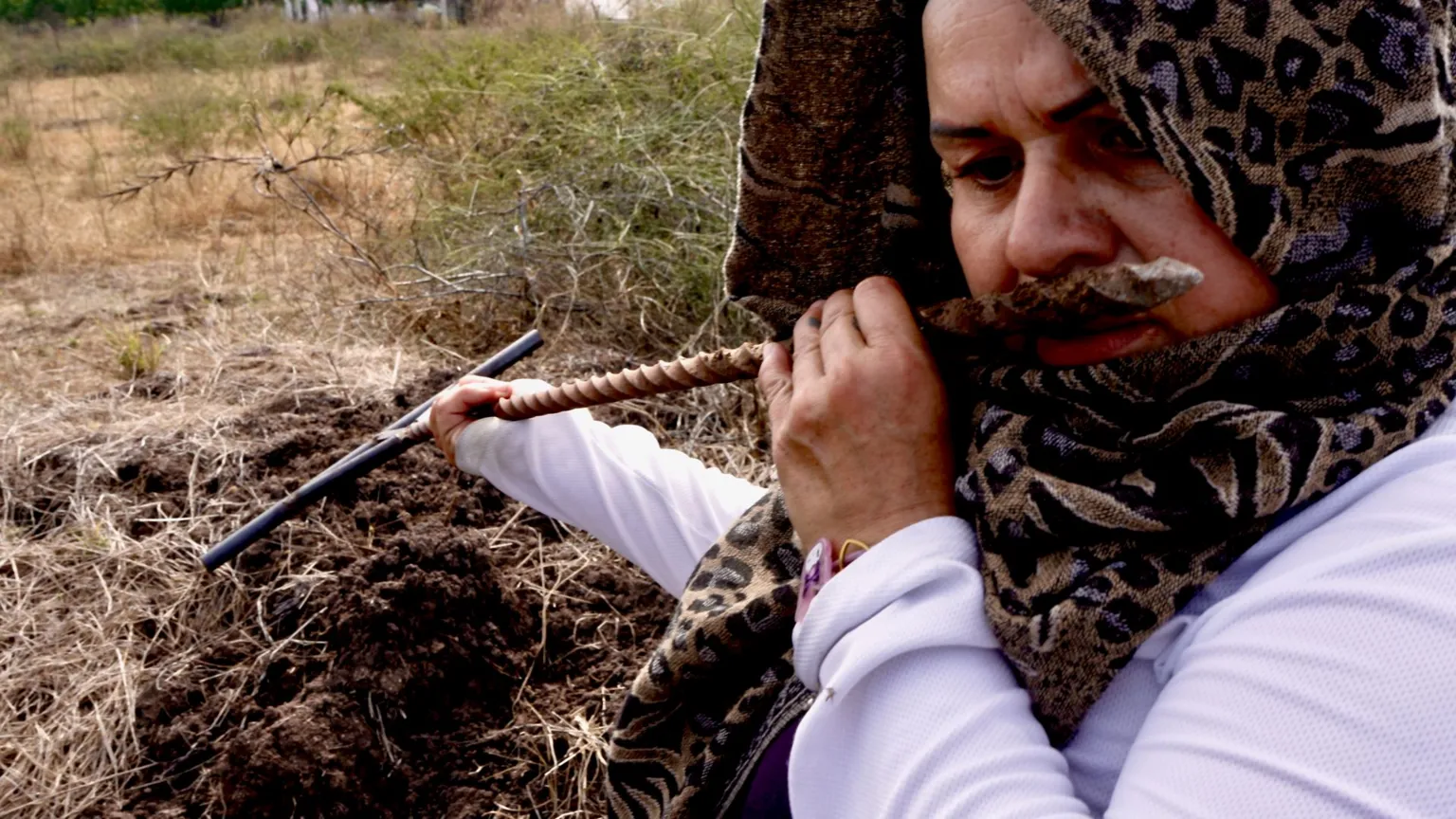
In a field beneath circling buzzards, the group used metal probes, pickaxes, and shovels to search for disturbed soil indicating possible graves. They sniffed the earth for the scent of human remains.
During a break, Pulido shared her motivation:
"Tell me why I'm here?"she asks God each morning.
"What gives me strength is realizing that no one else is going to look for them. I realize it because no one is moving to search for the disappeared in Sinaloa. And a mother will always look for her child, no matter if it's to the ends of the earth, she will look."
Despite several tips suggesting a body might be in the field, the search yielded only animal bones after hours under the midday sun.
When asked if she believed she would find her son, Pulido responded emotionally:
"It's something I ask myself very often. But I've already found my son in the 250 bodies I've located, and in the thirty-something people I've found alive. They are my children, too. And the children of all the families who come to ask me for help become my children. My son is there, in each and every one of them. All of them carry a little piece of my son."
The Fentanyl Trade's Role
The fentanyl trade is the root cause of Culiacán's turmoil.
In a cartel-controlled basement, "Román" (a pseudonym), a fentanyl producer, demonstrated his operation. He showed tightly packed white powder packages destined for the United States, each weighing one kilogram and valued at $20,000 (£14,800). Depending on the destination city, prices can reach up to $29,000.
Román wore a face mask and gloves when handling the drug. He explained that powder shipments have replaced pills to better evade US Customs.
"Even though the government has intensified the search, they're coming after us more and getting closer, yes,"he said.
"But when it comes to production, we've never stopped. Sometimes we do scale back because things get hot, the government gets too close. So we lay low for a few days, but once that problem passes, we either continue or move to other areas."
When informed that the US has labeled them terrorists, Román responded:
"Well, even though President Donald Trump refers to us as terrorists, I would just remind him that as long as there are consumers, we're going to keep doing this but that doesn't necessarily make us terrorists. As long as people want to consume it, they are free to do so. No one is forcing them. No one forced them to start this vice, to start using this stuff."
The Mexican government claims progress in combating drug trafficking, reporting a 50% reduction in fentanyl supply to the US.
Government Response and Ongoing Violence
From Culiacán, the journalist traveled to Mexico City, where preparations for the 2026 World Cup were underway at the airport amid construction noise.
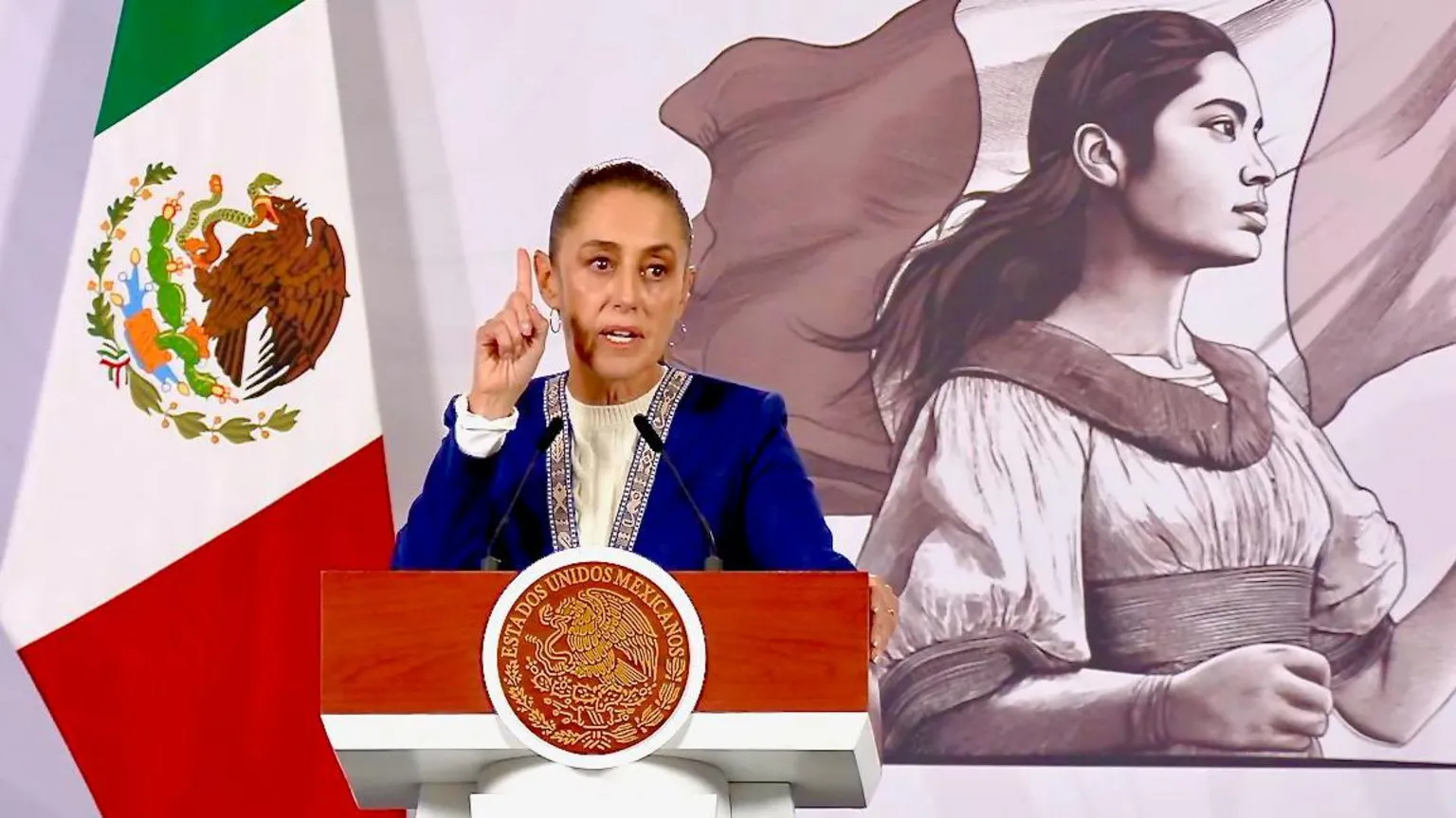
At a news conference held prior to "El Mencho's" death, President Claudia Sheinbaum attributed the surge in violence in Sinaloa to the internal cartel power struggle and emphasized efforts to protect civilians.
"Trying to avoid harm to civilians, to the people,"she stated.
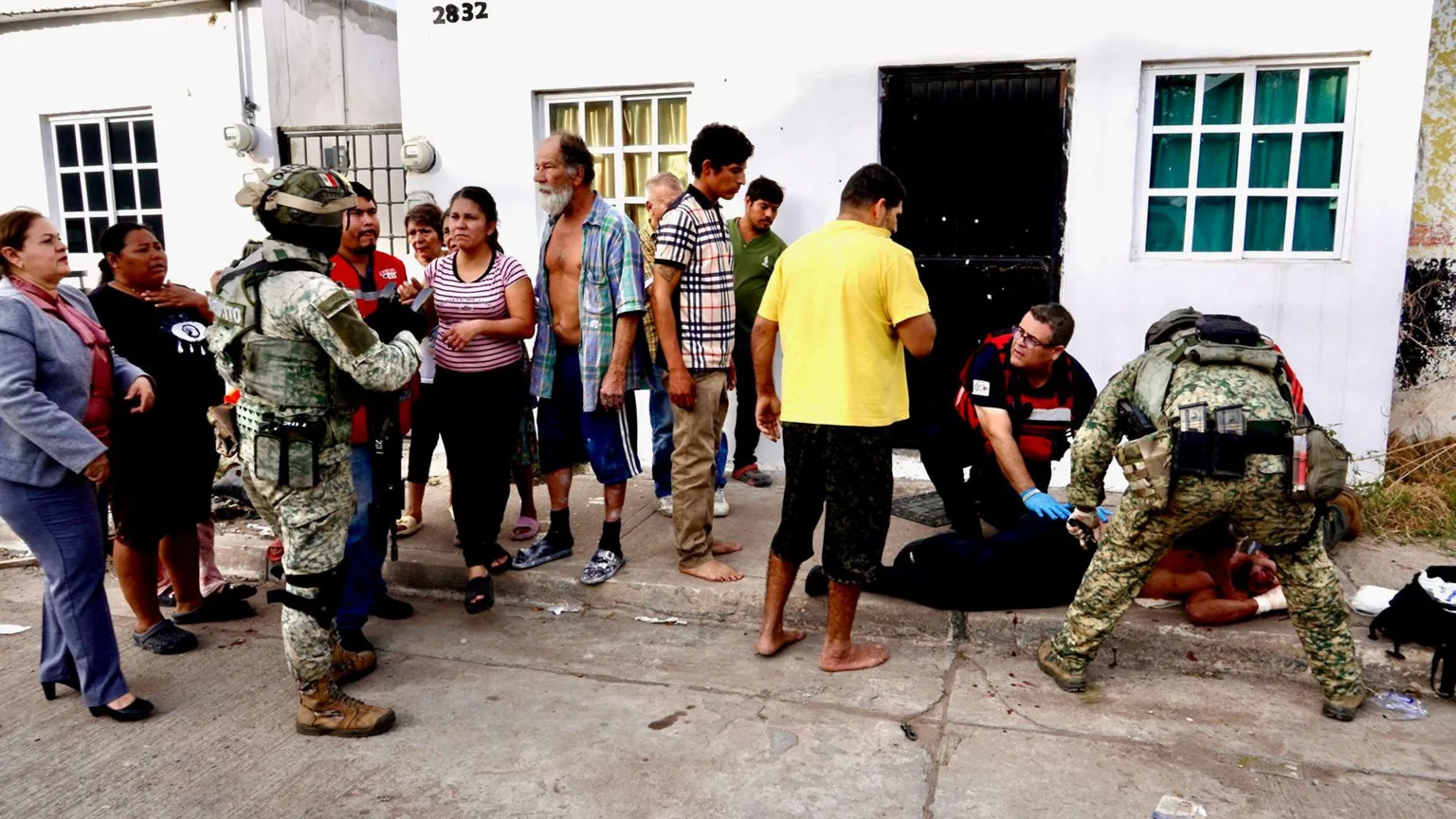
Back in Sinaloa, a final emergency call took Héctor and Julio to another downtown shooting. A police helicopter hovered overhead as they crossed crime scene tape to find a man bleeding from a chest gunshot wound, still conscious and calling for help. Julio rushed to assist another critically injured man nearby who was unresponsive.
The presence of soldiers and marines heightened the urgency, as the threat of cartel retaliation remained.
Both victims were bystanders caught in crossfire and were transported to a hospital guarded by an armed military cordon. They later survived.
After removing their bloodied gloves, Héctor remarked:
"These are the first victims we've found alive since November."