Aftermath of Cartel Violence in Guadalajara
Driving into Mexico's western city of Guadalajara, the aftermath of Sunday's violent cartel rampage remains evident.
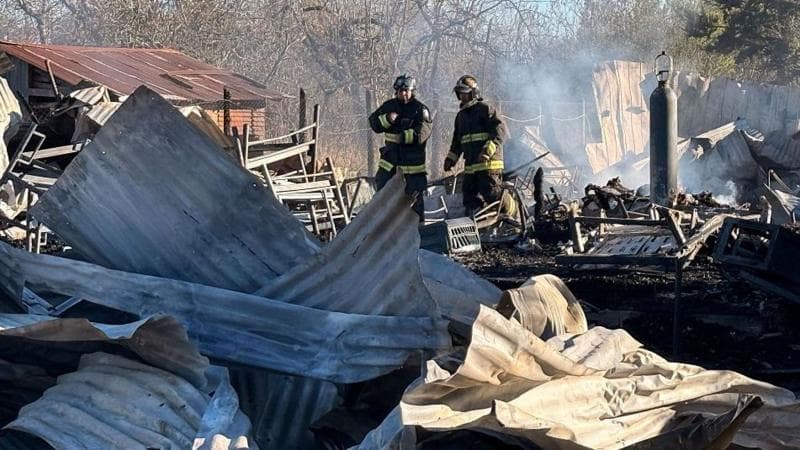
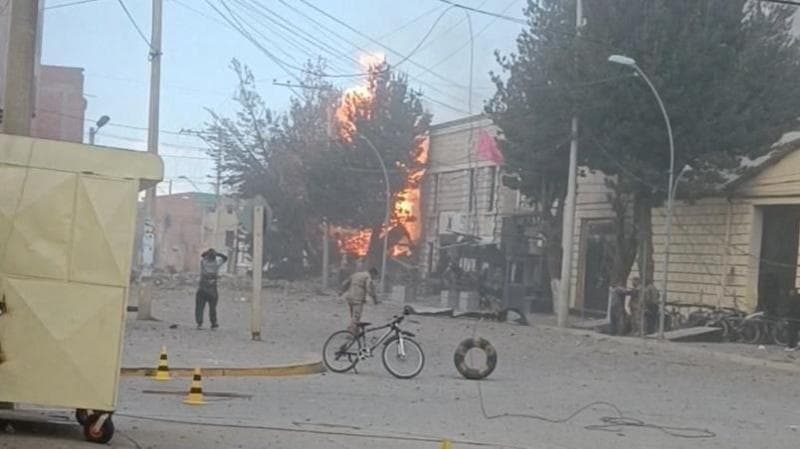
The charred remains of burnt vehicles line the roadsides, and scorched patches are visible on the highways after the Jalisco New Generation Cartel (CJNG) — one of Mexico's most powerful and feared criminal organizations — set numerous cars ablaze in retaliation for the killing of their leader, Nemesio "El Mencho" Oseguera.
The scenes of ransacked and burning convenience stores conveyed the CJNG's intended message: that despite the loss of their chief, they continue to wield significant power and can unleash widespread chaos and fear.
Mexico's President Claudia Sheinbaum has sought to counter this narrative. During her daily press conference on Monday, she emphasized the return of "peace and tranquillity" to much of the country and commended the efforts of security forces.
Meanwhile, convoys of military and police personnel patrol Guadalajara. While intended to reassure residents, their presence has contributed to an atmosphere of unease.
Despite security deployments, the streets remain unusually empty, indicating public fear of further violence in Guadalajara and the broader Jalisco state. Most small businesses have closed, schools are shut, and many workers are staying home with their families.
Local Business Owner's Perspective
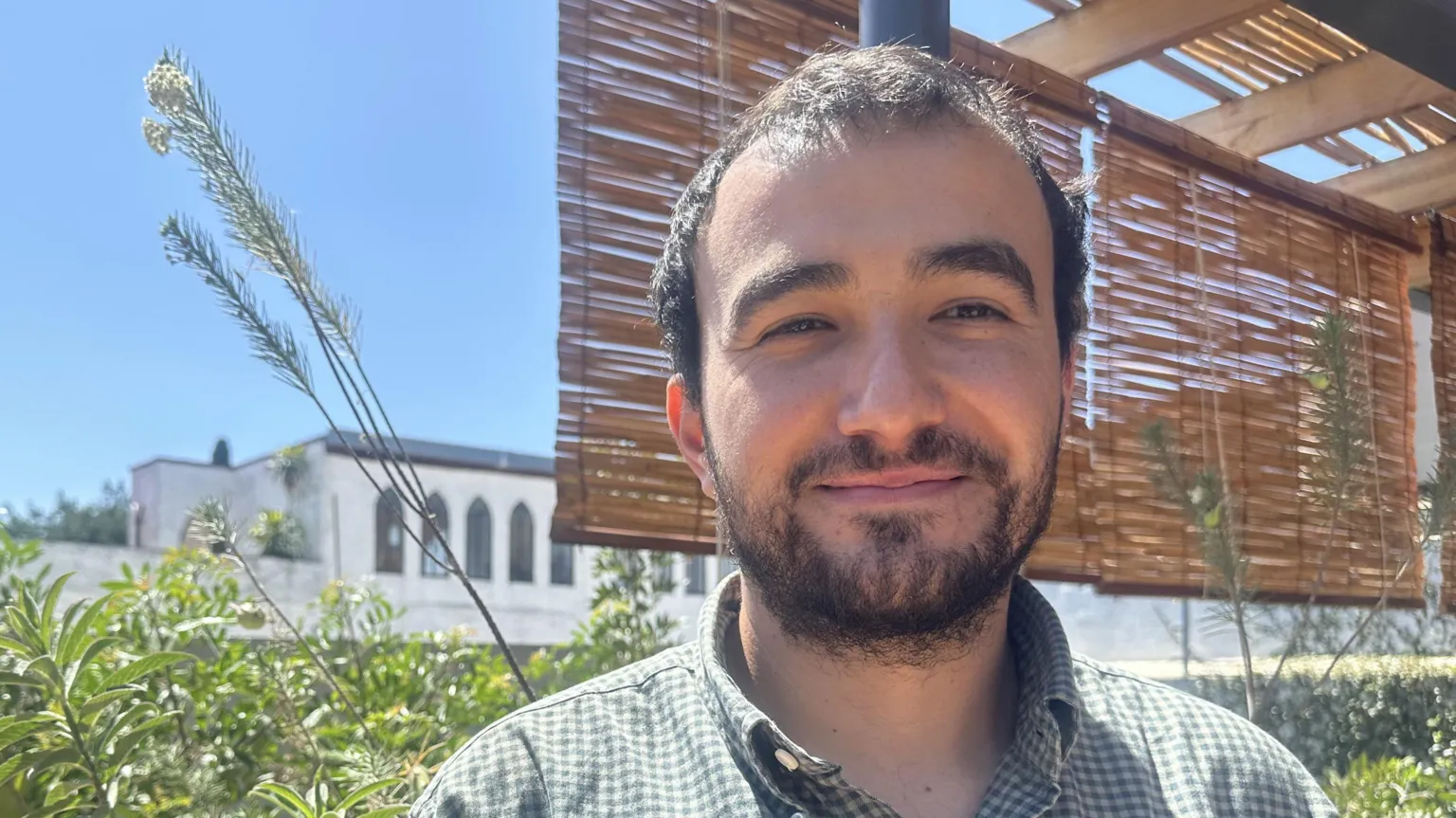
Anwar Montoya, owner of the Severo café, chose to keep his establishment open.
"I had to open today. We're a new business and I have a lot of things to pay for," he told the BBC, laughing.
He described the day as "strange and difficult," noting widespread fear and uncertainty about potential future violence.
"It was a strange and difficult day – everybody was scared. And now some are afraid about what might still happen."
Montoya hoped that opening his café would provide a "secure area for a lot of friends." His customers appeared to appreciate this, with many tables occupied by young people working on laptops or quietly conversing under the roof terrace.

Political Response and Criticism
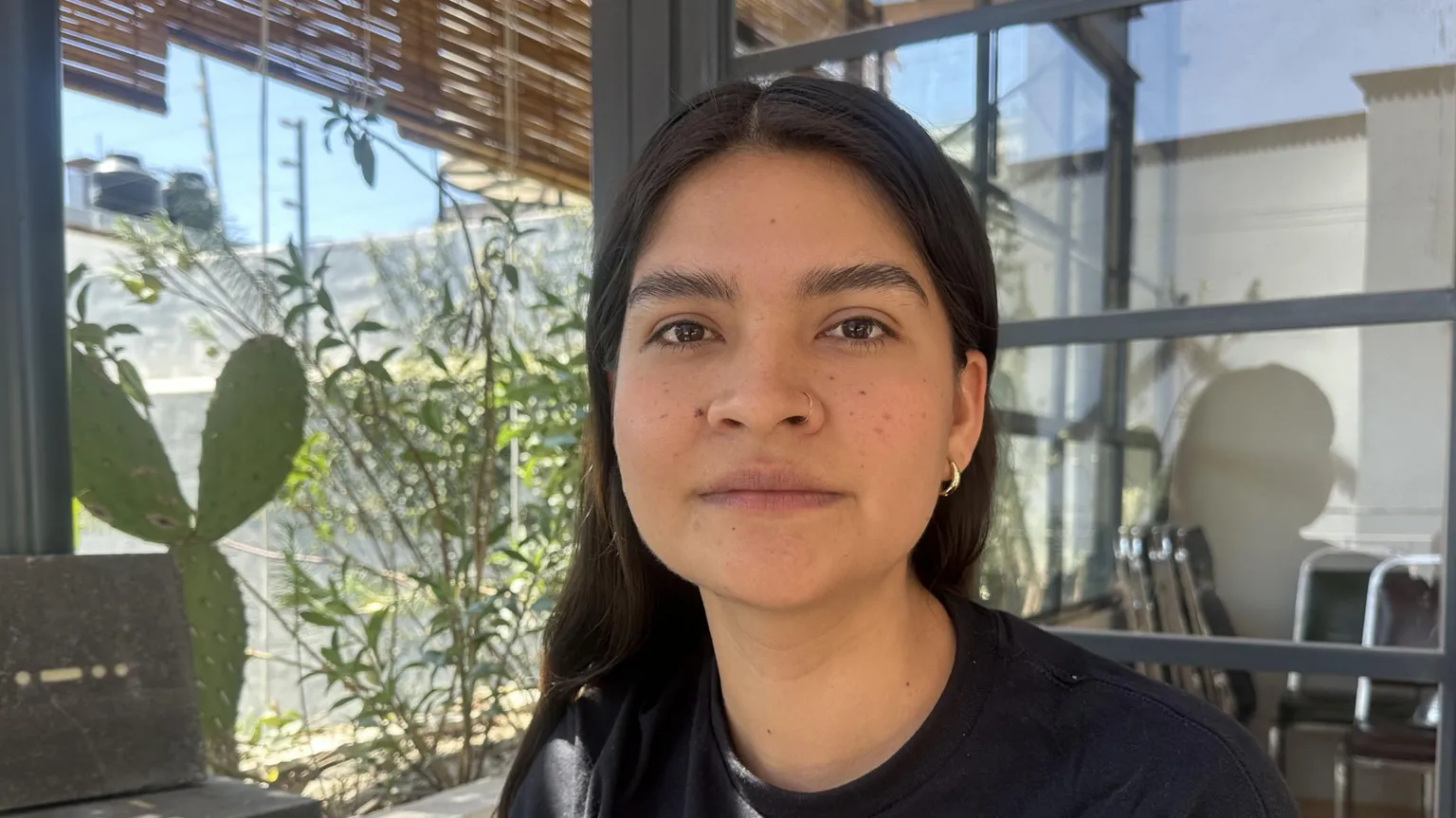
Among Montoya's customers was Mariana Casillas, a left-wing parliamentary deputy. She expressed criticism of both the cartel's violent actions and the government's response.
"This is not a new scenario," she said regarding Mexico's ongoing drug war. "Only on this occasion, because it involved the killing of a top capo [high-ranking member of a crime syndicate], the violence exploded in a much more potent fashion than normal."
Casillas noted that organized crime, cartel roadblocks, bus burnings, and kidnappings have been persistent issues in her community for two decades, dating back to the conflict initiated during President Felipe Calderón's administration in 2006.
"As a local representative, it's my duty to ask why this model or this script has continued to be repeated for more than twenty years," she added.
She described the prevailing model as one where the drug cartels treat life as disposable, while the government focuses primarily on eliminating high-profile cartel leaders rather than addressing the underlying conditions of violence and poverty that fuel gang recruitment.
Consequences and Expert Analysis
With over 60 funerals planned for both CJNG members and National Guard troops, many in Jalisco are concerned that the strategy of targeting cartel leaders will only provoke further conflict.
"The execution of the kingpin strategy in Mexico over the last two decades – the extraction or the killing of major leaders like El Mencho – has always resulted in the same thing: more violence," said Deborah Bonello, managing editor of the Insight Crime think tank.
"When you take out a major leader, there's a detonation of a struggle to take control in that vacuum. So, you'll see these squabbles for power in different parts of the country."
Guadalajara, which is scheduled to host thousands of international football fans for the FIFA World Cup in June, could be one of the affected areas. The city’s main stadium is set to host a high-profile match between Spain and Uruguay.
However, the recent violent events have raised concerns about safety for attendees.
Montoya expressed skepticism about the city's readiness to host the event.
"I've never been to a World Cup, so I don't know how they work in other countries. But I don't think this is a safe place for the World Cup," he said.
Casillas also highlighted multiple crises unfolding in Jalisco, including the "crisis of violence," which recently reached a peak, and the "crisis of the disappeared."
Since 2007, when Calderón launched the "war on drugs," tens of thousands of people have been reported missing in Mexico. Many have been forcibly recruited into cartels or killed for resisting.
The Mexican government maintains that Guadalajara is prepared to welcome tens of thousands of visitors for a vibrant celebration of sport.
"The people here don't want the World Cup. They want security, they want clean water and they want their disappeared relatives back," Casillas asserted.