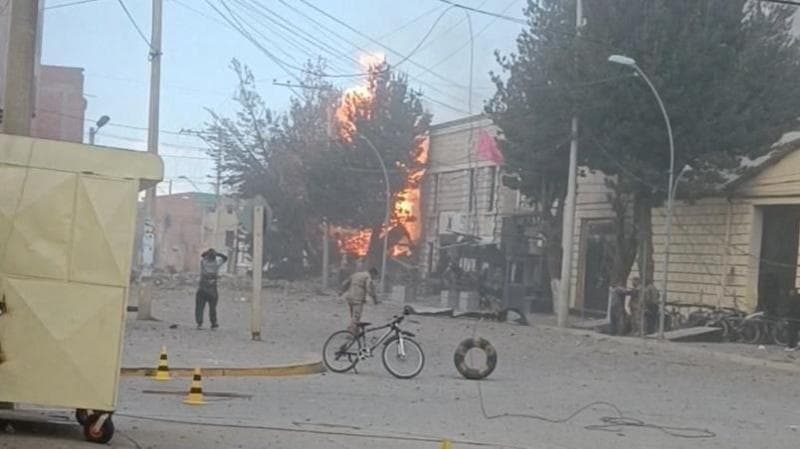
Rescue Efforts Amidst Silence and Desperation
Deilisbeth Herreira's two teenage daughters were at home when the earthquakes struck.
"Silencio," the rescuers shout, turning towards the road with their fists raised, signaling everyone to remain silent.
Vehicles on the road halt. Conversations cease. The diggers fall silent.
A rescuer places his ear against a hole recently drilled through a concrete slab. Another shines a torch into it.
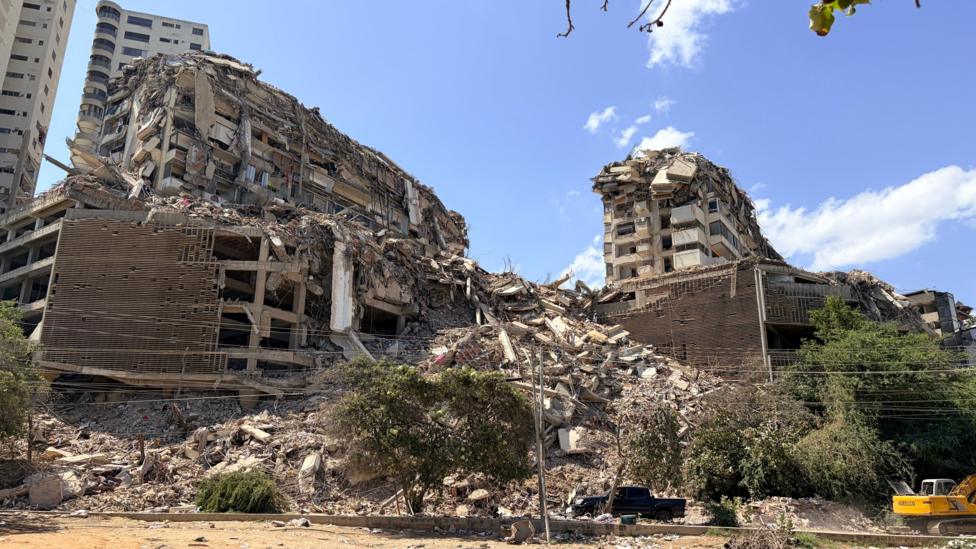
They listen intently for any sounds of survivors trapped beneath the rubble of a 12-storey building beside a busy road in the coastal town of La Guaira.
This area was among the hardest hit by the twin earthquakes that struck Venezuela last Wednesday, resulting in at least 1,700 fatalities.
Interim President Delcy Rodríguez described the earthquakes as the "most brutal natural catastrophe" in Venezuela's history.
Standing beside the collapsed structure, Miguel Oscar Nunez holds his breath, surrounded by families with loved ones inside the building. Miguel's only child, 34-year-old Angel, lived there.
After moments of tense anticipation, the rescuers hear nothing. The silence breaks and work resumes.
"My son, like hundreds of others, is trapped under the rubble. But we urgently need more support from authorities to dig them out. It's possible the earthquake hasn't killed him, but imagine if he dies due to the negligence of the authorities," Miguel Oscar says, anger evident on his face.
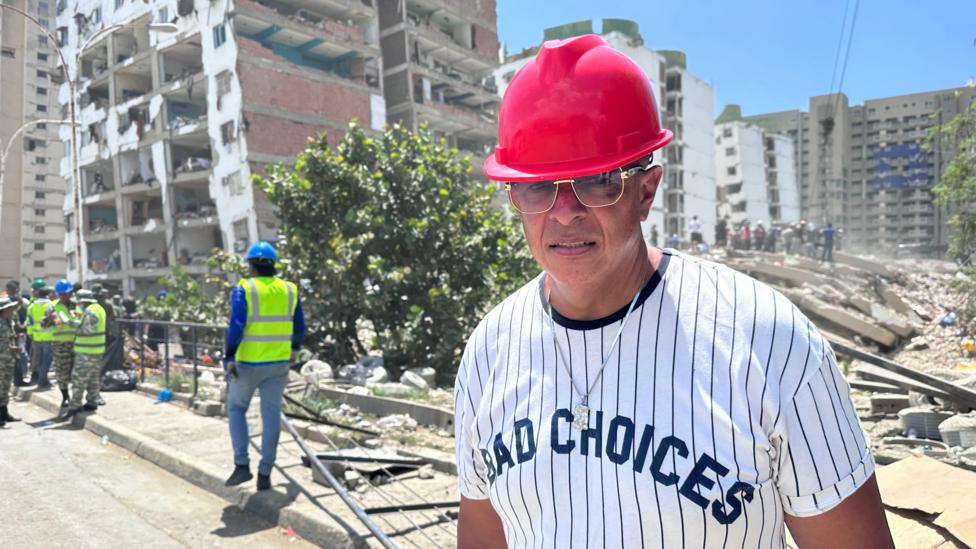
Delayed and Frustrating Rescue Operations
Kevin Montilla's home was also in the building. While he was at work, his wife Luzmary and their 16-year-old daughter Jhoerliyzmar were at home during the earthquake.
"The rescue operation started very late and has been slow. Initially, only community members came to help. The police arrived just to check but did not assist. The government's response has been frustrating and impotent," the 34-year-old says.
During our visit, rescue teams from Venezuela and Colombia were actively working. Two diggers and a crane lifting concrete slabs were present.
However, families waiting by the roadside expressed that valuable days were lost before these efforts began.
"I have not lost hope but feel devastated. Nature's law is that a father should die before his son. Imagine if your son dies suddenly," Miguel reflects.
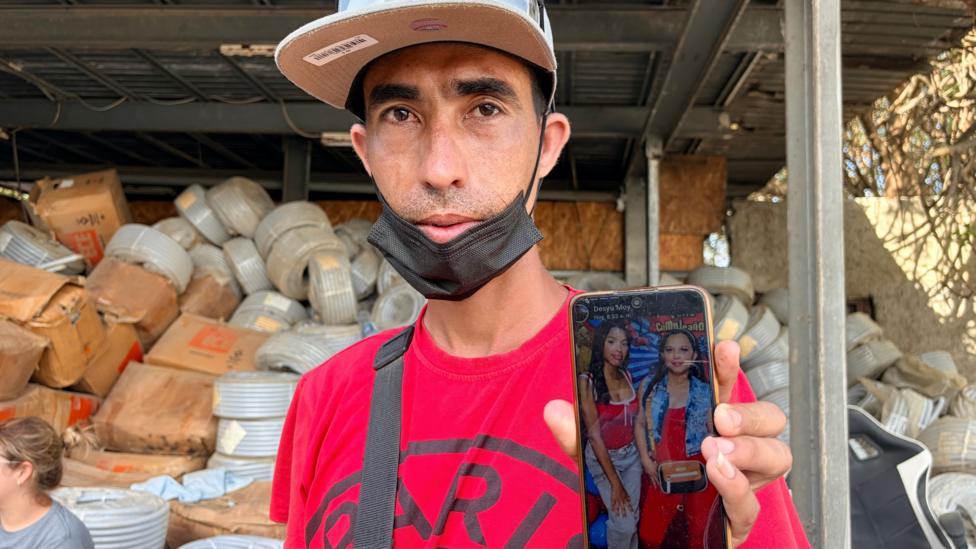
Government-Owned Complex and Unequal Rescue Reach
The building was part of a government-owned complex. Its prominent location and ownership may have attracted rescue teams' attention.

In contrast, some parts of La Guaira state remain unreachable by search teams.
Searching for Missing Children
We met Deilisbeth Herreira at a hospital in La Guaira, where she was reviewing lists of injured and deceased. She was searching for her daughters, Greydelys, 12, and Graybelys, 13.
A single parent, Deilisbeth was at work when the earthquake struck.
She believes her daughters were likely at home but is searching everywhere in case they were outside and survived.
"I have help from no one. No machines or rescuers have been sent to dig through the rubble. It's like you've been left on your own to find your loved ones," she says, tears streaming down her face.
"My daughters were quiet, studious girls. I just want them back at any cost," she adds.
Community Efforts and Police Inaction
Residents everywhere expressed feelings of abandonment by the state.
Along a coastal road, two high-rise apartment blocks—part of the Bello Horizonte complex—collapsed into rubble. Families and volunteers, wearing masks and gloves, tried to dig through debris using spades and crowbars.
William Rodrigues is searching for his uncle.
"The stench is horrible here. But I'm still trying because I'm looking for my uncle. We cannot just stand idly by when there might be people alive under the rubble," he says. "Help arrived very late in most places, and in some, it has still not arrived."
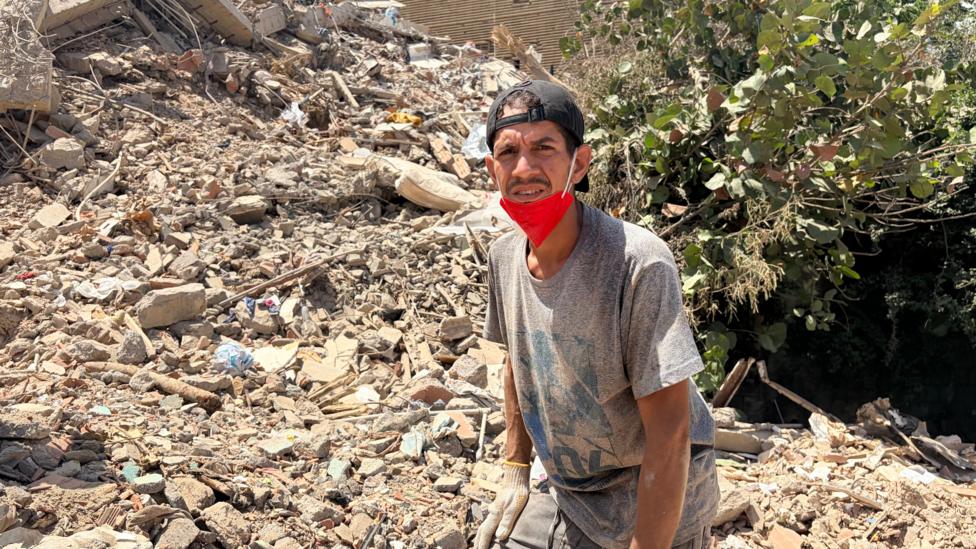
Police were present near the complex but did not engage in or assist with rescue efforts.
Personal Accounts of Rescue Attempts
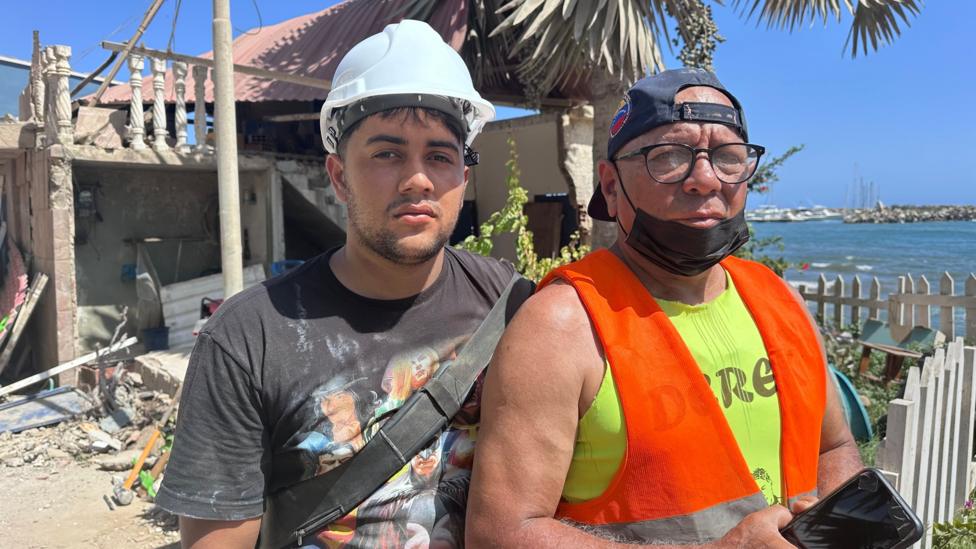
Sixty-year-old Juan Avendo, who lives across from Bello Horizonte and whose home was also destroyed, recalls:
"We could hear screams and shouts from people trapped under the rubble. So we tried to help ourselves, using our bare hands, clawing through debris with our nails."
He and his nephew Enyer Musics described rescuing a woman they heard screaming.
"We heard her screaming at night, but it was dark and we couldn't do anything. The next morning, we tried to find her. First, we passed her a bottle of water, then worked to pull her out," Enyer explains.
Official Rescue Teams and Ongoing Challenges
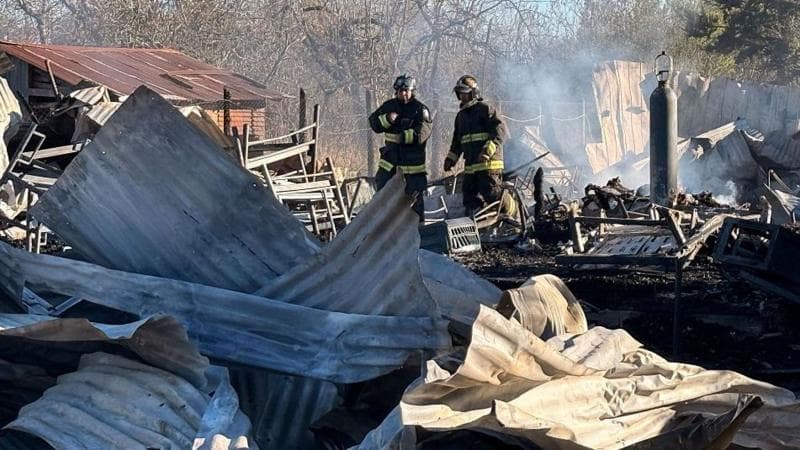
The first official rescue team, Venezuelan firefighters, arrived on Friday, nearly two days after the earthquake. Teams from El Salvador and the US also assisted. A few survivors were found before the operation was called off on Sunday.
Juan estimates hundreds likely remain dead under the debris.
It is possible many bodies will never be recovered, leaving the true scale of the disaster unknown.
Additional reporting by Aakriti Thapar, Maria Ines Calderon, and Sanjay Ganguly.