Scottish Firefighters Deployed to Venezuela Earthquake Zone
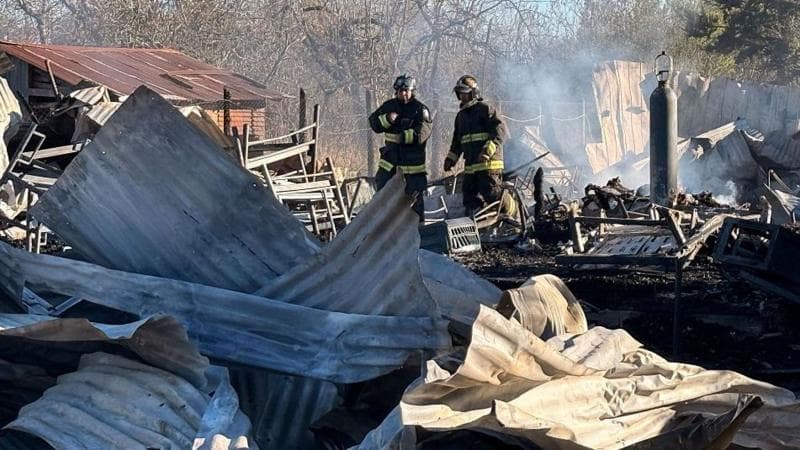
Three firefighters from Scotland have been sent to Venezuela to assist in search and rescue operations following two powerful earthquakes that struck the country on 24 June.
Gavin Brown, Ian Hodgson, and Brian Richards are part of the UK's international response team, which includes 68 firefighters and staff from 14 fire and rescue services across the UK. They have joined emergency personnel from other nations in efforts to locate survivors trapped beneath the rubble.
More than 2,000 fatalities have been reported, with tens of thousands still unaccounted for after the twin earthquakes caused widespread devastation.
Brown, Hodgson, and Richards departed the UK last Friday and have been actively engaged in Venezuela for the past week, providing specialized technical support where it is most needed during the search and rescue missions.
Andy Buchan, group commander for the Scottish Fire and Rescue Service, explained the advanced training the three firefighters have received in life location and technical search techniques.
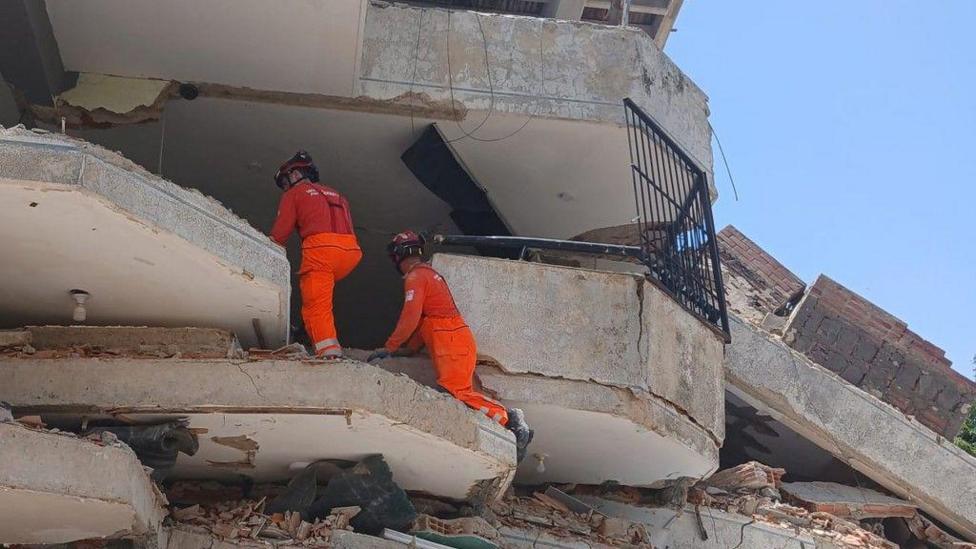
"We have various types of equipment we can use for sound, vibration and drones," Buchan said. "They are all trained in breaking and breaching which allows us to tunnel into a building, breaking our way through any barriers or walls."
Operational Challenges and Techniques in the Field
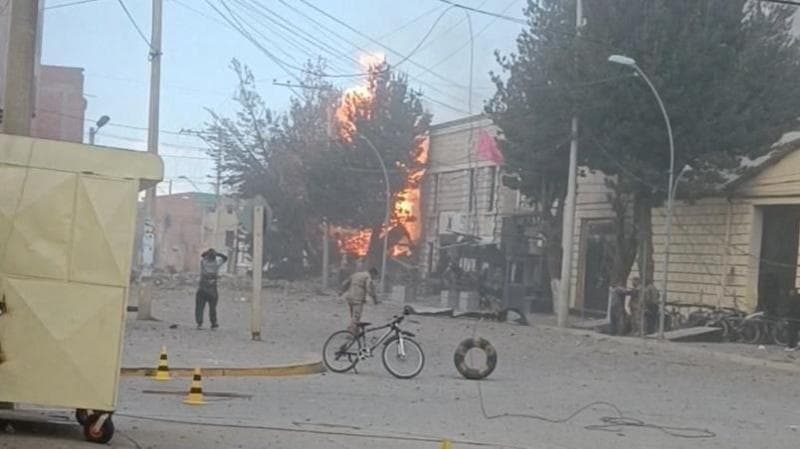
The earthquakes struck Venezuela in rapid succession on 24 June, resulting in over 2,000 deaths and extensive damage to infrastructure.

Ian Hodgson, speaking from Venezuela, described the use of listening devices to detect survivors. These tools help determine the distance to trapped individuals, estimate the time required to reach them, and identify the resources needed for rescue.
"We have to be open to change and able to adapt quickly," Hodgson, a crew commander based at North Anderson Drive station in Aberdeen, said. "We might have plan A and then quickly have to adapt to plan C, D and E before we know it."
Gavin Brown, who previously participated in earthquake response efforts in Morocco in 2023, highlighted the importance of collaboration with other emergency teams, medics, and search and rescue dogs during the operation.
"Drawing on the skills we use in our day-to-day roles has enabled us to work effectively as a team and get the job done," Brown added.
Teamwork, Resilience, and Adaptation
Brian Richards, a firefighter from MacAlpine Road station in Dundee, emphasized the necessity of resilience during long shifts and extreme temperatures.
"An unexpected valuable skill for me was navigation," Richards said. "We found ourselves in a situation where there was poor or limited signal and trying to find your way to a specific work site which had been destroyed proved rather difficult with the current mapping systems that we had."
The team has worked alongside personnel from France and Mexico, communicating through translators during joint operations with search and rescue dogs.
The UK crew comprises firefighters and staff from 14 different fire and rescue services.
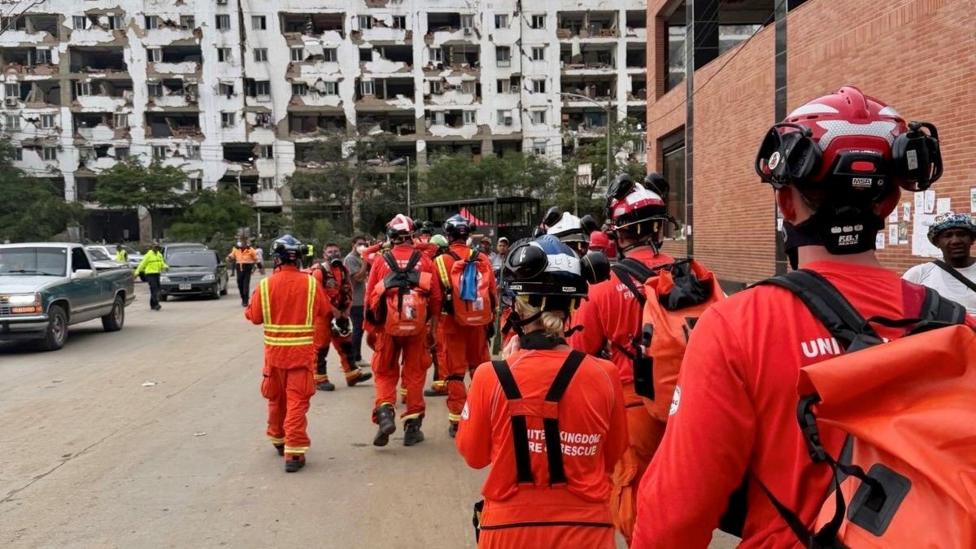
To avoid placing additional strain on Venezuela's already overwhelmed infrastructure, the team has brought their own accommodation, water, food, and sanitation supplies. They are capable of self-deploying and sustaining themselves for 10 to 14 days.
Andy Buchan, who also manages the UK International Search and Rescue team in Scotland, praised the dedication and professionalism of all involved.
"What the team will be experiencing there will be very traumatic," Buchan said. "The scale of the devastation they have encountered is unlike anything they would face in their day-to-day duties back home, and they are dealing with those challenging circumstances every day throughout their deployment."
- Venezuela quake survivor pulled out alive after eight days
- The US deported them to Venezuela - hours later earthquakes struck
- UK charities launch Venezuela earthquakes appeal