

Negotiations Between Cuba and US Amid Oil Blockade
Cuban President Miguel Díaz-Canel announced that his government is engaged in initial discussions with the Trump administration to address the longstanding differences between the two countries. These talks come as Cuba continues to endure the consequences of a US-imposed oil blockade.
Díaz-Canel said no fuel had entered Cuba in three months.
Leading the Cuban delegation, Díaz-Canel revealed during a national broadcast on Friday that the negotiations are at an early stage.
US President Donald Trump said on Monday that Cuba was in "deep trouble" as he threatened a "friendly takeover".
The Caribbean nation is currently experiencing multiple blackouts due to fuel shortages, a situation exacerbated by US pressure.
Since his return to the White House, President Trump has expressed a clear intention to alter Cuba's leadership. He has also threatened to impose tariffs on goods imported into the US from any country supplying oil to Cuba.
The White House confirmed to the BBC on Friday:
"As the president stated, we are talking to Cuba, whose leaders should make a deal, which he believes 'would be very easily made'."
Havana depends heavily on imported fuel to generate electricity, but the US has intercepted several oil shipments destined for Cuba.
Previously, Venezuela supplied approximately 35,000 barrels of oil daily to Cuba, covering about half of the island's oil requirements. However, Washington's raid in Venezuela and the capture of President Nicolás Maduro in early January disrupted this arrangement.
Impact of Fuel Shortages and Measures Taken
In his national broadcast, Díaz-Canel highlighted that the absence of fuel imports over the past three months has caused a steady depletion of diesel and fuel oil reserves. This shortage has led to increasing instability in the country's electrical grid.
Given this, the country's electrical grid has become increasingly "unstable", he said.

To counter these challenges, Cuba has increased domestic crude oil and gas production, as well as expanded solar energy generation.
Historical Context of US-Cuba Relations
The relationship between the US and Cuba has been tense since 1959 when communist leader Fidel Castro overthrew a US-backed government. US sanctions and trade embargoes against Cuba have been in place since the early 1960s.
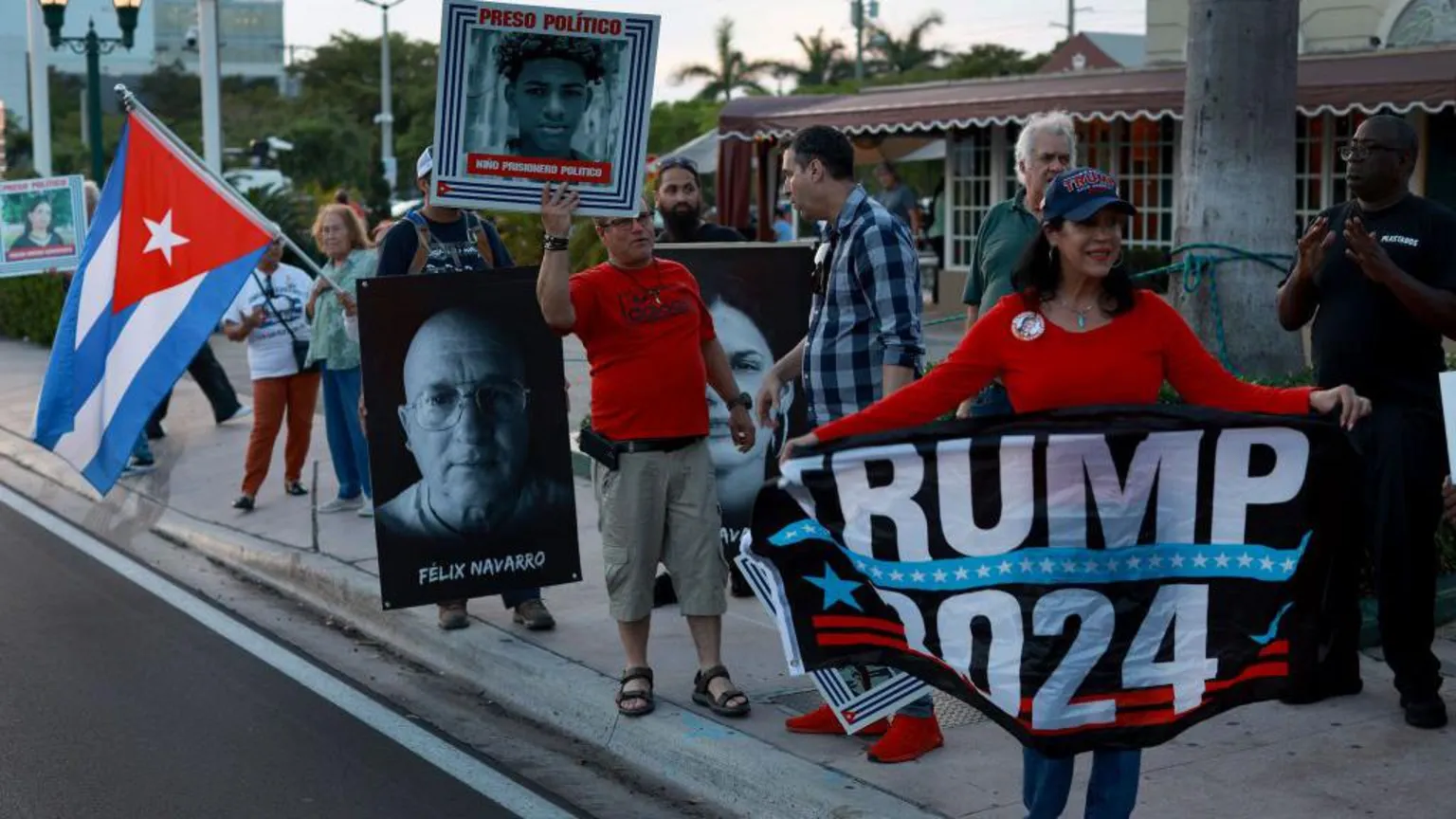
The island nation lies just 90 miles (145 km) south of Florida. Due to this proximity, many Cubans who oppose Havana's political system emigrate to the US, contributing to Miami's significant Cuban-American population.
US Involvement and Political Statements
Regarding the ongoing talks, President Trump has indicated that US Secretary of State Marco Rubio, himself the son of Cuban immigrants, is involved in the discussions.
In February, Rubio emphasized the need for change in Cuba, stating to reporters on 25 February:
"It needs to change dramatically because it is the only chance that it has to improve the quality of life for its people."
Prisoner Release as Gesture of Goodwill
Following talks with the Vatican, the Cuban government announced it will release 51 prisoners in the coming days as a demonstration of goodwill.
This announcement follows a recent meeting between Cuban Foreign Minister Bruno Rodriguez and Pope Leo at the Vatican.
Cuba did not specify whether the prisoners to be freed include political detainees but stated that all have served a significant portion of their sentences and maintained good conduct while incarcerated.
Detailing the upcoming release, Cuba's foreign ministry noted that since 2010, Havana has pardoned 9,905 prisoners.
Additionally, over the past three years, another 10,000 individuals have been released through various forms of relief, according to the ministry. The government described the decision as "sovereign" and aligned with the approaching Holy Week in the Christian calendar.


