Background of Colonia Dignidad
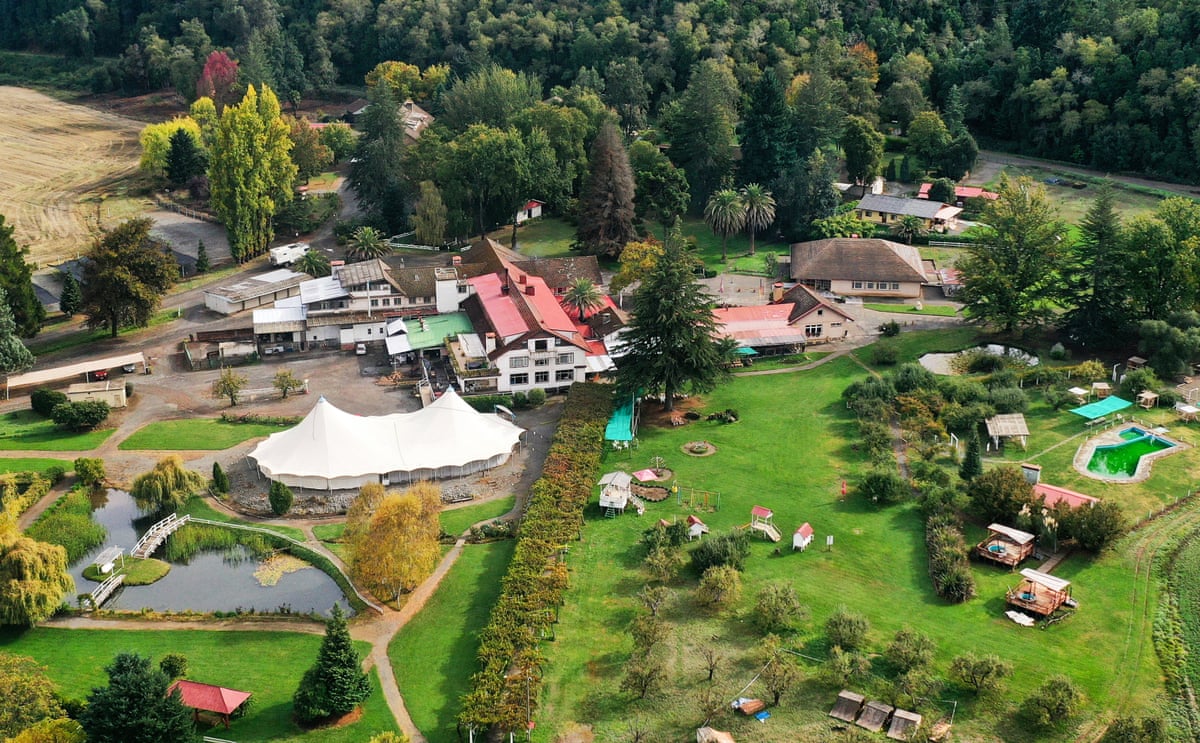
With its Germanic crosses and colourful toy-town facades, the village square of the tiny Chilean settlement of Villa Baviera gives little indication of the horrors of its past.
Until 1991, this cattle town of a few hundred people was a compound known as Colonia Dignidad. Its leader, Paul Schäfer, a former Nazi and weapons smuggler, bought a swathe of land in the valley in 1961, eventually holding as many as 300 people in a fenced enclave with minimal contact with the outside world. He sexually abused and even tortured the children in the camp.
During the dictatorship of Gen Augusto Pinochet, Colonia Dignidad was used as a clandestine torture centre where at least 100 people are thought to have been murdered by state security forces.
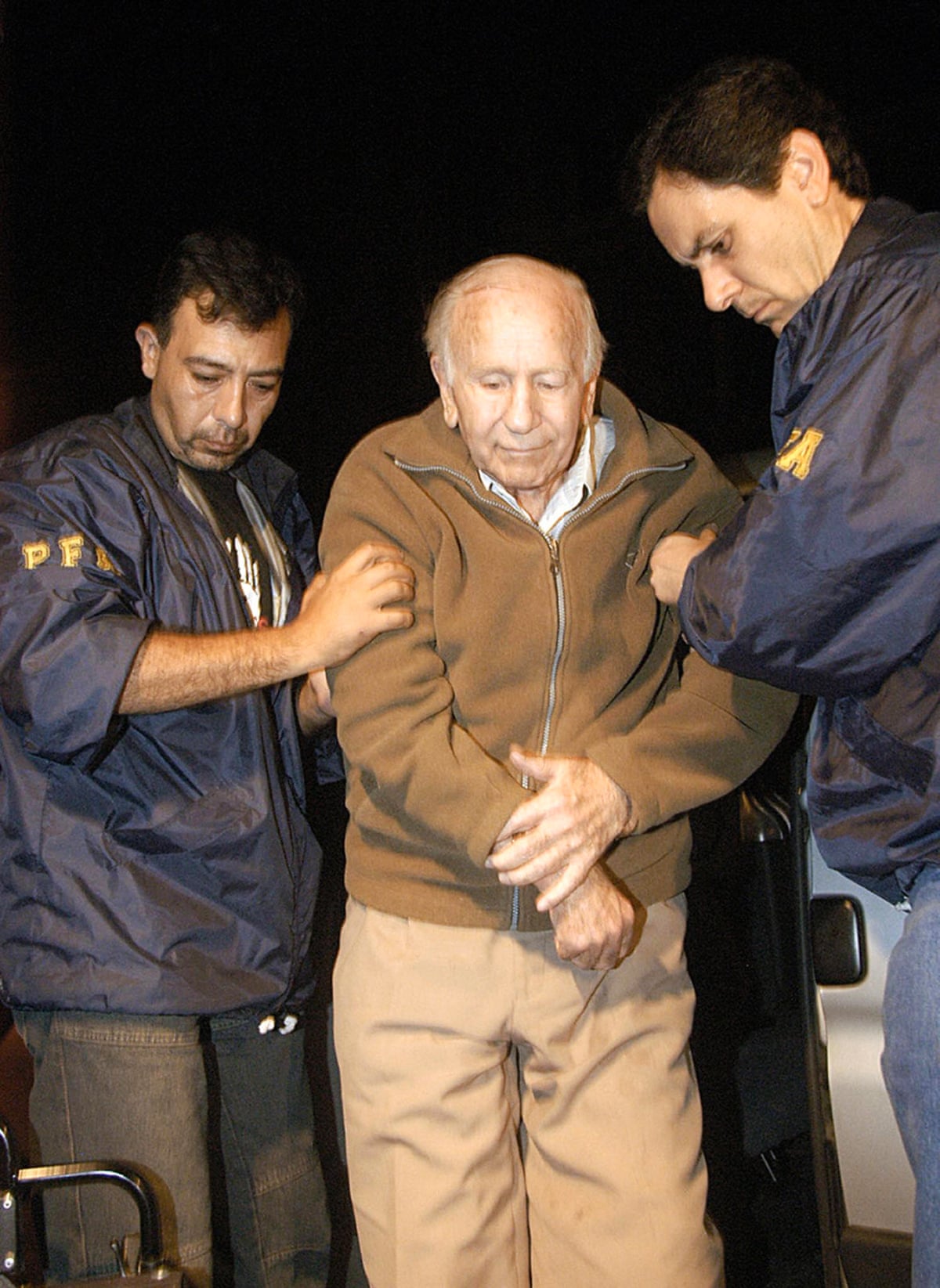
Schäfer was eventually sentenced after a conviction on child abuse charges to 20 years in prison, where he died in 2010.
Government Reversal on Memorial and Expropriation
The investigation and efforts to address the commune’s legacy proceeded fitfully but relatives of the disappeared took heart last year when then president Gabriel Boric signed a decree to expropriate 117 hectares (289 acres) and create a memorial to the victims.
Now the government of President José Antonio Kast has announced plans to “reverse” the expropriation, which included residential areas of Villa Baviera and Schäfer’s former home, where key documentation linking the site to its role as a detention centre was found.
“Colonia Dignidad must be treated as what it is: a site where crimes against humanity were committed,” said Margarita Romero, the president of the Asociación por la Memoria y los Derechos Humanos Colonia Dignidad, whose sister was detained at the site under the Pinochet dictatorship.
“It is not just about preserving a place, but about ensuring the material conditions for the search for truth and the advancement of justice.”
The government’s position has centred on its own assessment that the Boric administration left the national finances in disarray, which it has used to justify an order to all ministries to cut budgets by 3%.

The housing minister, Iván Poduje, claimed that expropriating the site would have cost more than $50 million, although he did not provide evidence to support the claim. The ministries of housing and justice declined to comment further on their plans.
The decision leaves the future of the former enclave in the balance. Villa Baviera will remain in the hands of the current landowners, a mixture of the descendants of the original German settlers and Chilean families who moved to the area, with Chile’s opposition criticising the move to scrap expropriation plans entirely rather than pause them.
Historical Context and Recent Developments
It was decades before the true horror of what unfolded under Schäfer’s cult fully emerged.
After hiding in the network of tunnels under Colonia Dignidad, Schäfer fled to Argentina in 1997 to escape child abuse charges in Chile, and was eventually found living in an apartment near Buenos Aires in 2005. That same year, the site of the former commune was taken over by Chilean authorities.
In 2023, Boric presented a new plan to find traces of the 1,469 people who remain “disappeared” since the dictatorship. The following year, a new bunker was discovered at Colonia Dignidad as part of searches.
But this month, Kast, who has repeatedly defended Pinochet and his dictatorship during a long career on the extreme fringes of Chilean politics, abruptly removed four of the search plan’s coordinators.
Among them was the head of the national human rights programme, removed after 14 years in the job.
“What we are witnessing are not isolated incidents, but a clear pattern of regression in human rights,” said Romero, who was herself detained while she was a medical student at the University of Concepción.
“There is no indication whatsoever of a genuine commitment to the search for truth. And it is precisely this truth that makes them uncomfortable.”