Concerns Rise Over Uranium Mining in Patagonia
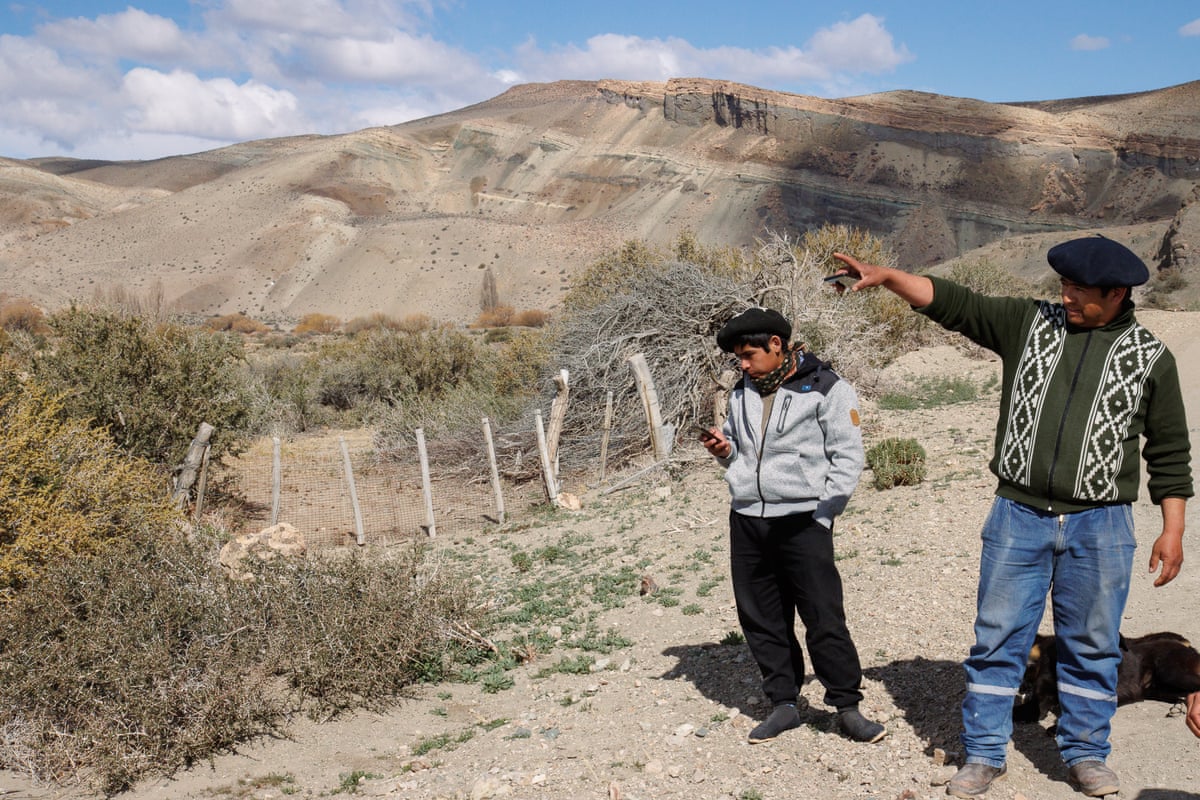
On a rocky outcrop overlooking the Chubut River, one of the few waterways traversing the arid Patagonian steppe in southern Argentina, Sergio Pichiñán gestures toward colourful rock formations on a distant hillside.
“That’s where they dug for uranium before, and when the miners left, they left the mountain destroyed, the houses abandoned, and nobody ever studied the water,”
he says, expressing concerns linked to cases of cancer and skin diseases within his community.
“If they want to open this back up, we’re all pretty worried around here.”
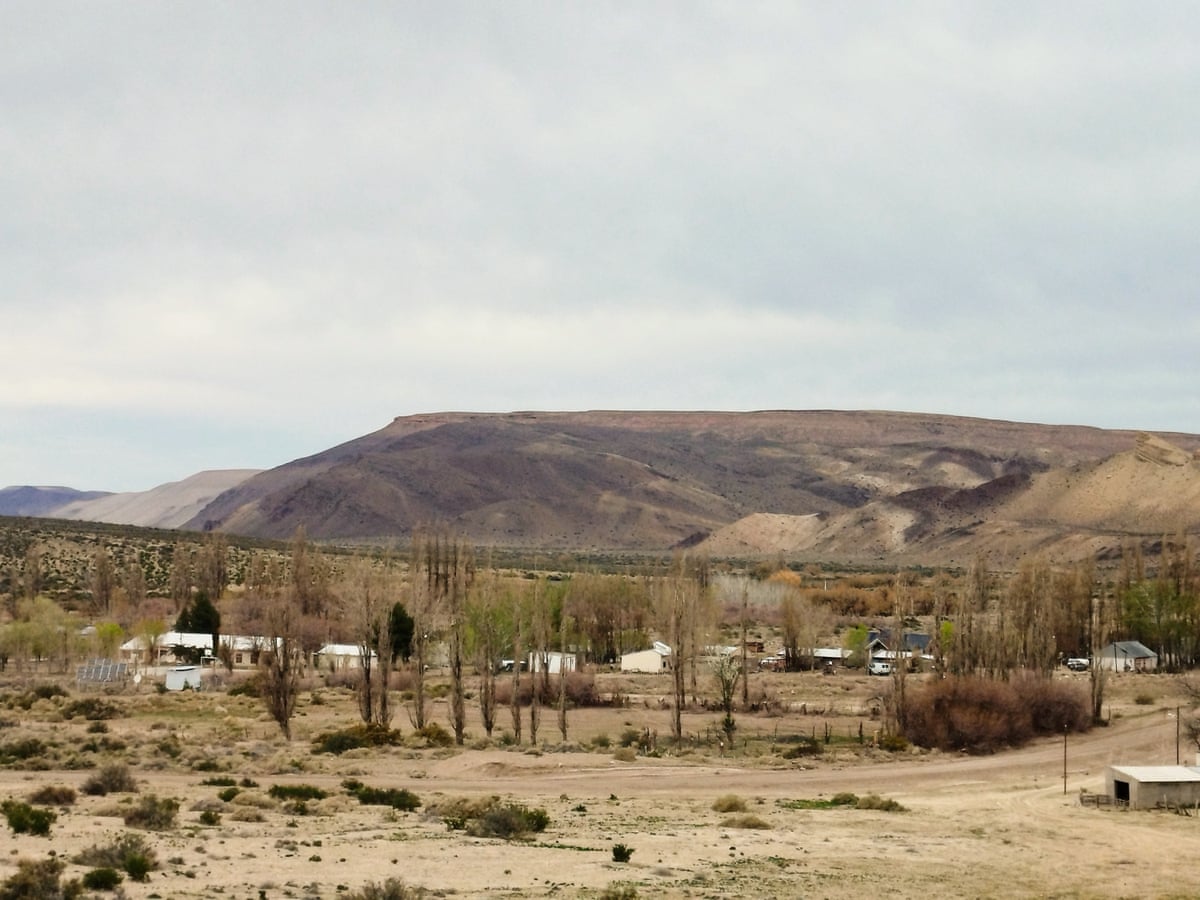
Pichiñán resides in Cerro Cóndor, a small hamlet with a sparse Indigenous Mapuche population, shaped by the region’s harsh summers, cold winters, and scarce rainfall. The National Atomic Energy Commission (CNEA) mined uranium here during the 1970s, and the area is now under renewed scrutiny as President Javier Milei seeks to redefine Argentina’s nuclear policy.
Though remote and seldom visited, Cerro Cóndor drew a delegation from the International Atomic Energy Agency (IAEA) in November as part of an inspection. Adjacent to the closed mines, Cerro Solo is among CNEA’s largest proven uranium deposits. Restarting uranium mining there is the initial phase of President Milei’s nuclear strategy.
The broader plan includes developing small modular reactors (SMRs), utilizing them to power artificial intelligence (AI) data centers, exporting reactors and uranium, and partially privatizing Nucleoeléctrica Argentina, the state-owned nuclear energy utility.
Mixed Reactions to the Nuclear Strategy
The plan has ignited strong criticism from both supporters and opponents of nuclear energy. Argentina’s nuclear sector is non-military and exports research reactors that produce isotopes for medical and scientific use. Its three nuclear plants—Atucha I, Atucha II, and Embalse—generate approximately 10% of the country’s electricity.
Uranium production in Chubut ceased in the 1990s, and after the closure of another mine in Mendoza in 1997, Argentina has relied on uranium imports. Many view the resumption of uranium extraction as a strategic necessity.
Adriana Serquis, a nuclear physicist and former president of CNEA until 2024, now serving in congress, expresses skepticism.
“The plan doesn’t seem oriented toward supplying our own plants, but rather exporting uranium directly to the US. It would appear the objective is to satisfy others’ needs while destroying our own capabilities.”
Dioxitek, a state-run CNEA subsidiary, processes imported uranium into uranium dioxide for Argentina’s power stations but signed an agreement last year with the US-based company Honeywell to supply uranium hexafluoride. Since Argentina’s reactors operate on natural or low-enriched uranium oxide rather than uranium hexafluoride, it is likely that any uranium mined domestically would be exported to the US rather than used locally.
Simultaneously, Nano Nuclear Energy, an Argentinian company, signed a memorandum of understanding with the British-Argentinian firm Minera Santa Cruz, which holds significant uranium mining rights in Chubut and plans to extract uranium. The agreement’s stated goal includes
“strengthening US energy security by sourcing materials for nuclear fuel from a reliable partner.”
Concerns Over Sovereignty and Resource Control
Diego Hurtado, former president of the national nuclear regulator and ex-vice president of CNEA, notes that Argentina’s proven uranium reserves could meet domestic demand for approximately 70 years, though less if nuclear energy expands.
“Argentina doesn’t have extra uranium,”
he states.
“Exporting uranium isn’t an Argentine nuclear plan; it’s banana republic-style mining: ‘I’ll sell you raw materials so you can use them to generate employment and industrial capacity in your country instead of here.’”
The nuclear strategy reflects a geopolitical realignment toward Washington under Milei, who has declared Argentina an
“unconditional ally of the US.”In September, the far-right president signed Argentina up as a founding member of the US Foundational Infrastructure for the Responsible Use of Small Modular Reactor Technology (FIRST) initiative.
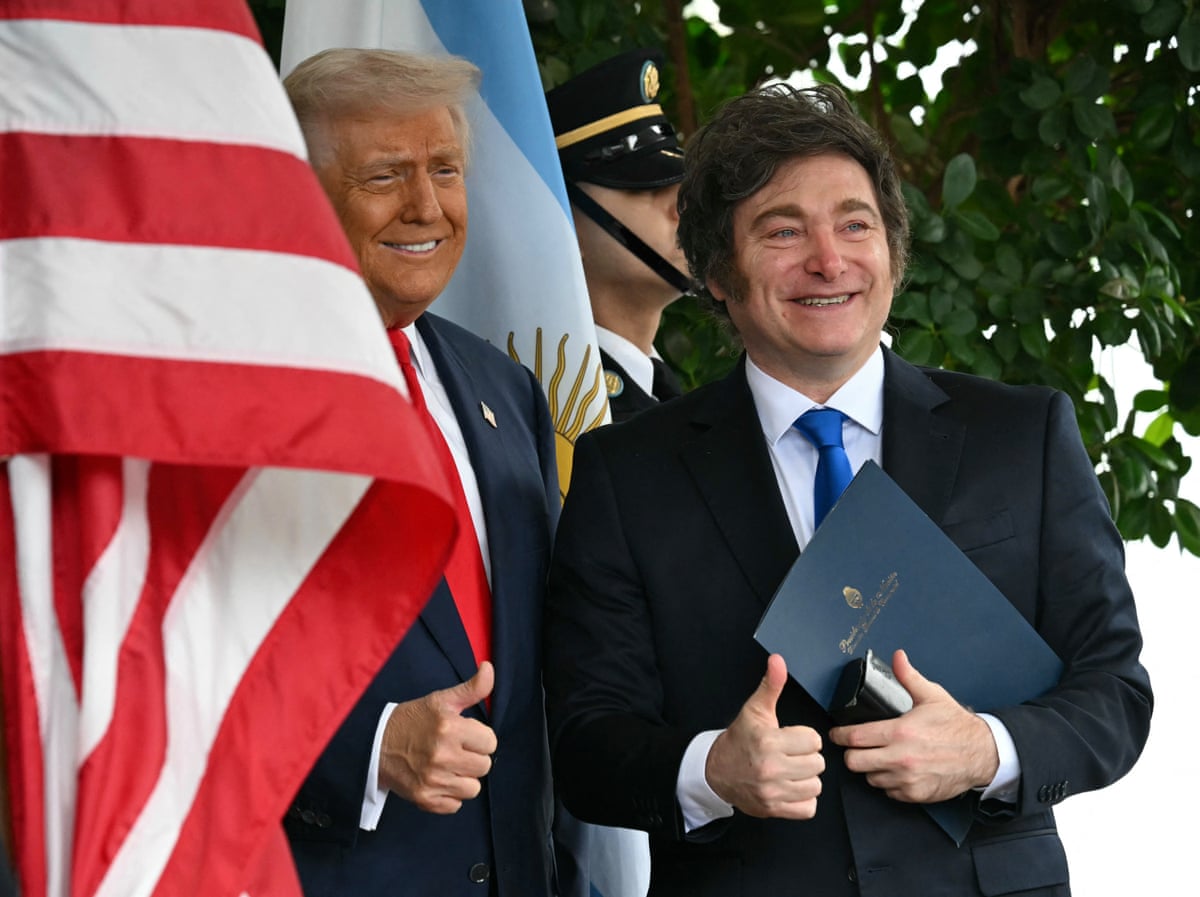
Hurtado argues Argentina gains little from this partnership.
“Since the late 60s, the US has systematically tried to undermine Argentina’s nuclear development,”he says.
“They treat Latin America as their back yard and don’t want competitors for their technology here.”
During his tenure at CNEA, Hurtado encountered US nuclear specialists who pressured Argentina to reject the Chinese Hualong One reactor, which was slated to be the country’s fourth nuclear power plant. Milei has since suspended that project.
At a recent forum on national sovereignty in Patagonia, Serquis commented on the situation:
“The hegemonic model of countries like the US or European countries, that have achieved certain technologies, says ‘Once I’ve gone up the ladder, I knock it down so no one else comes up.’”

Small Modular Reactors and Project Challenges
Small modular reactors (SMRs) are a key focus in nuclear energy development globally. To date, only two SMRs are operational—one in China and one in Russia.
Argentina has been developing an SMR called Carem for decades, with construction underway since 2014. In 2024, the OECD’s Nuclear Energy Agency surveyed SMR projects worldwide and ranked Carem among the four most advanced. The project is estimated to be about two-thirds complete.
However, the Milei administration has labeled Carem a failure and effectively suspended it. The new nuclear plan prioritizes a micro-reactor project, currently at only 1% development, recently patented by an Argentinian state-run company but operated through its US subsidiary.

Serquis states:
“Not only have they stopped investing in the project, but all the engineering and research teams are being dismantled. They say they’re going to have four SMRs built in five years, and that’s just fiction.”
Impact on Public Research and Environmental Agencies
This nuclear strategy unfolds amid significant reductions in public research and environmental protection agencies. Hurtado remarks:
“Milei took office with a potent discourse of stigmatising science and technology, and rapidly defamed them across the board, from CNEA to the National Water Institute to the National Weather Service to public universities. It’s catastrophic.”
Trade unions report that between 80% and 90% of CNEA workers receive salaries below the poverty line, fueling emigration and brain drain. In 2024, the country’s secretariat for innovation, science, and technology operated with only 10% of its 2015 budget. Public universities have also experienced significant budget cuts.
Privatization Concerns and Strategic Risks
Plans to partially privatize Nucleoeléctrica Argentina have raised additional concerns. The economy ministry proposed in November to sell 44% of the state company to a private investor. Although this would not constitute an absolute majority, the buyer would hold the largest stake, granting significant decision-making power.
Demian Reidel, Milei’s lead on nuclear affairs and former chair of the council of presidential advisers, was appointed head of Nucleoeléctrica amid investigations into the company’s procurement practices and alleged overpricing of service and software contracts.
Reidel did not respond to requests for comment but has described the privatization as
“necessary to attract investment.”
Despite these plans, Nucleoeléctrica remains one of the few Argentine state companies operating with a budget surplus, posting a profit of £8.6 million in the first quarter of 2025. Opposition parties in congress have proposed legislation to designate Nucleoeléctrica a strategic priority and block privatization, but they likely lack the two-thirds majority required to override a presidential veto.
Isidro Baschar, a former member of Nucleoeléctrica’s board, warns that Argentina risks losing strategic capabilities without benefiting from privatization. He notes that nuclear power worldwide is predominantly state-run, with only a few exceptions.
“Nuclear energy combines critical infrastructure, extremely long-term investments, highly specialised licensing and international commitments regarding security and non-proliferation. None of that can be sustained through market logic alone,”
he explains.
Energy Potential and Climate Considerations
Serquis, Hurtado, and Baschar emphasize nuclear power, alongside solar potential in the high, dry provinces of northwest Argentina and Patagonia’s strong winds, as key components for meeting climate goals and combating the climate crisis.
Milei, a known climate change skeptic who has called global warming a
“hoax,”advocates for new nuclear plants not to replace fossil fuels but to increase energy demand. He and Reidel have visited Silicon Valley and various industry conferences to promote Patagonia as a prime location for nuclear-powered AI data centers.
Baschar comments:
“Projecting data centers, or ‘nuclear cities,’ in Patagonia seems attractive in the ideas lab, but it’s politically non-viable. [Patagonia] is the region of the country with the strongest popular rejection of these endeavours.”
Local Opposition and Environmental Legacy
Chubut hosts a broad and deeply rooted grassroots anti-mining movement. A 2003 referendum on open-pit gold mining resulted in a 70% vote against, leading to a provincial law prohibiting such mining practices. In 2021, lawmakers attempted to open the central steppe to mining but withdrew after widespread protests, including highway blockades, mass demonstrations in the capital, and arson attacks on government buildings.
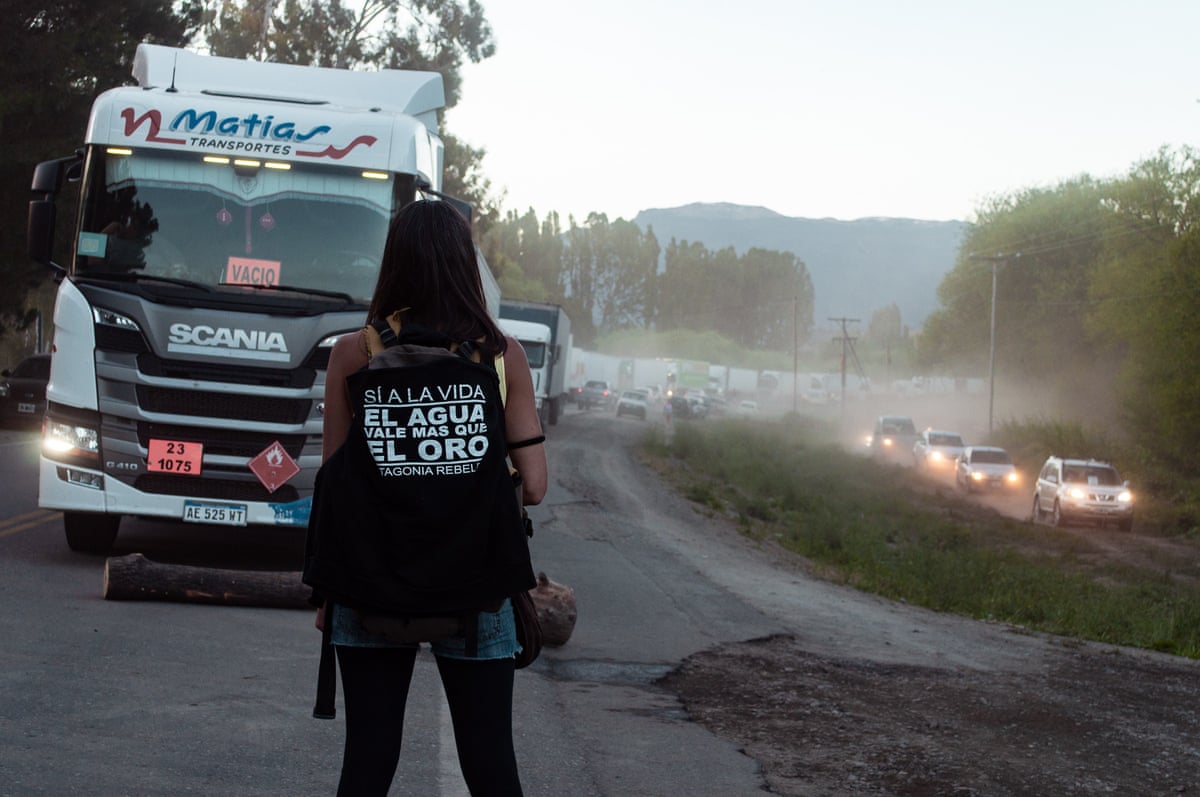
The anti-nuclear movement in Patagonia dates back to the 1980s when a proposal to establish a radioactive waste dump near Gastre, a remote village in central Chubut, was defeated after years of popular opposition. Subsequently, numerous cities and towns in Patagonia enacted anti-nuclear ordinances banning the presence or transit of nuclear materials.
Near the old mine sites in central Chubut, tens of thousands of tonnes of uranium tailings from the 1970s remain behind a chain-link fence marked with a “Restricted Area” sign.
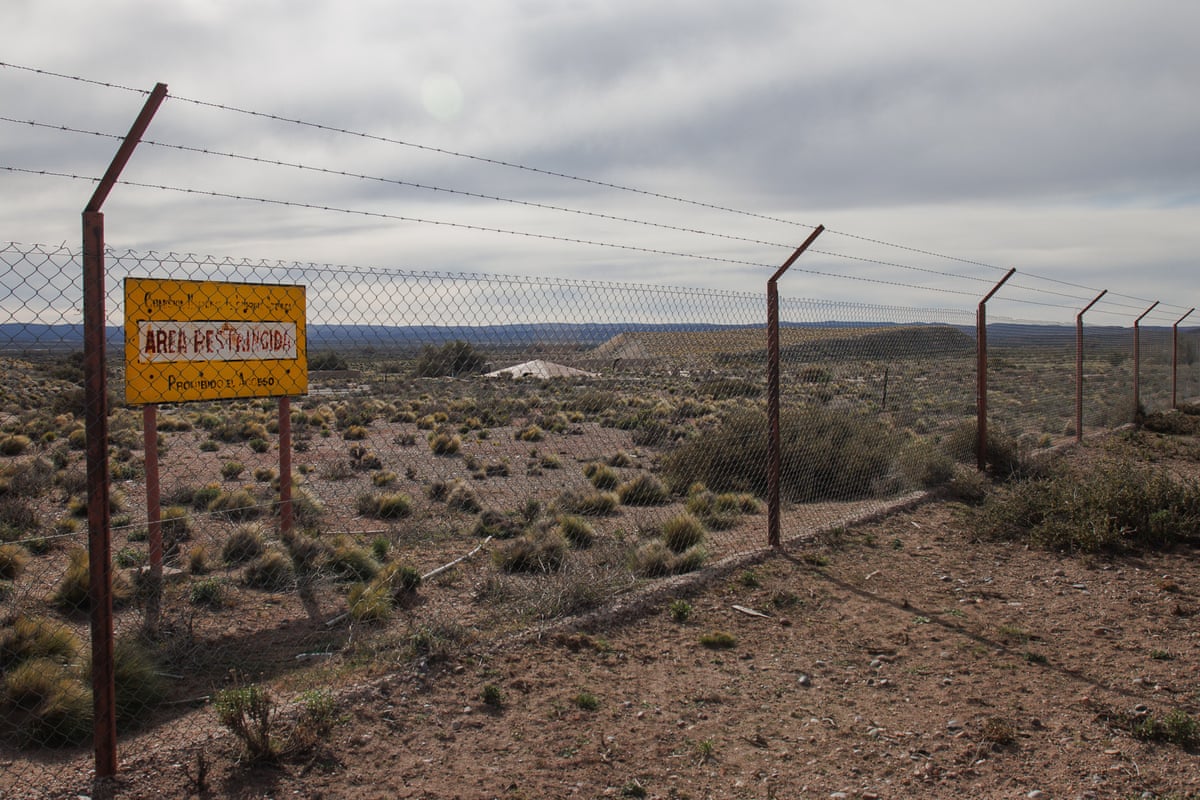
Orlando Carriqueo, spokesperson for the Mapuche-Tehuelche parliament of Río Negro, an Indigenous organization in another Patagonian province, expresses regional concerns about uranium mining’s environmental impact and waste management.
“We’re being turned into an energy colony,”he says.
Reports by CNEA across the past three administrations reveal contamination concerns. Less than a kilometre from the tailings, the Río Chubut flows toward the Atlantic coast, supplying drinking water to the towns of Trelew, Gaiman, and Rawson.
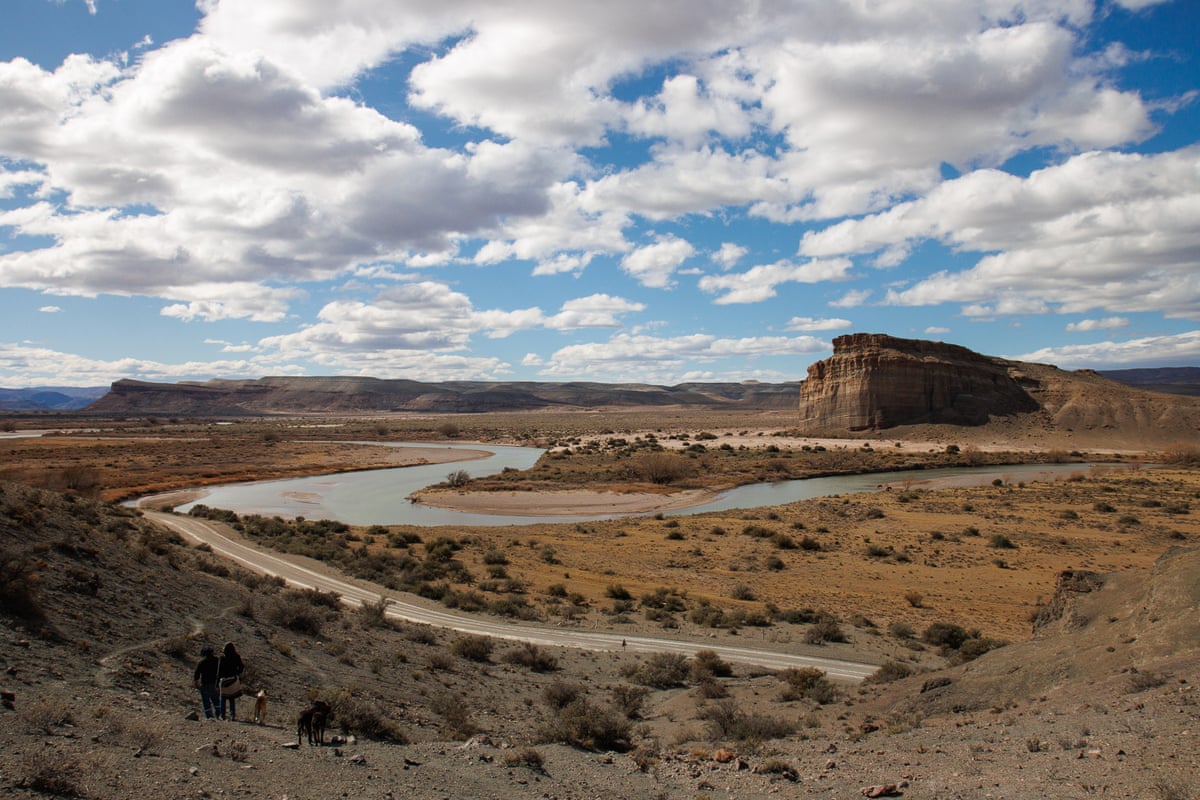
Riding his horse past the abandoned mines, Pichiñán voices fears that future generations may be misled by the same broken promises of the past.
“What happened back then, when they told us we were going to be rich? Where’s all that wealth? Where are the people who were going to have work and money?”
He adds:
“I don’t want my child to be 30, 40 years old one day and have to show them this kind of abandonment. Whatever happens, we can’t let them do this.”