Introduction to a Tragic Crime
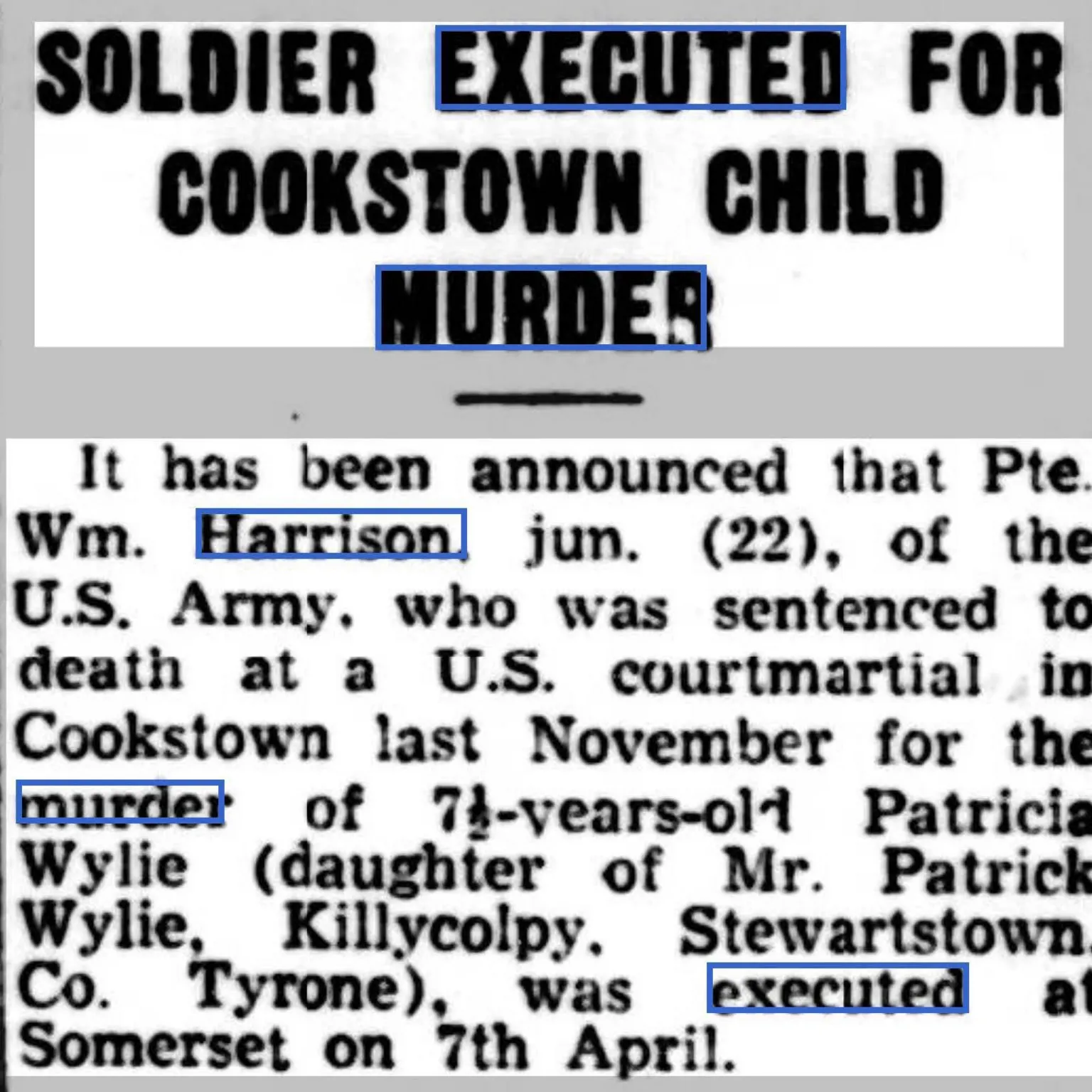
A woman whose aunt was murdered by an American soldier during World War Two has stated that the perpetrator should never have been allowed to serve in the military.
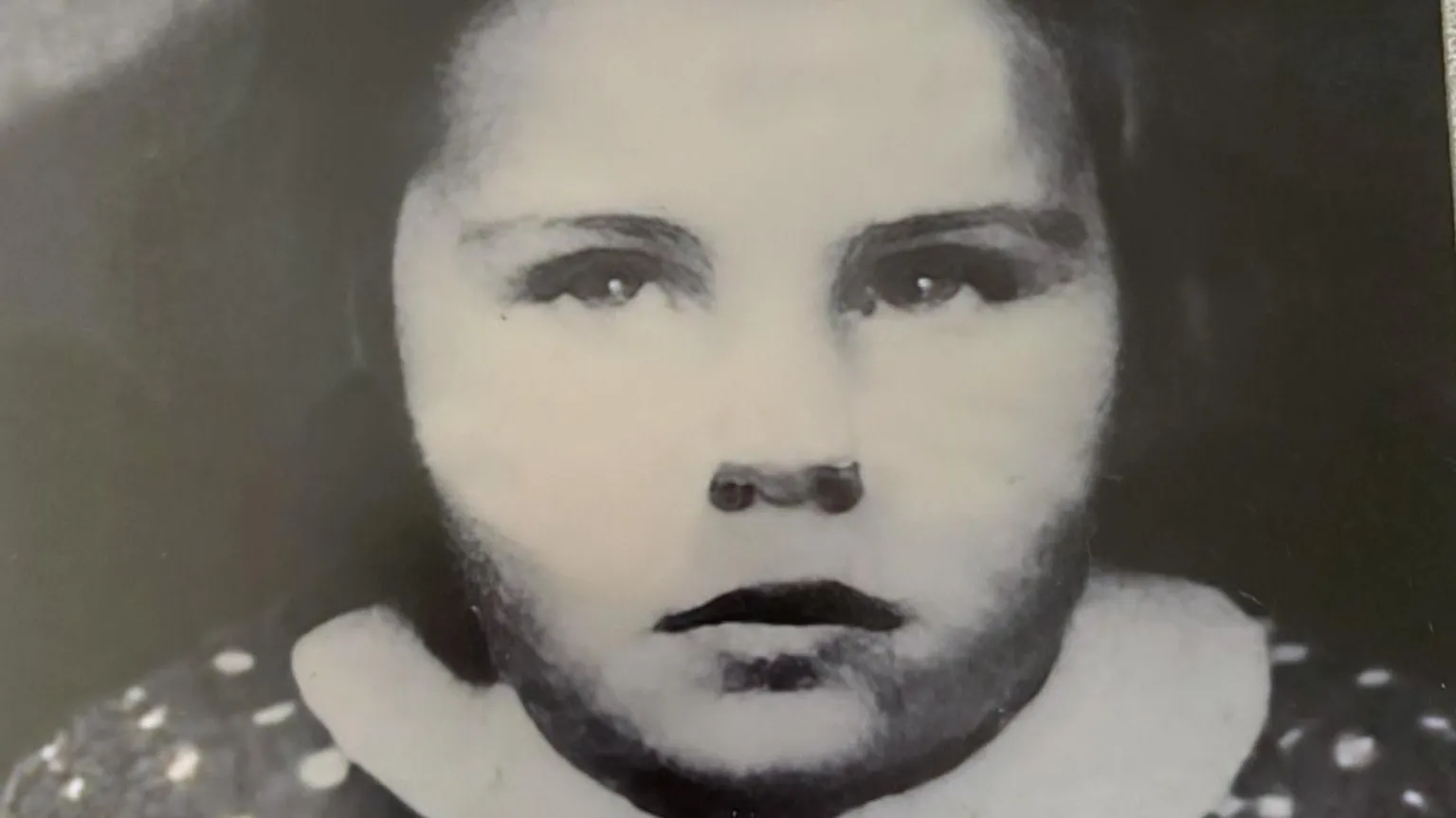
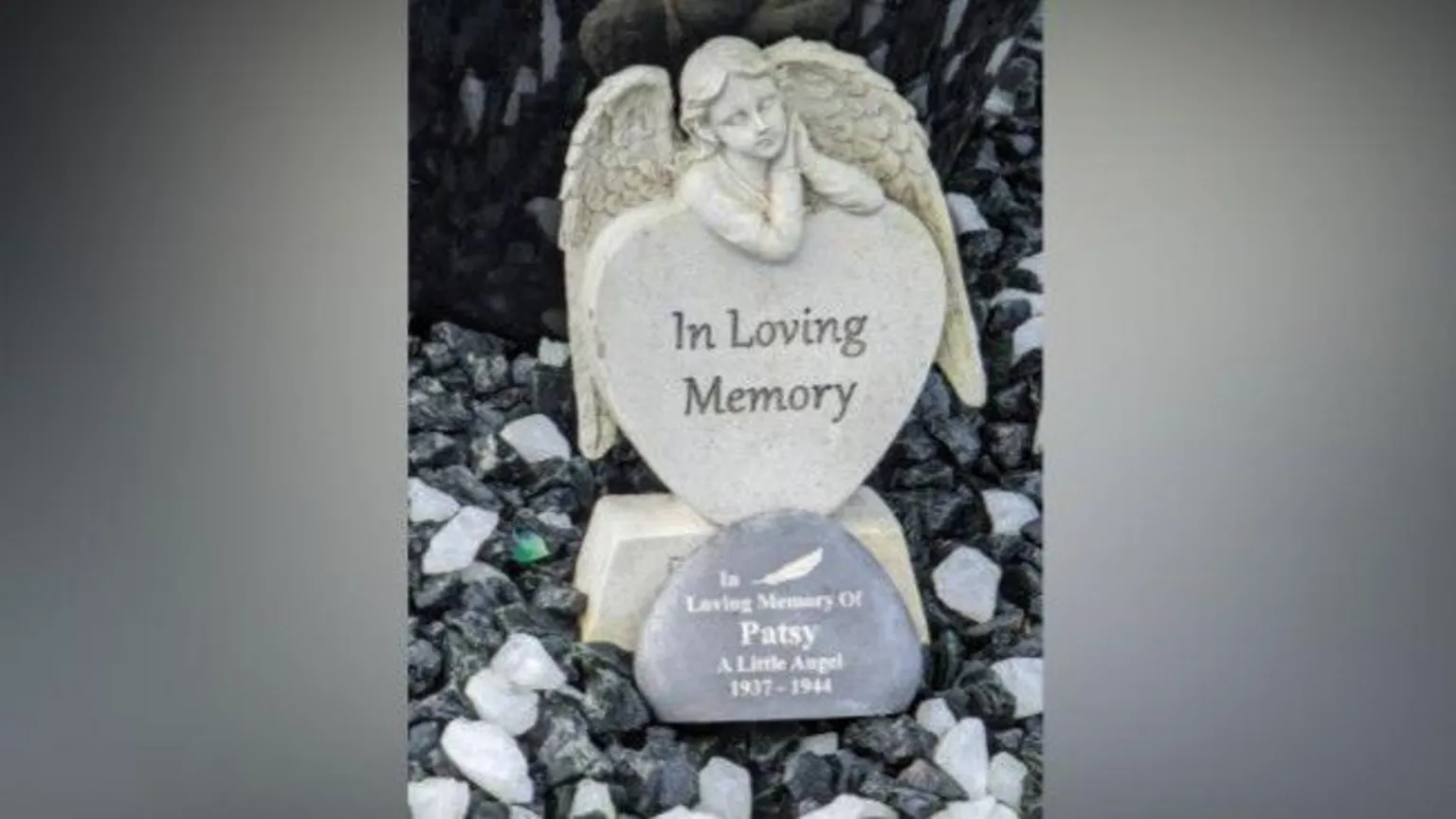
Patricia 'Patsy' Wylie was only seven years old when she was killed by William Harrison in September 1944.
Psychiatric Evaluation and Family Perspective
Patricia's niece, Annie Kalotschke, revealed that two psychiatrists who examined Harrison after the murder diagnosed him with "constitutional psychopathic personality disorder exacerbated by alcoholism."
"Basically that's the personality disorder that serial killers have,"
Kalotschke, a mental health counsellor, recently delivered a lecture about her aunt's murder at the prison where Harrison was executed. She aims to raise awareness about the psychological profiles of individuals serving in the armed forces.
Background on William Harrison
Harrison, aged 22, was an alcoholic with a history of disciplinary problems. He was assigned to a combat crew based at Cluntoe Airfield in Ardboe, County Tyrone. The Wylie family resided nearby in the townland of Killycolpy.
Initial Encounter with the Wylie Family
Kalotschke recounted that the family's first interaction with Harrison occurred in the summer of 1944. Patricia's father, Patrick Wylie, was in a pub where American soldiers were present, including Harrison, described as "this sad sack little guy at the end of the bar." Patrick Wylie felt sympathy for him and, upon learning Harrison was homesick, invited him to their home.
"It was supposed to be just a cup of tea and he ended up staying for two days,"
Disciplinary Action and Subsequent Events
Harrison was court-martialed for being absent without leave and sentenced to six months in the guardhouse. He was released after three months. On 25 September 1944, after heavy drinking, he returned to the Wylie residence, ostensibly to repay a loan.
He convinced Patricia's mother to allow the child to accompany him to the shop to purchase treats for the family. Instead, he took Patricia to a nearby field where he sexually assaulted her, then beat and strangled her. Afterwards, he returned to the pub to continue drinking.
As Harrison left the Wylie home with Patricia, he encountered her nine-year-old sister Sadie, who is Kalotschke's mother. He asked Sadie to come with him, but she refused. Kalotschke believes this refusal influenced her mother's later decision to emigrate to New York as a teenager.

"I don't think my mother was ever as happy as she could have been, because this has always been holding over her head. There were behaviours I look at now and say this was survivor's guilt.
"Over in the States there's no evidence of Patsy, you don't walk past the field every day."
Discovery and Legal Proceedings
Local residents found Patricia's body, and Harrison was arrested, tried, convicted, and sentenced to death by hanging at Shepton Mallet prison in Somerset.
Kalotschke spoke with an American soldier who was present during Harrison's interrogation, as well as his defence attorney. Both reported that Harrison showed no emotion and admitted to killing the child because she was "going to tell."
Despite Harrison's parents appealing to the White House for clemency, he was executed in April 1945.
Rumours and Community Impact
Despite the execution, Kalotschke said the family heard rumours that Harrison had been seen boarding a ship in Belfast to return to America.
"I cannot imagine how you walk around thinking that might possibly be true and wondering if he's going to come back and finish the job with the rest of the family,"
Kalotschke also noted that some people at the time blamed Patricia's father for inviting Harrison into their home, accusing the family of being "Yankee lovers."
"That's hard for a family to live with.
"He overstayed his welcome because he was a sociopath.
"They (sociopaths) are really good at mimicking human behaviour - that's what he did."
Other local residents expressed their anger toward American soldiers. One individual told Kalotschke that he used to buy eggs in the countryside, but after the murder, people would "slam the door in their face." On another occasion, a stone was thrown at his head. He did not blame them, stating he was "a symbol of something absolutely horrible that happened to this community."
Execution Details and Historical Context
Harrison was hanged at Shepton Mallet by Thomas Pierrepoint, a member of a well-known family of executioners.

His execution took longer than usual, prompting speculation that Pierrepoint's declining physical condition may have contributed.
However, Dave Cable, a historian specializing in the prison, suggested another factor might have influenced the delay.
"The murder of a child was, even by the grim standards of capital punishment, a uniquely shocking crime,"
"It is entirely plausible this weighed on Pierrepoint's mind and in my opinion, it is likely, in this instance, he cared less about efficiency and a little more about retribution."

Advocacy and Lessons for Military Screening
Kalotschke believes her aunt's tragic case underscores the importance of discussing military service eligibility for individuals with certain psychological conditions. She intends to present lectures on the crime at US military training institutions such as West Point, The Citadel, and Annapolis.

"They need to do tighter screenings and you need to know what happens when you put somebody in the army and they devastate an entire community."