

Rare Greenland Shark Found in County Sligo
A rare Greenland shark, estimated to be up to 150 years old, was found dead on the shores of Finisklin, County Sligo, on Saturday. This species, known for its exceptional longevity, can live for more than 500 years, making it the longest-lived vertebrate known to science.
The discovery marks the first recorded stranding of a Greenland shark on the Irish coast. Native to the Arctic and North Atlantic waters, the find has been described as "very rare" by the Irish Whale and Dolphin Group (IWDG).
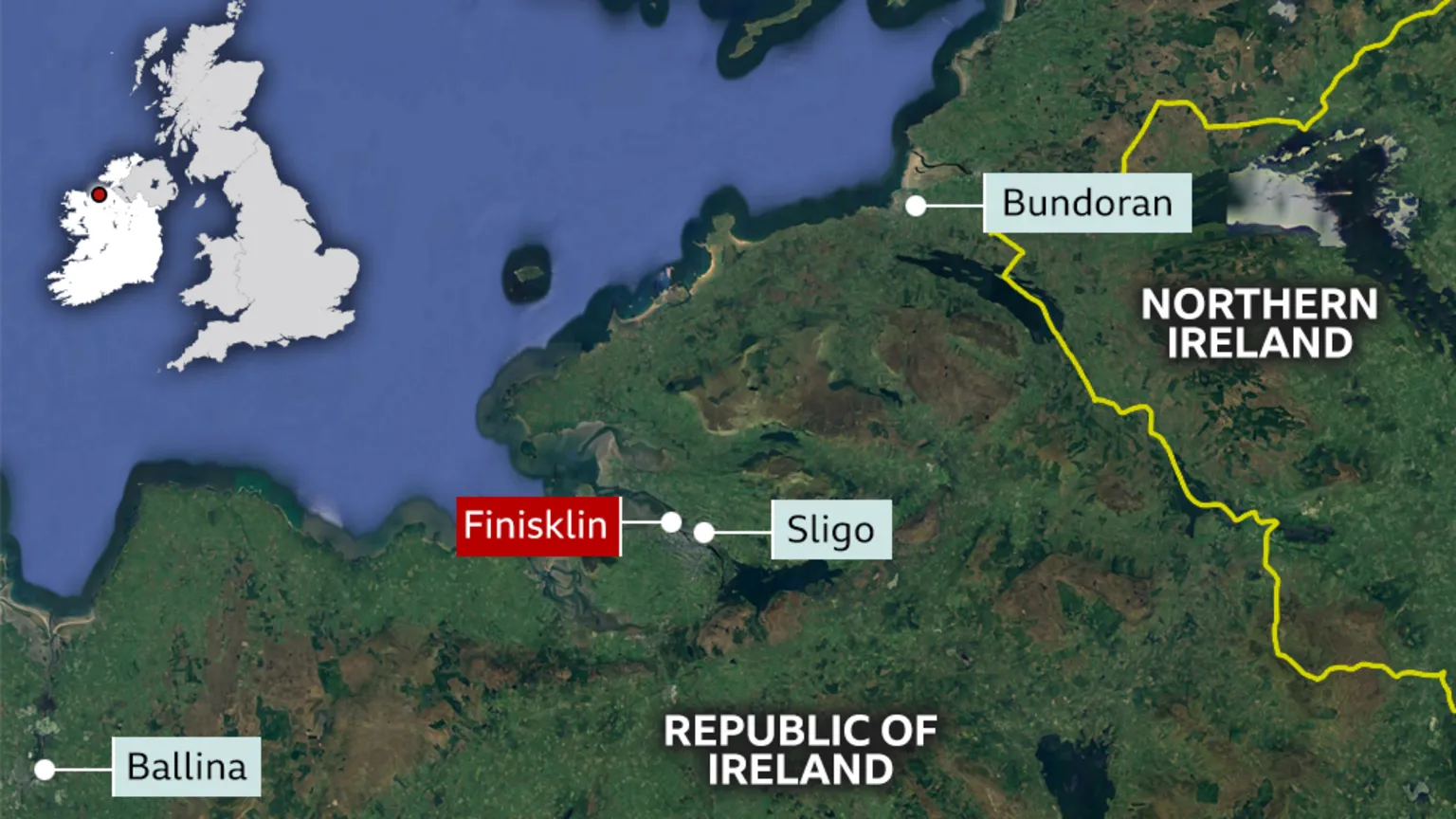
Initial Report and Identification
The IWDG initially received a report from two men who believed they had found a 2m (6ft 6in) dead basking shark. However, upon reviewing photographs, it was confirmed that the specimen was not a basking shark but rather a Greenland shark, making it a "very rare and interesting stranding."
Species Characteristics and Significance
The Greenland shark is notable for being the longest-living vertebrate, with some individuals living over 500 years. It is a large species, typically reaching lengths between 4m and 6m. The species reaches sexual maturity at around 150 years old and has an unusually long gestation period ranging from eight to 18 years.

The male shark found in Sligo was noted to "have had very developed claspers, perhaps on the brink of maturity."
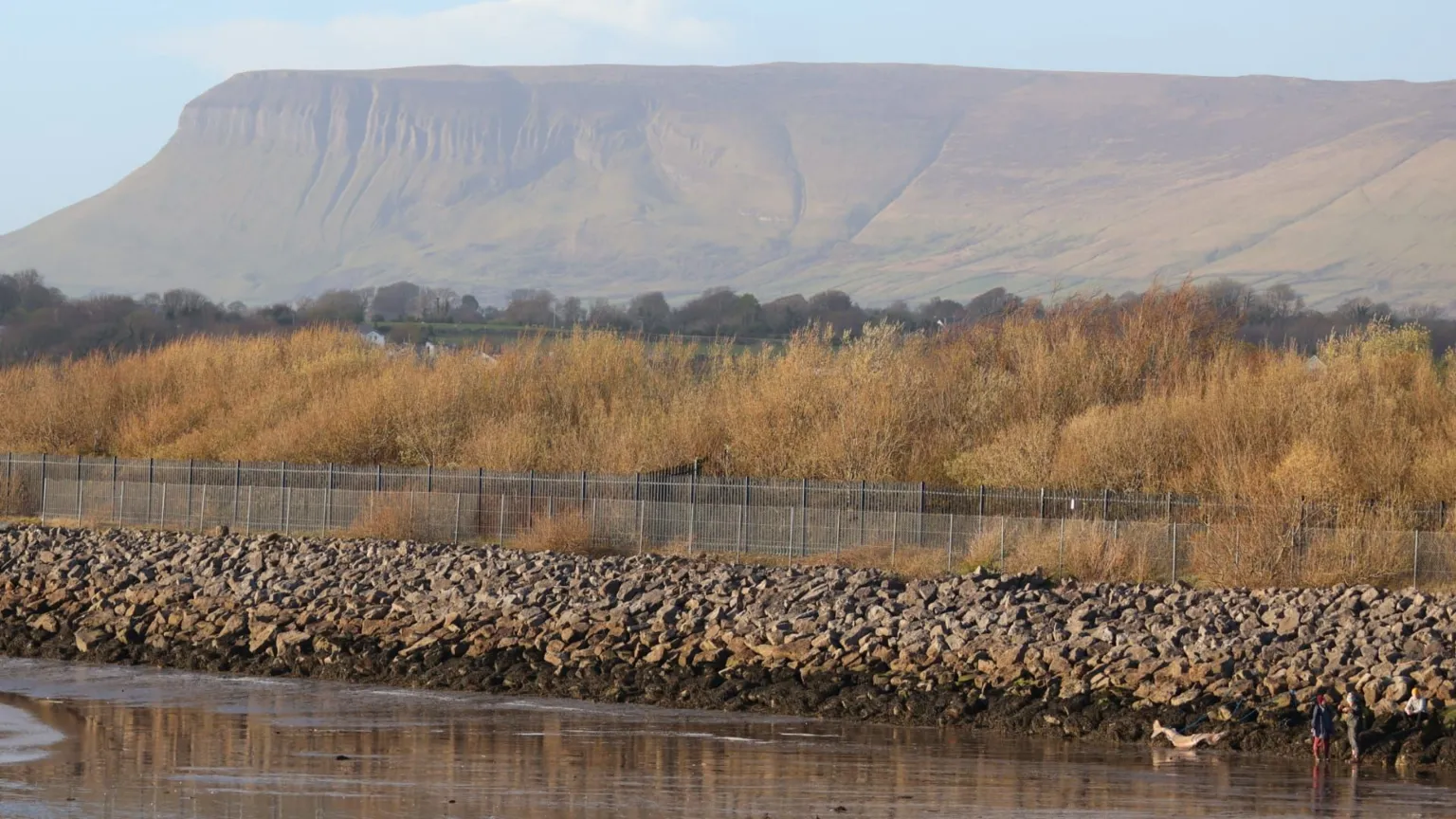
Preservation and Scientific Study
The specimen is now in the care of the Natural History Museum of Ireland (NHMI). A spokesperson for the NHMI told NI that the shark was located in a "difficult to access" area of the coast, requiring specialist equipment, including a crane, to lift it from the shore.
The NHMI plans to conduct a "detailed scientific post-mortem examination" to enhance understanding of this elusive deep-water species.
"Tissue samples and selected anatomical components are being preserved as part of the NHMI's scientific collections,"
the spokesperson added.
"Subject to the condition of the skin and its suitability for preservation, the National Museum hopes to display the specimen in the future, which would allow visitors to learn more about one of the world's most mysterious shark species,"
they said.


