Europe needs to 'lift sanctions on Russian energy immediately,' Hungary's Orbán says
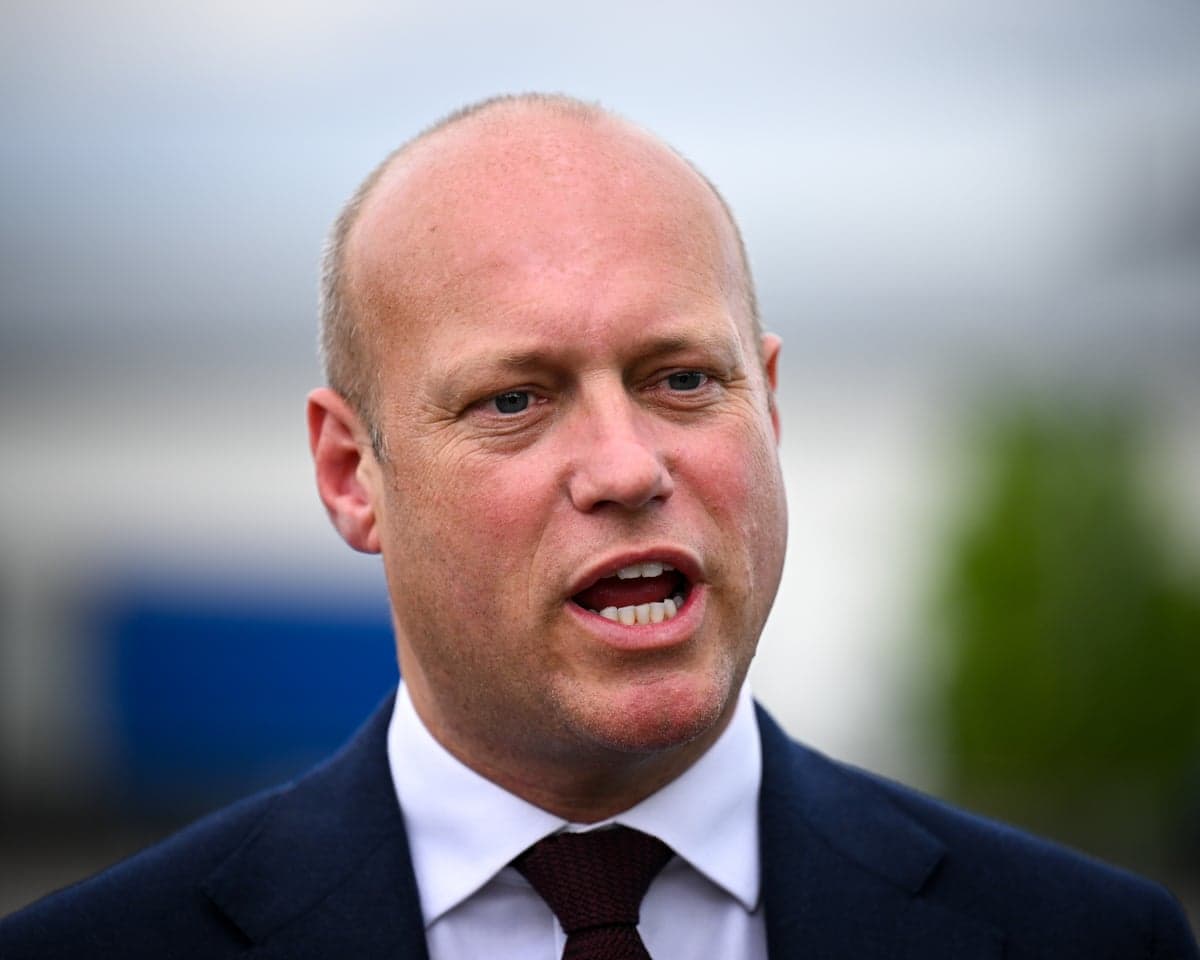
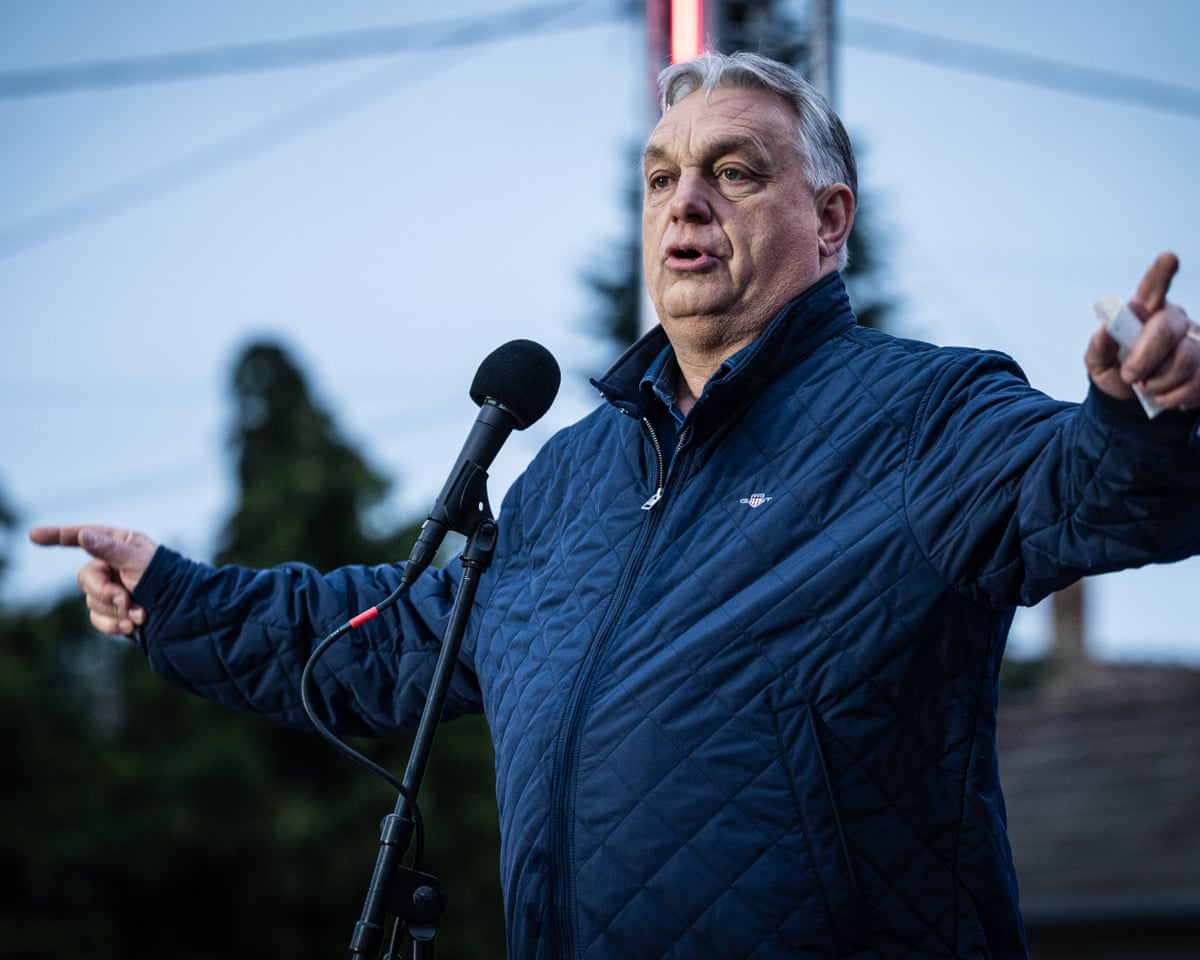
The Hungarian prime minister, Viktor Orbán, called for the immediate removal of sanctions on Russian energy to protect Hungary's economy from what he described as "one of the most severe economic crises in its history," a crisis he attributes to the ongoing conflict involving Iran.
Responding to Poland’s prime minister Donald Tusk’s recent warning that actions by Donald Trump and Orbán resemble a “Putin’s dream plan,” Orbán reinforced his stance advocating for a pro-Russian shift in the European Union’s policy.
"We must think not about Putin, but about our own country and our peoples. Instead of warmongering, love and save your country, Donald,"
Orbán's remarks came amid escalating tensions between him and Tusk, former political allies who have clashed over Orbán’s repeated efforts to block additional sanctions on Russia and restrict aid to Ukraine. Recent media reports have highlighted close ties between Orbán’s government and Moscow.
"Europe is heading toward one of the most severe economic crises in its history. The world is facing a serious energy crisis. Europe is in grave danger. The only way out is to lift the sanctions imposed on Russian energy. Immediately.
We must think not about Putin, but about our own country and our peoples. Instead of warmongering, love and save your country, Donald!"
Orbán’s statements come just ten days before a critical parliamentary election in Hungary, where polls indicate he may be replaced after 16 years in power amid increasing dissatisfaction with the country's economic situation and political leadership.
Closing summary
The Hungarian prime minister, Viktor Orbán, reiterated his call to "immediately" lift sanctions on Russian energy to protect Hungary from a severe economic crisis linked to the Iran conflict.
Earlier, Poland’s prime minister Donald Tusk warned that Donald Trump’s threats to dismantle NATO, a looming energy crisis in Europe, and Orbán’s efforts to block aid to Ukraine collectively resemble "Putin’s dream plan." Orbán responded by urging Tusk to focus on national interests rather than on Putin.
These developments occur just days before Hungary’s parliamentary elections, with Orbán facing criticism from other EU leaders over his pro-Russian policies.
In response to Orbán’s rhetoric, Ukraine launched a 24/7 online radio broadcast aimed at countering anti-Ukrainian propaganda in Hungarian, English, and Ukrainian.
Separately, French president Emmanuel Macron dismissed Donald Trump’s mocking remarks about his marriage as "neither elegant nor appropriate" and stated they did not warrant a response.
Trump had ridiculed Macron during a private event, mocking an incident from 2025 where Macron appeared to be pushed by his wife, Brigitte, and criticized NATO allies as "very bad," calling the alliance a "paper tiger." Macron condemned these comments for undermining the partnership.
Trump’s remarks also drew widespread criticism in France, including from Macron’s political opponents.
For tips or comments, contact jakub.krupa@the.com or follow on Bluesky @jakubkrupa.bsky.social and on X @jakubkrupa.
Ukraine starts online 'radio' to rebuke Orbán’s criticism 24/7 on loop
Ukraine’s foreign ministry has launched an online radio broadcast playing continuous messages in Hungarian, English, and Ukrainian to counteract Viktor Orbán’s frequent anti-Ukrainian rhetoric during Hungary’s election campaign.
"We reject manipulations regarding Ukraine, made on a regular basis by prime minister Orbán and his team. We condemn his consistent attempts to drag Ukraine into his domestic politics or electoral campaign. Ukraine has never meant and does not mean any harm to neighbouring Hungary.
We ask all Hungarians not to trust the toxic anti-Ukrainian propaganda coming from officials on a daily basis. We are doomed [sic!] to be good neighbours, members of the EU and Nato, not the Russian world.
Thank you for listening to the Hungarian Radio of Ukraine."
Heorhii Tykhyi, the ministry’s spokesperson, explained that Ukraine was "tired of reacting to each" of Orbán’s "absurd statements about Ukraine" and this broadcast is their response.
When informed that the word "doomed" was incorrect in the message, Tykhyi said it would be corrected but joked,
"Although in this case, maybe [we are] ‘doomed’"
Stolen 2,500-year-old Romanian gold helmet recovered after tricky search
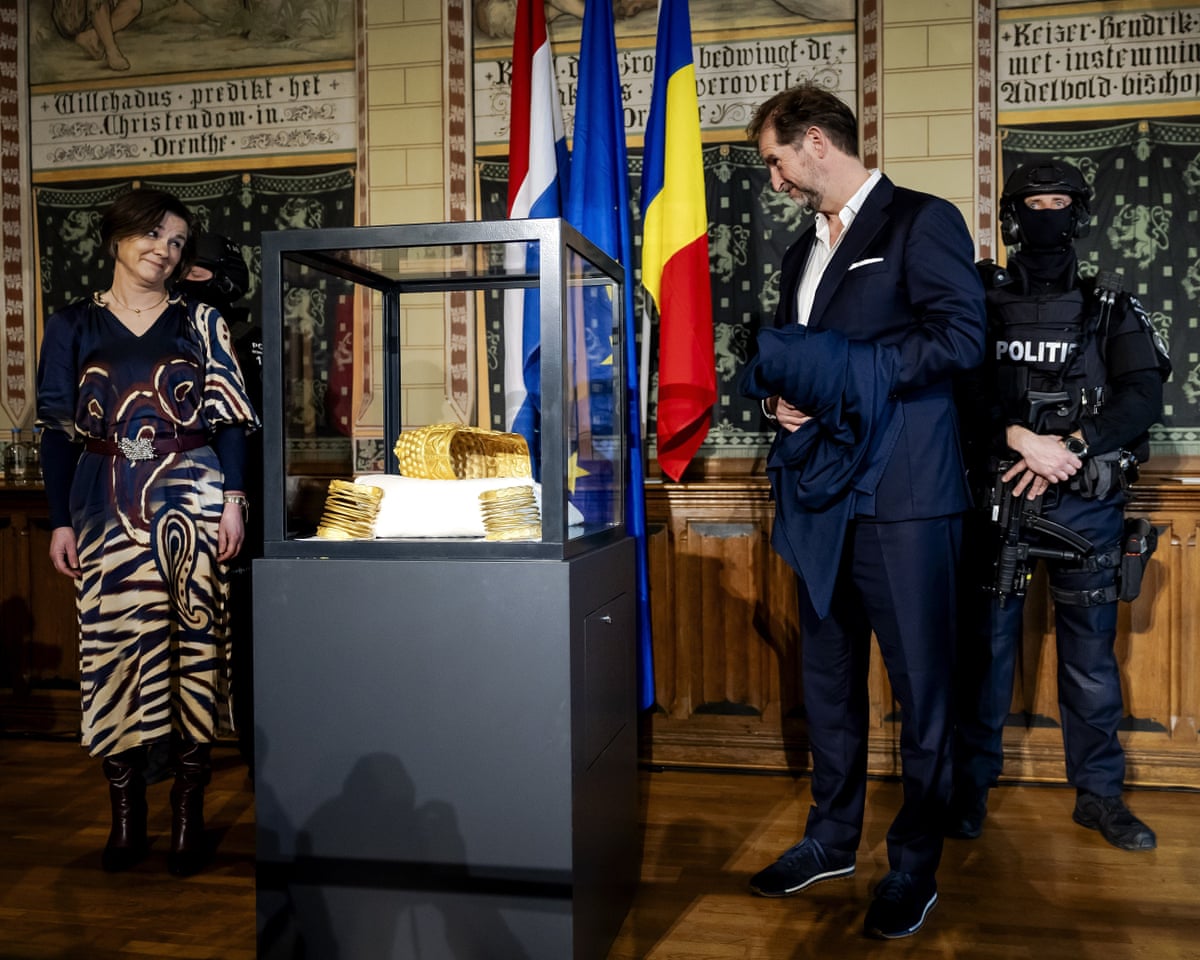
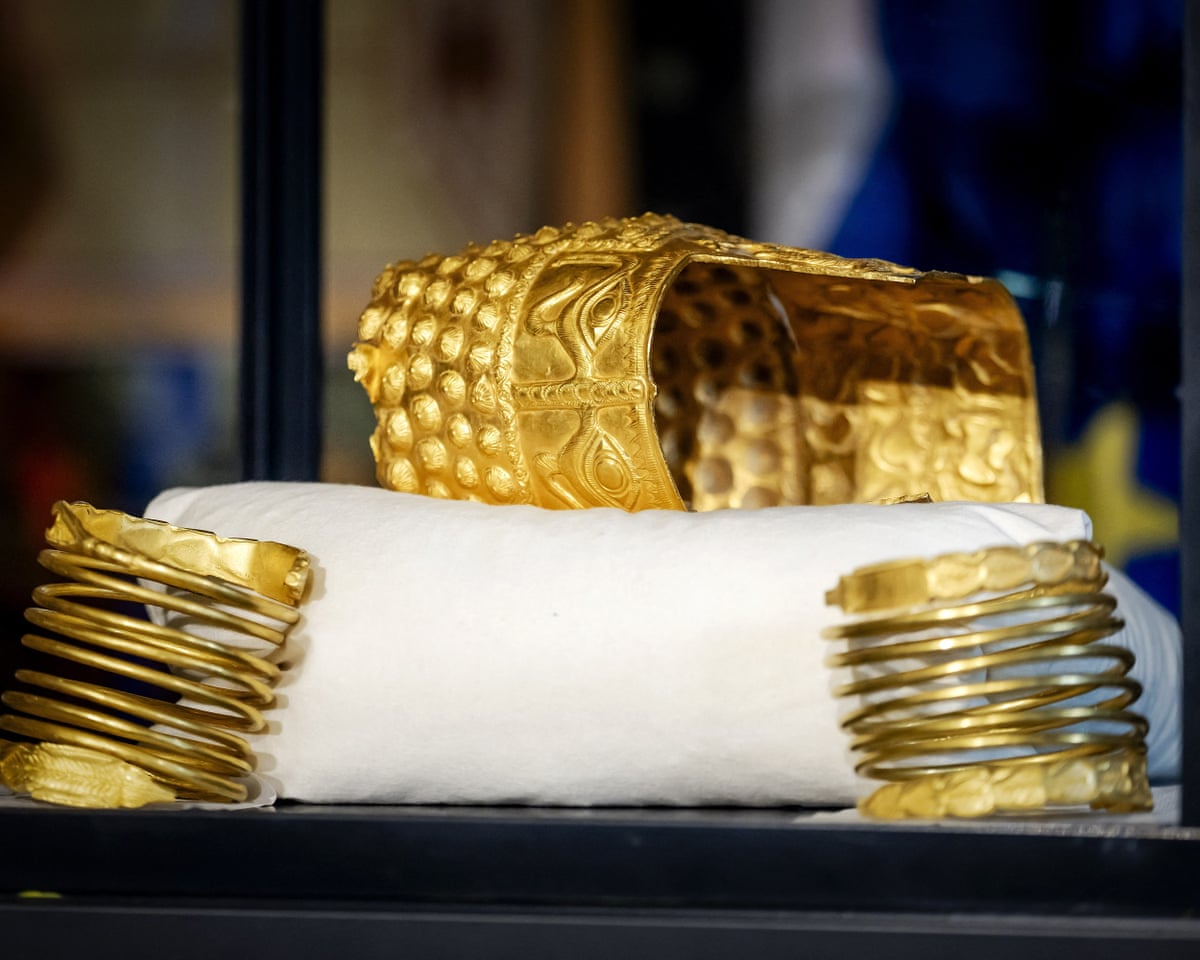
Dutch authorities announced the recovery of a priceless 2,500-year-old golden helmet from Romania, stolen last year from the Drents Museum in the Netherlands.
During a news conference in Assen, eastern Netherlands, prosecutors revealed the Coțofenești helmet, a cultural icon of Romania, which had been stolen alongside other artifacts during a robbery involving firework bombs used to break into the museum.
The theft caused significant concern in the art world. Dutch authorities, under pressure from Romania, made multiple attempts to locate the stolen items, including offering reduced sentences and financial incentives to suspects.
Three men are currently on trial for the theft but have largely remained silent.
Art detective Arthur Brand commented,
"It’s amazing. It’s the best news we could have got."
Austria says it denied US requests for military overflights as part of Iran operations
Austria confirmed it denied all US requests for military overflights related to the Iran conflict, a move that may provoke US President Donald Trump’s displeasure.
Col Michael Bauer, a defence ministry spokesperson, told AFP,
"There have indeed been requests and they were refused from the outset,"
adding that requests involving countries at war are routinely denied.
France steps up security measures after foiled attack on Bank of America offices in Paris
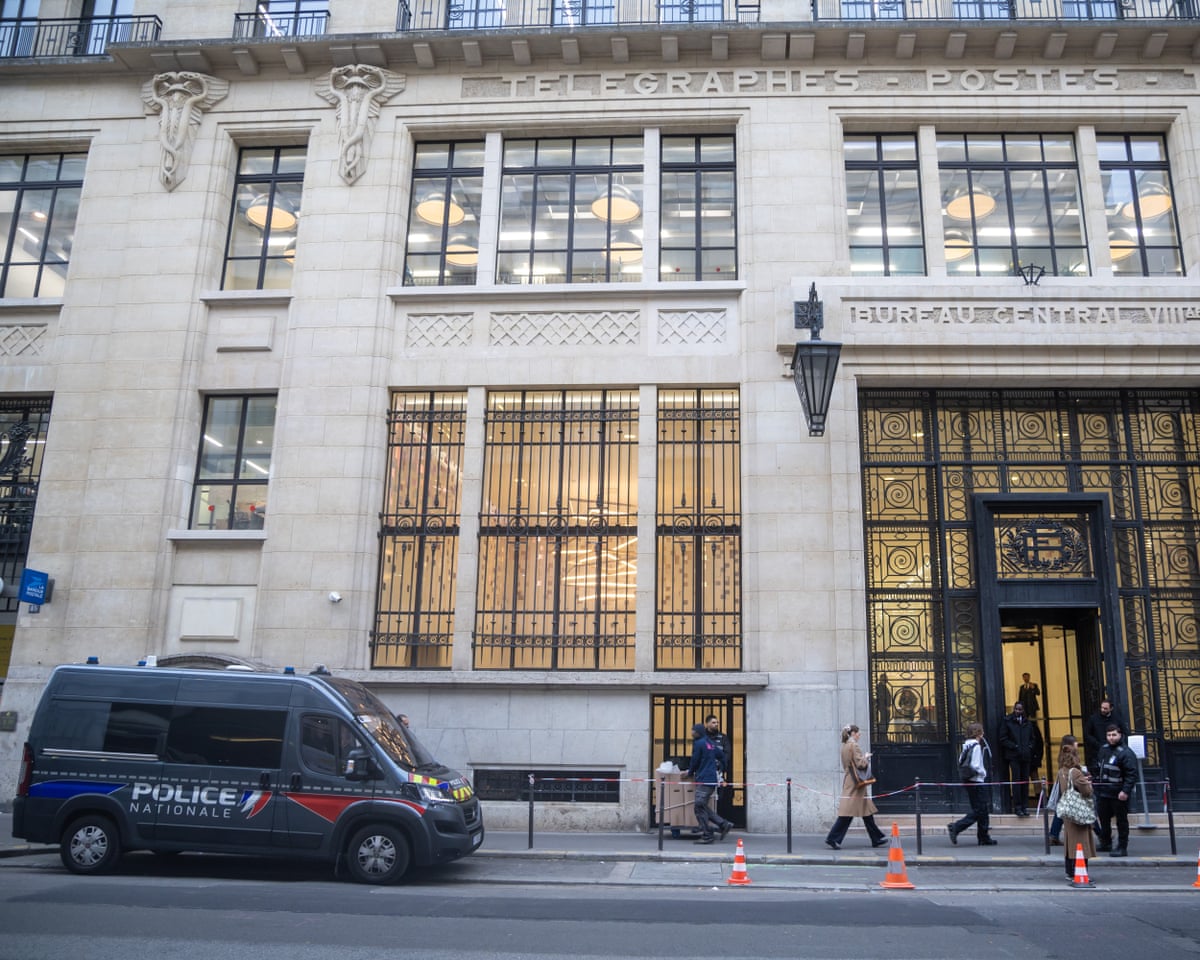
French authorities have increased security across Paris amid heightened international threats, following a foiled attack on Bank of America offices on 28 March.
Police reinforced protection around religious, cultural, diplomatic, and economic sites. Four individuals, including one adult and three minors, have been charged and placed in pre-trial detention related to the incident.
The adult suspect claimed to have received the explosive device via a social network intermediary.
The device, consisting of a five-litre petrol can taped to a large pyrotechnic charge with a 650-gram active-material cylinder, was described by the anti-terrorism prosecutor’s office as the most powerful of its kind ever identified in France, capable of producing a large fireball.
The National Counterterrorism Prosecutor’s Office (PNAT) suggested the attack might be linked to a little-known Islamist group with possible Iranian connections, though no definitive link has been established.
Police presence remains heightened throughout the Paris metropolitan area to prevent further threats.
Following the incident, Goldman Sachs staff in Paris and Citigroup staff in Paris and Frankfurt worked from home as a precaution.

Czech Republic joins countries adopting measures to limit fuel price rises
The Czech government announced measures to cap fuel retailers’ margins and reduce excise taxes to mitigate rising fuel prices, Prime Minister Andrej Babiš stated.
This move aligns the Czech Republic with other European nations such as Poland and Spain that have implemented similar policies in response to the Middle East conflict and increasing oil prices.
Babiš criticized the lack of coordination among Central European countries, which has led to inconsistent measures.
Slovakia recently proposed restricting petrol sales to foreign drivers to combat "petrol tourism," a move the European Commission warned could violate EU laws.
EU internal market spokesperson Siobhan McGarry emphasized that support measures should not discriminate based on nationality or undermine the internal market’s integrity.
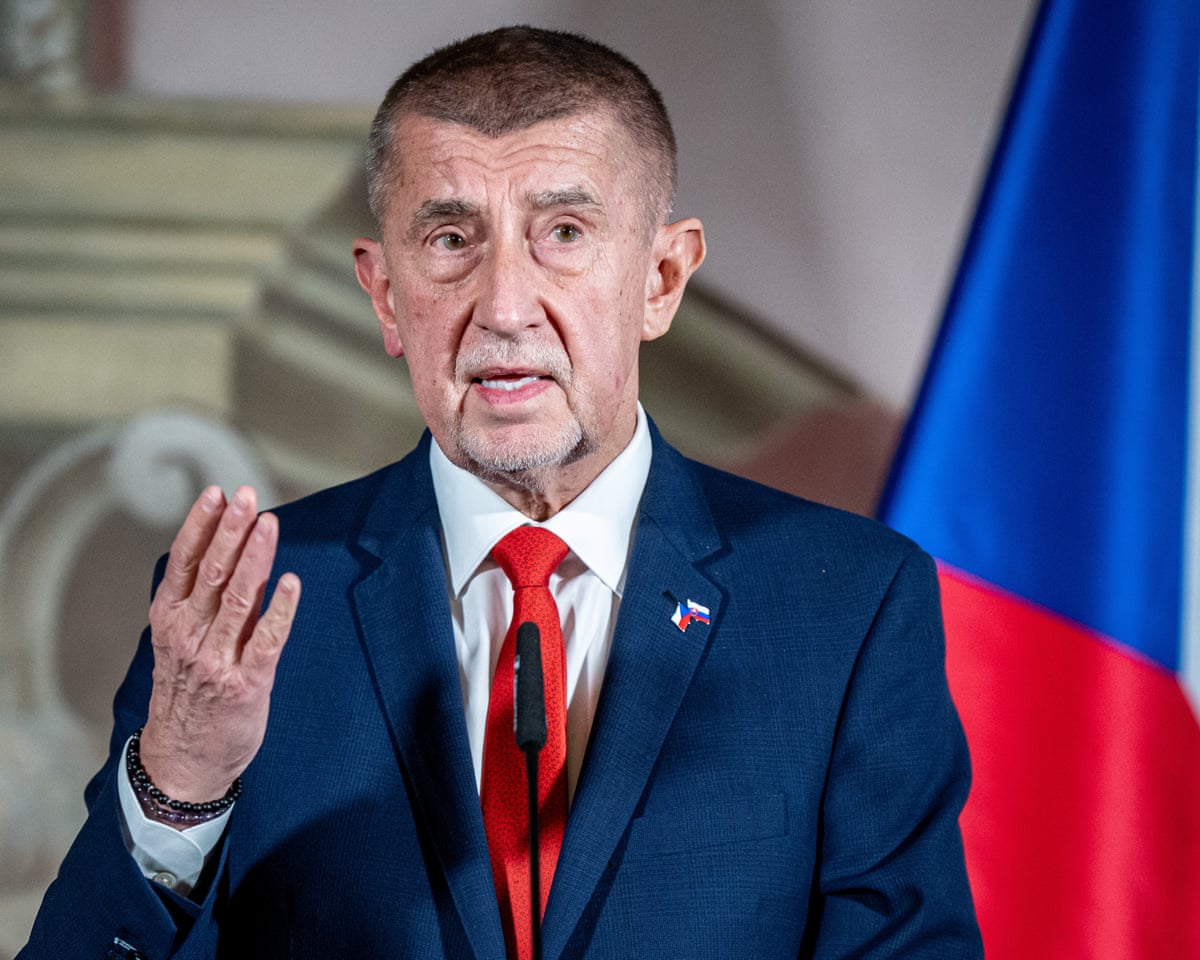
France's Macron pushes back at Trump's comments on Nato
French President Emmanuel Macron defended NATO’s value, warning that repeated doubts about US commitment undermine the alliance’s foundation.
"I believe that organisations and alliances like NATO are defined by what is left unsaid – that is, the trust that underpins them, and that has often been the case, incidentally, with military and strategic matters. If you cast doubt on your commitment every day, you erode its very substance,"
Macron urged leaders to be serious and consistent in their support, stating,
"We need to be serious, and if you want to be serious, you don’t go around saying the opposite of what you said the day before. I think there is too much talk."
He also described a military operation to force open the Strait of Hormuz as unrealistic and called for renewed dialogue to resolve the conflict.
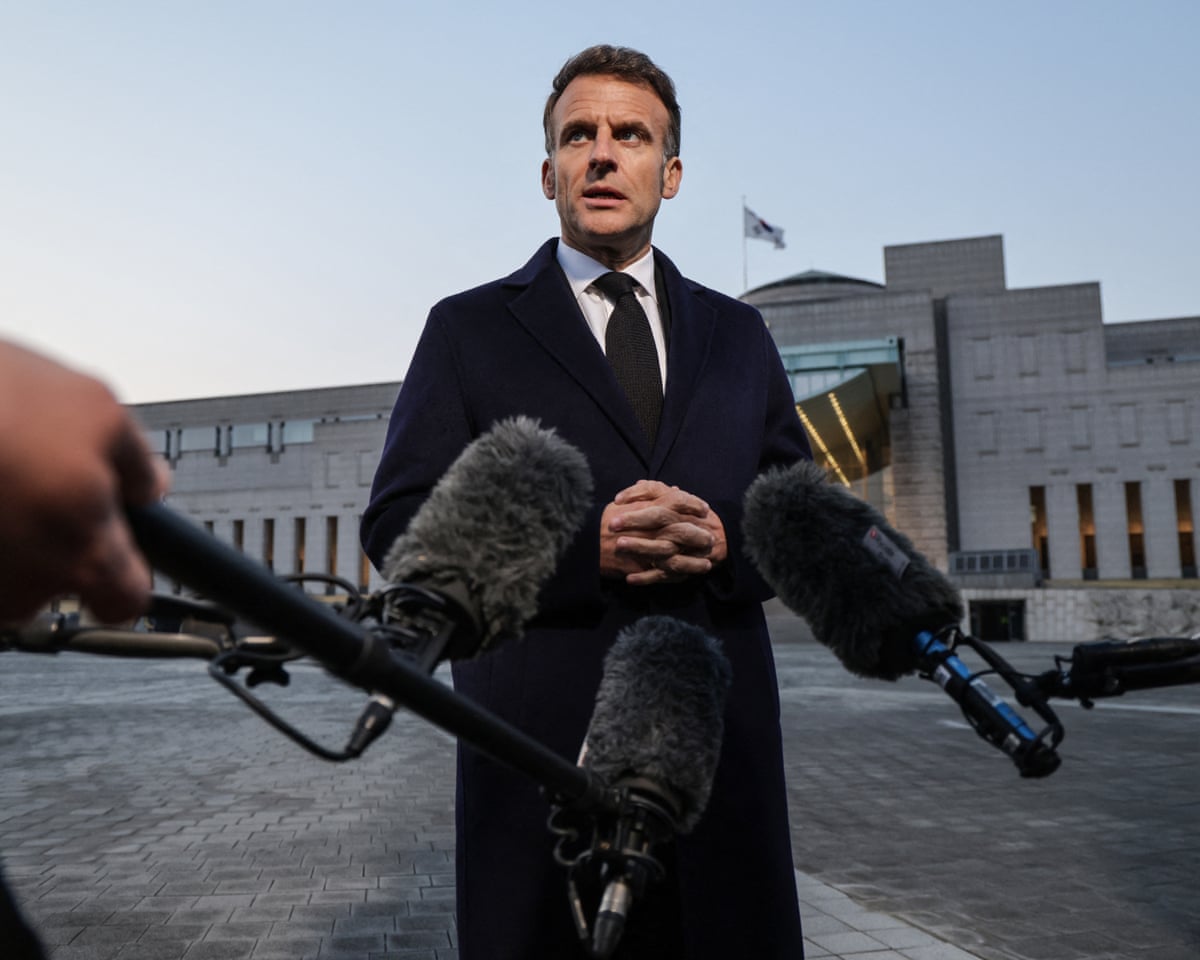
Trump's mocking jibes 'neither elegant nor appropriate,' Macron says
During a visit to South Korea, Macron dismissed Donald Trump’s mocking comments about his marriage as "neither elegant nor appropriate" and stated they did not warrant a response.
Macron emphasized the need for de-escalation, a ceasefire, and resumption of negotiations to address the ongoing regional conflict and its global impacts, including rising energy prices.
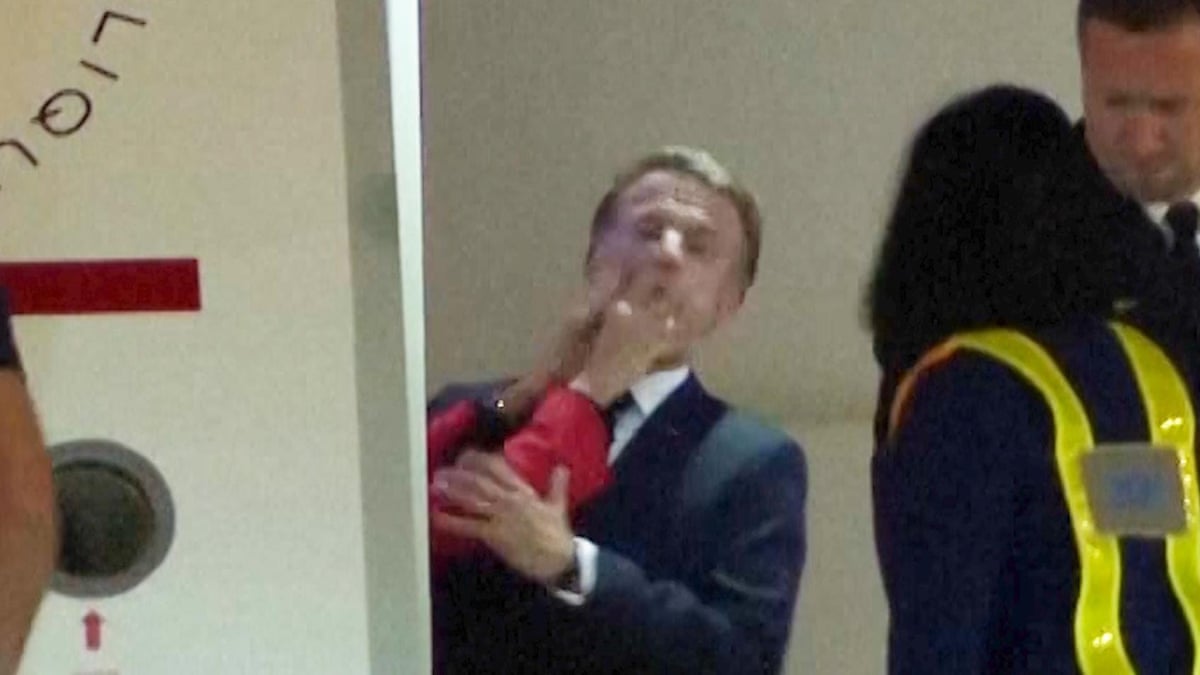
Trump's mockery of Macron sparks anger in France
Donald Trump’s remarks about Macron provoked outrage in France, with politicians across the spectrum condemning the US president’s behavior.
Yaël Braun-Pivet, president of France’s lower house of parliament, criticized Trump’s conduct, stating,
"Honestly, it’s not up to par. We are currently discussing the future of the world. Right now in Iran, this is having consequences for the lives of millions of people, people are dying on the battlefield, and we have a president who is laughing, who is mocking others."
Manuel Bompard, coordinator of the hard-left France Unbowed party, also defended Macron, saying,
"You are aware of the extent of my disagreements with the president, but for [Trump] to speak to him like that and to speak of his wife in such a manner – I find that absolutely unacceptable."
Nato threats, energy crisis and Orbán’s veto on Ukraine aid 'all look like Putin's dream plan,' Poland's PM says
Poland’s prime minister Donald Tusk warned that Donald Trump’s threats to break up NATO, a looming energy crisis in Europe, and Viktor Orbán’s blocking of aid to Ukraine collectively resemble "Putin’s dream plan."
"The threat of Nato’s break-up, easing sanctions on Russia, a massive energy crisis in Europe, halting aid for Ukraine and blocking the loan for Kyiv by Orbán - it all looks like Putin’s dream plan."
Tusk also criticized Orbán and his foreign minister Péter Szijjártó following media reports alleging close ties between Hungary’s government and Russia.
Lithuania set to request legal assistance from US to help with its Epstein investigation
Lithuanian prosecutor general Nida Grunskienė announced plans to request legal assistance from the United States as Lithuania continues its pre-trial investigation into potential human trafficking offenses linked to Jeffrey Epstein’s correspondence.
The investigation began in February after concerns arose in several Central and Eastern European countries about alleged connections between Epstein’s associates and the region. Latvia and Estonia have also initiated separate inquiries.
Grunskienė reported that prosecutors have interviewed around 20 individuals but have not identified any victims to date.
"Information is being gathered and analysed, and we are preparing to send a request for legal assistance to the United States,"
she said.
Trump questions value of Nato, mocks France's Macron in separate private lunch remarks
Although Donald Trump did not mention NATO in his main address to the nation, a video briefly posted on the White House YouTube channel revealed private remarks made during a lunch where he questioned NATO’s value.
Trump suggested that the Iran conflict demonstrated that NATO "won’t be there if we ever have the big one," though it was unclear whether "the big one" referred to Russia or China.
"If we ever have the big one – hopefully we won’t, [our] relationship is very good with the big one, better than with Nato – but they won’t be there."
He criticized "very bad" NATO allies and called the alliance a "paper tiger," lamenting their lack of support during the Iran conflict.
Trump also mocked French President Emmanuel Macron, referencing a 2025 incident where Macron appeared to be pushed by his wife, Brigitte, and ridiculed Macron’s English accent.
These remarks, made at a private event and not intended for public release, provide insight into Trump’s views on NATO and European allies.
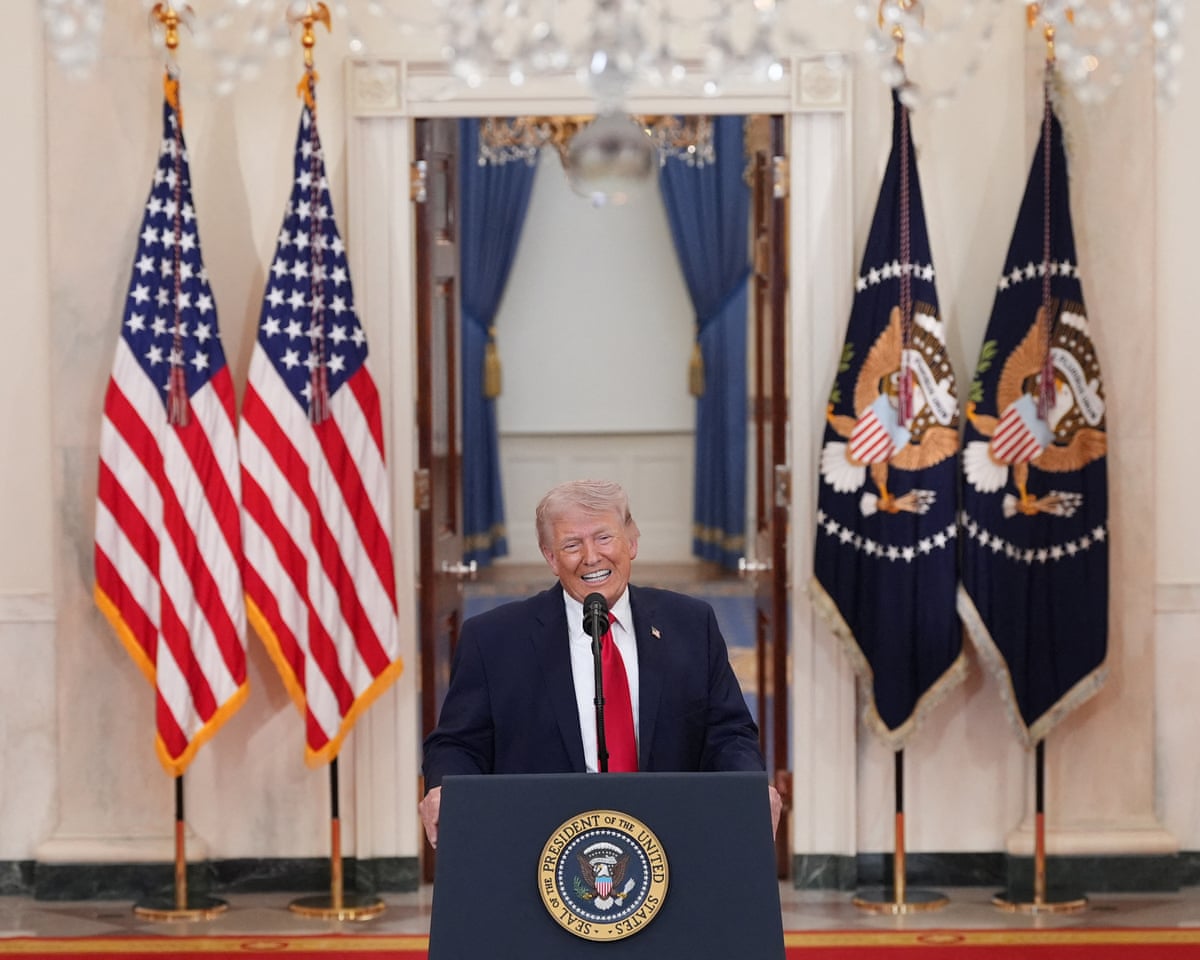
Morning opening: Much ado about nothing
Despite escalating concerns about Donald Trump’s rhetoric on NATO and suggestions of further actions, his prime-time address to the nation did not include any mention of NATO.
Whether influenced by diplomatic interventions or upcoming visits by NATO officials, Trump focused his speech on declaring the month-long Iran conflict a success "nearing completion," despite ongoing turmoil and fractured alliances.
While some alarm remains over Trump’s comments, doubts persist about whether he intends or is able to follow through on threats to leave NATO.
Julian Borger of noted that any formal attempt to exit NATO would likely trigger a constitutional crisis, potentially reaching the US Supreme Court, which has historically sided with the executive in foreign policy matters.
Ruth Deyermond, senior lecturer at King’s College London, cautioned that challenges to the alliance extend beyond the Trump administration, stating,
"This is wishful thinking. The failure to understand the importance of the alliance for US security and the taking of allies for granted isn’t unique to the Trump administration."
This report will continue to provide European reactions to Trump’s speech and other continental developments.
It is Thursday, 2 April 2026. This is Jakub Krupa with Europe Live.