

Kremlin 'impressed' by Bulgarian election winner Radev's call for pragmatic dialogue with Moscow
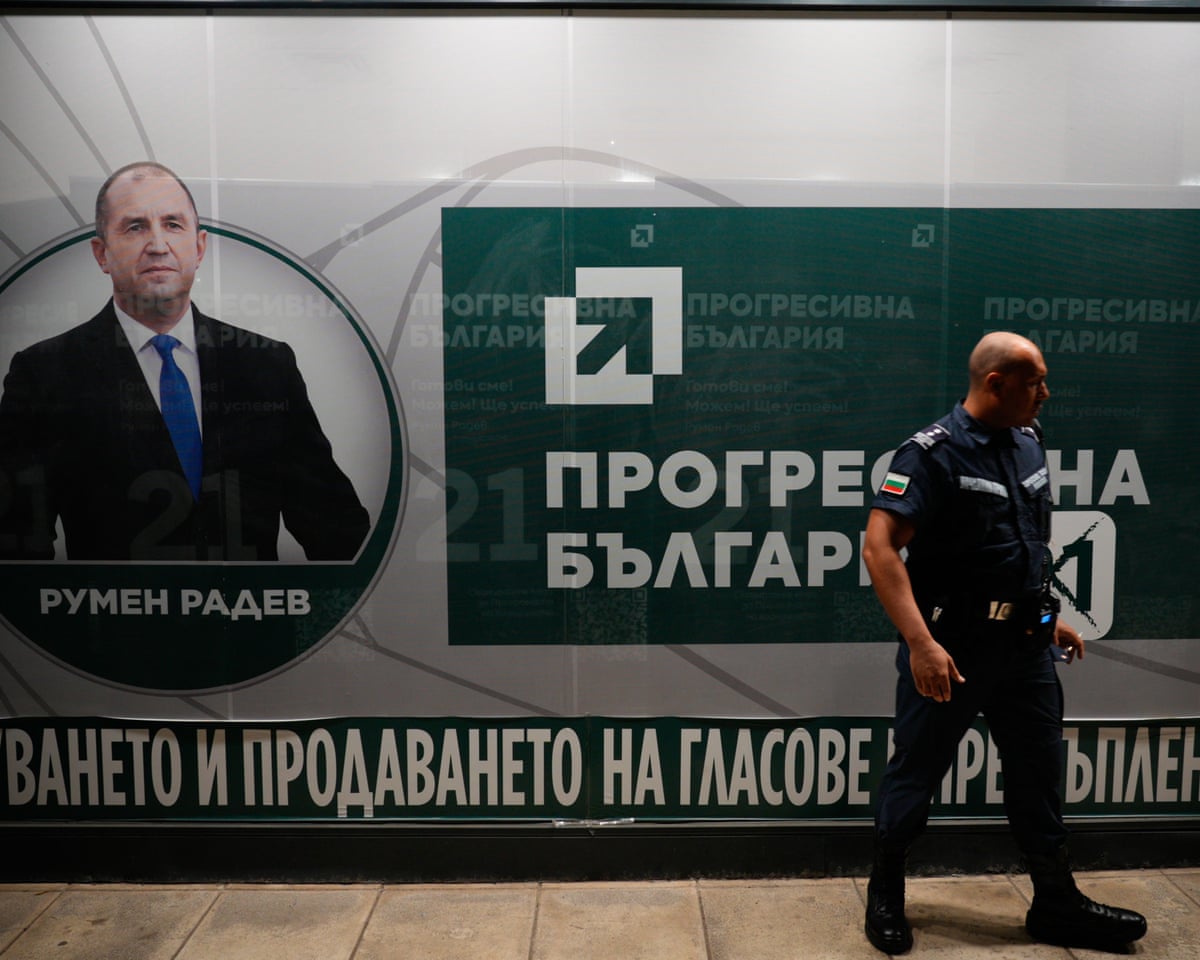
Following the Bulgarian parliamentary elections held last night, the Kremlin expressed its approval of Rumen Radev’s remarks advocating for pragmatic dialogue with Moscow, according to .
In statements reported by AFP, Kremlin spokesperson Dmitry Peskov said:
“Of course, the words of Mr Radev ... as well as some other European leaders about their readiness to resolve problems through dialogue, appeal to us.”
During his campaign, Radev emphasized the necessity of closer engagement with Russia, raising questions about his prospective government’s stance toward Moscow, particularly concerning energy imports.
Contrasting with some cautious reactions, European Council President António Costa publicly congratulated Radev on his electoral success.
In a social media message, Costa stated:
“Congratulations to Rumen Radev on your outright victory in yesterday’s legislative elections in Bulgaria. It is a pleasure to welcome you back to the European Council. As conveyed in our phone call this morning, I look forward to working together with you in the #EUCO on our shared agenda for a prosperous, autonomous and secure Europe. I wish you all the best in your new function.”
As far as available information indicates, Costa is the first European Union leader to publicly congratulate Radev on his victory.
When questioned about the European Commission’s position regarding Bulgaria and the new government’s potentially complex relationship with Russia, Commission spokesperson Olof Gill refrained from commenting at this stage.
“My understanding is that votes are still being counted, therefore it would not be appropriate for me to offer any comment at this point,” Gill said.
EU praises 'extremely constructive' early talks with incoming Hungarian government
The European Commission provided an update following recent preliminary discussions with Hungary’s incoming government.
Deputy Chief Spokesperson Olof Gill described the meetings as “extremely constructive and positive in tone.”
He added that these talks represent “a very useful starting point for the necessary work that needs to happen, particularly in order to unblock funds for the benefit of the Hungarian people.”
When asked about the new Hungarian government’s position on ongoing issues, Gill declined to provide further details but remarked:
“The point here is that we are engaging with the incoming Hungarian government to move forward on a range of issues that for too long have been blocked.”
Regarding reported progress on restoring oil deliveries via the Druzhba pipeline, Gill noted that the Commission has attempted to act as a coordinator and mediator to advance the matter.
Government crises loom in Romania and Slovenia
Political instability appears imminent in Romania and Slovenia in the coming days and weeks.
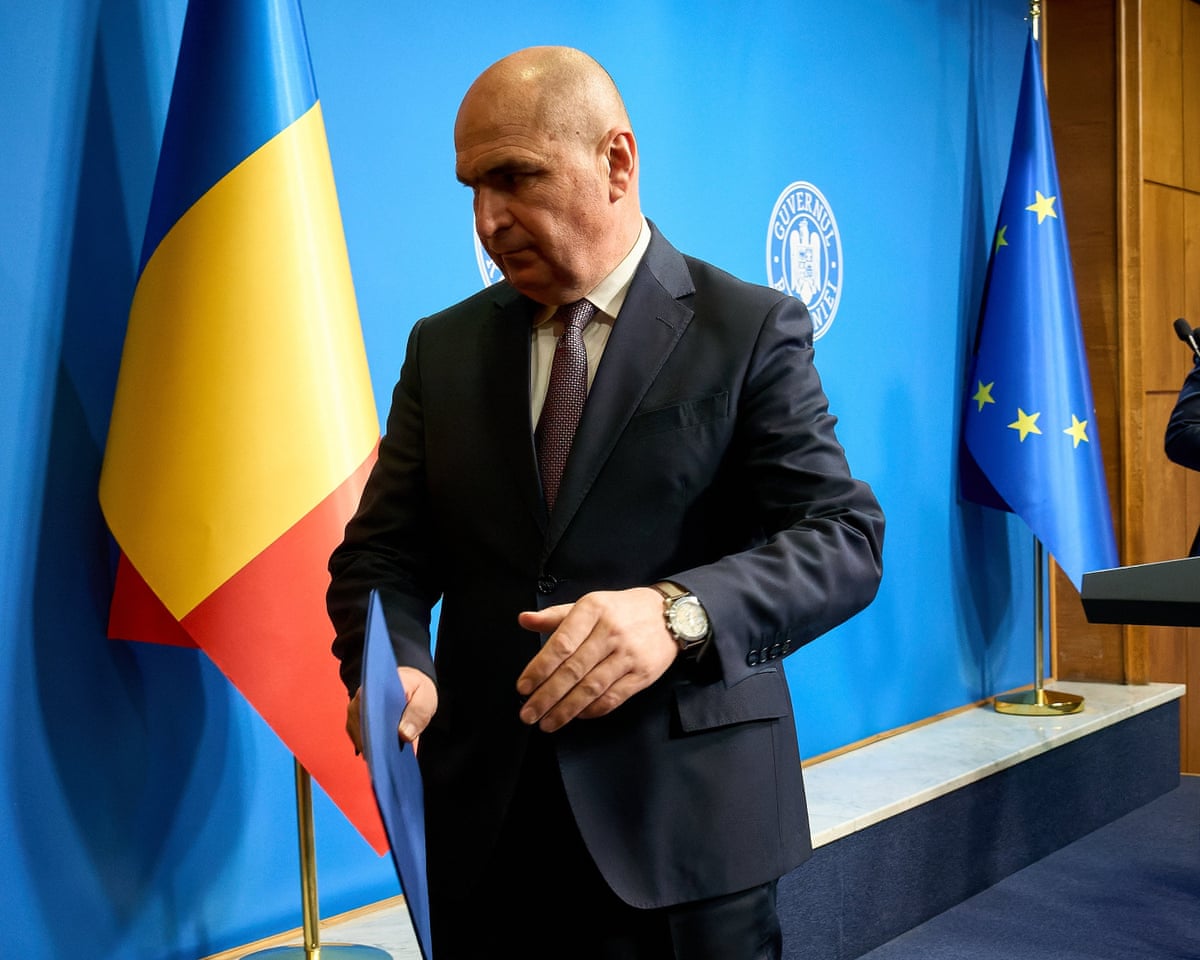
reported that Romania’s Social Democrats are expected to withdraw support from Prime Minister Ilie Bolojan’s liberal government, potentially triggering months of instability that could affect national debt, credit ratings, and EU fund disbursements.
Bolojan’s coalition, formed ten months ago by four pro-European parties to prevent the rise of the far-right, has been marked by frequent disagreements over reform policies.
With Bolojan refusing to resign, the Social Democrats plan to remove their six ministers from the cabinet later this week, which would leave the coalition without a parliamentary majority.
An early election is likely to result in a decisive victory for the far-right Alliance for Uniting Romanians.
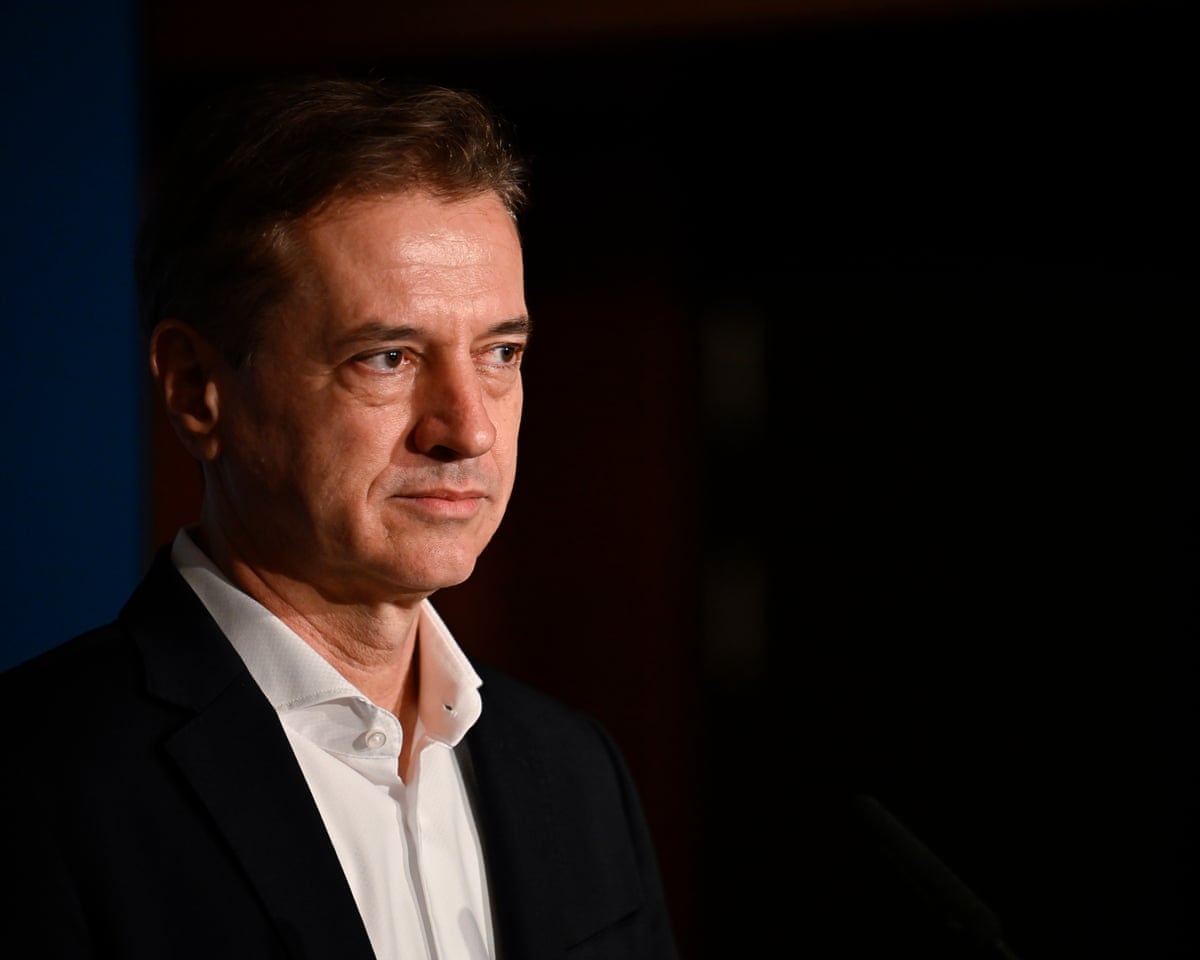
In Slovenia, outgoing Prime Minister Robert Golob, whose party narrowly won last month’s parliamentary elections, announced his failure to form a government and his intention to serve in opposition.
Golob stated he was unable to secure a coalition partner among centre-right parties.
This development opens the possibility for runner-up Janez Janša, known for his close ties to former US President Donald Trump, to return as Slovenia’s Prime Minister, AFP reported.

Radev's win raises tricky questions for younger voters amid concerns about his EU policy
Correspondent Eden Maclachlan reported from Sofia over the weekend that younger Bulgarian voters remain skeptical of Radev’s platform, raising concerns about his potential role as a challenging partner within the European Union, akin to Hungary’s Viktor Orbán.
Radev, often compared to Orbán, led the polls supported predominantly by older, rural voters who hope he will dismantle what he terms an “oligarchy” of entrenched politicians.
However, younger voters such as Aleksandar Tanev, a 22-year-old law student, do not view Radev as a credible alternative. Tanev criticized Radev for being part of the existing political model and noted that as president, Radev had opportunities to combat corruption but did not act decisively.
Dimitar Keranov, a Bulgarian fellow at the German Marshall Fund’s European Resilience Programme in Berlin, observed a generational divide among voters.
“I don’t think [Radev] would be a straightforward vote for young Bulgarians, because I think he represents the same status quo young Bulgarians would like to see dismantled,” he said. “He’s representing the same old guard or the usual political elite.”
A victory for Radev’s Progressive Bulgaria (PB), a left-leaning but Moscow-friendly coalition, could pose challenges for Brussels and its allies, especially following Orbán’s electoral defeat.
On Wednesday, addressing concerns over rising living costs, Radev criticized the previous government’s decision to adopt the euro without consulting voters.
“And now, when you pay your bills, always remember which politicians promised you that you would be in the ‘club of the rich’,” he said.
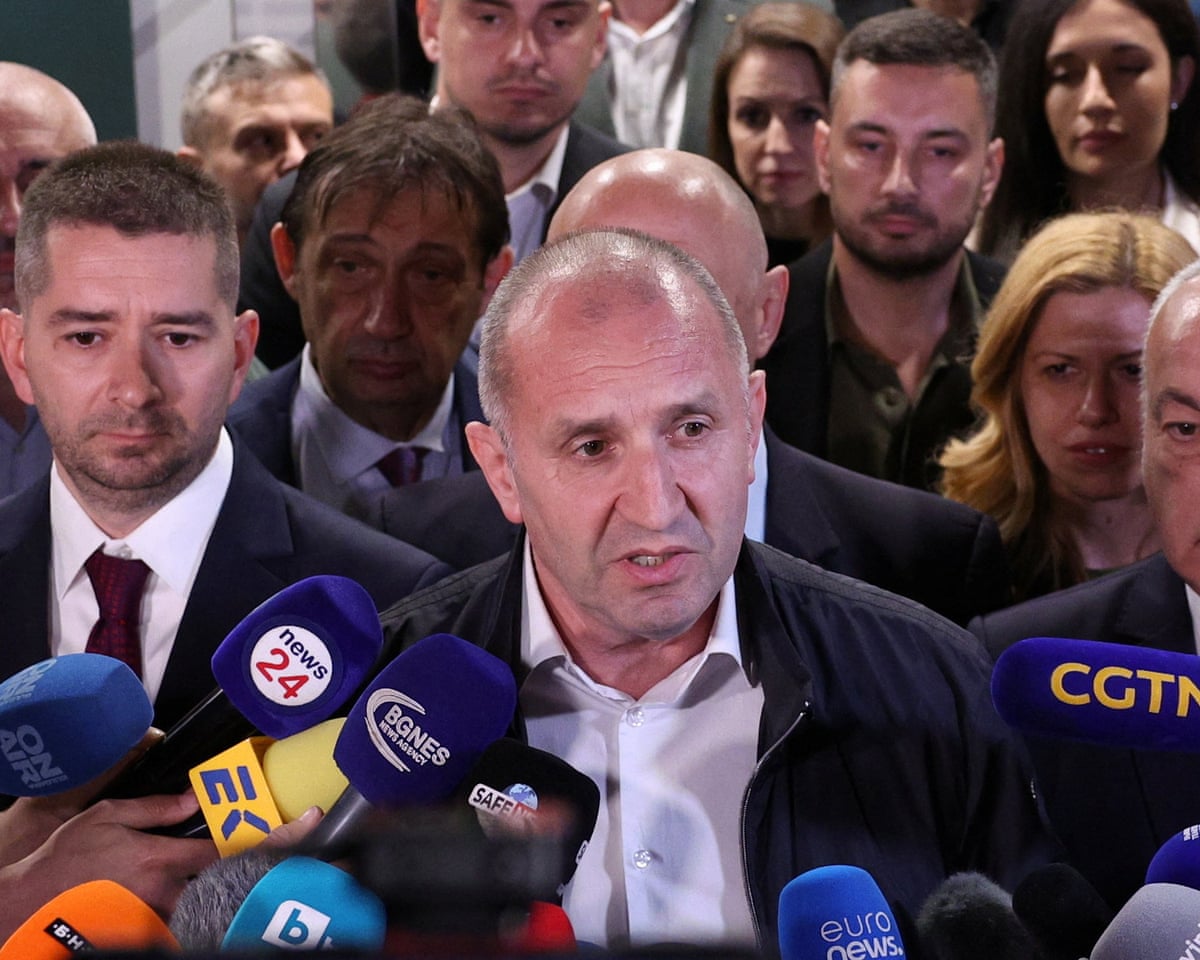
'Europe has fallen victim to its own ambition to be moral leader,' Bulgarian election winner Radev says
With over 91% of votes counted, results confirm that Radev’s coalition will hold an absolute majority in the new parliament, projected to secure approximately 130 of the 240 seats.
AFP noted that this landslide marks the first outright parliamentary majority for a single formation in Bulgaria since 1997, when a centre-right, pro-European group won.
Radev signaled potential future tensions by stating:
“A strong Bulgaria and a strong Europe need critical thinking and pragmatism.”
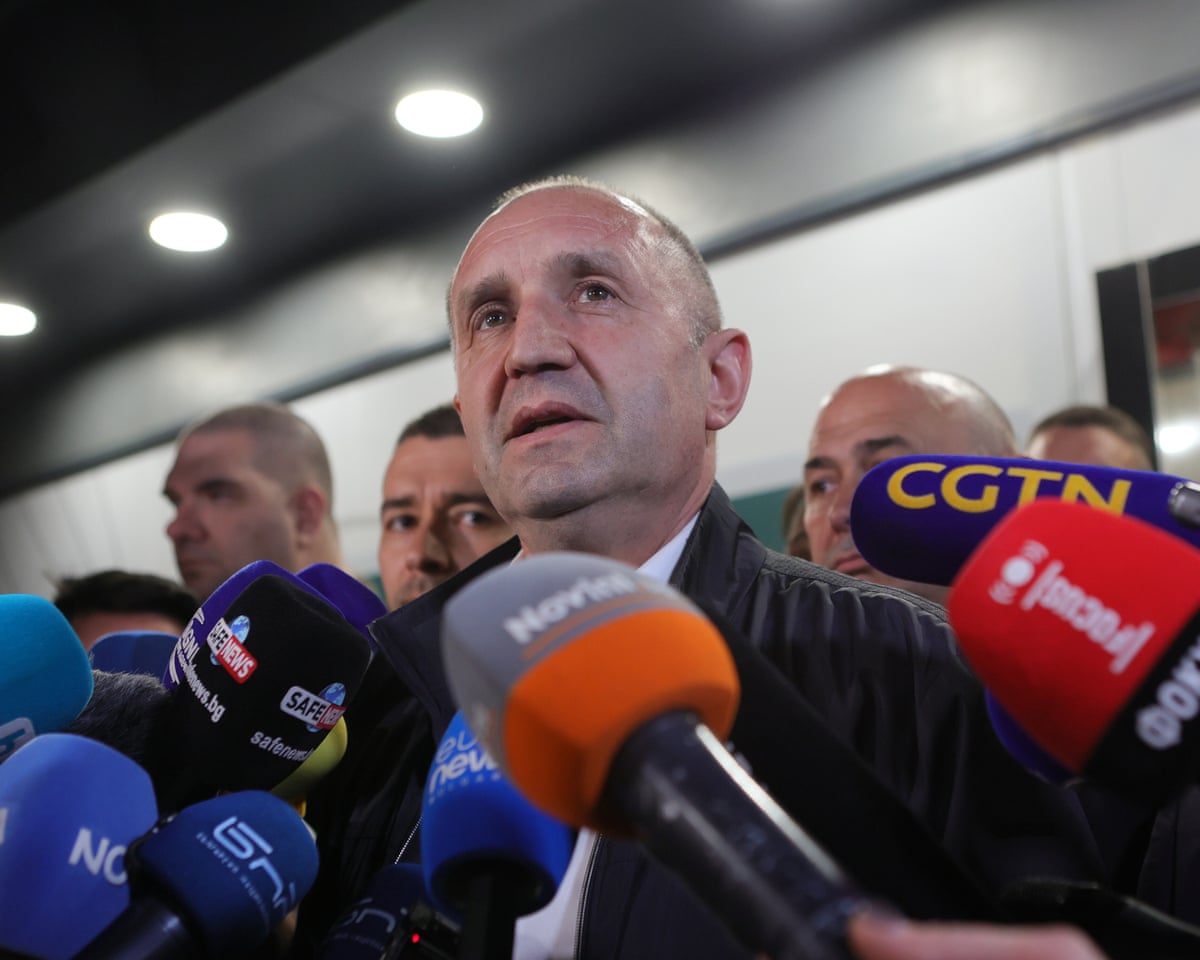
“Europe has fallen victim to its own ambition to be a moral leader in a world with new rules,”
He made these remarks to reporters, though the practical implications remain to be seen.
Morning opening: Eighth time is the charm
Rumen Radev, former Bulgarian president and a known critic of the European Union who has advocated for renewed relations with Russia, described his election victory on Sunday as a “victory of hope” after his Progressive Bulgaria coalition topped the eighth parliamentary election held in five years.
Polling agencies projected that Progressive Bulgaria would receive about 44% of the vote, granting them an absolute majority with at least 129 seats in the 240-seat parliament.
Partial results this morning, with over 80% of votes counted, align broadly with these projections, raising hopes for a stable government in Bulgaria.
However, international enthusiasm appears muted compared to a week ago, with no European leaders yet publicly congratulating Radev.
Radev served as Bulgaria’s president from 2017 to 2026 and is known for his Euroscepticism, frequently opposing increased military support for Ukraine amid ongoing Russian aggression, prompting concerns that he could become a challenging partner in the European Council similar to Hungary’s Viktor Orbán.
His immediate focus is expected to be on domestic reforms and combating corruption, while his foreign policy direction remains to be clarified. On Sunday, he affirmed Bulgaria’s intention to continue its European path following its recent entry into the eurozone.
Additional developments include French President Emmanuel Macron’s scheduled visit to Poland to meet Prime Minister Donald Tusk and Nobel laureate Lech Wałęsa, former leader of the Solidarity movement.
Meanwhile, Brazilian President Luiz Inácio Lula da Silva is in Germany for discussions with Chancellor Friedrich Merz, focusing on trade and other issues.
Hungarian Prime Minister Viktor Orbán also indicated that Ukraine might resume oil deliveries through the Druzhba pipeline as early as today. This issue has been central to strained Hungarian-Ukrainian relations recently, and Orbán suggested he might lift Hungary’s blockade on the EU’s €90 billion loan to Ukraine even before Péter Magyar assumes office in early May.
Updates on these developments will continue to be monitored and reported.
It is Monday, 20 April 2026. Jakub Krupa reporting for Europe Live.


