

Army Called to Remove Vehicles Blocking Roads Amid Fuel Protests
The Irish Defence Forces have been requested to assist in removing vehicles blocking roads during ongoing fuel protests in the Republic of Ireland. The protests, which have caused significant disruption, are in response to rising fuel prices linked to the conflict involving the US and Israel against Iran.
Jim O'Callaghan, the Irish Minister for Justice, confirmed the deployment of the military to alleviate blockages affecting "critical infrastructure." He warned vehicle owners that any damage incurred during removal by the Defence Forces should not be a cause for complaint.
"The blocking of critical national infrastructure will not be permitted to continue and the assistance of the Defence Forces has been requested.
Large vehicles blocking critical infrastructure will be removed. Owners of those vehicles should remove them immediately this morning and should not complain later about any damage caused to those vehicles during removal.
Denying people access to fuel and clean water is an unacceptable interference in the most basic of human rights."
Travel disruptions are expected to continue for a third consecutive day as slow-moving convoys protest against the high cost of fuel. The Gardaí (Irish police) have the authority to request military assistance, which was issued overnight to address the situation.
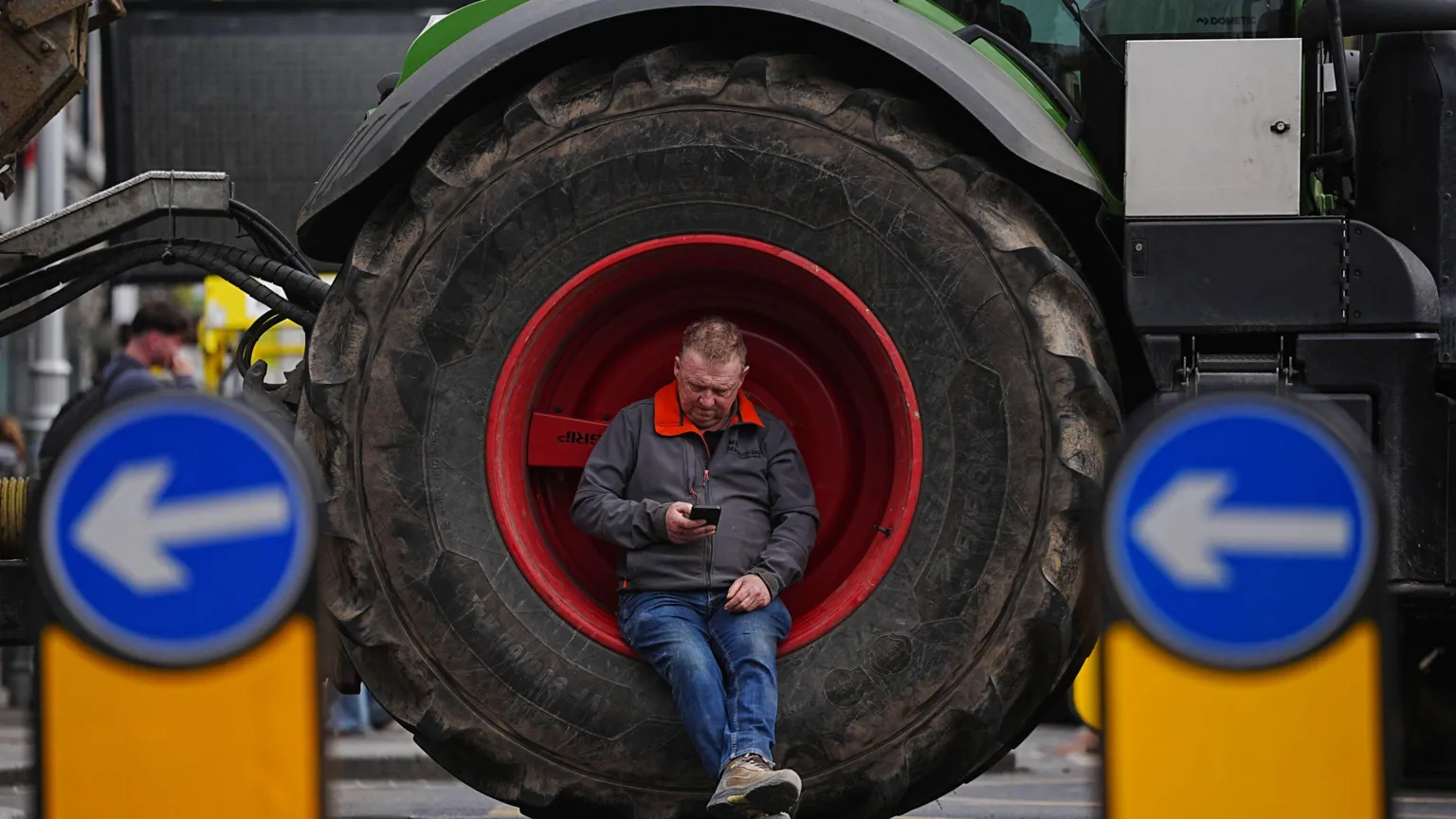
Widespread Disruption Across Dublin and Other Urban Areas
Blake Boland, a spokesperson for Dublin Bus, described the disruption on Thursday as "absolutely massive." On the previous day, protesters blocked O'Connell Bridge on both sides, severely affecting traffic on Dublin's main thoroughfare and along the North and South Quays.
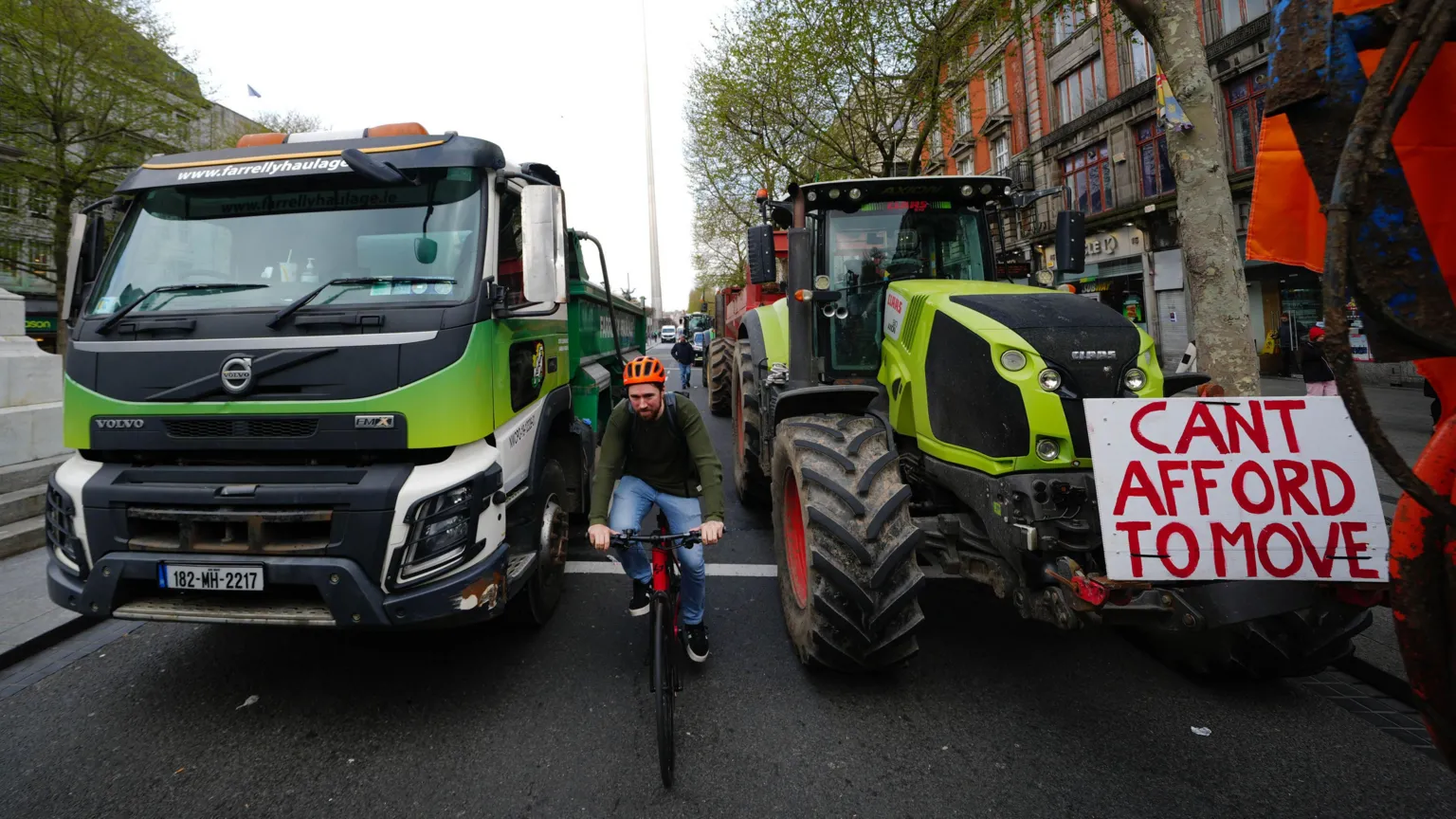
Protests have also taken place at various locations on main roads leading into Dublin and near other major urban centres. Dublin Airport advised passengers to allow extra time for their journeys, while Translink reported delays and disruptions to cross-border services.
Additionally, Dublin Express coach services between Dublin and Belfast experienced delays and diversions, with customers advised to allow "significant extra time" for travel.

Protests Began Tuesday; Gardaí Report Significant Disruption
The protests commenced on Tuesday morning. An Garda Síochána stated that although the demonstrations were peaceful, they caused "significant disruption." A spokesperson noted reports of emergency workers being delayed or unable to reach their workplaces, as well as individuals missing hospital appointments or being unable to visit ill relatives.
Fuel Price Increases Linked to Middle East Conflict
The conflict in the Middle East has led to rapid increases in petrol and diesel prices. Approximately 20% of the world's oil trade, essential for producing petrol and diesel, has been halted due to the closure of the Strait of Hormuz.
Fuel prices in the Republic of Ireland have surged to around €2.14 (£1.86) per litre for diesel and approximately €1.91 (£1.66) per litre for petrol, with some locations reporting even higher prices.
Government Engagement with Representatives Amid Protests
Protesters have expressed a desire to meet with the Irish government. Senior ministers have stated they have engaged with national representative bodies and will continue to do so while monitoring the situation.
Taoiseach Micheál Martin, Tánaiste Simon Harris, and Minister of State Seán Canney met with the Irish Road Haulage Association (IRHA) on Wednesday. The officials described the discussions as "constructive."
On Friday, Minister Martin Heydon and Minister of State Timmy Dooley are scheduled to meet with national representative bodies representing contractors and farming organisations.


