Morning opening: Ireland takes presidency of the EU
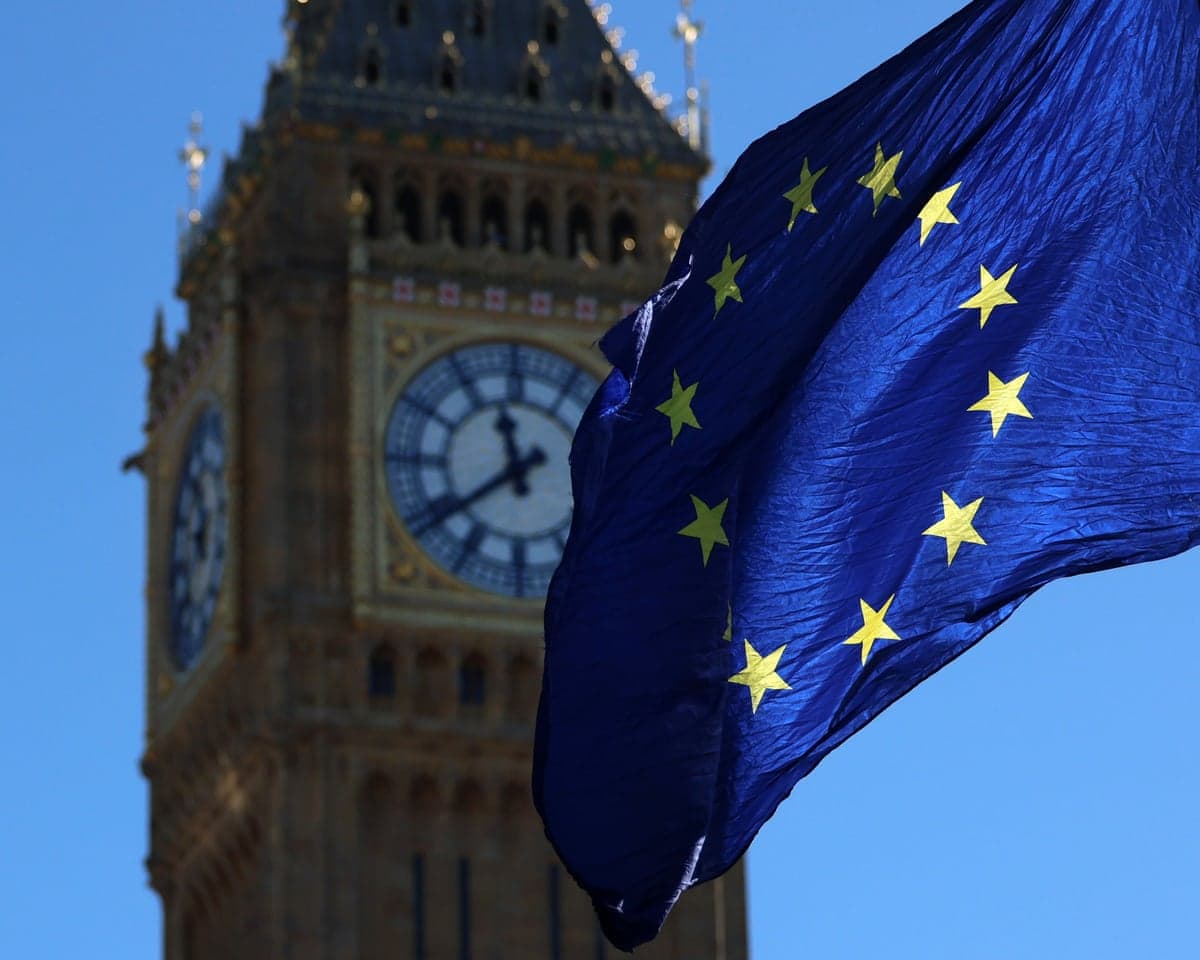
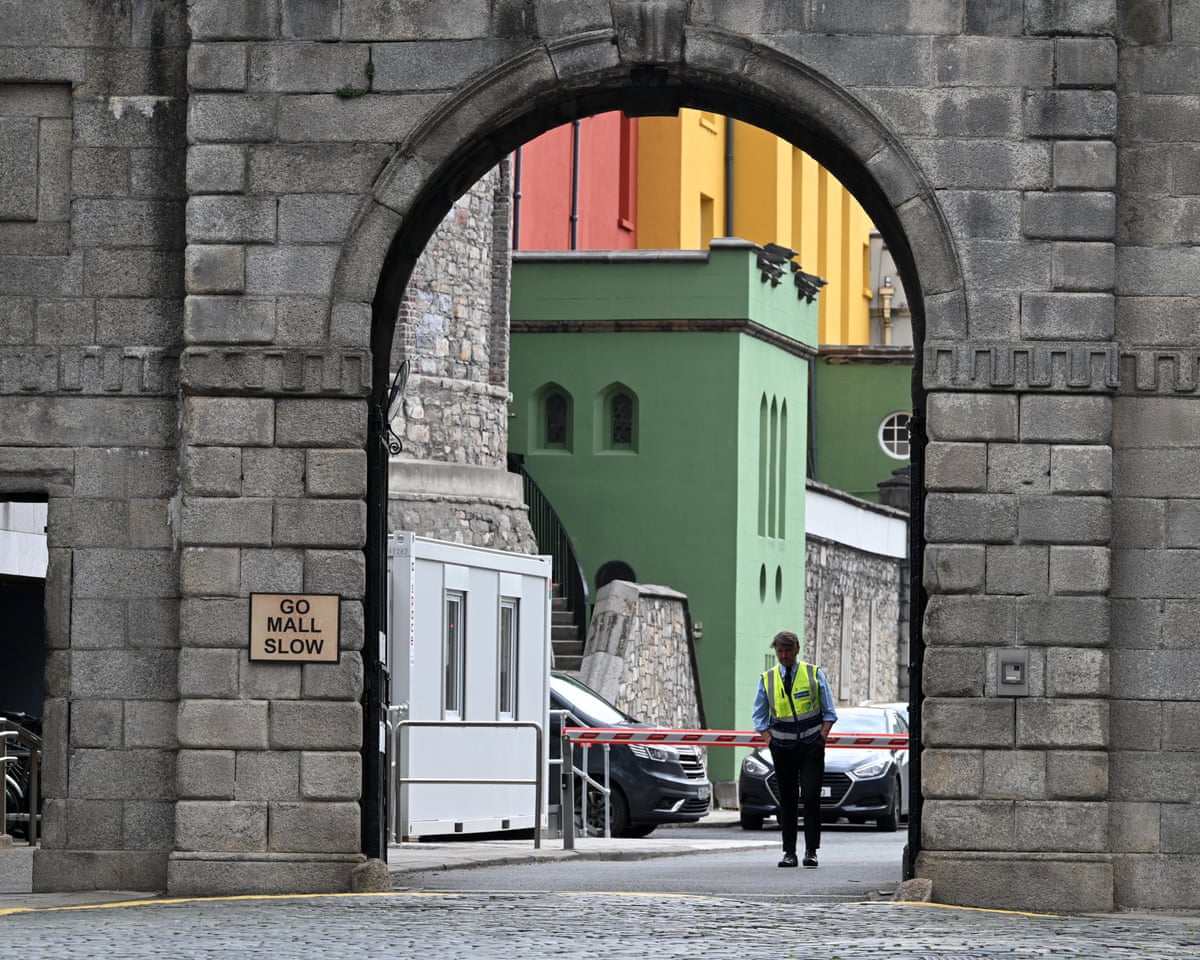
Ireland is set to assume the rotating presidency of the European Union today at a ceremony held at Dublin Castle, attended by some of the EU’s leading figures as well as Ukraine’s president.
An opening ceremony is scheduled for 2pm local time, followed by a press conference. Key statements will be reported as they occur.
It has been 13 years since Ireland last chaired the EU’s work, and the agenda this time is notably extensive.
EU member states will focus on navigating political discussions regarding new sanctions against Russia and support for Ukraine, alongside complex accession negotiations with Moldova, Ukraine, and other candidate countries.
However, some critics question Ireland’s credibility to lead the bloc’s digital agenda, given that many major US Big Tech companies, which were strongly defended by former US President Donald Trump, have their European headquarters in the country.
Meanwhile, Nato’s secretary general Mark Rutte will be in Berlin today, visiting EU capitals ahead of next week’s Nato summit in Ankara.
Updates will be provided throughout the day.
It is Wednesday, 1 July 2026. Jakub Krupa reporting for Europe Live.
Call to suspend new EU border system in peak holiday period as planes leave half full
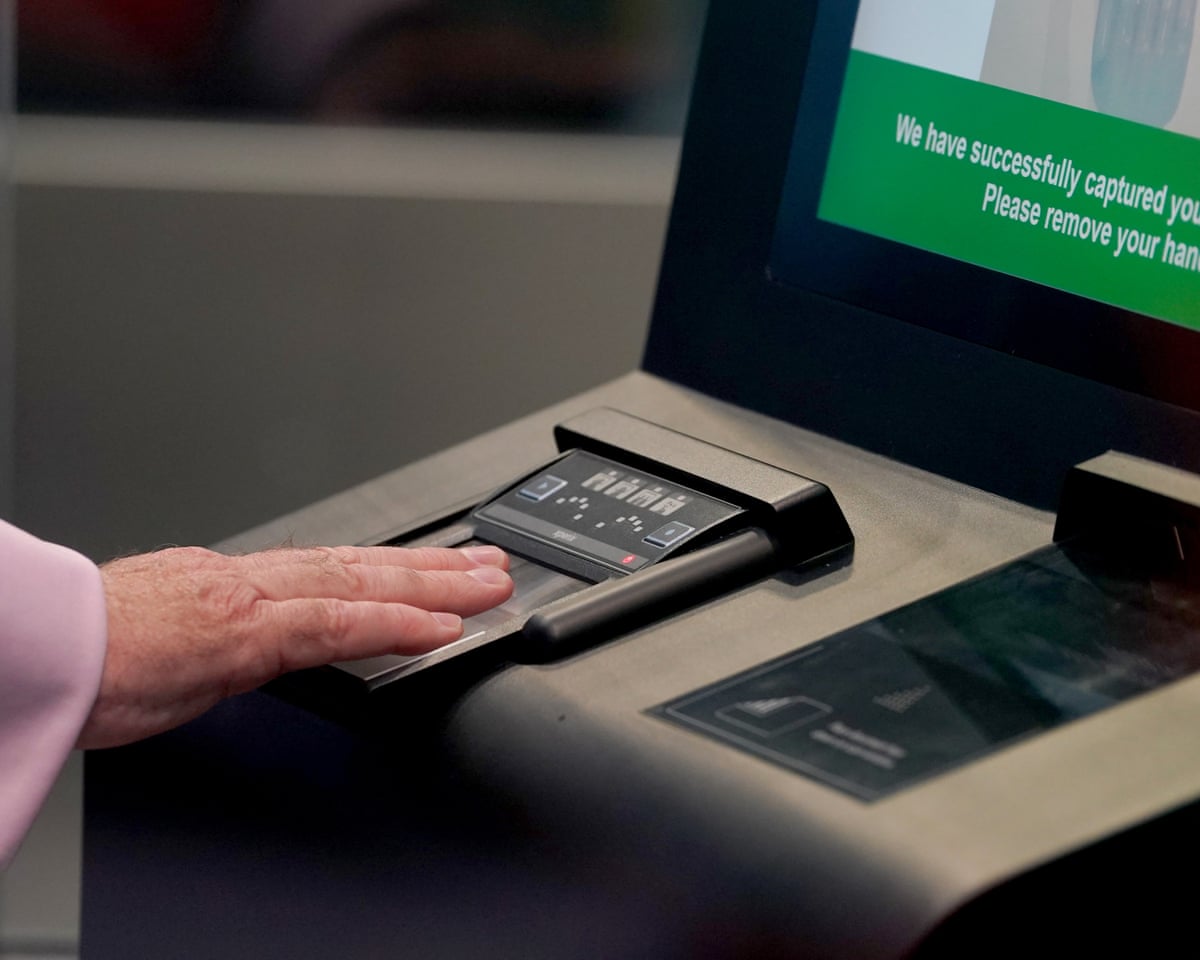
Airlines and airports have urged for a suspension of the new EU biometric border check system during the peak summer holiday period, citing operational challenges that have resulted in some flights departing with many empty seats and passengers enduring queues of up to five hours.
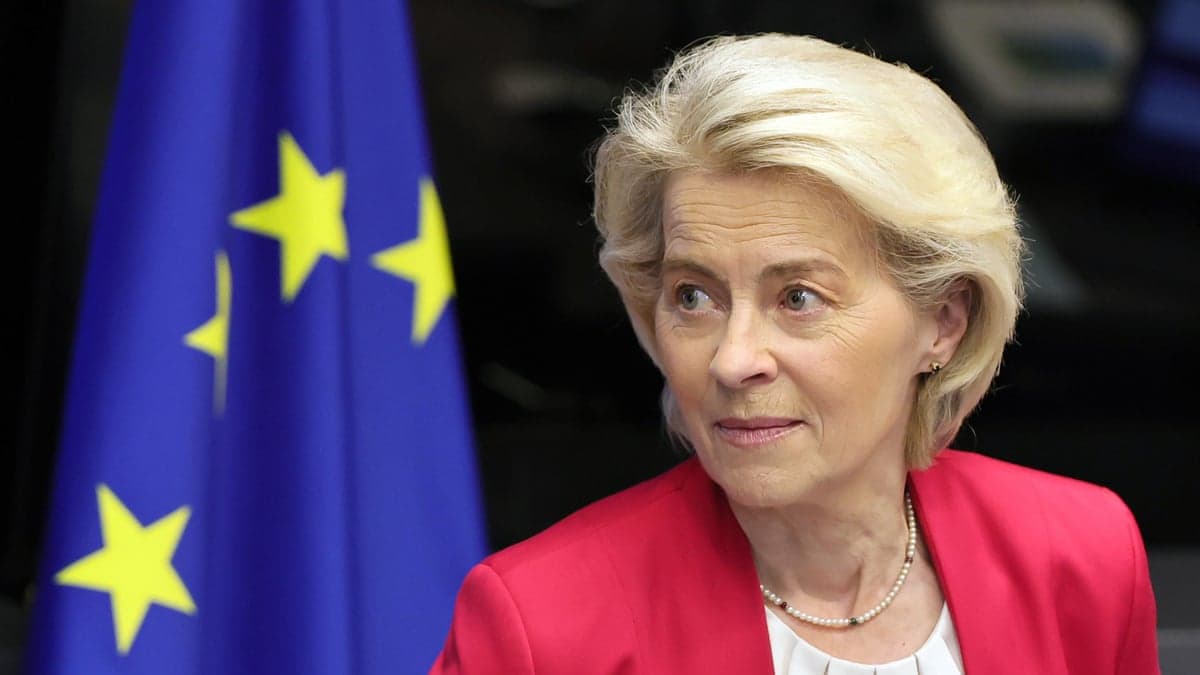
In a letter addressed to Ursula von der Leyen, president of the European Commission, industry representatives requested an option to suspend the biometric checks during the busy summer months, fearing the situation will deteriorate further.
“We have reached a critical point,”
stated the groups ACI Europe, representing airports; Airlines 4 Europe; and the International Air Transport Association, representing airlines. They added,
“Passengers have already been forced to queue for extended periods outside terminal buildings and on exposed aprons because border control facilities cannot process arrivals quickly enough.
Airlines face half-empty planes at gate closing time, while passengers are stuck in border control queues.”
Some flights have experienced delayed takeoffs while waiting for passengers, with queues reportedly reaching up to five hours during peak times, and others have been affected as well.

The groups called on the European Commission to permit airports to
“completely suspend”checks
“whenever passenger volumes exceed the operational capacity of border control facilities”throughout July and August.
Ireland’s foreign minister Helen McEntee spoke to the national broadcaster RTÉ, highlighting that the EU presidency will provide Ireland with
“significant access”to key areas of EU policymaking, enabling the country to leverage its experienced diplomatic corps effectively.
This marks the eighth occasion Ireland will hold the EU presidency.
McEntee also expressed anticipation for meeting Ukraine’s Volodymyr Zelenskyy later today, affirming Ireland’s commitment to supporting Ukraine
“in whatever way possible,”according to RTÉ.
Nato's Rutte visits Berlin for talks with Merz, Pistorius
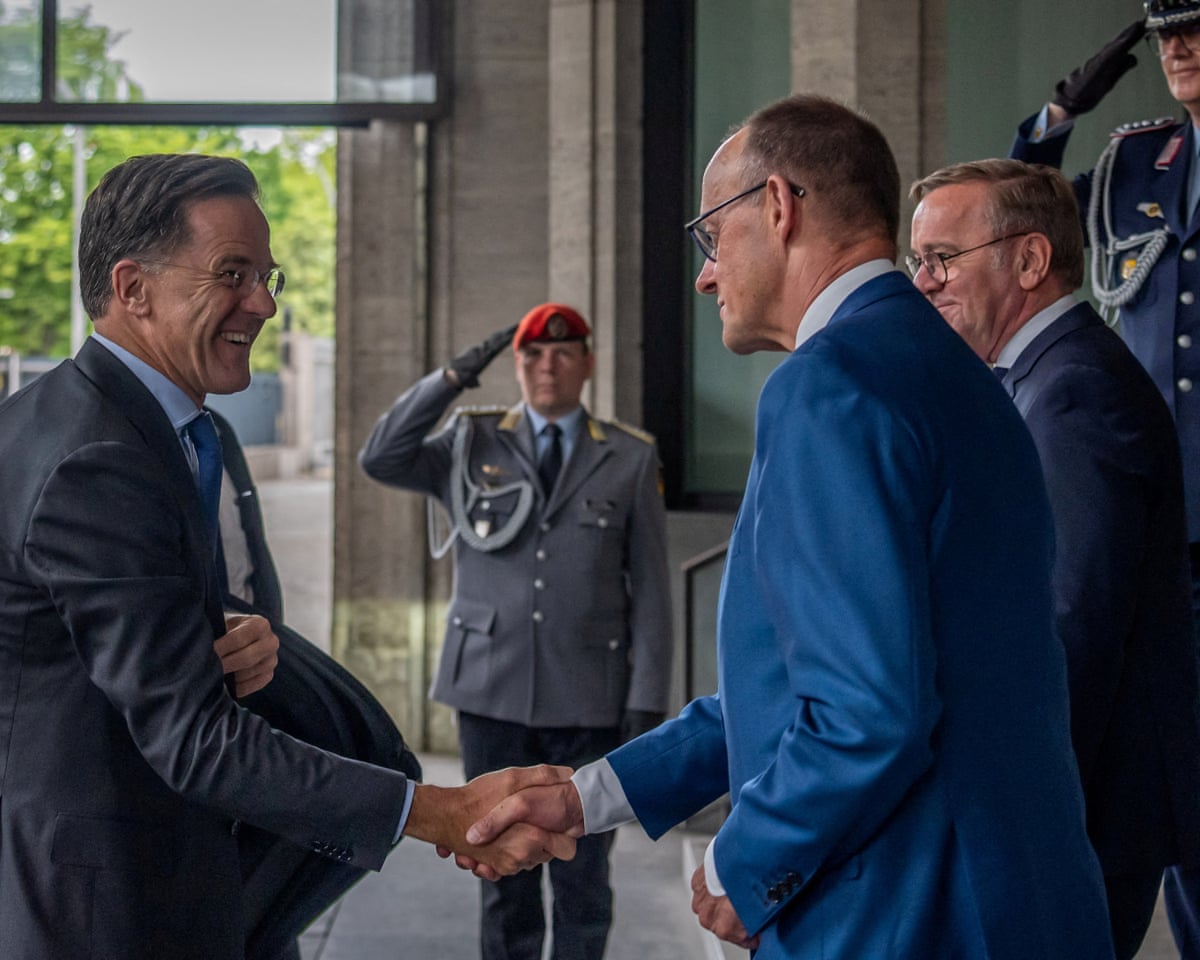
Prior to the Dublin ceremony, Nato secretary general Mark Rutte is in Berlin today, attending a cabinet meeting and holding discussions with Germany’s chancellor Friedrich Merz and defence minister Boris Pistorius.
The three officials are scheduled to hold a press conference approximately one hour from now, with key remarks to be reported.
Ukraine’s president Zelenskyy is expected to arrive in Dublin shortly before the formal ceremony this afternoon and will engage in bilateral talks with senior Irish officials afterwards.
For Ireland, supporting Ukraine is considered
“an important priority for us during our term,”stated Prime Minister Micheál Martin, who added that discussions will also focus on enhancing pressure on Russia.
Ukraine could join EU during war with Russia, but it will be 'merit-based' process, Irish PM says
Irish Prime Minister Micheál Martin indicated that Ukraine could potentially join the EU even while the war with Russia continues.
Speaking publicly, Martin emphasized that the accession process will follow
“a merit-based approach,”and affirmed that the EU
“wants the war to end,”but accession could proceed during the conflict.
Ukraine’s Volodymyr Zelenskyy is expected in Dublin today as part of the presidency ceremony.
Martin also told RTÉ that Ireland aims to reach a political agreement on the next EU budget
“by the end of the year,”though he acknowledged it will be
“a mammoth task.”
He clarified that the budget will not allocate more funding to defence than to agriculture.
“Some [member states] who want to spend more, some who want to spend less, quite a significant number who want to protect the common agricultural policy, cohesion funding, and then new areas like competitiveness funding and research, additional money for research funding, which actually is the key to new products and new ideas of the future.”