Water Conservation Urged as Temperatures Rise in Ireland
NI Water has emphasized the importance of saving water in gardens to help manage increased demand for drinking, cooking, washing, and maintaining hydration for families and pets.
Residents in both Northern Ireland and the Republic of Ireland are being encouraged to reduce water usage as temperatures are forecasted to increase throughout the week.
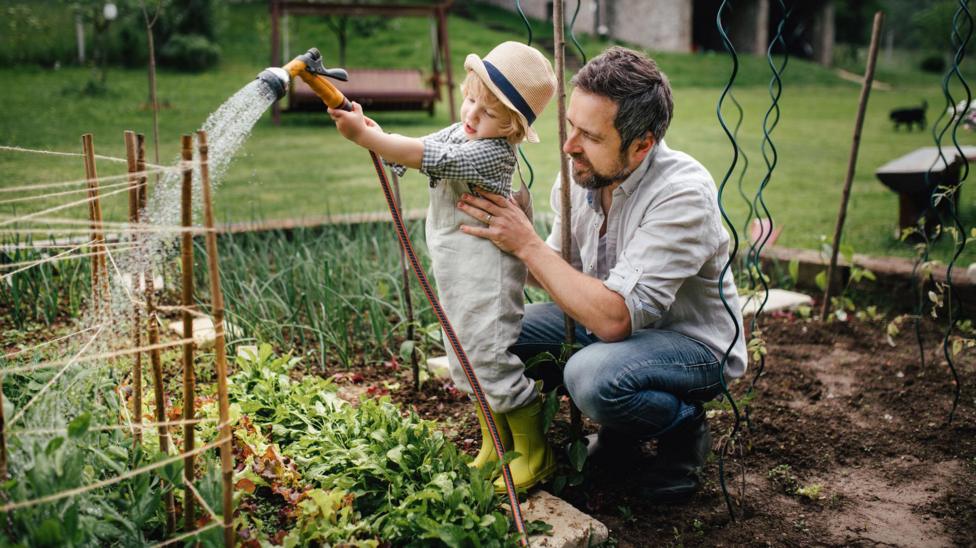
NI Water has specifically advised people to "give the sprinkler and hose a summer break" in their gardens during periods of high water demand.
Similarly, the Irish water service Uisce Éireann has requested that individuals conserve water both inside their homes and in their gardens wherever possible.
Currently, nighttime water restrictions are imposed on 13 water supplies in the Republic of Ireland, out of more than 700 nationwide. These restrictions are precautionary and mainly affect areas in counties Kilkenny, Tipperary, Donegal, Cork, and Meath.
NI Water highlighted that using sprinklers or hosepipes on lawns can consume large amounts of water rapidly.
The heatwave has been intensifying since the beginning of the week, with temperatures reaching 26°C on Tuesday in County Down.
Comparable temperatures are expected to persist for the remainder of the week and into the weekend, increasing the likelihood of an official heatwave declaration.
Temperatures in the Republic of Ireland are anticipated to rise even higher, potentially reaching the high 20s and possibly around 30°C.

A heatwave is officially declared when temperatures of 25°C or higher are recorded in the same location for at least three consecutive days.
This week's heat comes with no rain forecasted for at least one week, placing additional pressure on water supplies as garden watering and other water uses increase.
Advice on Water Usage
Anna Killen, an education officer at NI Water, stated:
"Using sprinklers or hosepipes on lawns can use a lot of water very quickly, and much of it can be lost through evaporation in hot weather.
By leaving lawns alone, using a watering can for any plants that genuinely need it and making the most of rainwater where possible, we can all help make every drop count this summer."
NI Water added that conserving water in the garden is a straightforward way to reduce demand during the busiest summer periods when consumption typically rises.
Uisce Éireann reported that in many parts of the country, including Greater Dublin, water is being used faster than it can be replenished.
Water Restrictions and Safety Measures
Margaret Attridge, Head of Water Operations at Uisce Éireann, explained that restrictions on water use are "only used where needed to protect local supplies and reduce the risk of more serious disruption later on."
She advised that households should check for leaks, run washing machines and dishwashers only when full, avoid using hoses, not leave taps running unnecessarily, and opt for showers rather than baths.
Attridge also reminded the public that "reservoirs are not safe places to swim," recommending that those wishing to swim should go to beaches with lifeguards or designated safe swimming areas.
Additional Health Advisories
High levels of ultraviolet (UV) radiation are forecasted, prompting the Public Health Agency to advise on protective measures for skin and eyes against harmful damage.
Additionally, individuals who suffer from hay fever are warned of high to very high pollen levels expected over the coming week.
- Heatwave advisory issued across Ireland
- Amber heat-health alerts in effect as UK faces one of longest-lasting heatwaves since 1976
- Are we in for a summer of serial heatwaves?
- What are UV levels and how can you protect yourself?