Qarsoq Høegh-Dam’s Vision for Greenland’s Autonomy
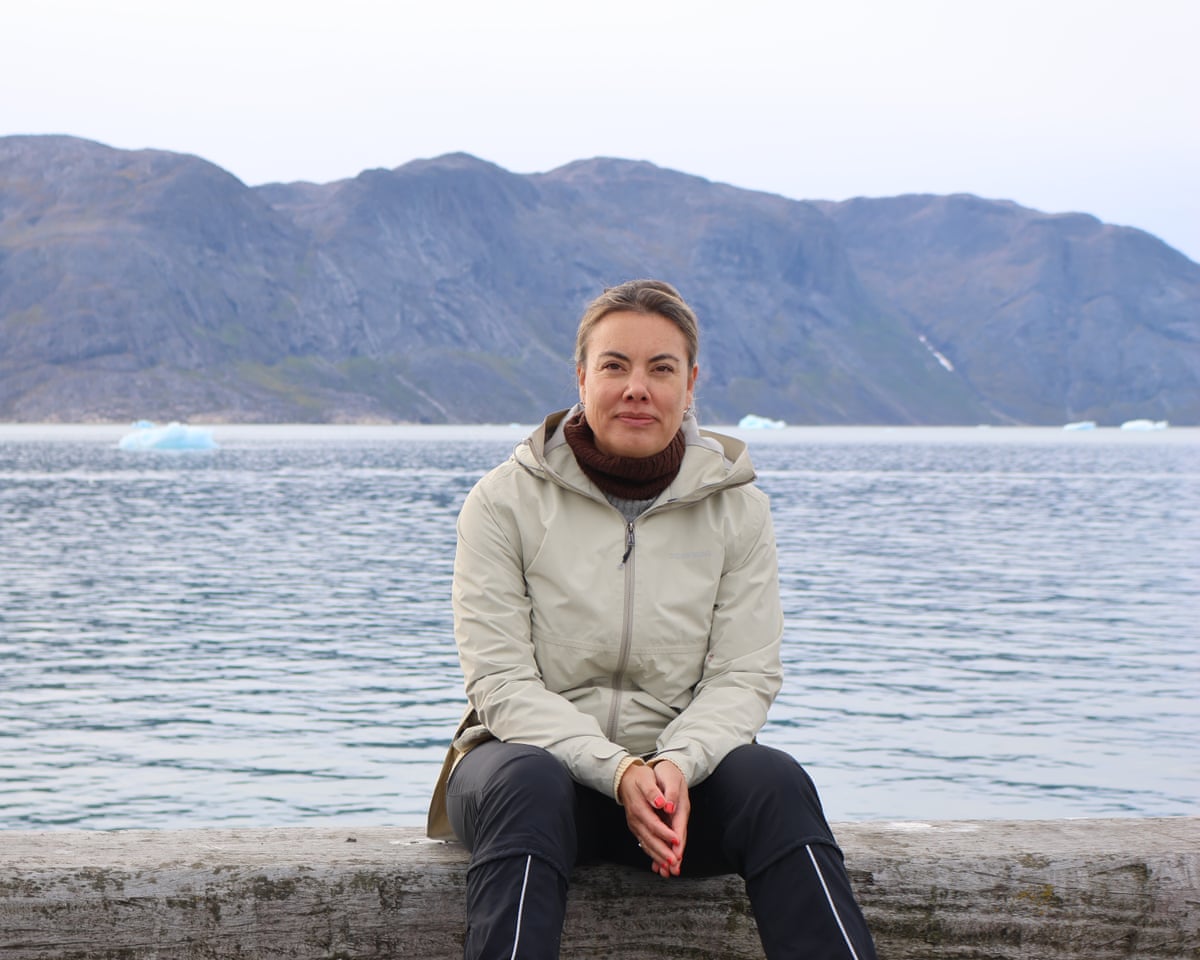
Qarsoq Høegh-Dam has expressed a unique goal for his role as a newly elected member of the Danish parliament: to render his own position unnecessary.
“I want to make myself as obsolete as possible,”he stated firmly.
Last month, Høegh-Dam, a Greenlandic politician affiliated with the pro-independence Naleraq party, became the first representative of his party elected to the Danish parliament. His objective is clear: to transfer full responsibility for Greenland from Copenhagen to Nuuk, the capital of the largely autonomous Arctic territory. He envisions a future where Greenland is governed solely by its own parliament, eliminating the need for representation in Denmark’s capital.
“Greenland and the Greenlandic people are to be the responsibility of the Greenlandic parliament and the Greenlandic government. So the primary objective is: I will have succeeded if I am no longer relevant,”he said with a laugh.
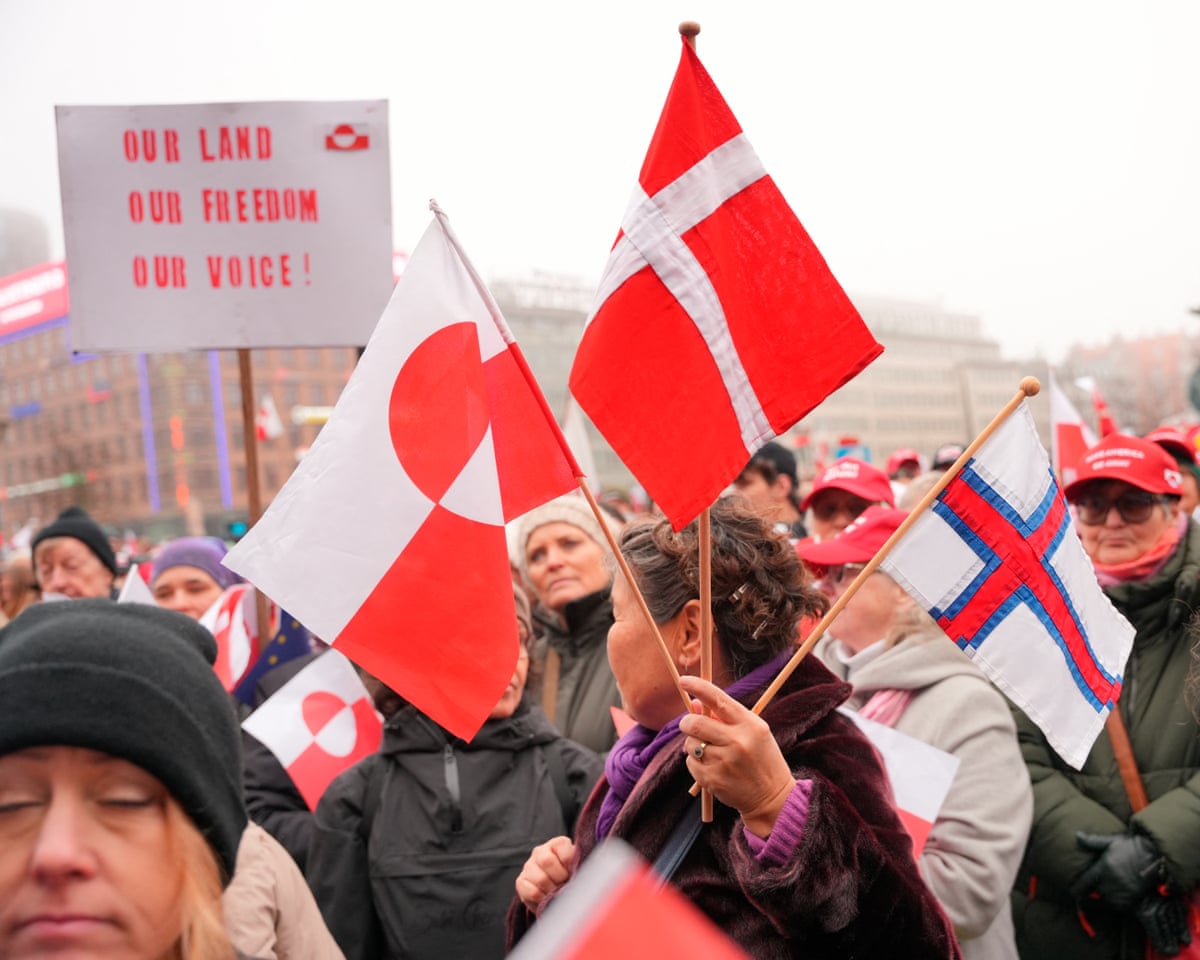
The recent Danish general election, which saw Mette Frederiksen’s Social Democrats maintain power, occurred shortly after a tense episode in Denmark’s history involving former US president Donald Trump’s proposal to purchase Greenland.
Trump’s interest in acquiring the Arctic island escalated tensions in January to the extent that Denmark reportedly prepared for a potential US attack by transporting blood supplies to Greenland and explosives to disable runways. Although the situation has somewhat eased, all parties acknowledge that the issue remains unresolved and negotiations continue.
This geopolitical episode has drawn international attention to the relationship and historical ties between Greenland and Denmark.
Modern colonization of Greenland began in 1721 with the support of Denmark-Norway. During World War II, the United States temporarily occupied Greenland while Denmark was under German occupation. Greenland became an official part of the Danish kingdom in 1953, and home rule was introduced in 1979. Since then, Greenland has gained increased autonomy, though Denmark retains control over foreign and security policies.
Høegh-Dam highlighted concerns about the global competition for Arctic influence, involving powers such as the US and Russia, emphasizing that Denmark must fulfill its obligations to Greenland’s people. He cited Copenhagen’s failure to adequately maintain Greenlandic prison facilities as an example.
“Especially in these political climates, Denmark trying to penny-pinch in regard to Greenland with their own responsibilities is a hazardous gamble because other foreign nations can use it,”he warned.
While all Greenlandic political parties support eventual independence, Naleraq, which is also considered the most supportive of Trump’s approach, advocates for achieving independence as soon as possible. However, Høegh-Dam stressed the importance of a smooth transition.
“Which is why we are trying to follow the law that has been established in the Danish parliament,”he explained, referring to the 2009 act recognizing Greenland’s right to self-determination.

Naleraq, founded in 2014, has gained significant popularity in recent years. In Greenland’s last election, held last year, the party doubled its seats to become the second largest in Inatsisartut, Greenland’s parliament. It declined to join the governing coalition and currently serves in opposition.
Høegh-Dam comes from a family deeply involved in Greenlandic politics. His sister, 29-year-old Aki-Matilda Høegh-Dam, recently switched from the Siumut party to Naleraq after representing Greenland in the Danish parliament. Their late uncle, Thue Christiansen, was a member of Greenland’s first cabinet and designed the national flag. Additionally, their cousin Aaja Chemnitz served as a Danish parliamentary representative until the last election.
“Of course politics is a topic of discussion at the holiday table and over a cup of coffee,”Høegh-Dam said.
“I hope I can contribute just a small fraction in the same way.”
Last Tuesday, Høegh-Dam and Naaja Nathanielsen, the other Greenlandic MP elected to the Danish parliament, met with caretaker Prime Minister Mette Frederiksen, who is currently attempting to form a coalition government. Nathanielsen, who previously held several ministerial roles in Greenland’s government, represents the Inuit Ataqatigiit (IA) party.
Nathanielsen is advocating for reform of the 1953 Danish constitution, which was never voted on by Greenlanders and restricts Nuuk’s authority over foreign and security policy.
“We do have much more self-determination than in the 1950s but still there are some elements where we don’t have access to the information that’s needed and we have limitations on what we can do on our own. So that also is a show of baseline inequality,”Nathanielsen said.
“So if that’s your starting point, it makes it difficult to have discussions on anything else if the ground you stand on is not an even surface.”
While Greenland’s foreign policy role has expanded, she noted that there remain
“red lines in terms of what Greenland can achieve on its own”under the current constitutional framework.
“We really want to push those limits because we believe that it is the Greenlandic government that should form and convey foreign policy when it regards the Arctic, with regards to us. And today that is oftentimes not the case.”
Despite representing different parties, Høegh-Dam and Nathanielsen intend to collaborate closely in Copenhagen, setting aside domestic political differences.
Høegh-Dam clarified that he does not oppose maintaining close ties with Denmark but seeks full independence for Greenland.
“The structure that we have now, a postcolonial structure, is not working. And we want to make the best out of it,”he said.
“The world is changing, but we are so used to other factors trying to change us that we have become resilient. I believe in the Greenlandic people, but I really also want to believe in the Danish people in our common future, if we have one.”