Germany's Coal Phase-Out Policy
In Germany, the term kohleausstieg refers to the "coal phase out" policy. Germany is the largest consumer of coal for electricity generation in Europe and ranks fourth globally after China, India, and the United States. The country has committed to ending coal use entirely by 2038. Specifically for lignite, a low-quality and highly polluting form of soft coal, the phase-out deadline has been advanced to 2030.
Currently, coal accounts for approximately 20% of Germany's electricity production. The government aims to eliminate this share as it prioritizes the expansion of wind and solar energy. In fact, renewable sources already supplied 59% of Germany's electricity last year.
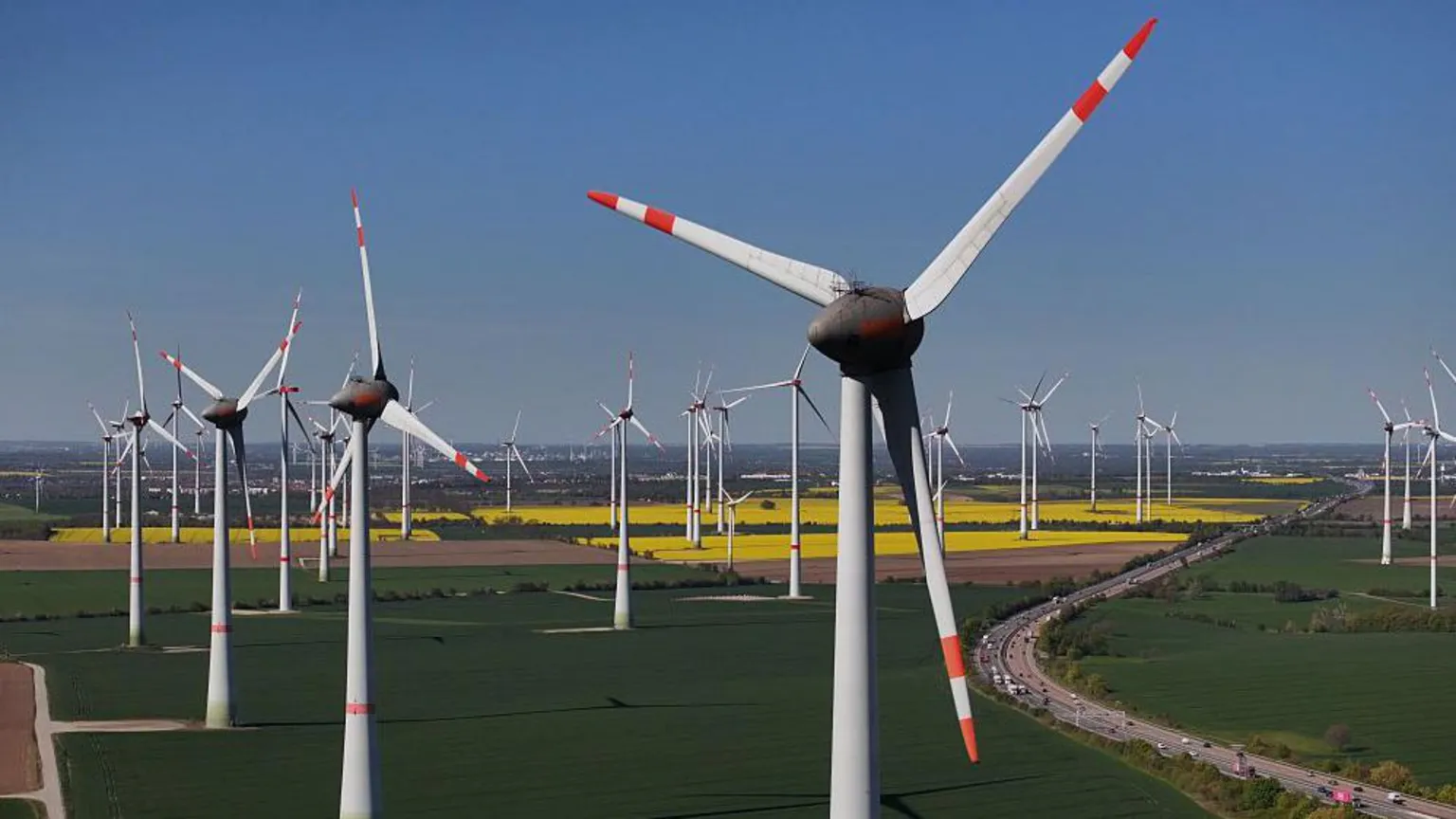
To complement wind and solar power, especially during winter months, Germany plans to replace coal-fired power plants with additional natural gas facilities. Natural gas plants emit roughly half the carbon dioxide compared to coal and presently contribute 13% of the nation's electricity generation.
Global Energy Price Shifts and Their Impact
The recent surge in global natural gas prices, influenced by the US-Israel conflict and tensions with Iran, has prompted several countries to reconsider coal as an energy source. Japan has relaxed regulations to increase coal-fired power plant operations, Italy has postponed the closure of its remaining coal stations until 2038, and India has delayed maintenance shutdowns.
In Germany, Chancellor Friedrich Merz stated in March,
"We must supply this country with electricity. I am not prepared to jeopardise the core of our industry simply because we have adopted phase-out plans that have become unrealistic."
This statement raised questions about whether Germany might reconsider its coal phase-out strategy.
Supply and Economic Considerations
The German government faces a dual challenge regarding electricity generation: supply security and cost. Germany possesses abundant, inexpensive lignite reserves — the largest in Europe and the third largest worldwide — making it fully self-sufficient in this fuel.
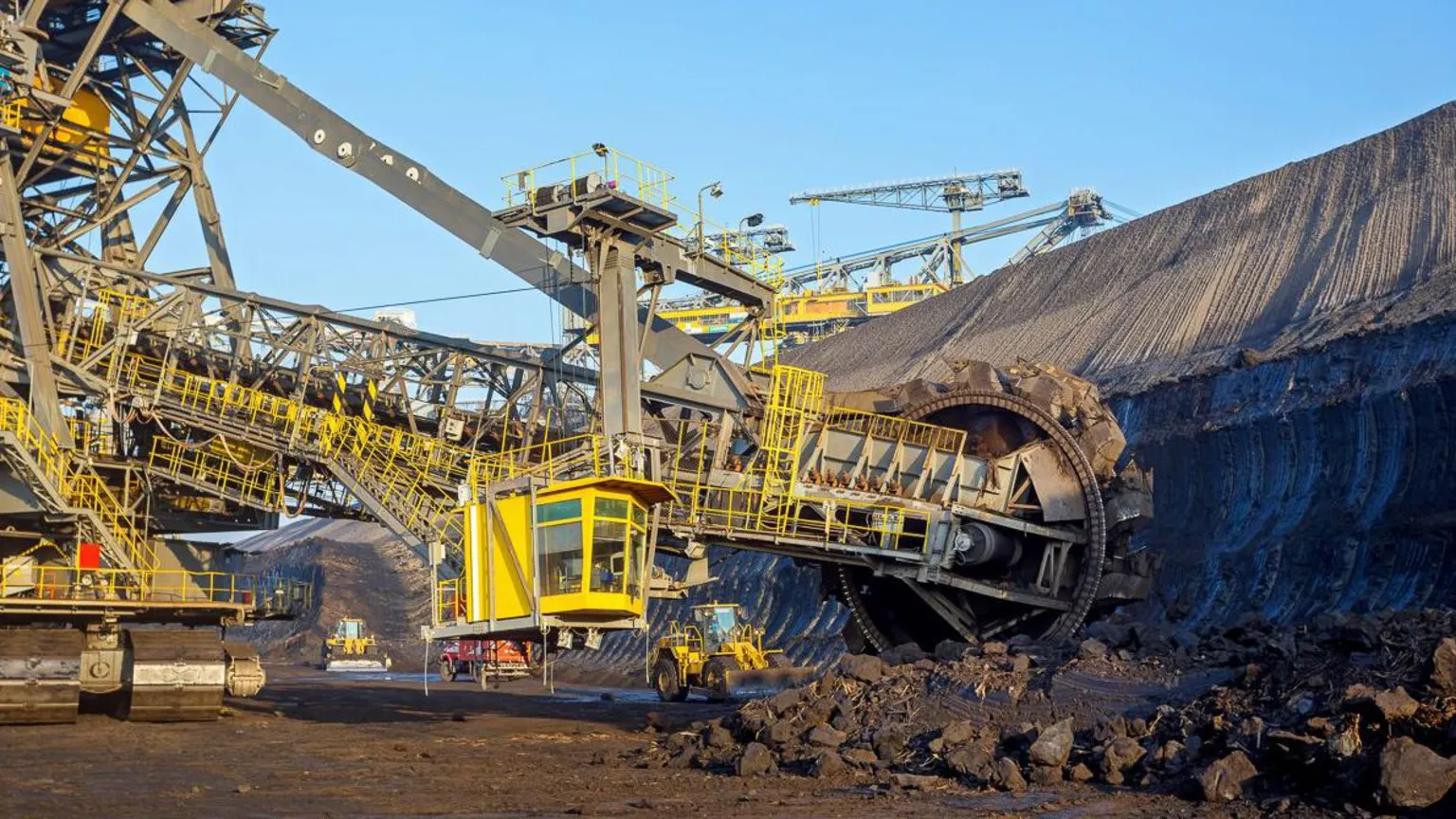
Conversely, Germany imports 95% of its natural gas. When global gas prices rise sharply, switching back to cheaper lignite becomes financially attractive, especially since supply shortages are not a concern for lignite. Additionally, nuclear power is not an option, as Germany closed its last nuclear power plants in 2023.
German energy company LEAG, the country's second-largest lignite miner, welcomed the prospect of coal power receiving a reprieve. In a statement, the company said,
"We very much welcome the fact that the German federal government is placing not only medium, but also long-term, security of supply at the heart of its energy policy considerations."
LEAG also noted its increased lignite supply to compensate for halted Russian gas imports following Russia's 2022 invasion of Ukraine, adding,

"We already demonstrated our ability to quickly draw on reserves to return to the market when the situation demands it."
Environmental Perspectives and Industry Needs
In contrast, Hauke Hermann, a senior researcher at the Öko environmental research institute, argues that increasing coal use is not the solution. He advocates for further expansion of renewable energy sources.
Some representatives from German industry emphasize the need for clarity regarding energy sources. Wolfgang Große Entrup, director general of the German Chemical Industry Association (VCI), stated,
"Our industry needs reliable energy. Renewable energy alone cannot yet guarantee this… Companies will only invest billions if they can trust that energy will remain reliably available at competitive prices in the future."
Political Dynamics and Potential Compromises
While calls to completely abandon the coal phase-out are almost exclusively limited to the far-right AfD party, discussions about relaxing the phase-out timeline are ongoing.
One proposed compromise involves six coal power stations that use imported hard coal, which is less polluting than domestic lignite. These plants currently operate as backup, supplementing the national grid during peak demand, such as cold winters.
Steag Iqony Group, owner of some of these plants, advocates for their continuous operation. A company spokesman said,
"If they were temporarily allowed to resume regular production, they could deliver electricity to several million homes. We think these plants should be used in order to strengthen security and affordability of supply."
A parliamentary committee established in March is examining this possibility.
The German government, a grand coalition of the centre-right CDU/CSU and the left-wing SPD, faces internal divisions. The CDU/CSU favors extending coal use, whereas the SPD opposes it.
SPD energy spokeswoman Nina Scheer cautions,
"Relaxing the rules for coal would be counterproductive for the energy transition and mean new fossil lock-in effects."
Conversely, CDU deputy leader and Saxony Minister-President Michael Kretschmer asserts,
"Germany, as a major industrial nation, must do everything in its power to ensure that energy remains affordable. The energy transition must be completely recalculated. It should not be a matter of cost, but rather a matter of realistically considering security of supply and affordability."
Upcoming Government Decisions
The government must decide this year whether to adhere to the 2030 lignite phase-out deadline or maintain some capacity as a strategic reserve for a limited period.
In August, a statutory review of the coal phase-out will be published, assessing its impact on energy supply, security, and prices. While the original intent was to explore accelerating the kohleausstieg, the review may now inform decisions to slow the process.